Artwork
Shepperton
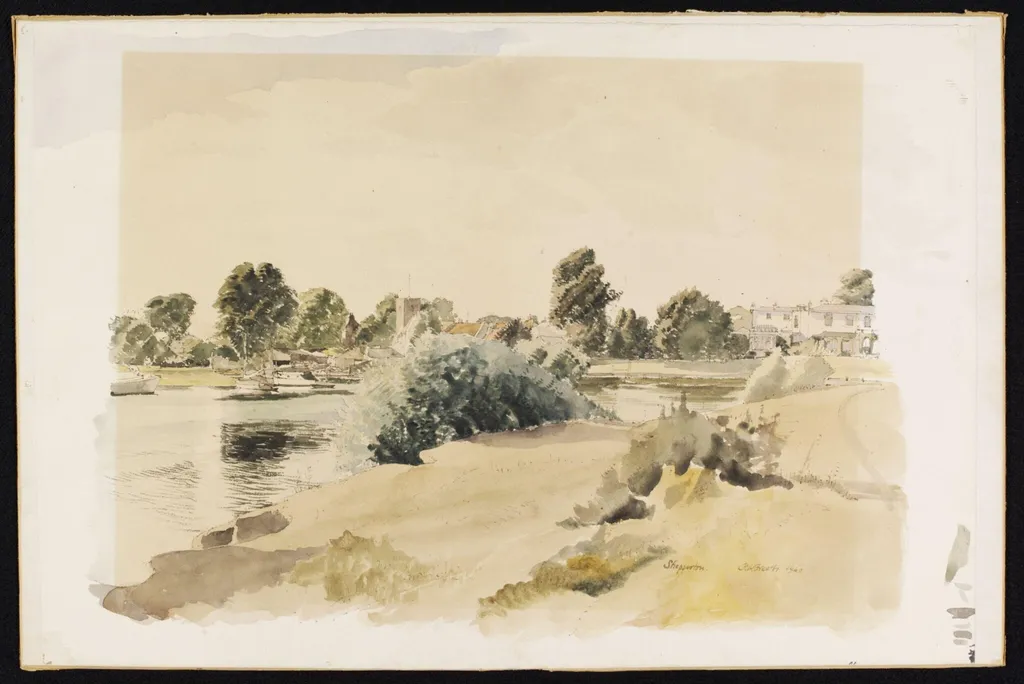
Shepperton is a watercolor work on paper by the Social Realist artist Freeth. It dates from 1940 and is held in the collection of the Victoria and Albert Museum.
About this work
The artist used quick, light strokes to suggest movement in the water and grass, almost like a quick sketch.
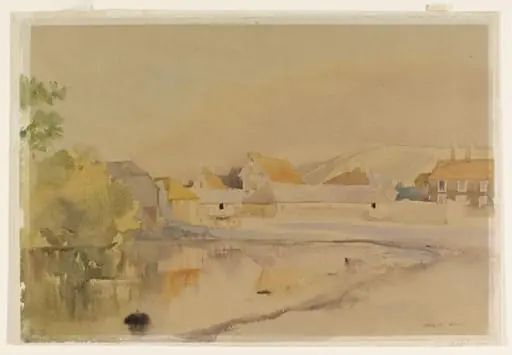
This watercolor shows a quiet riverside scene with a sandy shore and calm water. Trees line the far bank, and a few buildings peek through the foliage. The colors are soft—muted greens, browns, and blues—with light brushstrokes that keep it loose and sketchy.
The artist used quick, light strokes to suggest movement in the water and grass, almost like a quick sketch. The signature in the corner reads "Freeth" with the year 1940.
Check out the Victoria and Albert Museum to see more works like this.
Overview
Created in 1940, *Shepperton* is a watercolour by artist Freeth, commissioned as part of the Recording Britain project. This initiative sought to visually archive English landscapes and architecture during the Second World War, anticipating losses from conflict and modernization. The work belongs to a larger collection of over 1,500 pieces produced by nearly 100 artists between 1940 and 1943, all aimed at preserving a visual record of a changing nation.
Subject & Meaning
The scene depicts a tranquil stretch of the River Thames near Shepperton, with gentle slopes, scattered trees, and distant buildings partially obscured by foliage. There is no human activity visible; the quietness of the setting suggests a contemplative pause. The choice of subject reflects the project’s focus on unassuming, everyday locales—places deemed emblematic of England’s rural character and at risk of disappearance.
Technique & Style
Freeth employed loose, light watercolour washes to suggest form without detail. The water is rendered with faint, horizontal strokes, while the foliage and grass are indicated by quick, dry-brush marks. Colours are subdued—soft greens, earthy browns, and pale blues—creating a muted, atmospheric tone. The sketch-like quality conveys immediacy, as if the view was captured in a single sitting, emphasizing observation over polish.
History & Provenance
The painting was produced under the auspices of the Pilgrim Trust and directed by Sir Kenneth Clark, who led the Recording Britain project. It entered the Victoria and Albert Museum’s collection as part of the project’s archive, where it remains accessible to the public. Its survival and preservation reflect the initiative’s success in safeguarding visual records of Britain’s built and natural environment during a period of national uncertainty.
Context
During the early years of the Second World War, Britain faced widespread disruption, from aerial bombardment to shifting land use. The Recording Britain project emerged as a cultural response, valuing the ordinary over the monumental. Artists like Freeth were sent to document villages, riversides, and vernacular architecture—sites perceived as vulnerable to erasure, whether by war, development, or time.
Legacy
The Recording Britain collection endures as a significant historical archive, offering insight into the nation’s landscape at a critical juncture. Freeth’s *Shepperton* contributes to this legacy not through grandeur, but through quiet precision. Its modest scale and restrained technique mirror the project’s ethos: to honor the familiar, the overlooked, and the transient as vital parts of national identity.
Artist & collection
Artist
Freeth left a small but precise record in watercolour, painting everyday English scenes with a quiet focus.

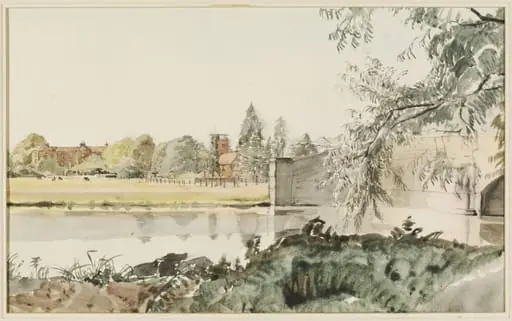 Cranford
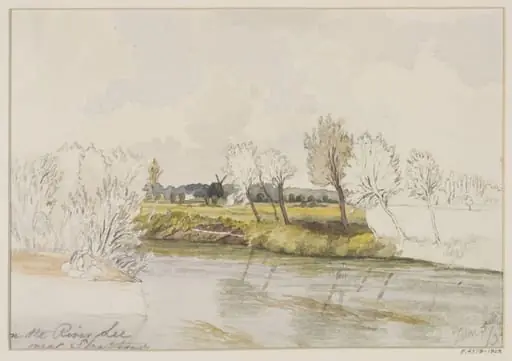 On the River Lee, near Stratford
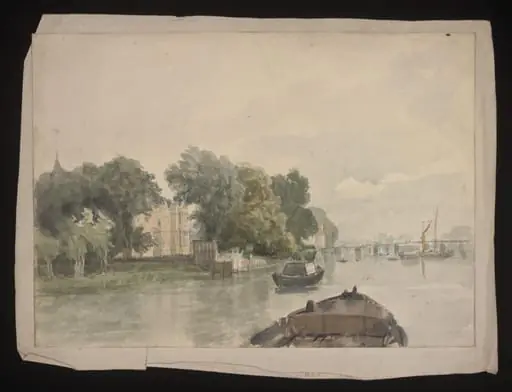 Watercolour drawing by the Grieve family, showing a scene on the River Thames
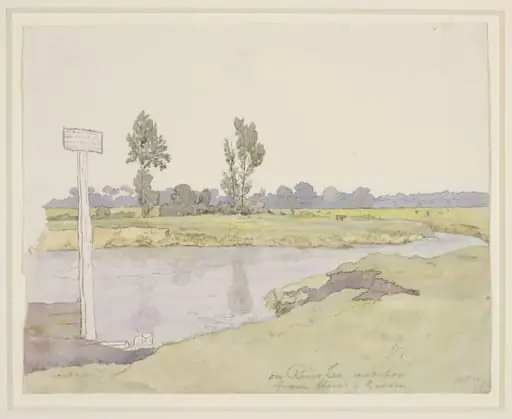 On River Lee, not far from Horse and Groom
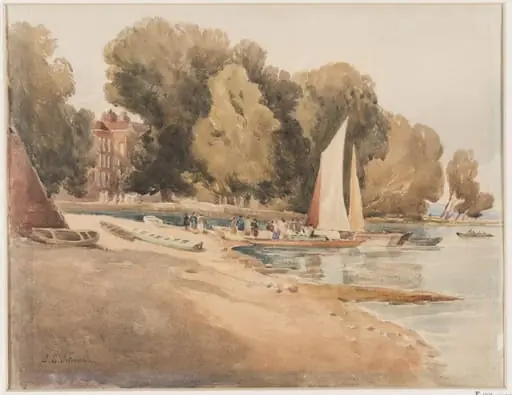 Twickenham
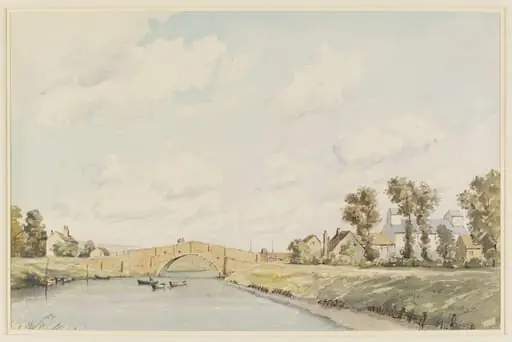 Snape Bridge
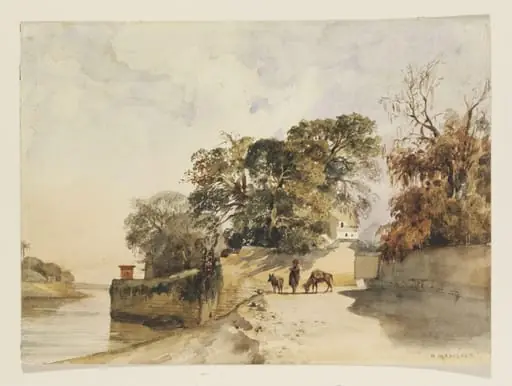 Qasr al-Ayni, Cairo
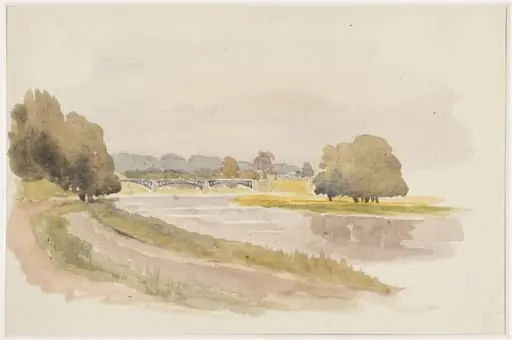 View of the bend of a river
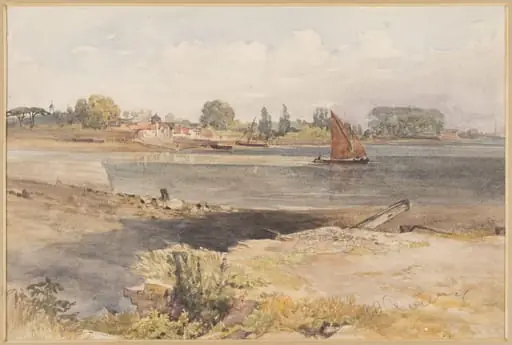 Scene on the Thames
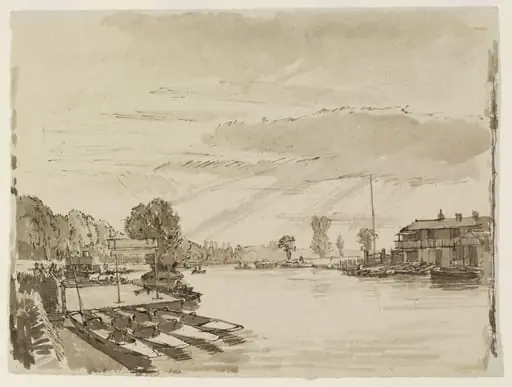 The Thames at Eton
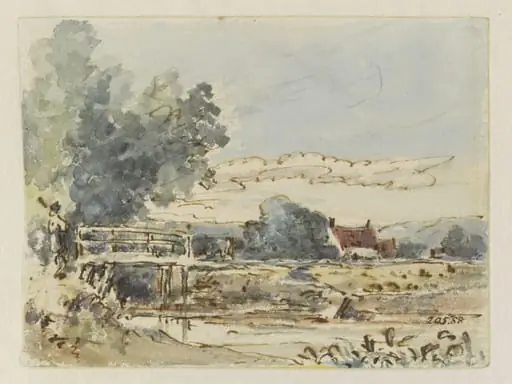 A bridge over a stream, with a cottage behind
 The Pond, Ditchling