Artwork
The Thames at Eton
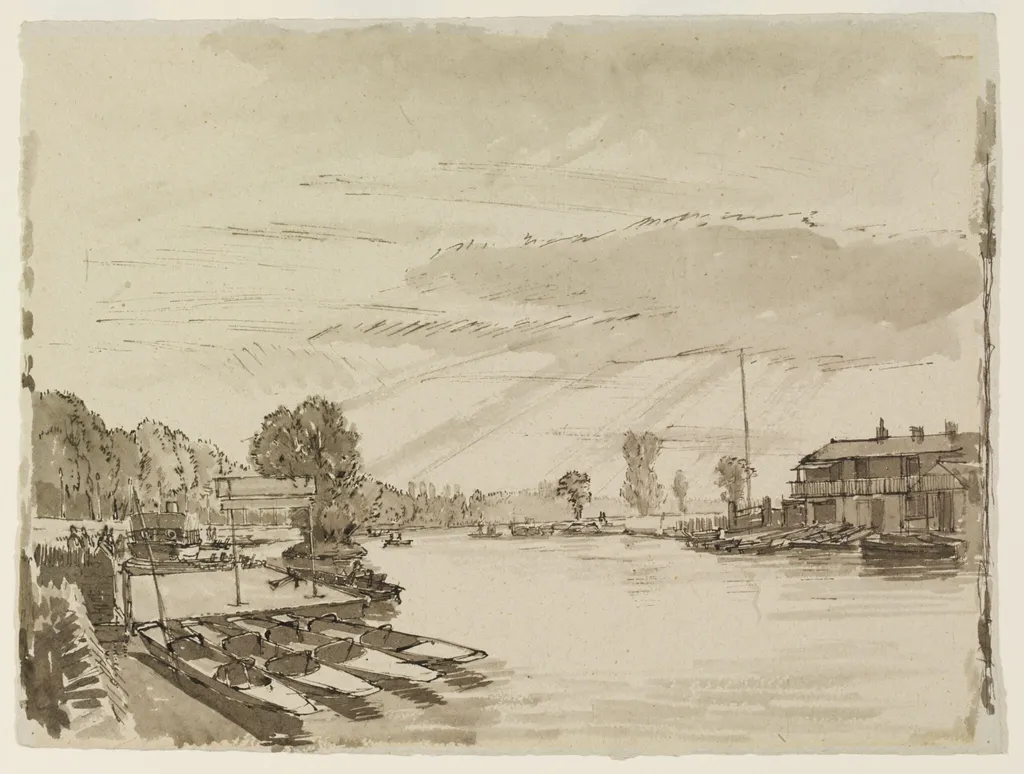
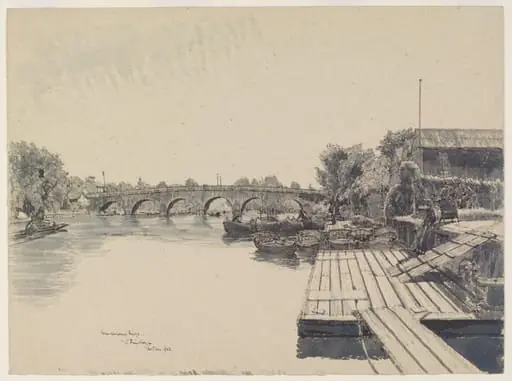
The Thames at Eton is a watercolor work on paper by the Impressionist artist Fairclough. It dates from 1940 and is held in the collection of the Victoria and Albert Museum.
About this work
Overview
The piece reflects the project’s broader aim to support artists while documenting landscapes deemed vulnerable to disruption from conflict and societal change.
Painted in 1940, this watercolour by Fairclough captures a tranquil stretch of the River Thames near Eton. Executed as part of the *Recording Britain* initiative, the work was commissioned to preserve visual records of the British countryside during wartime. The piece reflects the project’s broader aim to support artists while documenting landscapes deemed vulnerable to disruption from conflict and societal change.
Subject & Meaning
The scene portrays a quiet riverside with moored boats, a wooden dock, and modest buildings nestled among trees. No figures are present, emphasizing stillness and solitude. The absence of activity suggests a pause in daily life, subtly reflecting the wartime atmosphere. The composition invites contemplation of ordinary places that might vanish amid national upheaval.
Technique & Style
Fairclough employed loose, rapid brushwork and diluted pigments to convey light and atmosphere. The watercolour’s transparency allows the paper’s texture to show through, enhancing the sense of immediacy. Soft, muted tones and minimal detail suggest a sketch made on-site, prioritizing mood over precision. The fragile appearance of the paper reinforces the impression of spontaneous observation.
History & Provenance
Commissioned by the Committee for the Employment of Artists in Wartime under Sir Kenneth Clark, the work belongs to the *Recording Britain* collection, which gathered over 1,500 watercolours by 97 artists between 1939 and 1942. The project sought to sustain artistic livelihoods while creating an archive of at-risk rural and coastal scenes. This piece entered institutional holdings following its completion.
Context
During the Second World War, Britain faced widespread disruption to its cultural and physical landscape. The *Recording Britain* initiative emerged as a response to fears of heritage loss from bombing, urban development, and social transformation. Artists were sent across the country to record vernacular architecture, riversides, and traditional ways of life, preserving a sense of national identity through visual documentation.
Legacy
The *Recording Britain* collection remains a vital historical archive, offering insight into the British countryside during a period of profound change. Fairclough’s contribution, like others in the series, exemplifies how art served both documentary and humanitarian purposes. These works continue to inform understandings of wartime Britain beyond military narratives, highlighting quiet, everyday spaces.
Artist & collection
Artist
Fairclough is a surname. A variant form is Faircloth. Notable people with the surname include:Adam Fairclough (historian), British historian of the United States Anna Fairclough, member of the Alaska House of…

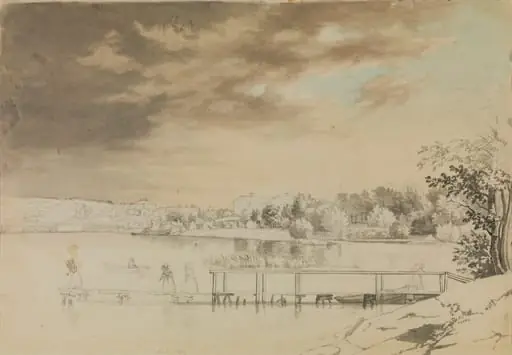 Kaisaniemenlahti, keskeneräinen teos
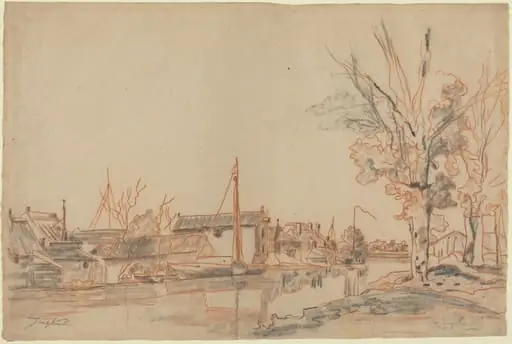 Bords de Canal
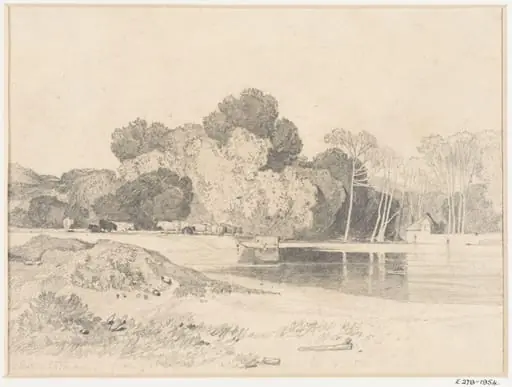 Cattle grazing beside a lake
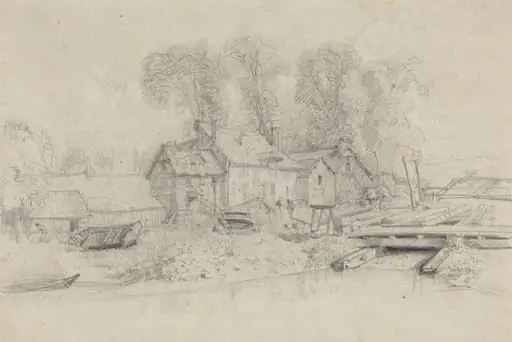 River Landscape with Buildings, Boats, and Figures
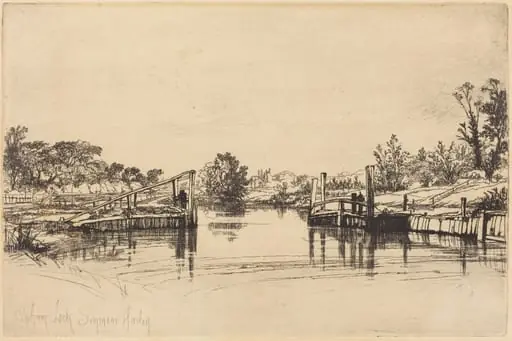 Eagham Lock
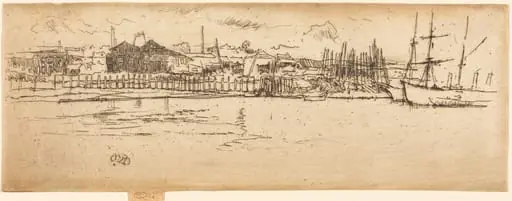 Dry-Dock, Southampton
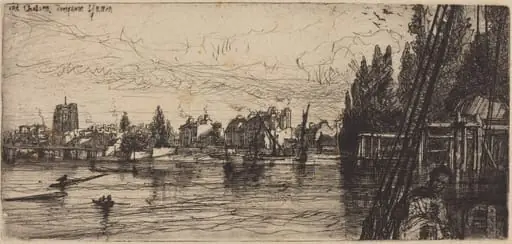 Old Chelsea (Old Chelsea Church)
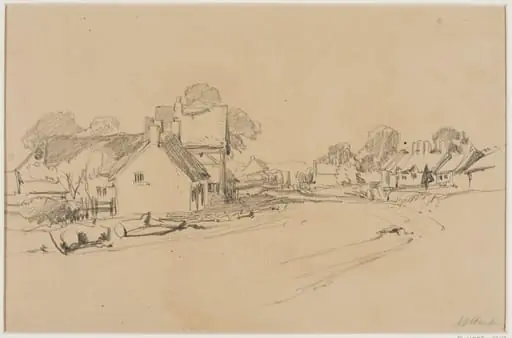 A village street
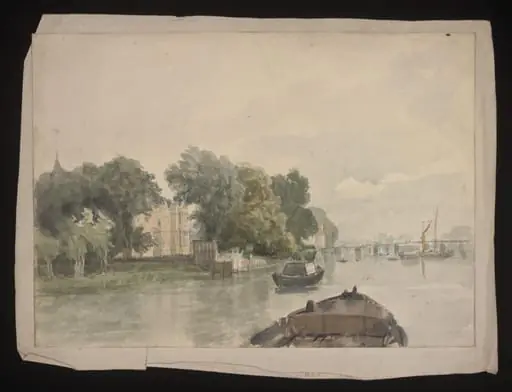 Watercolour drawing by the Grieve family, showing a scene on the River Thames
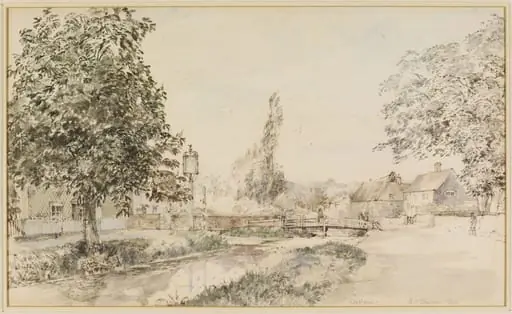 Dalham (the footbridge)