Artwork
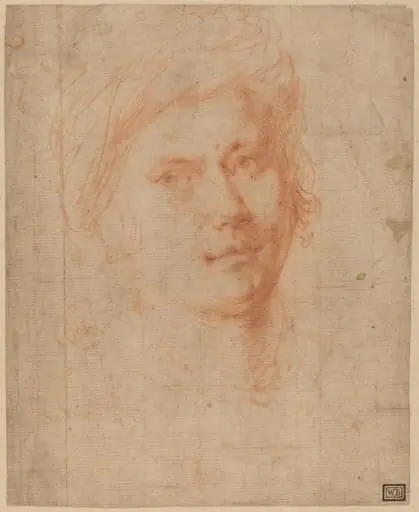
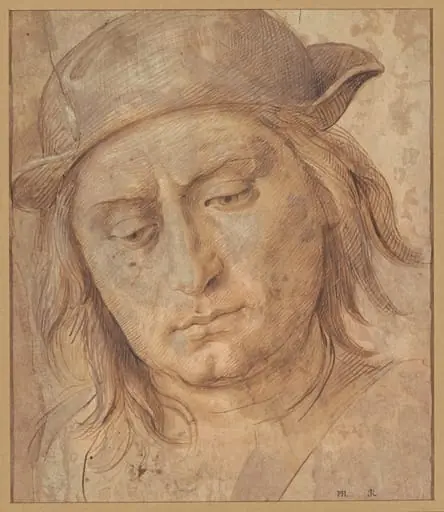
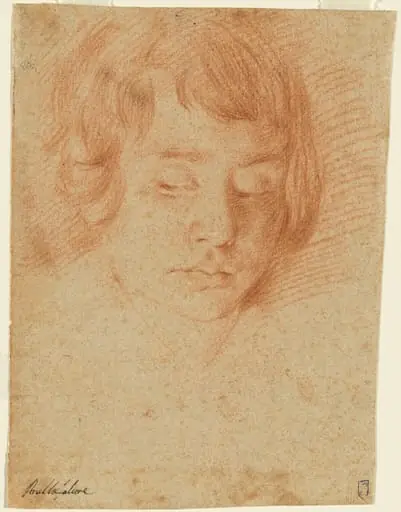
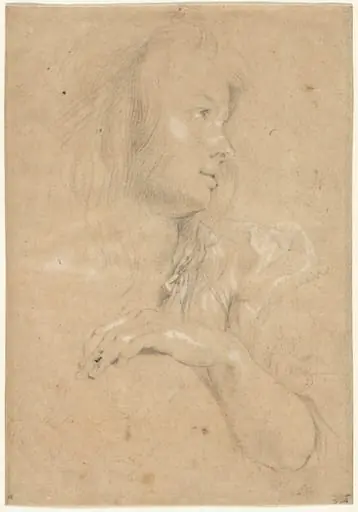
Head of a Man
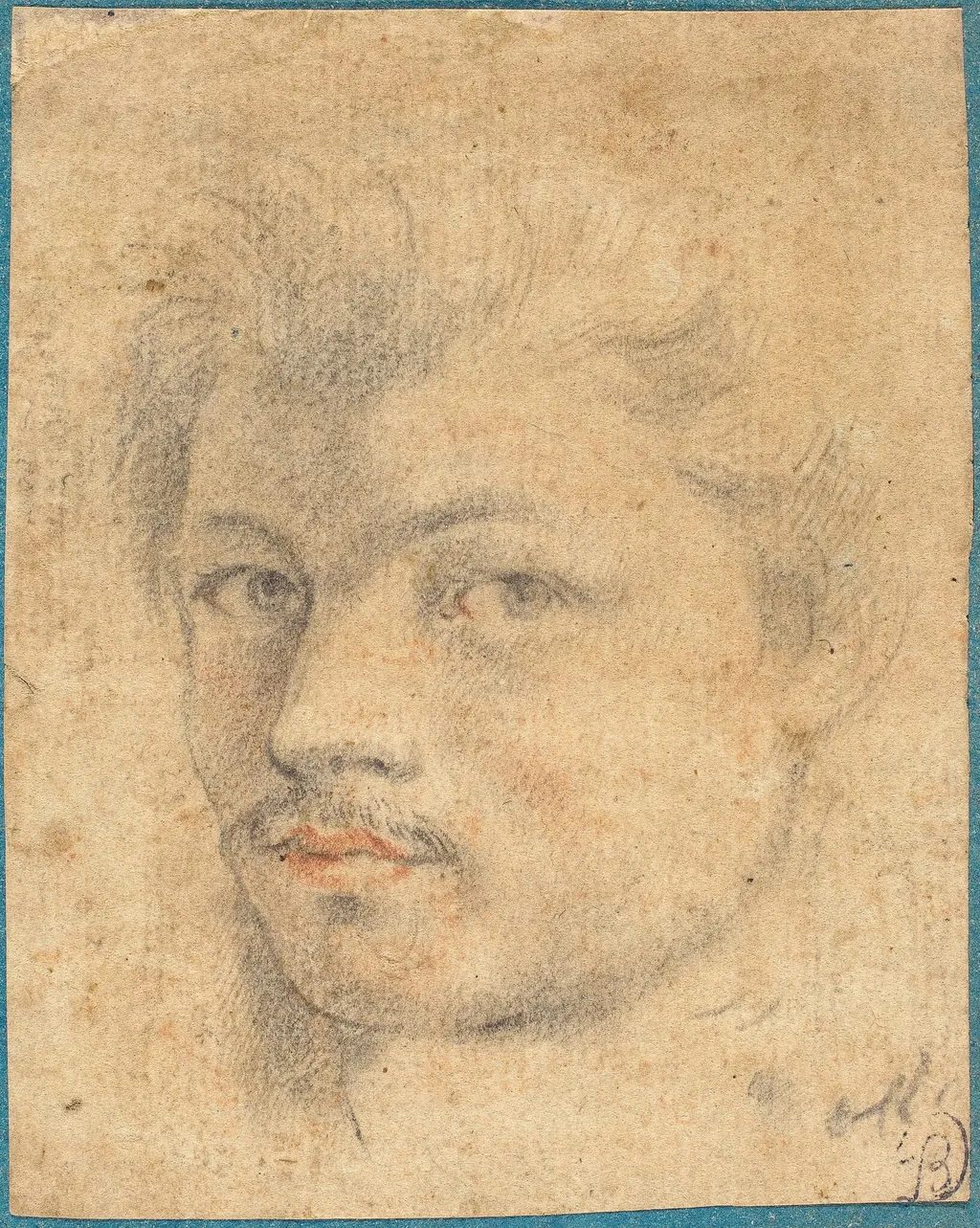
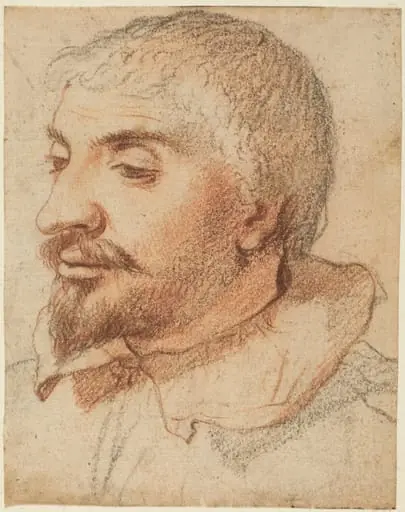
Head of a Man is a chalk drawing by the Renaissance artist French 16th/17th Century. It dates from 1580 and is held in the collection of the National Gallery of Art.
About this work
You can learn more about this style at the National Gallery of Art, Washington, which holds this piece, or by exploring the movement: Renaissance.
The painting is called Head of a Man.
It's from the French 16th/17th Century.
The artist used black and red chalk on laid paper to create this portrait.
The work is part of the Renaissance movement, which was a time of great change in art.
This movement influenced many artists to create more realistic and detailed works.
You can learn more about this style at the National Gallery of Art, Washington, which holds this piece, or by exploring the movement: Renaissance.
Overview
Head of a Man is a 16th- or 17th-century French drawing executed in black and red chalk on laid paper.
Technique & Style
The work exemplifies the Renaissance style, characterized by a focus on realism and detail. The artist's use of black and red chalk on laid paper showcases the techniques of the period.
History & Provenance
The drawing is now held at the National Gallery of Art, Washington, where it can be studied alongside other examples of Renaissance art.
Artist & collection

Artist
This artist drew in black and red chalk on old paper during France’s late 1500s. Their only surviving piece here is Head of a Man, a sharply lit face made with stony lines. Look at the way the red chalk catches the…

![Head of a Man [recto], by Théodore Géricault](https://artifactworldgallery.com/img/theodore-gericault--head-of-a-man-recto--d6e68ba78da40efa-w320.webp)