Artwork
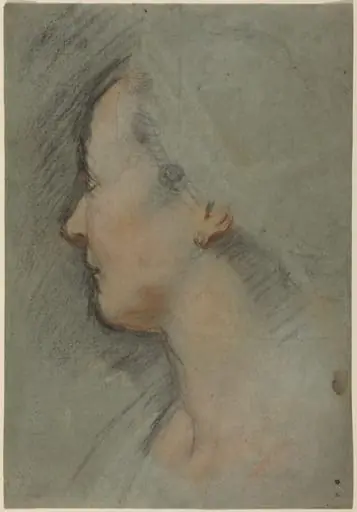
Head of a Young Man
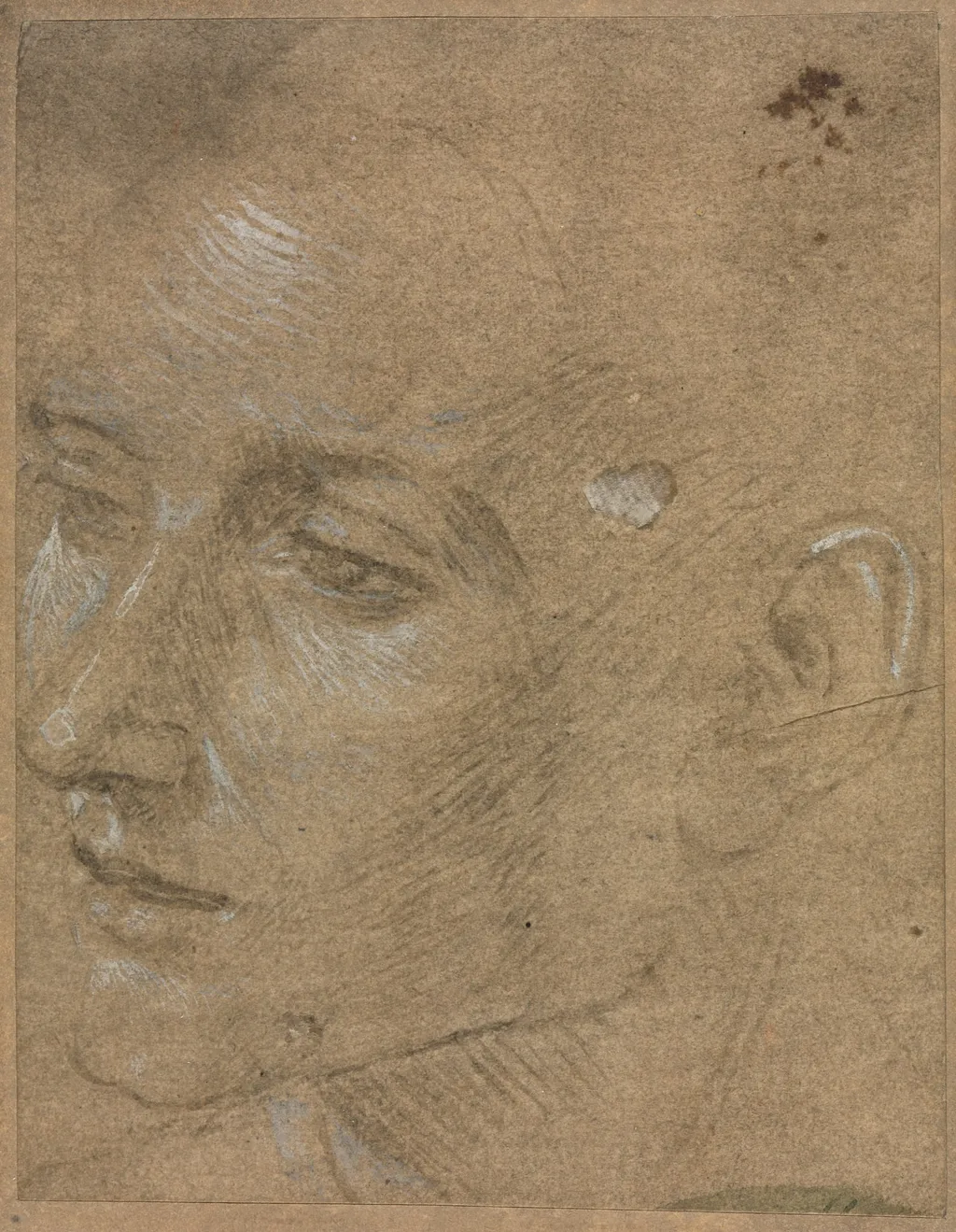
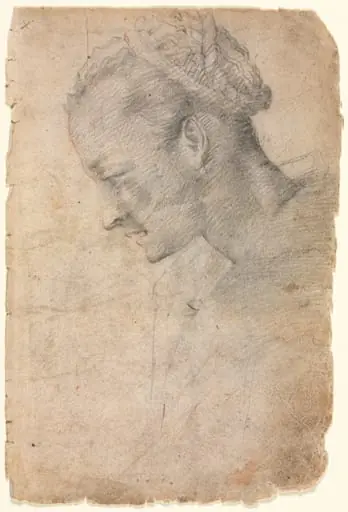
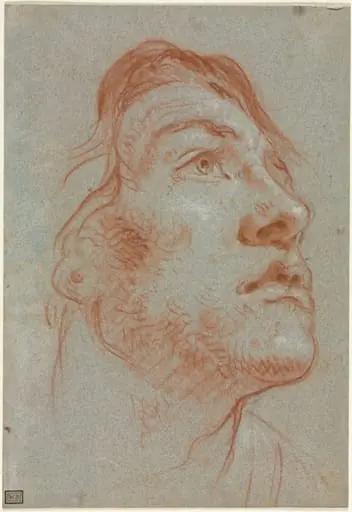
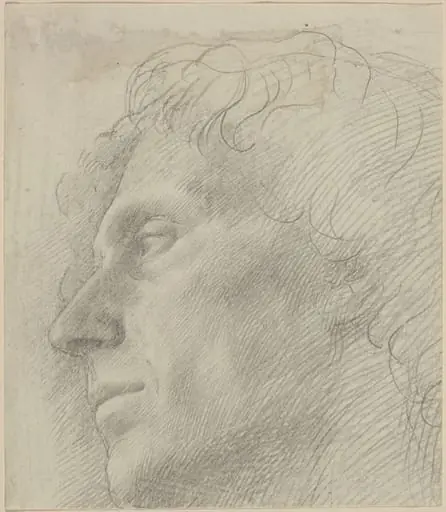
Head of a Young Man is a drawing by the Renaissance artist Filippino Lippi. It dates from 1404 and is held in the collection of the Cleveland Museum of Art.
About this work
Overview
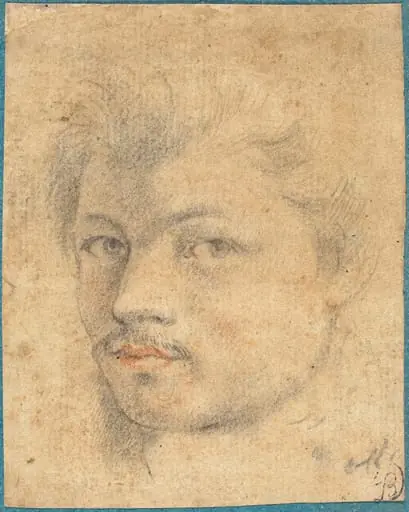
Created around 1404 by Filippino Lippi, *Head of a Young Man* is a drawing that stands out in the artist's predominantly religious oeuvre. It portrays a youthful subject in a close-up, shoulder-up composition, emphasizing the face.
Subject & Meaning
The subject, a young man, is rendered with attention to psychological depth, though the drawing does not convey a specific narrative or identity beyond capturing a likeness. The focus is on the individual's character and appearance.
Technique & Style
Executed in a range of grays and browns, the drawing showcases Filippino Lippi's refined draftsmanship. Notably, the textured, soft, and curly hair adds a lifelike quality, highlighting the artist's skill in suggesting volume and depth.
History & Provenance
Trained in his father Filippo Lippi's workshop, Filippino Lippi primarily worked in oils, tempera, and fresco. This drawing, an exception in medium, predates his later, more renowned Florentine works but already exhibits the psychological insight characteristic of his mature style.
Context
*Head of a Young Man* reflects the artistic values of the late Early Renaissance to early High Renaissance transition in Florence, where detailed, psychologically nuanced portraiture was gaining prominence.
Legacy
While not a religious work, the drawing demonstrates Filippino Lippi's early mastery of portraiture techniques that would influence his later, more celebrated religious and secular paintings in Florence.
Artist & collection
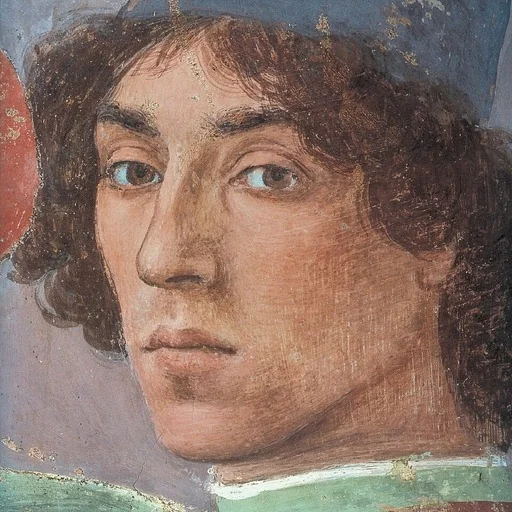
Artist
Filippino Lippi (probably 1457 – 18 April 1504) was an Italian Renaissance painter mostly working in Florence, Italy during the later years of the Early Renaissance and first few years of the High Renaissance.

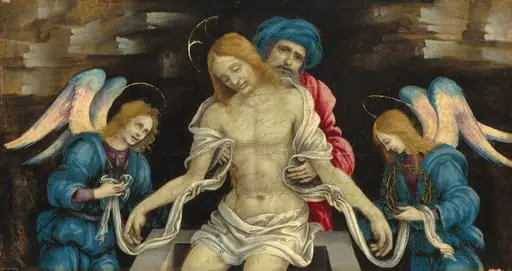 Pietà (The Dead Christ Mourned by Nicodemus and Two Angels)
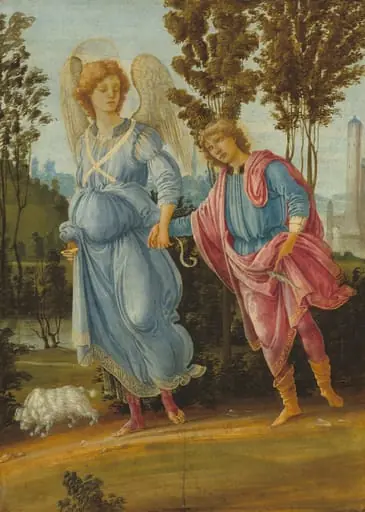 Tobias and the Angel
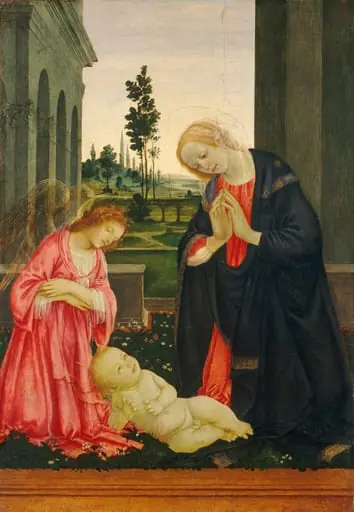 The Adoration of the Child
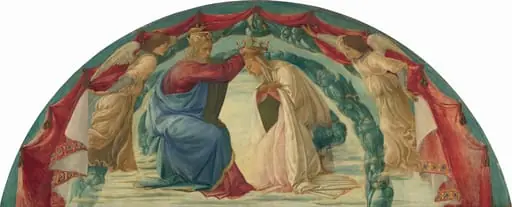 The Coronation of the Virgin
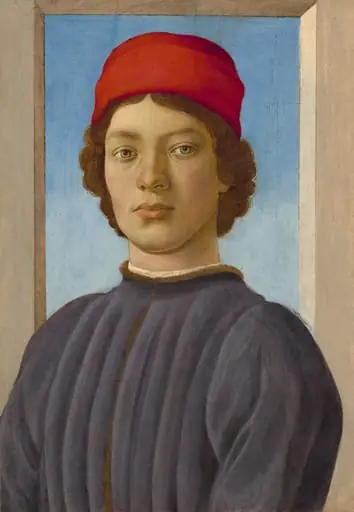 Portrait of a Youth
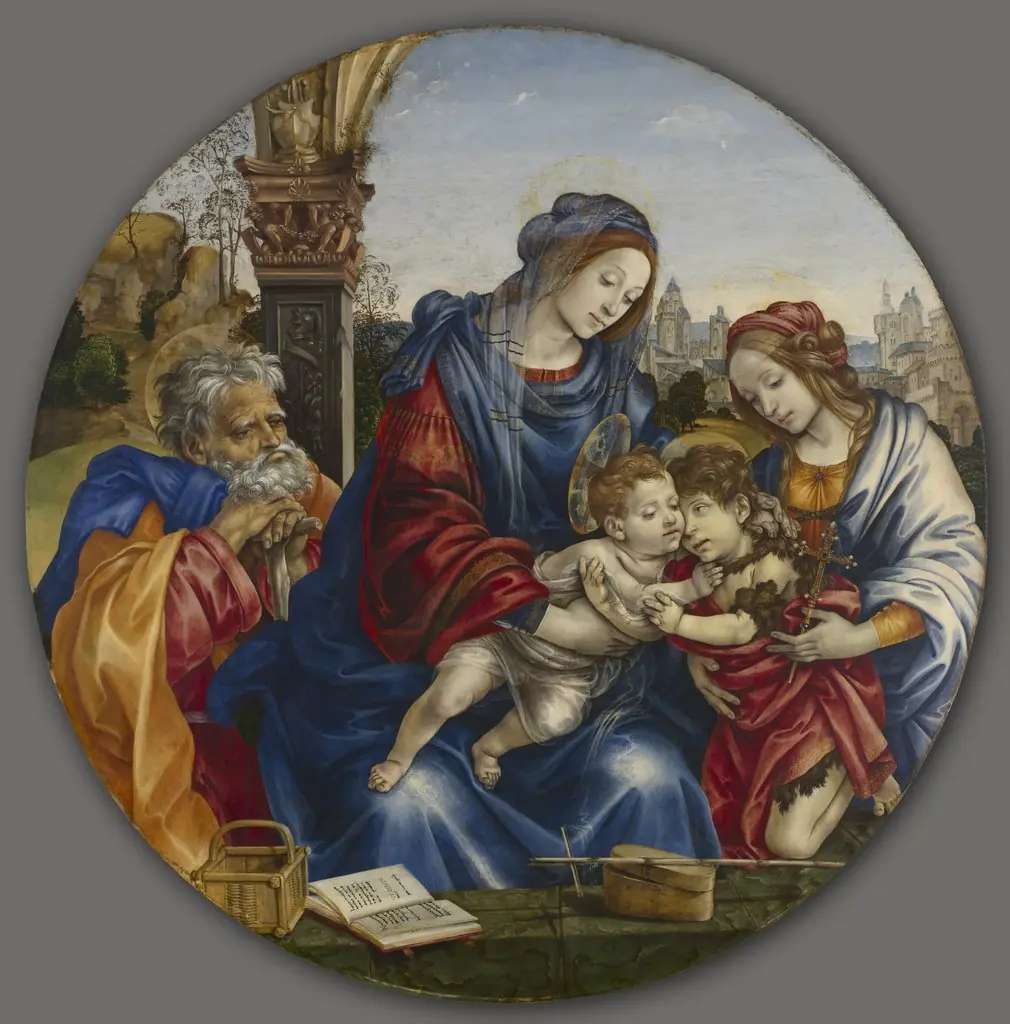 The Holy Family with Saint John the Baptist and Saint Margaret
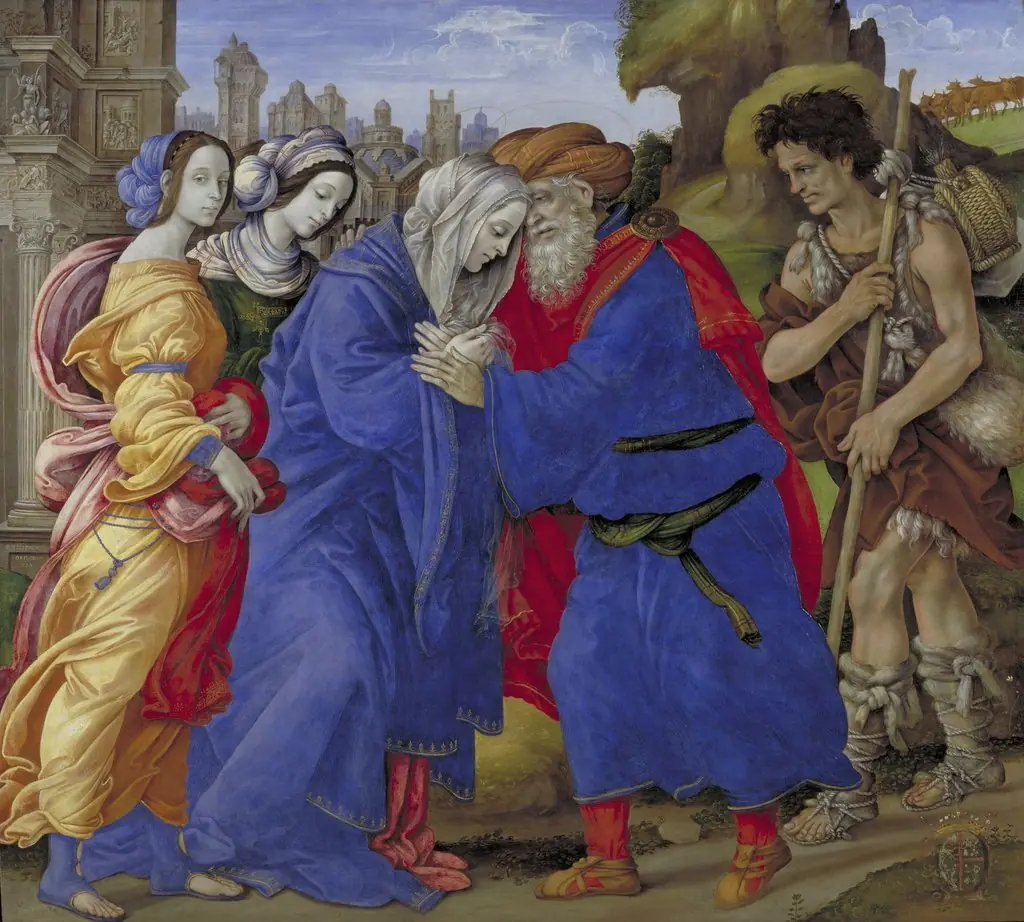 The Meeting of Joachim and Anne outside the Golden Gate of Jerusalem
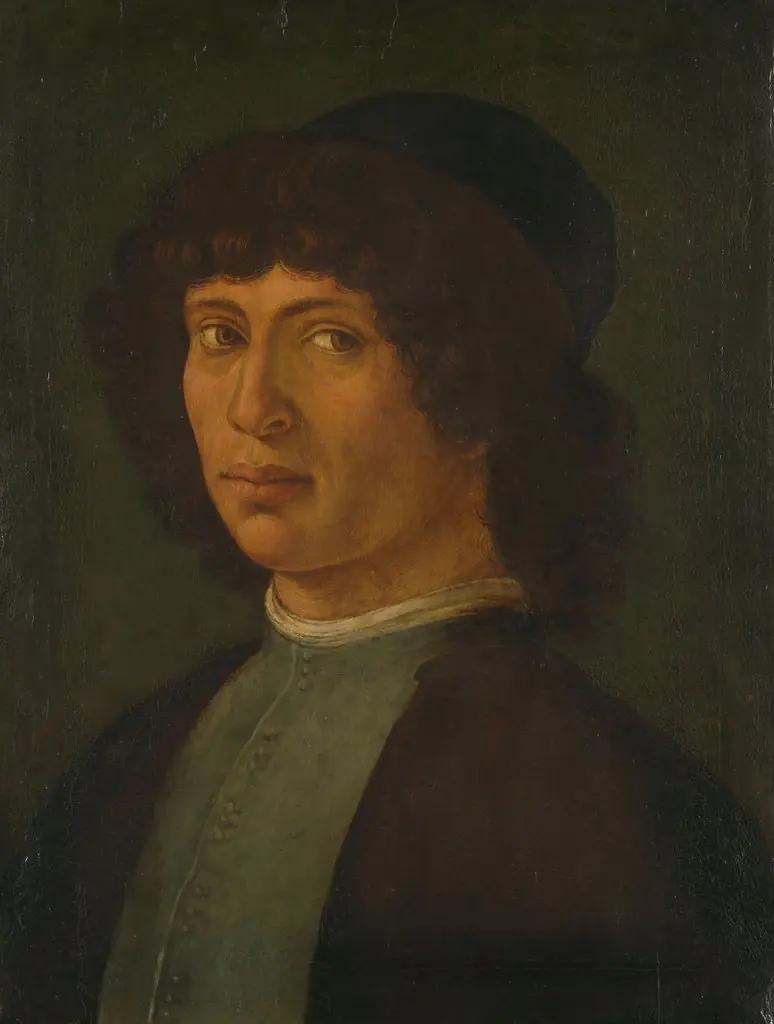 Portrait of a young man