Artwork
Nicolas-Claude Fabri de Peiresc
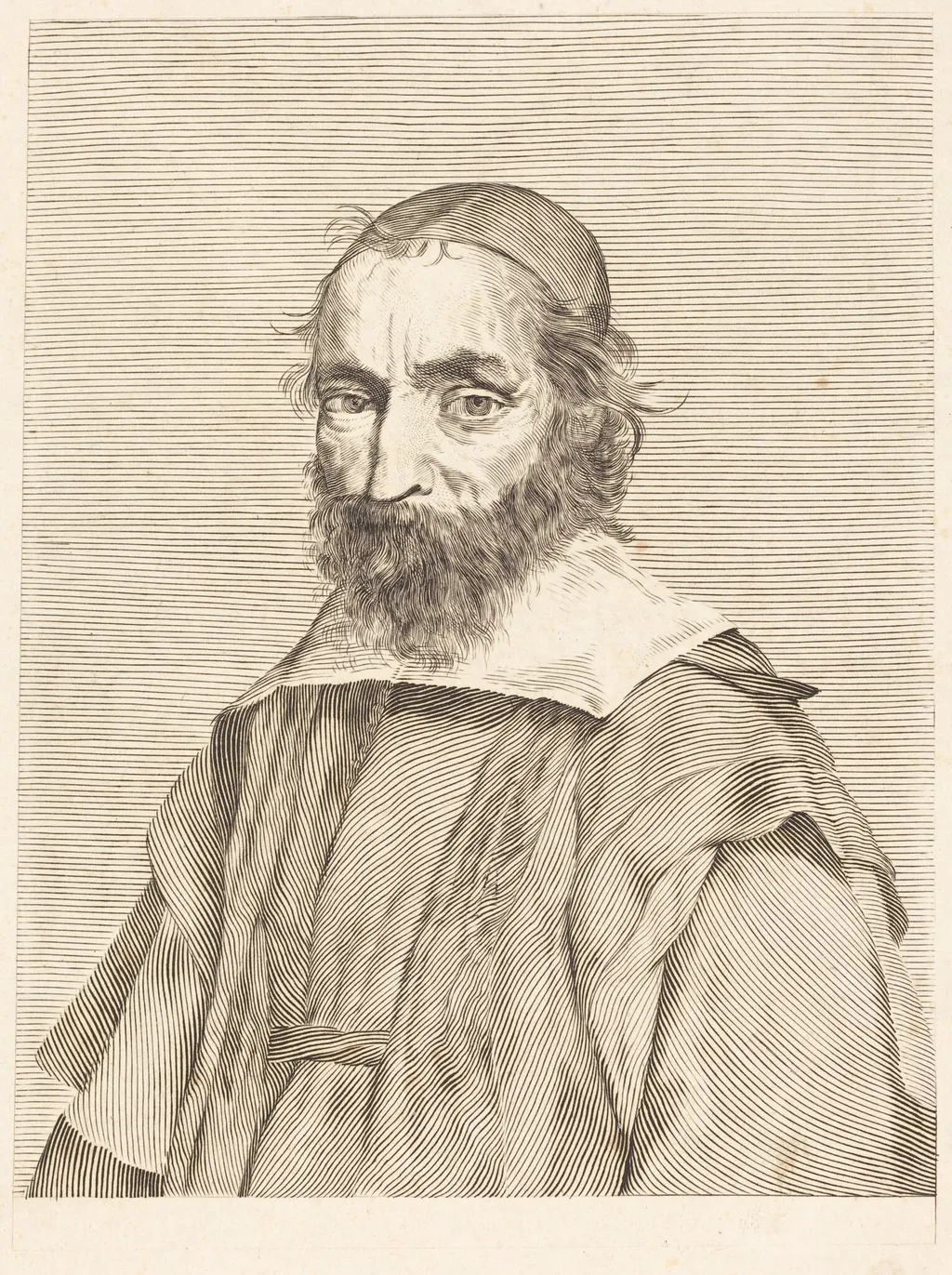
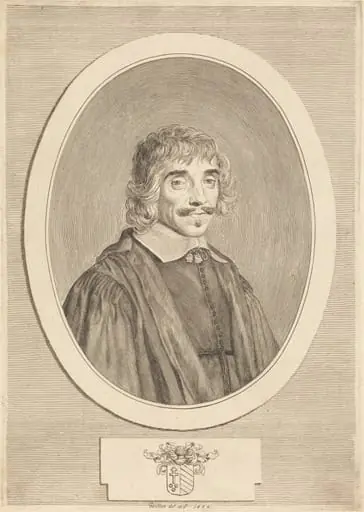
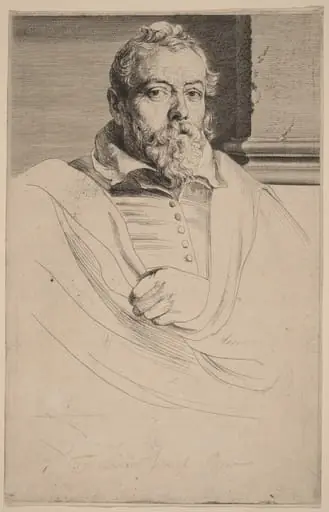
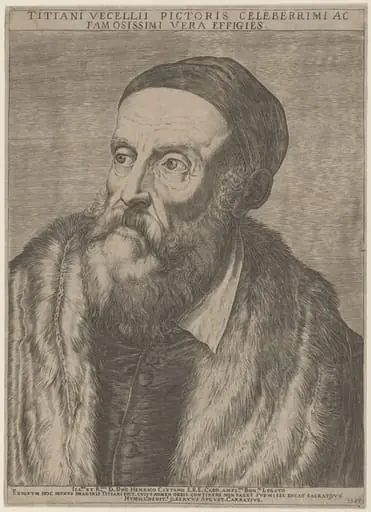
Nicolas-Claude Fabri de Peiresc is an ink print by the Baroque artist French 17th Century. It dates from 1637 and is held in the collection of the National Gallery of Art. The work is an engraved portrait on laid paper, presenting a bearded male figure with curly hair and a high ruffled collar.
About this work
Overview
The work is an engraved portrait on laid paper, presenting a bearded male figure with curly hair and a high ruffled collar. Rendered in black and white, the image relies on fine cross‑hatching to model the face, giving depth especially around the eyes and beard.
Subject & Meaning
The sitter appears to be a distinguished gentleman, suggested by his elaborate collar and careful grooming. The portrait’s focus on facial features and attire reflects a conventional approach to individual representation in early modern print culture.
Technique & Style
Executed by engraving, the artist incised lines into a metal plate, which were then inked and pressed onto laid paper. The dense network of intersecting lines—cross‑hatching—creates tonal variation, while the crisp outlines define form, characteristic of early 17th‑century printmaking.
History & Provenance
The piece is identified as a print titled "Nicolas‑Claude Fabri de Peiresc," indicating it was likely produced to commemorate the noted French scholar. No further ownership details are provided in the source material.
Context
Portrait engravings of scholars and patrons were common in the period, serving both documentary and decorative purposes. The use of a high ruffled collar aligns with contemporary fashion, situating the work within the visual language of its time.
Artist & collection

Artist
Seventeenth-century French printmakers turned ink into story. Their tools were burin and acid, paper their stage. Look at the Beggar Woman with Rosary (1622), etched on laid paper, her hands folded around faith, or The…