Artwork
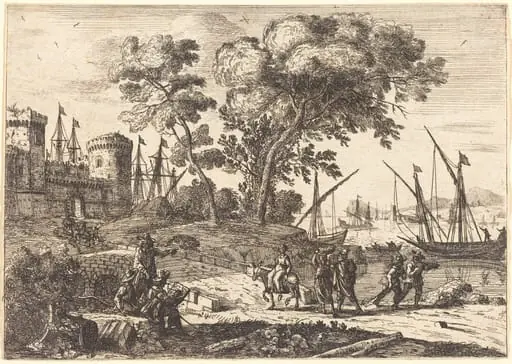
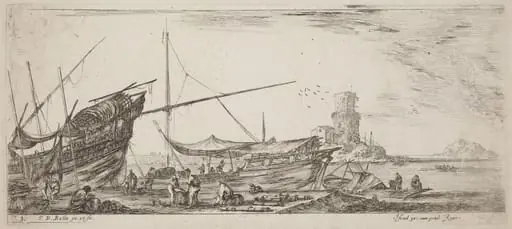
The Small Port
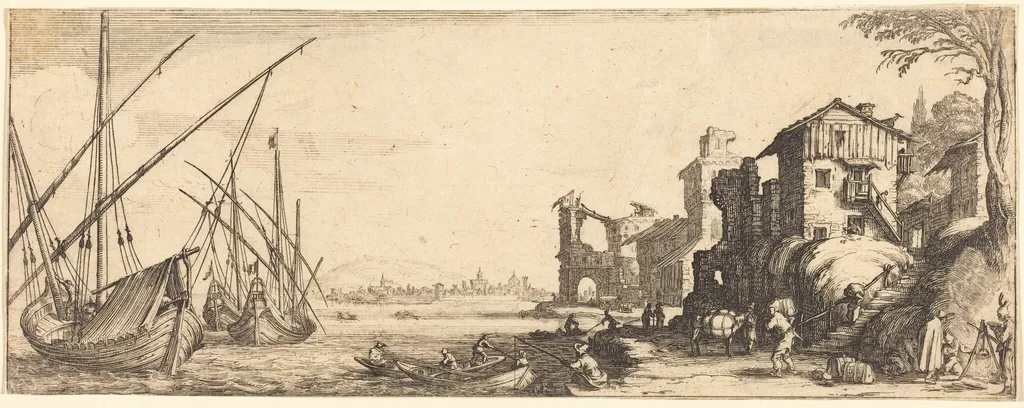
The Small Port is an ink print by the Baroque artist French 17th Century. It dates from 1634 and is held in the collection of the National Gallery of Art.
About this work
Overview
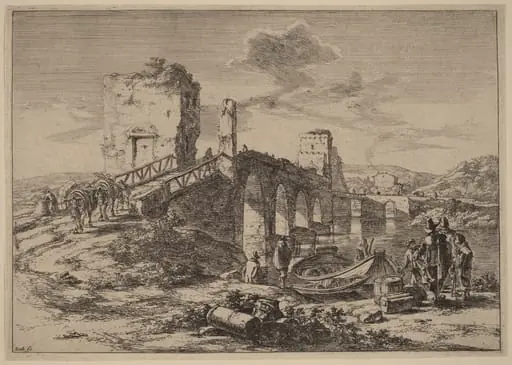
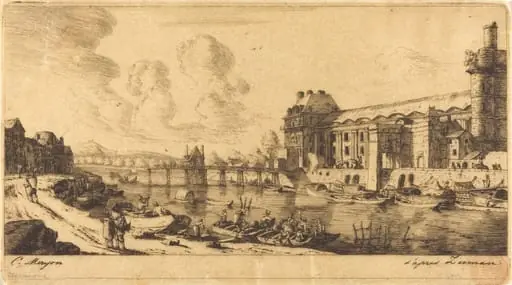
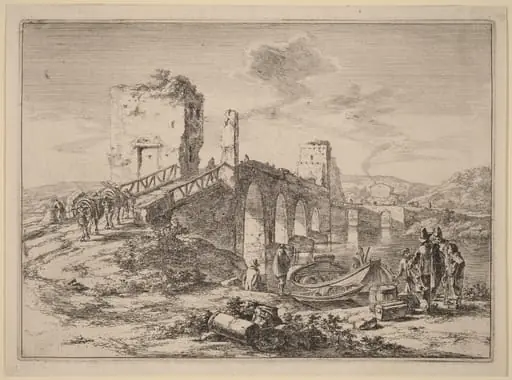
The Small Port is an etching on laid paper depicting a bustling harbor scene. The composition balances activity and decay, with tall ships anchored near a crumbling waterfront, where people unload goods amidst half-ruined buildings and arches, set against a distant city skyline with additional ships and a passenger boat.
Subject & Meaning
The subject is a contrast between vibrant commercial activity and architectural decay. The mix of old ruins and thriving trade conveys a sense of a location both worn by time and energized by ongoing human endeavor.
Technique & Style
Executed in etching, the work features fine lines meticulously rendering details such as ropes, waves, and clothing textures, characteristic of the etching process which involves carving images into metal plates.
Context
The scene reflects the intersection of maritime commerce and urban deterioration, possibly commenting on the cyclical nature of prosperity and decline in port cities during the artist's time.
Legacy
While specific legacy details are not provided, the piece exemplifies the etching medium's capacity for detailed, nuanced depictions of everyday life and urban landscapes, contributing to the broader tradition of landscape and genre printing.
Artist & collection

Artist
Seventeenth-century French printmakers turned ink into story. Their tools were burin and acid, paper their stage. Look at the Beggar Woman with Rosary (1622), etched on laid paper, her hands folded around faith, or The…