Artwork
Rape of the Sabine Women
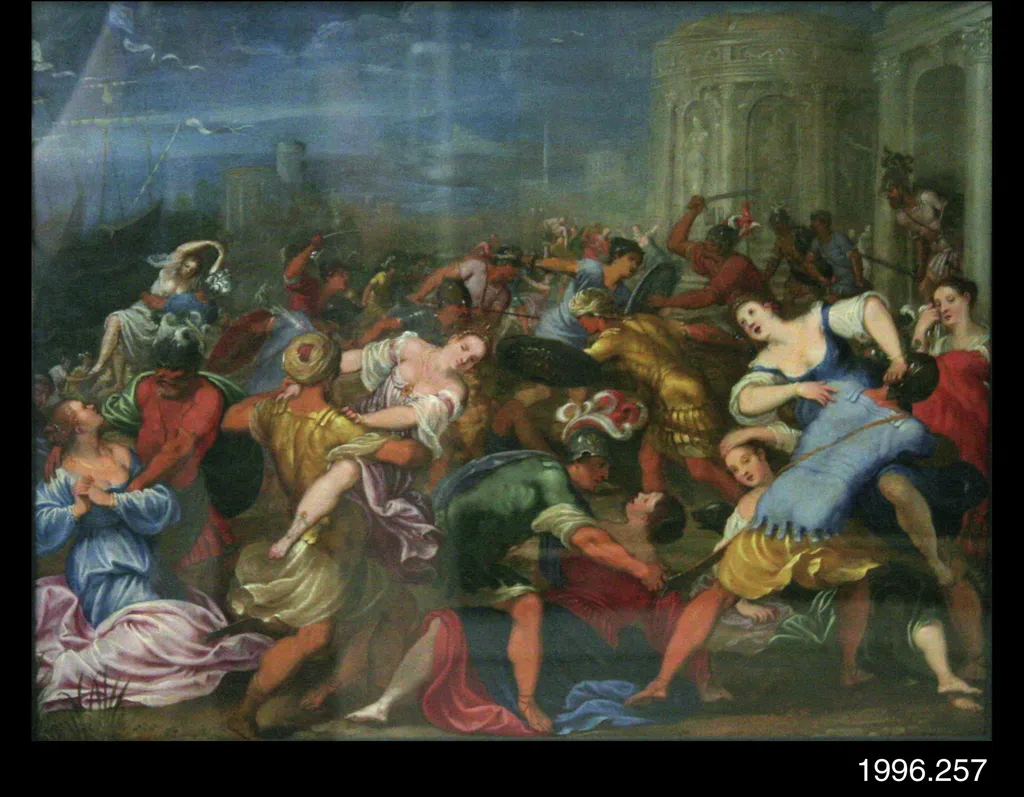
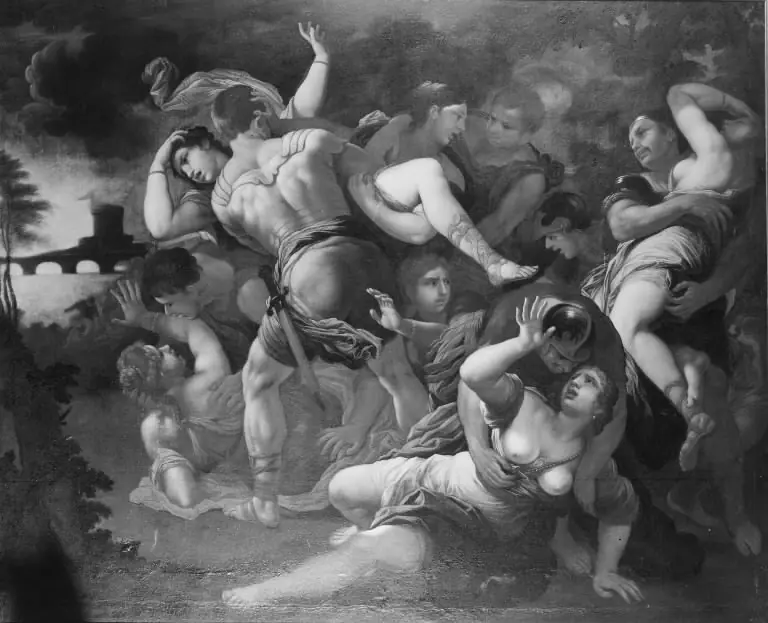
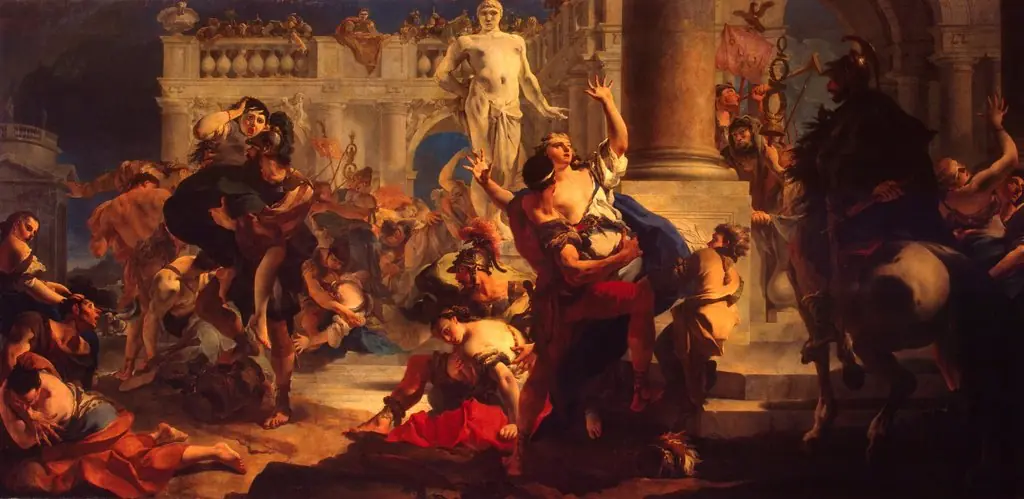
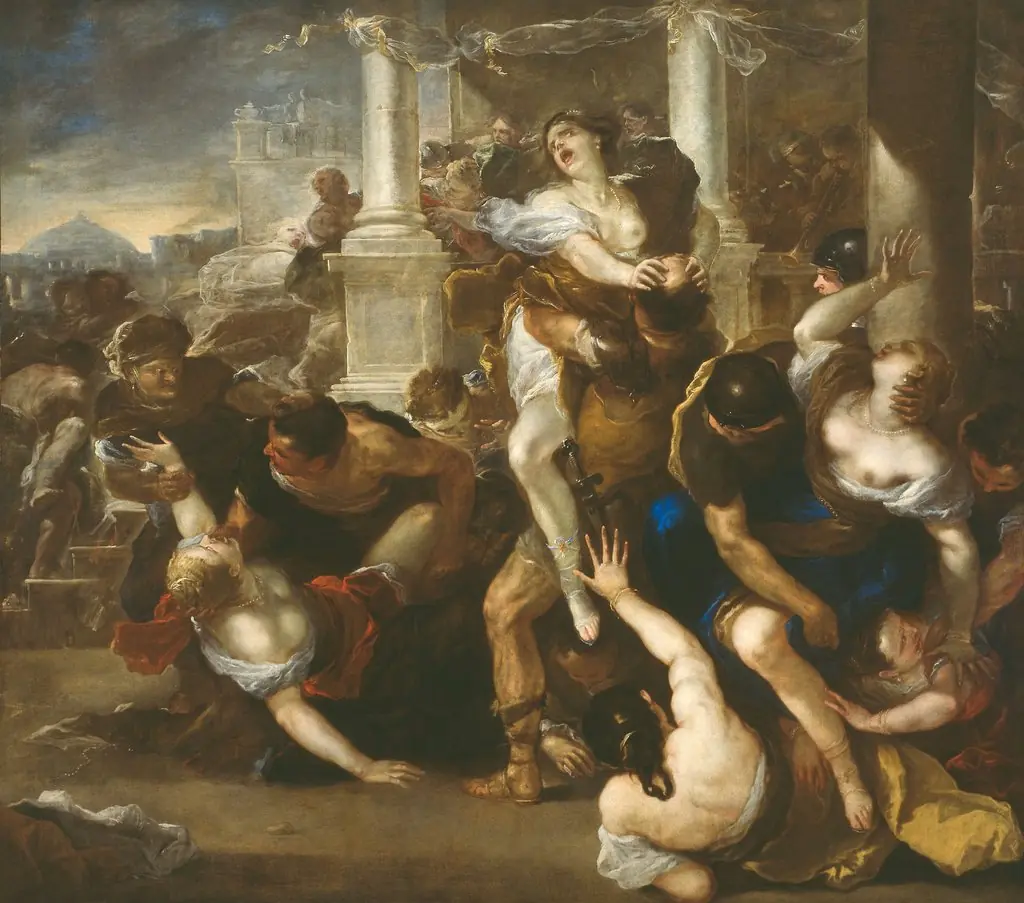
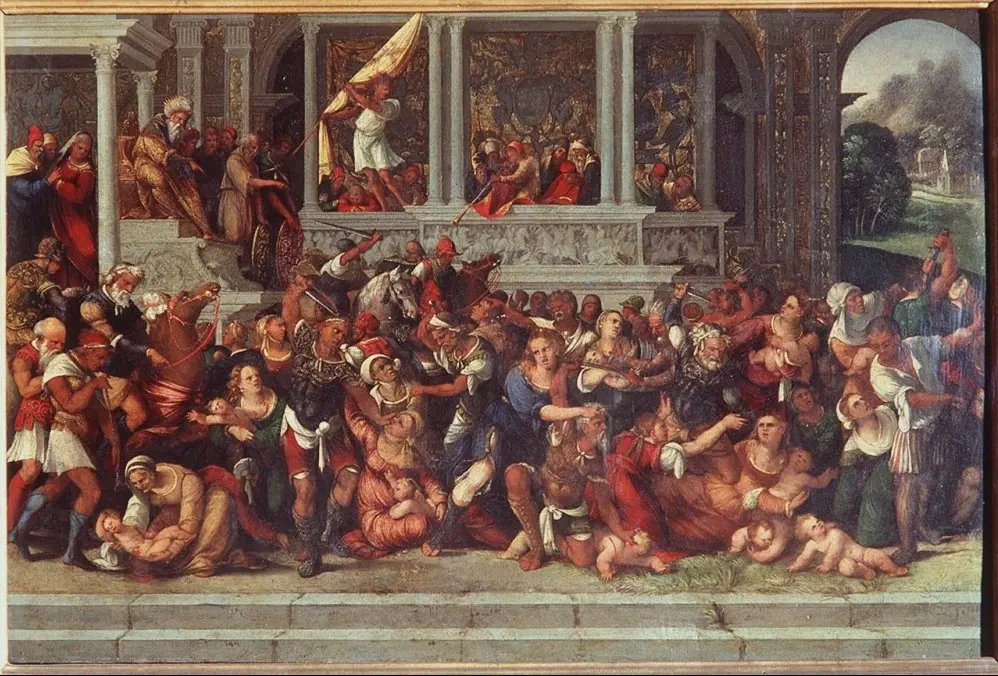
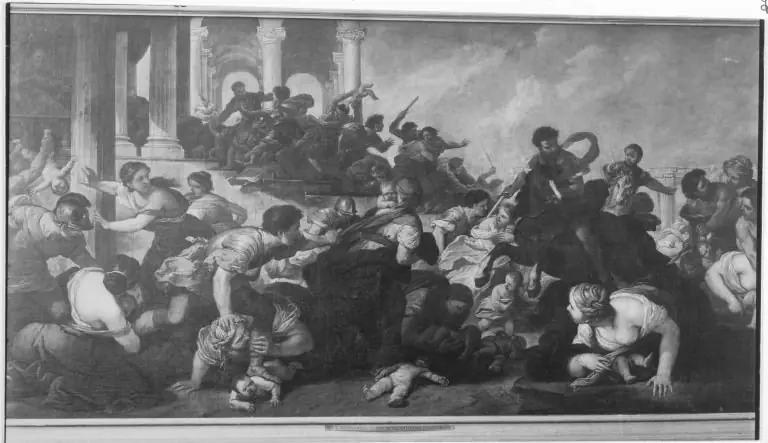
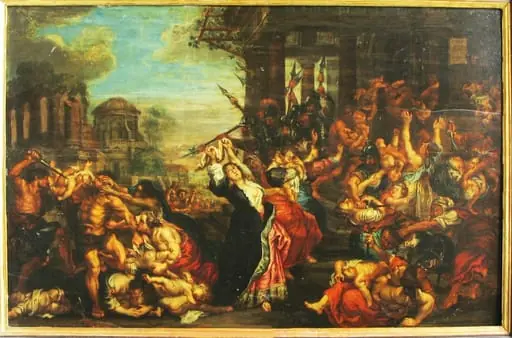
Rape of the Sabine Women is an oil painting by the Early Baroque Italian artist Friedrich Christoph Steinhammer. It dates from 1622 and is held in the collection of the Detroit Institute of Arts.
About this work
Overview
Painted in 1622 by Friedrich Christoph Steinhammer, this oil-on-canvas work depicts the legendary abduction of Sabine women by Roman men.
Painted in 1622 by Friedrich Christoph Steinhammer, this oil-on-canvas work depicts the legendary abduction of Sabine women by Roman men. The scene is rendered with a restrained palette of blues, greens, and reds, emphasizing emotional gravity over spectacle. Held since the early 20th century by the Detroit Institute of Arts, the painting reflects early 17th-century Germanic interpretations of classical myth, grounded in narrative clarity rather than theatrical flourish.
Subject & Meaning
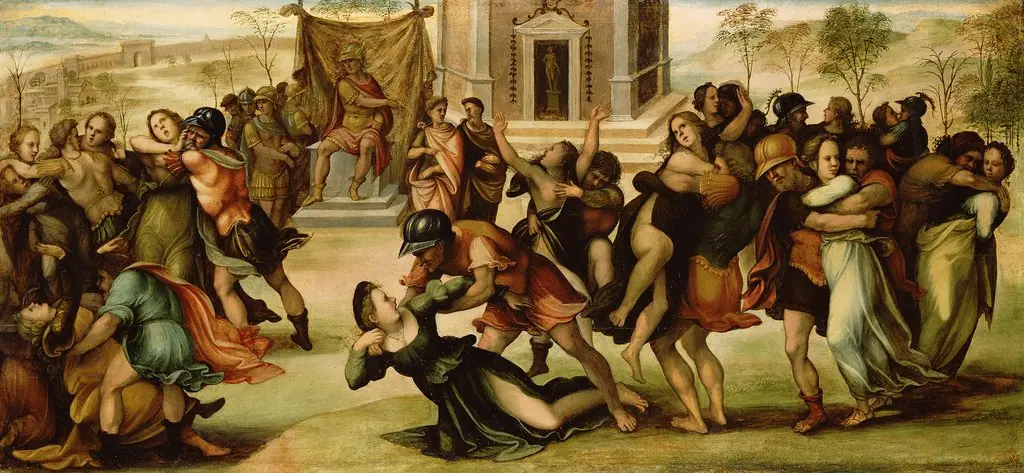
The painting illustrates the foundational Roman myth in which men of Rome, lacking wives, seized women from the neighboring Sabine tribe. Steinhammer captures the moment of violent disruption: one woman is restrained by a man in green, another dragged away by a figure in red. The chaos is not glorified but presented as a moment of social rupture, hinting at the tension between force and the eventual reconciliation that followed in legend.
Technique & Style
Steinhammer employs chiaroscuro to model forms and heighten emotional intensity, with light falling sharply on central figures against dimmer surroundings. The figures are arranged in a shallow stage-like space, their poses conveying struggle and resistance. Brushwork is controlled, avoiding overt drama; the muted tones and structured composition reflect a Northern European preference for restrained storytelling over Italianate dynamism.
History & Provenance
The painting entered the Detroit Institute of Arts’ collection in the 1920s, likely acquired through European dealers active in the early 20th century. Its provenance prior to that remains undocumented, though its style aligns with German-speaking artists working in the decades after the Thirty Years’ War. It was not widely exhibited before its inclusion in the museum’s permanent collection.
Context
Created during the Thirty Years’ War, the painting’s theme of communal violence and forced integration may have resonated with contemporary audiences familiar with displacement and conflict. While Italian artists of the period often dramatized the Sabine story with movement and color, Steinhammer’s version reflects a more sober, Northern European sensibility—focused on moral ambiguity and human suffering amid political upheaval.
Legacy
Steinhammer’s treatment of the Sabine myth stands apart from more famous renditions by artists like Poussin or Giambologna. Its quiet intensity and restrained palette offer a counterpoint to the Baroque norm, preserving a lesser-known regional approach to classical subject matter. Today, it serves as a document of how Northern European artists engaged with Roman history through a lens of somber realism.
Own this work as a print
Artist & collection
Artist
Friedrich Christoph Steinhammer
Always in a hurry, Steinhammer painted on the sly between chores—his studio was the corner table at an Augsburg tavern where the light hit just right.