Artwork
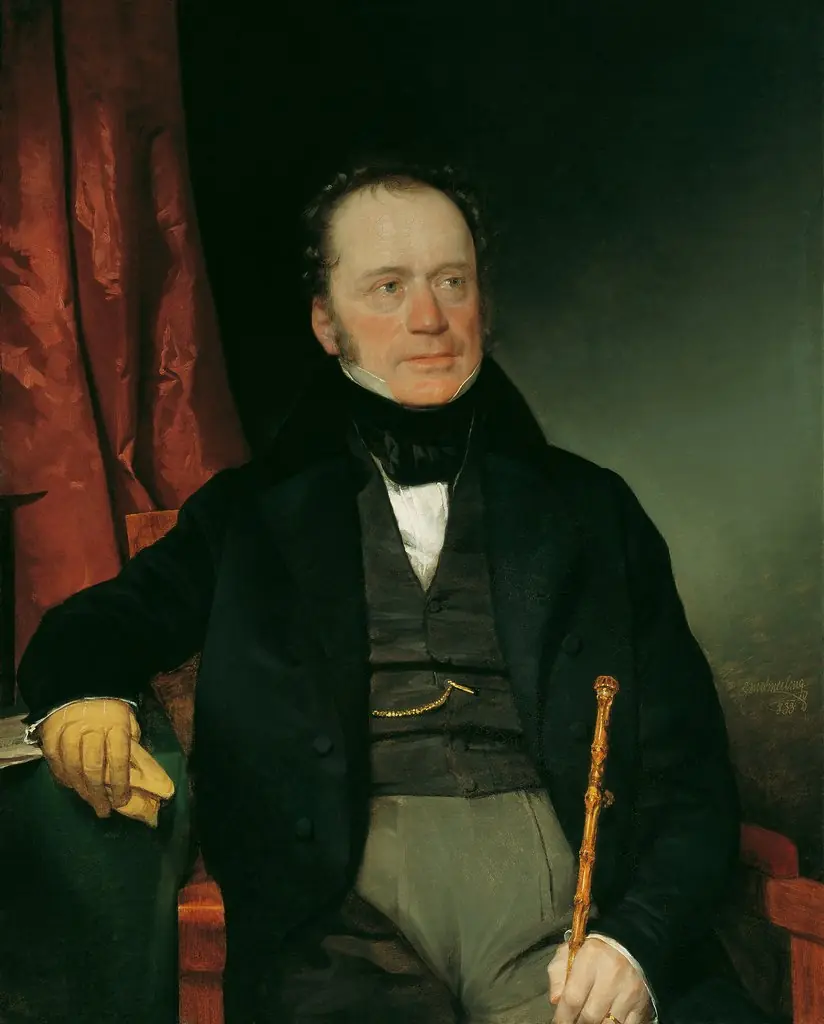
Flamand Mayor (Baron Pfuel?)
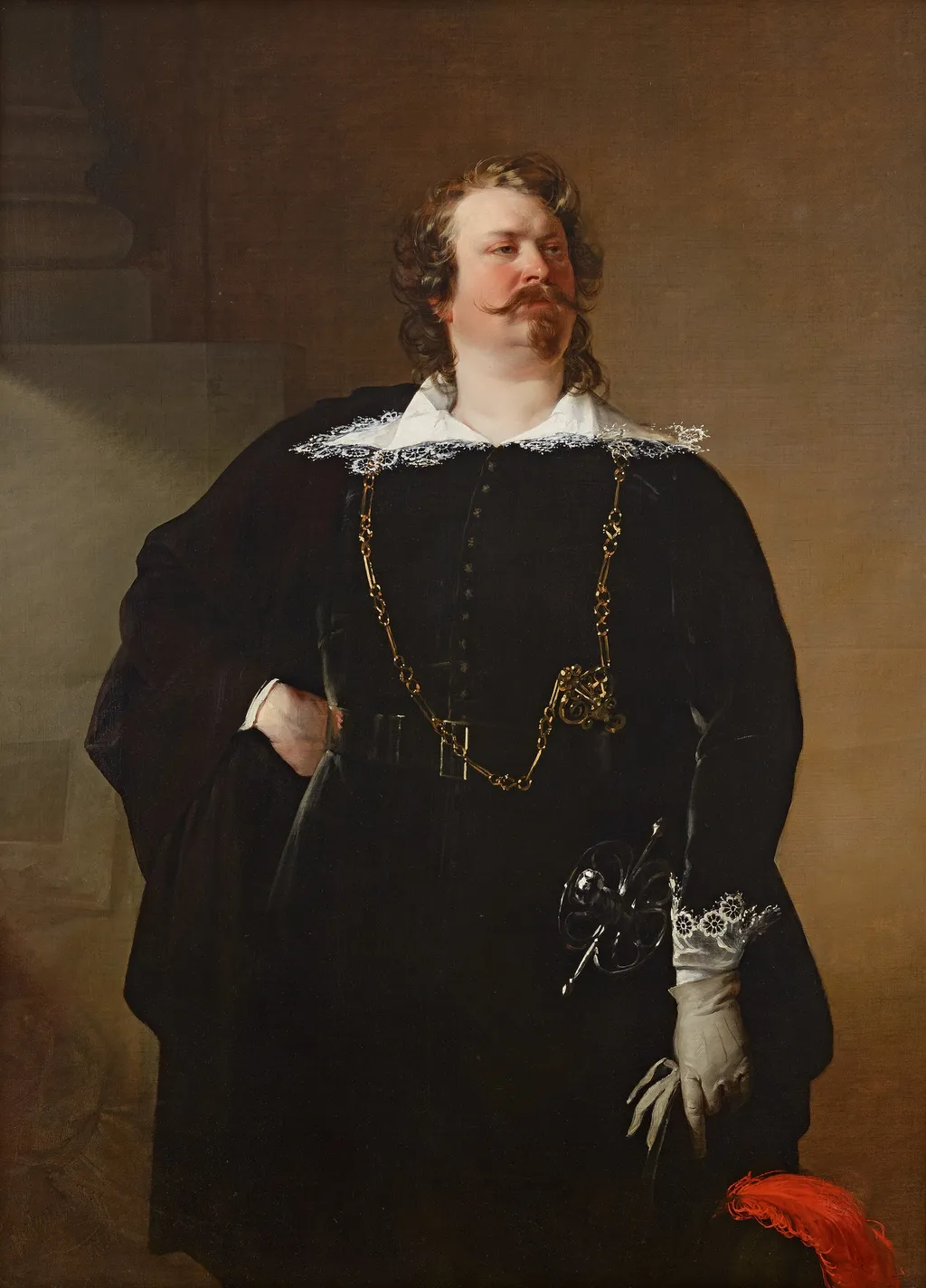
Flamand Mayor (Baron Pfuel?) is an oil painting by the Biedermeier artist Friedrich von Amerling. It dates from 1836 and is held in the collection of the Kunsthistorisches Museum.
About this work
Overview
Friedrich von Amerling painted the portrait known as *Flamand Mayor (Baron Pfuel?)* in 1836. Executed in oil, the work exemplifies the Biedermeier aesthetic that favored precise, realistic renderings of contemporary figures. It is part of the permanent collection of Vienna’s Kunsthistorisches Museum.
Subject & Meaning
The sitter is a formally dressed gentleman, clad in a black coat with a white lace‑collared shirt, a gold chain, and a red feathered hat held in his left hand. His composed pose, with the right hand in a pocket, conveys the dignity and status typical of a civic leader or minor aristocrat of the period.
Technique & Style
Amerling’s handling of oil paint displays meticulous attention to texture and fabric, from the sheen of the gold chain to the intricate lace trim. The subtle modelling of light on the face and clothing reflects the Biedermeier focus on intimate, lifelike portraiture, while the restrained palette underscores the sitter’s solemnity.
History & Provenance
Created early in Amerling’s Viennese career, the portrait entered the Kunsthistorisches Museum’s holdings, where it remains on display. Its attribution to Amerling aligns with his reputation as a leading portraitist for the Austrian court and bourgeois clientele during the mid‑19th century.
Context
The painting belongs to a period when Biedermeier art catered to a rising middle class and minor nobility, emphasizing personal achievement and domestic respectability. Amerling, alongside contemporaries such as Ferdinand Georg Waldmüller, helped define this visual language in Austrian art.
Own this work as a print
Artist & collection
Artist
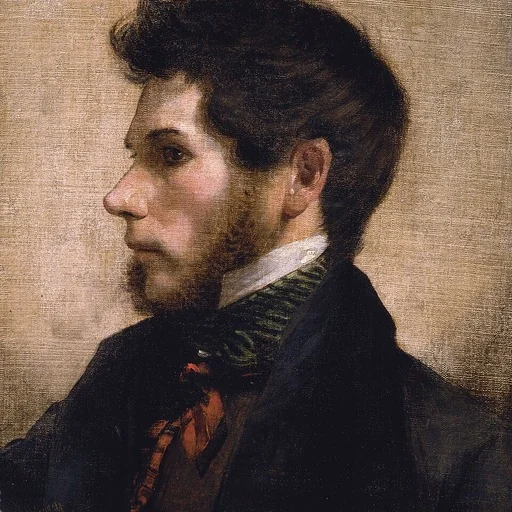
Friedrich Ritter von Amerling (14 April 1803 – 14 January 1887) was an Austrian portrait painter in the court of Franz Josef.

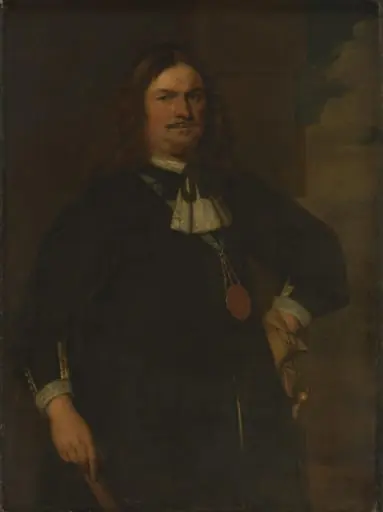 Portrait of Adriaen Banckert (c. 1620-1684), Vice Admiral of Zeeland
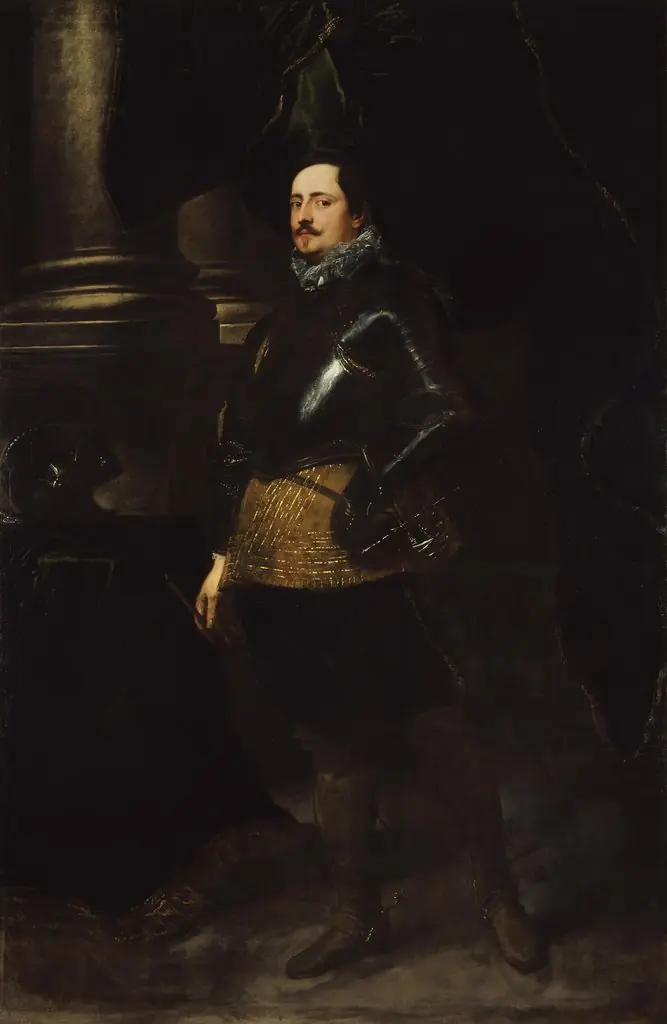 An Italian Noble
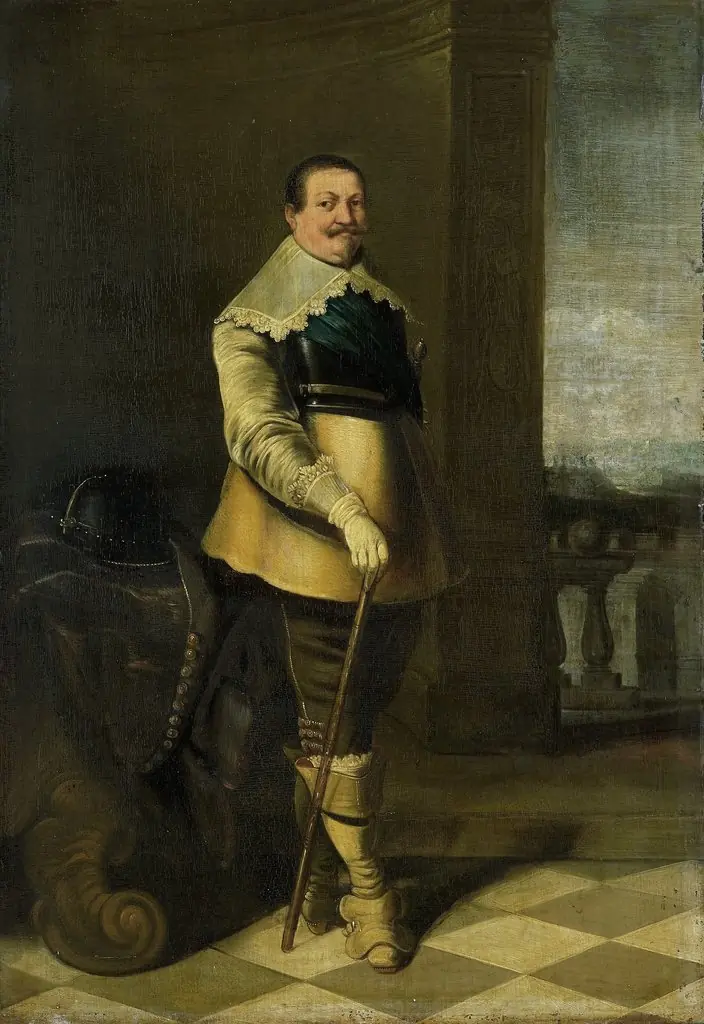 Portrait of Pieter Pietersz Heijn (1577-1629)
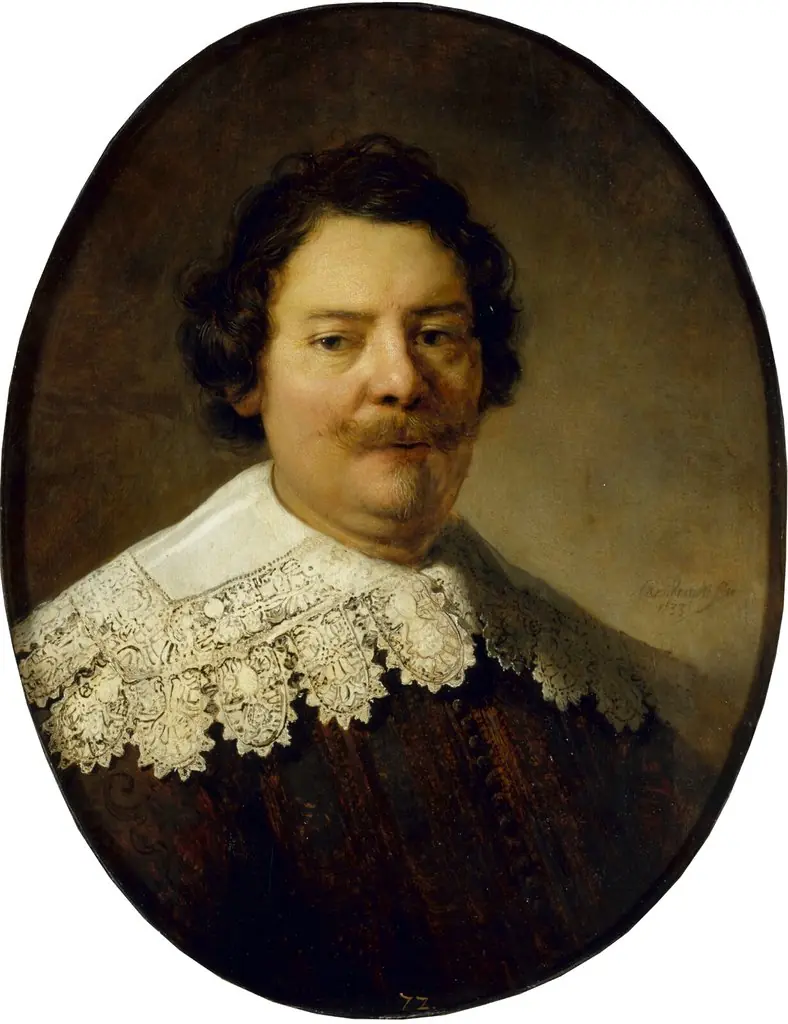 Portrait of Willem Burggraeff, husband of Maertgen van Bilderbeecq
 Christian IV
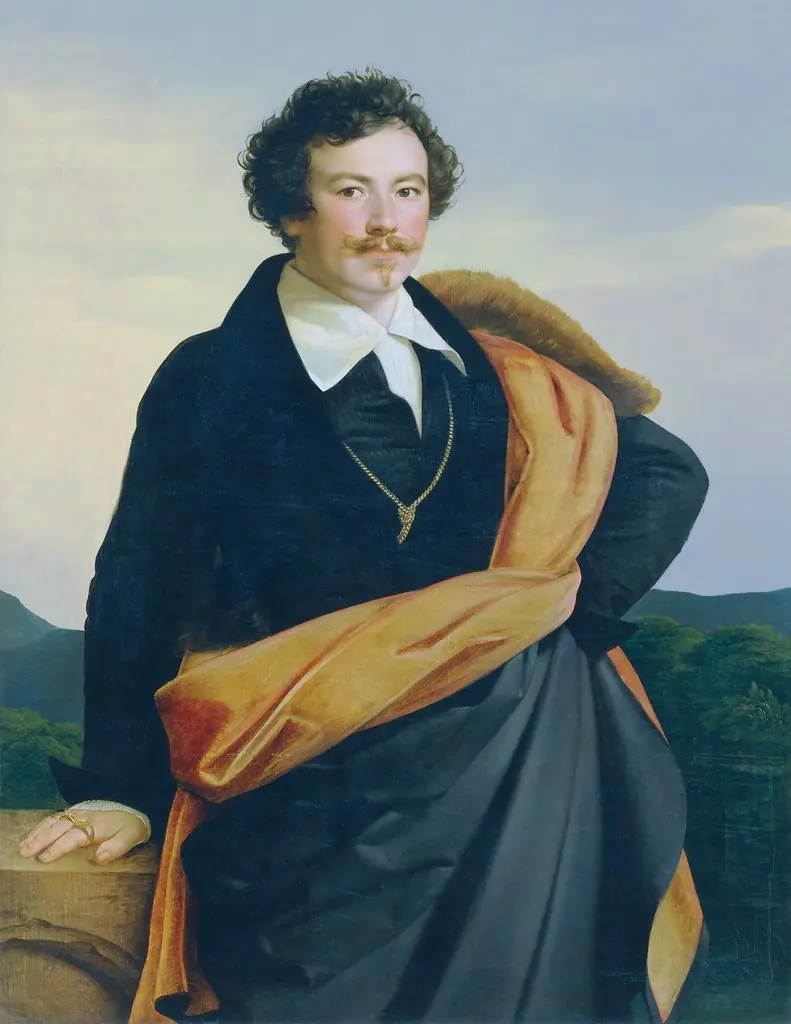 Selbstbildnis
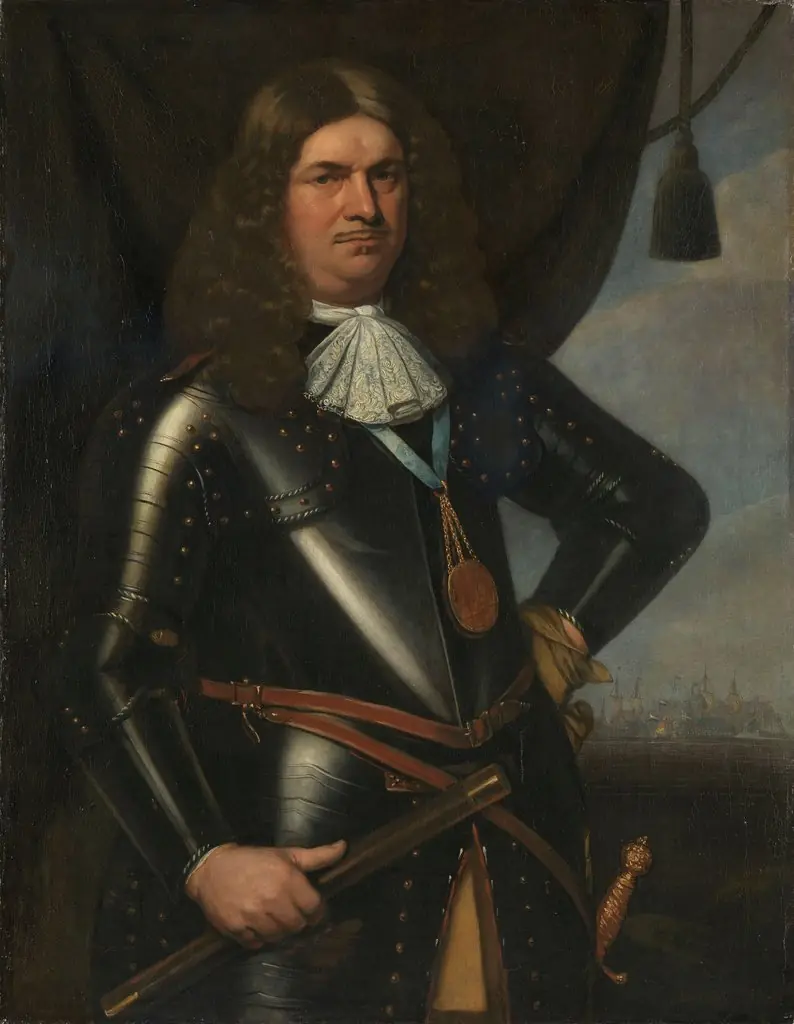 Adriaen Banckert (c 1620-1684), Vice Admiral of Zeeland
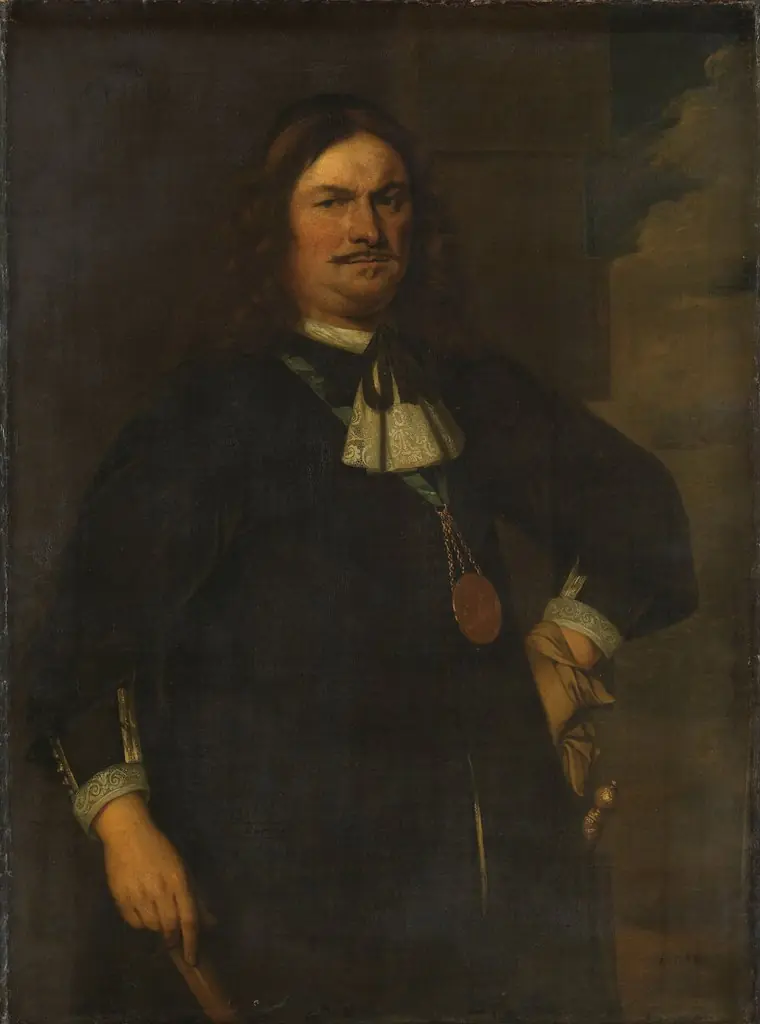 Adriaen Banckert, Vice Admiral of Zeeland
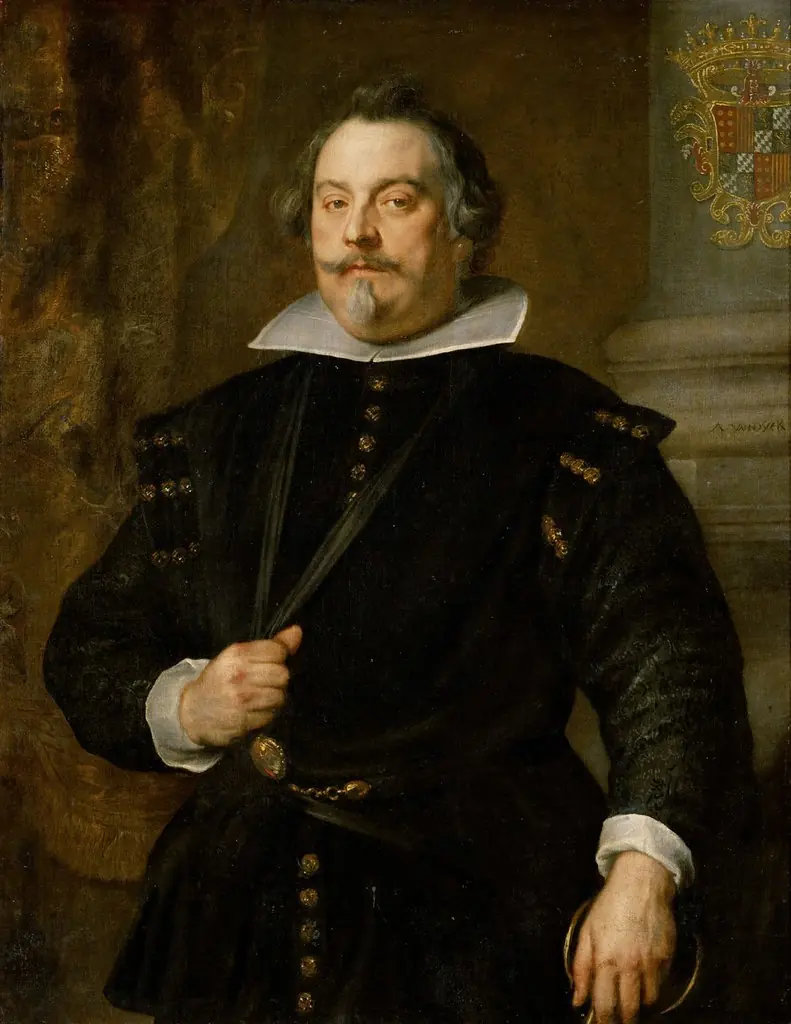 Portrait of Francisco de Moncada, Marqués de Aytona
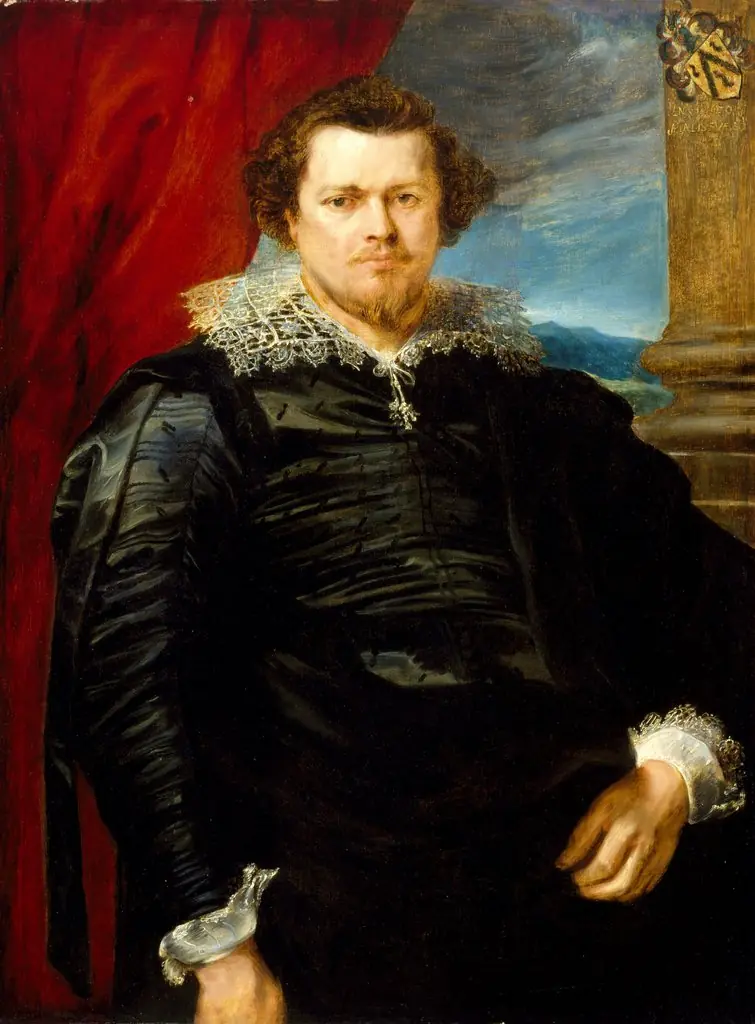 Portrait of Jaspar de Charles van Nieuwenhoven
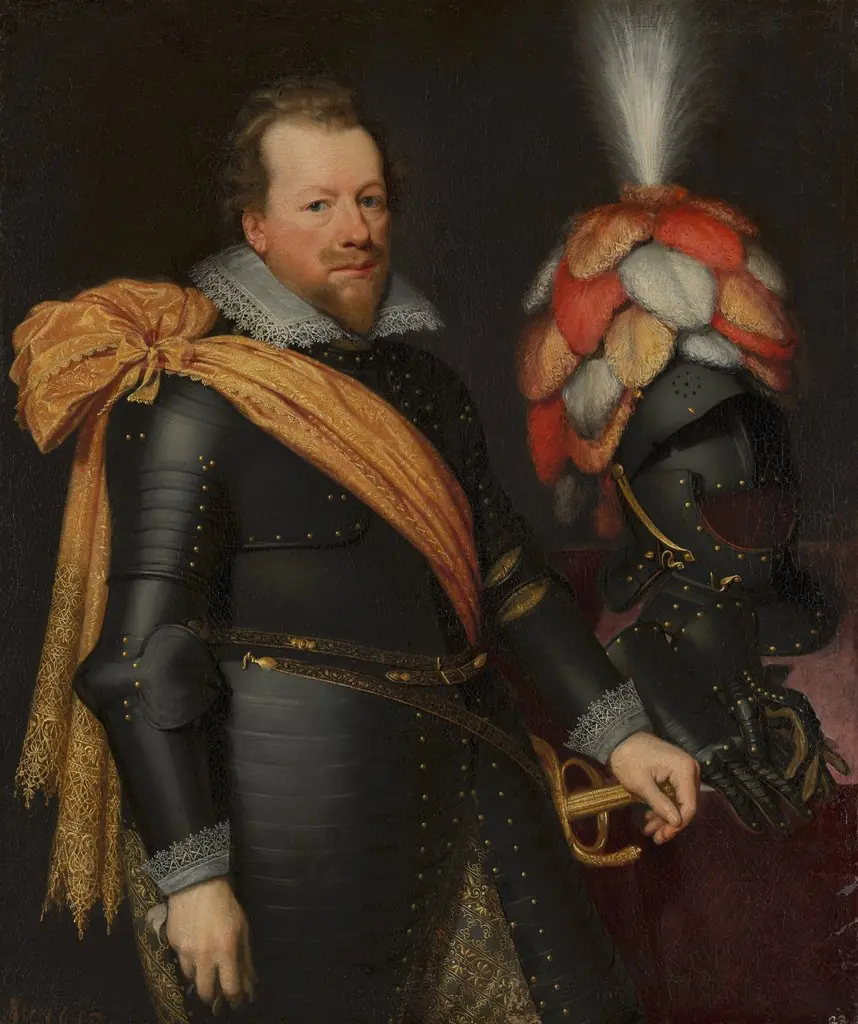 Portret van een onbekende officier
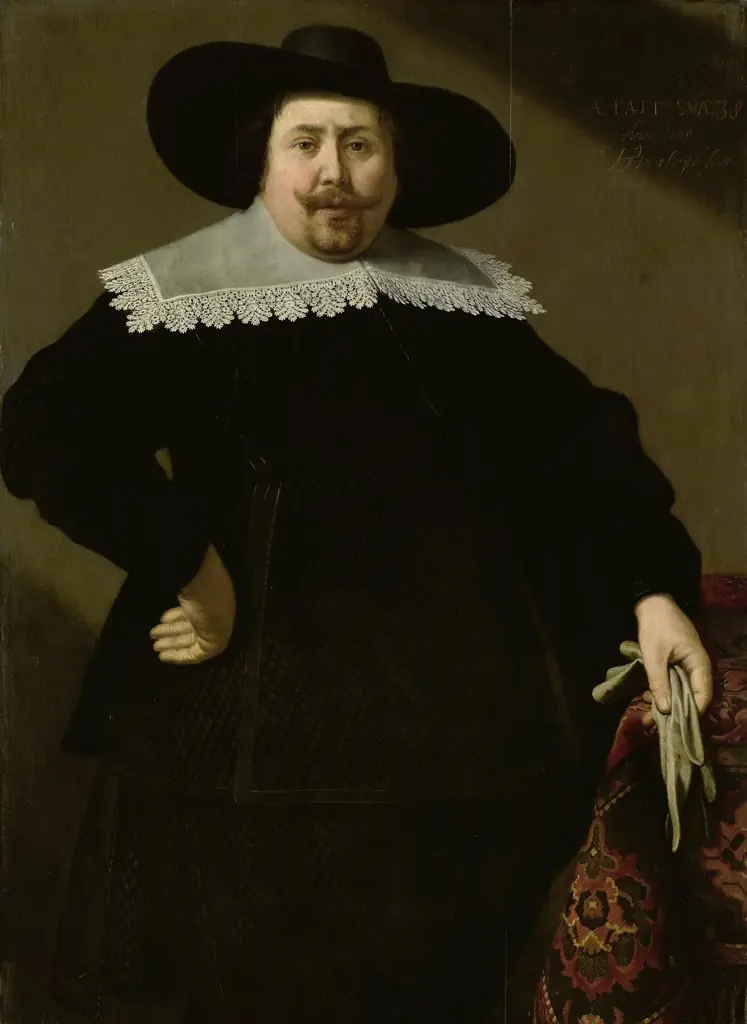 Portrait of Philips Denijs (1604-66)