Artwork
The Painter Eduard Bendemann
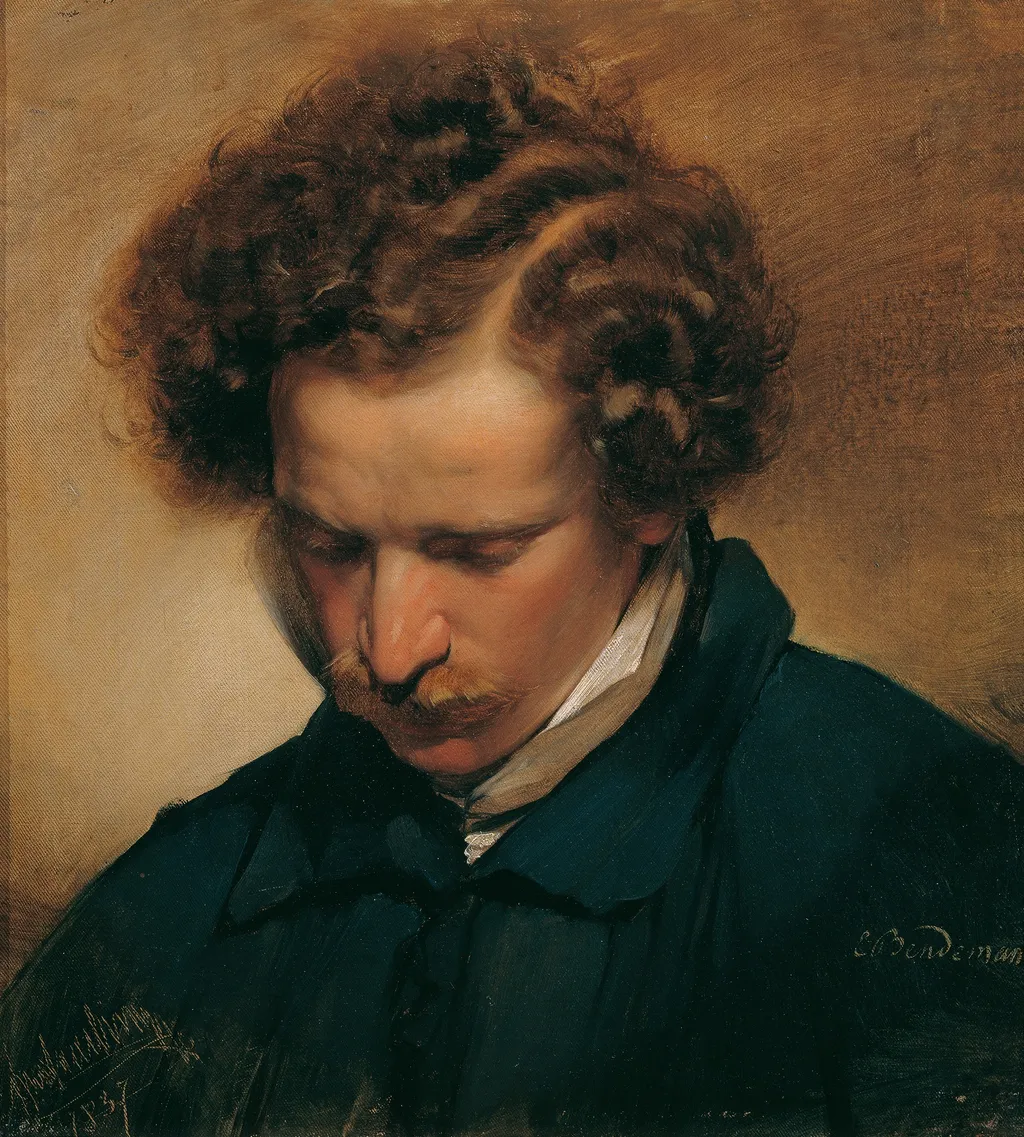
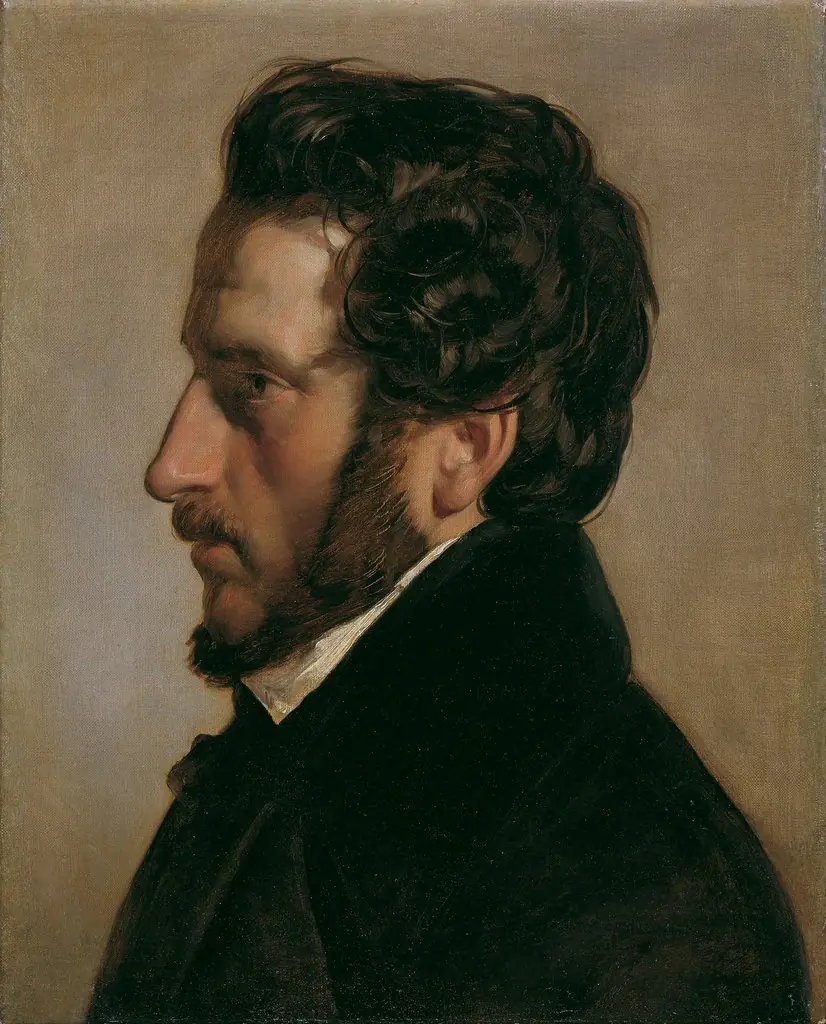
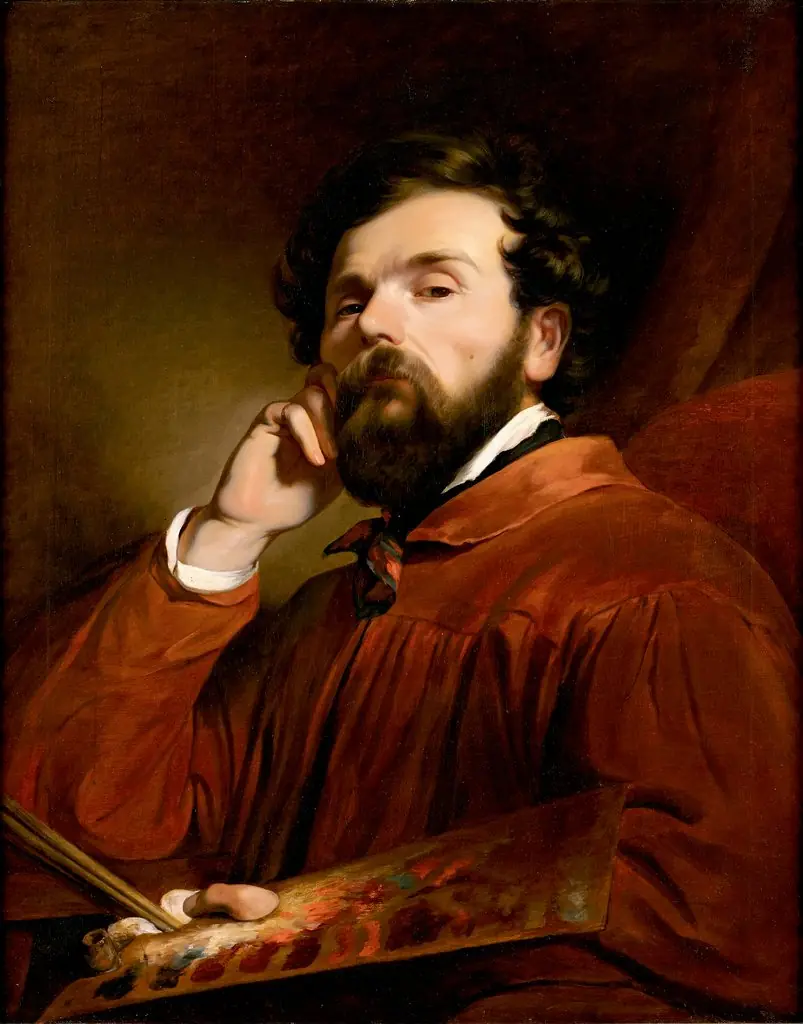
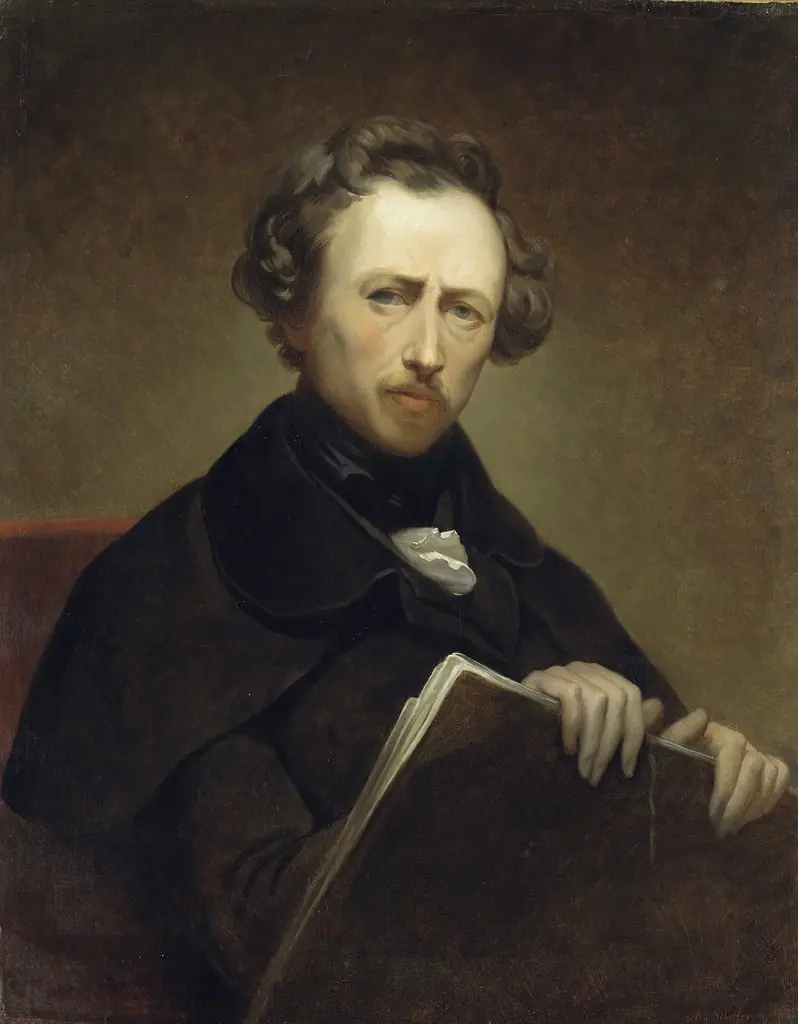
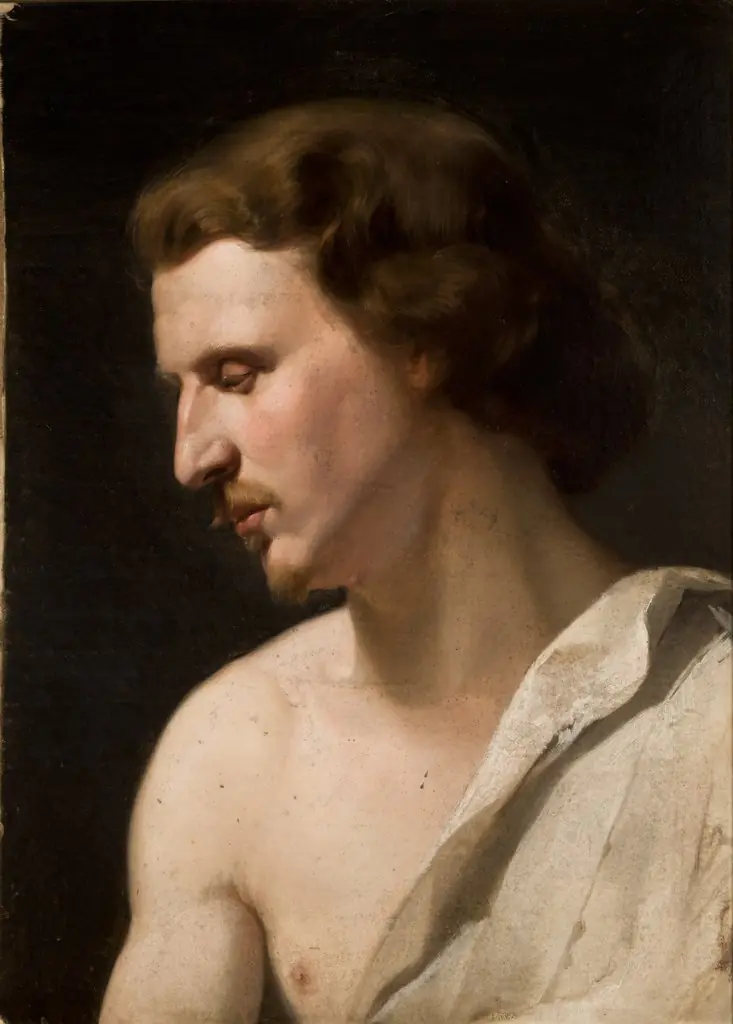
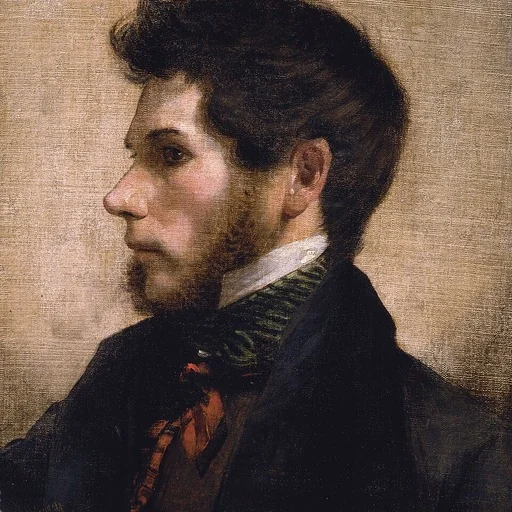
The Painter Eduard Bendemann is an oil painting by the Biedermeier artist Friedrich von Amerling. It dates from 1837 and is held in the collection of the Kunsthistorisches Museum.
About this work
Overview
The portrait captures Bendemann, a German artist and professor, in a composed, introspective pose.
Friedrich von Amerling painted Eduard Bendemann in 1837 using oil on canvas. The portrait captures Bendemann, a German artist and professor, in a composed, introspective pose. Amerling, a prominent Austrian portraitist of the era, rendered the subject with restrained elegance, reflecting the quiet dignity favored in Biedermeier portraiture. The work is part of the Kunsthistorisches Museum’s collection in Vienna.
Subject & Meaning
Eduard Bendemann is depicted not as a public figure in ceremonial attire, but as a thoughtful individual in private repose. His downward gaze and subdued expression suggest introspection rather than performative authority. The absence of symbolic objects or elaborate settings emphasizes personal character over social status, aligning with Biedermeier values of inner life and modesty.
Technique & Style
Amerling employed fine brushwork to render the texture of Bendemann’s jacket, the sheen of his shirt collar, and the softness of his curled hair. The warm, neutral background isolates the figure, directing focus to facial expression and posture. Light falls gently across the face, enhancing the quiet realism and psychological depth characteristic of Amerling’s approach to portraiture.
History & Provenance
Painted in 1837, the portrait remained within Austrian artistic circles before entering the Kunsthistorisches Museum’s collection. Its preservation reflects Bendemann’s standing among his peers and Amerling’s reputation as a court-endorsed portraitist. The painting’s continuous institutional ownership since the 19th century ensures its documented provenance and historical continuity.
Context
Created during the Biedermeier period, the portrait reflects a cultural shift toward domestic intimacy and personal restraint in art. Amidst political conservatism in post-Napoleonic Europe, artists like Amerling turned away from grand historical narratives to depict individuals with psychological nuance. Bendemann’s image embodies this era’s preference for quiet dignity over theatrical display.
Legacy
The portrait stands as a representative example of Austrian Biedermeier portraiture, illustrating Amerling’s skill in conveying character through subtle detail. While Bendemann is less widely known today, the painting endures as a record of artistic networks in 19th-century Central Europe and the quiet aesthetic that defined middle-class cultural values of the time.
Own this work as a print
Artist & collection
Artist
Friedrich Ritter von Amerling (14 April 1803 – 14 January 1887) was an Austrian portrait painter in the court of Franz Josef.