Artwork
Rosalia Hermann
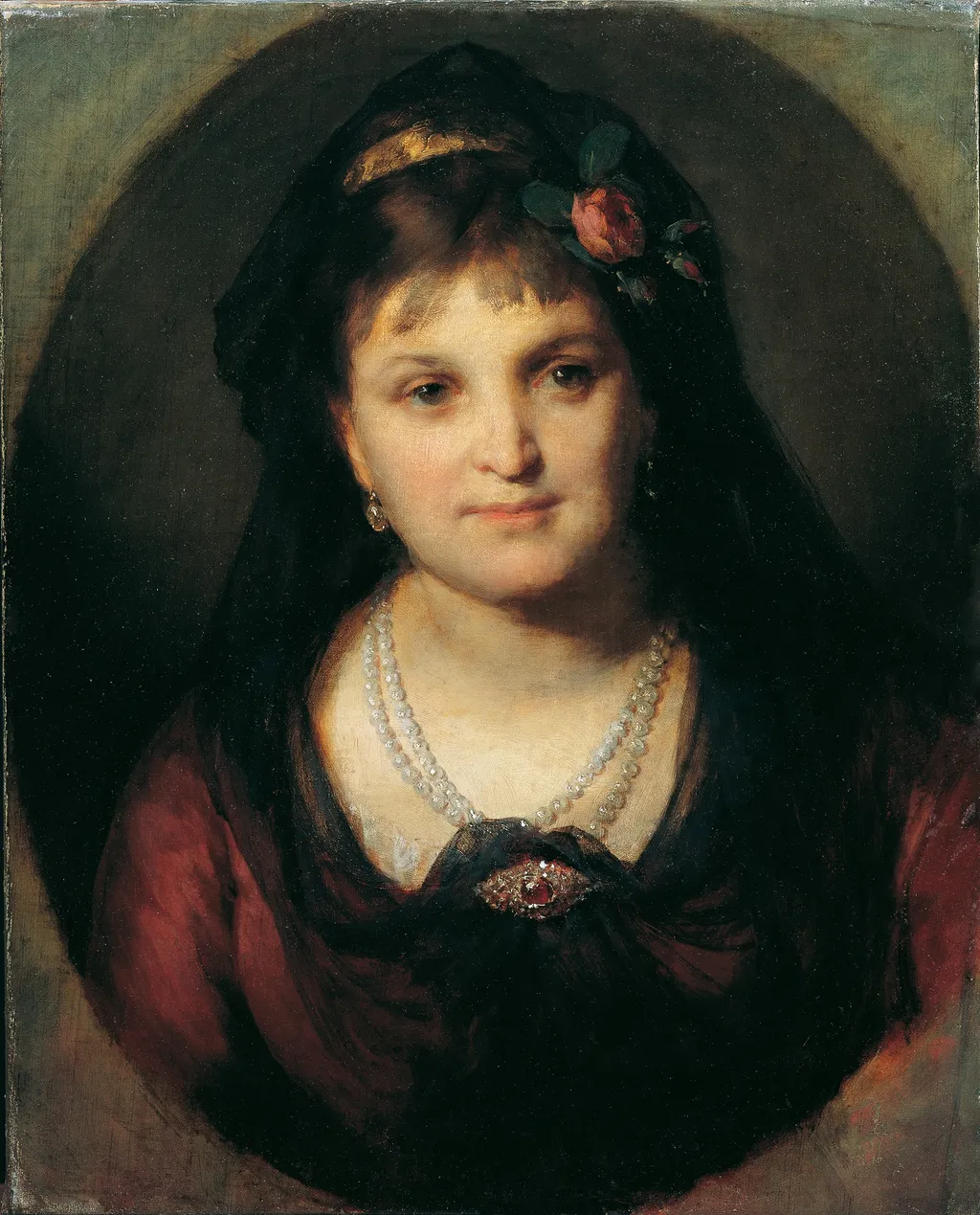
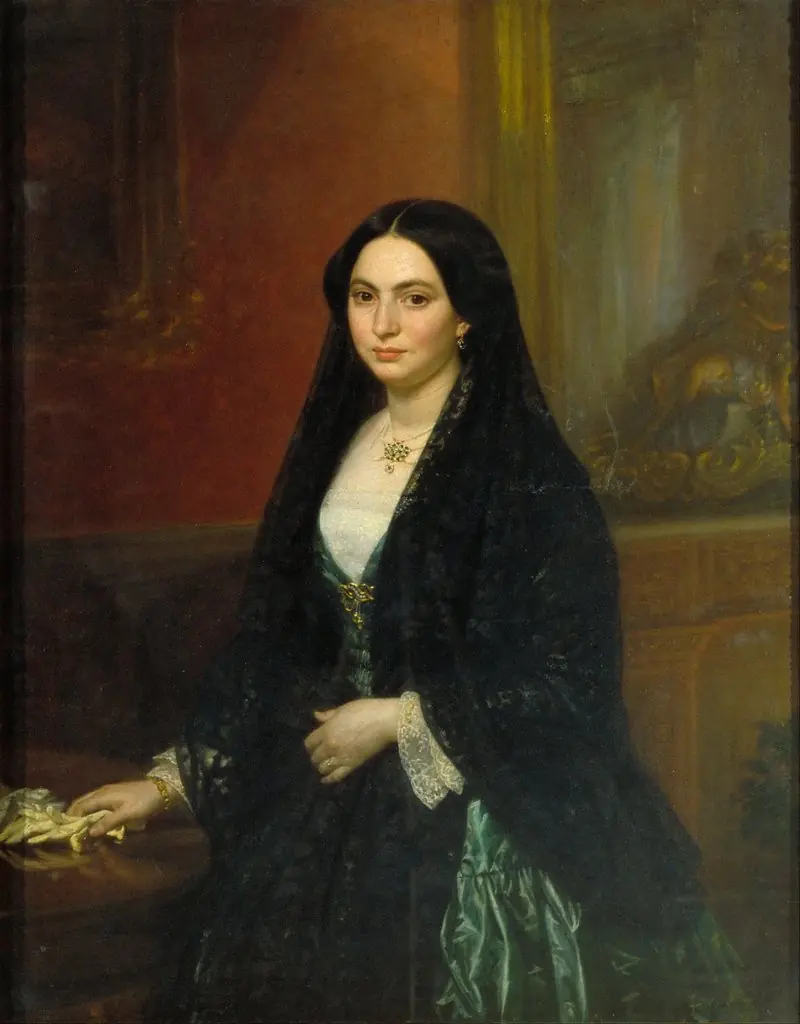
Rosalia Hermann is an oil painting by the Realist artist Friedrich von Amerling. It dates from 1872 and is held in the collection of the Kunsthistorisches Museum.
About this work
Overview
A prominent portraitist in mid-19th-century Vienna, Amerling held the position of court painter to Emperor Franz Joseph for nearly five decades.
Friedrich von Amerling painted Rosalia Hermann in 1872 using oil on canvas. A prominent portraitist in mid-19th-century Vienna, Amerling held the position of court painter to Emperor Franz Joseph for nearly five decades. This work exemplifies his refined approach to capturing individual presence within the conventions of academic realism. The painting resides in the Kunsthistorisches Museum, Vienna, as part of its core collection of Austrian portraiture.
Subject & Meaning
The sitter, Rosalia Hermann, is depicted with quiet composure, her gaze steady and direct. Her attire—a black dress with a single red sleeve, a dark veil, and a pearl necklace crowned by a brooch—suggests formal mourning or ceremonial dress. The red rose pinned to the veil introduces a subtle contrast, possibly symbolizing remembrance or personal identity. The absence of context or props focuses attention on her demeanor, inviting contemplation rather than narrative.
Technique & Style
Amerling employed precise brushwork and careful tonal gradations to render texture and form. The dark background isolates the figure, enhancing the luminosity of her skin and the sheen of fabric. The red elements—sleeve, rose, and brooch—are rendered with restrained intensity, drawing the eye without overwhelming the composition. His method prioritizes fidelity to observed detail, characteristic of Austrian Realism’s emphasis on psychological presence over idealization.
History & Provenance
The painting entered the Kunsthistorisches Museum’s collection shortly after its completion, likely through the artist’s established connections with the imperial court. Amerling’s reputation as a favored portraitist of Vienna’s elite ensured his works were systematically acquired by state institutions. No significant changes in ownership are recorded, and the painting has remained in public display since the late 19th century.
Context
In 1872, Vienna was a center of cultural conservatism, where portraiture served both personal and social functions. Amerling’s style reflected the enduring influence of Biedermeier traditions, even as broader European art moved toward Impressionism. His portraits of aristocrats and bourgeoisie offered a visual record of a society still anchored in hierarchy and decorum, with Rosalia Hermann embodying the restrained elegance of that world.
Legacy
Amerling’s portraits, including this one, remain key references for understanding Austrian visual culture in the 19th century. While less celebrated internationally than his contemporaries, his work preserves the aesthetic values of a specific time and place. Rosalia Hermann continues to be studied for its technical discipline and the quiet authority it conveys, standing as a representative example of academic portraiture in Central Europe.
Artist & collection
Artist
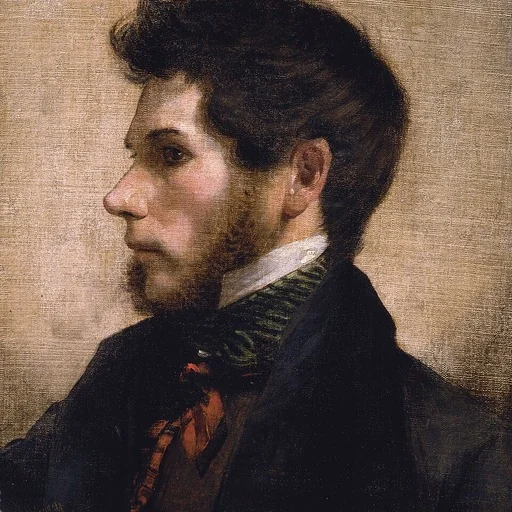
Friedrich Ritter von Amerling (14 April 1803 – 14 January 1887) was an Austrian portrait painter in the court of Franz Josef.

 Portrait of Wanda Monné
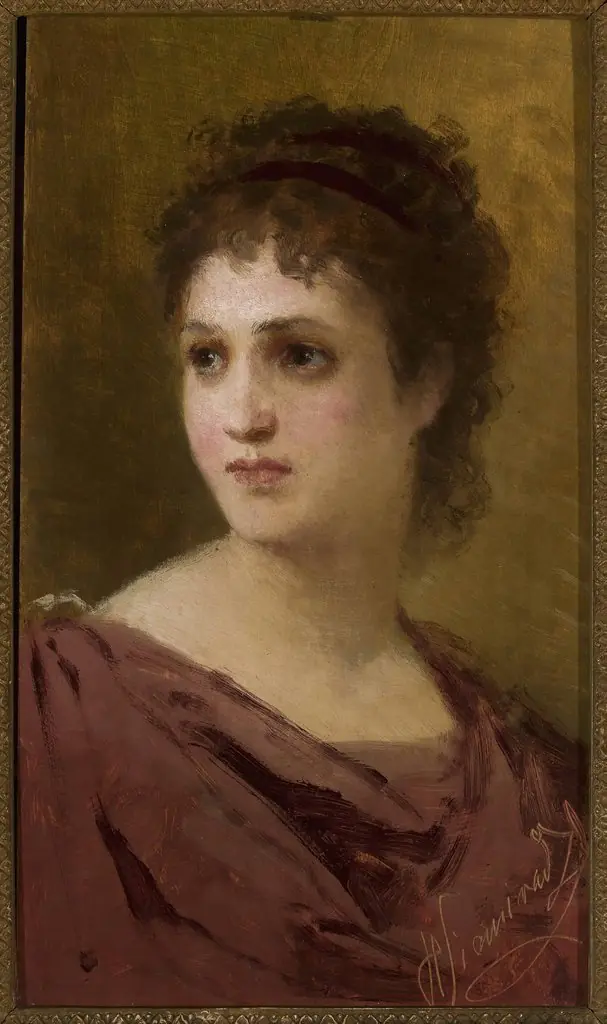 Head of a woman
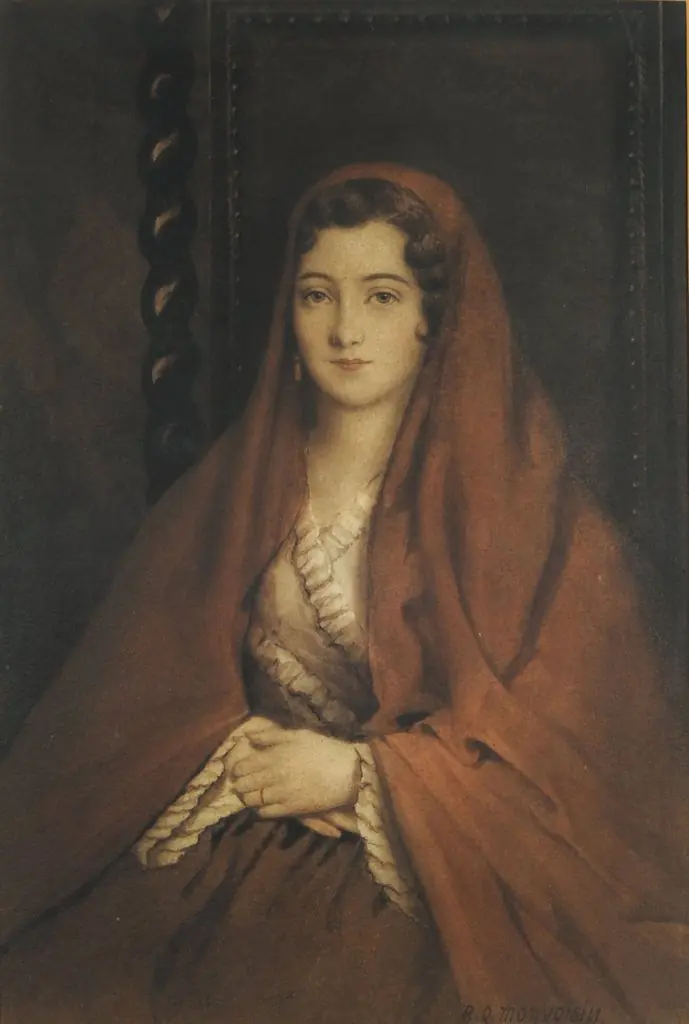 Young Chilean or Portrait of a Chilean Lady
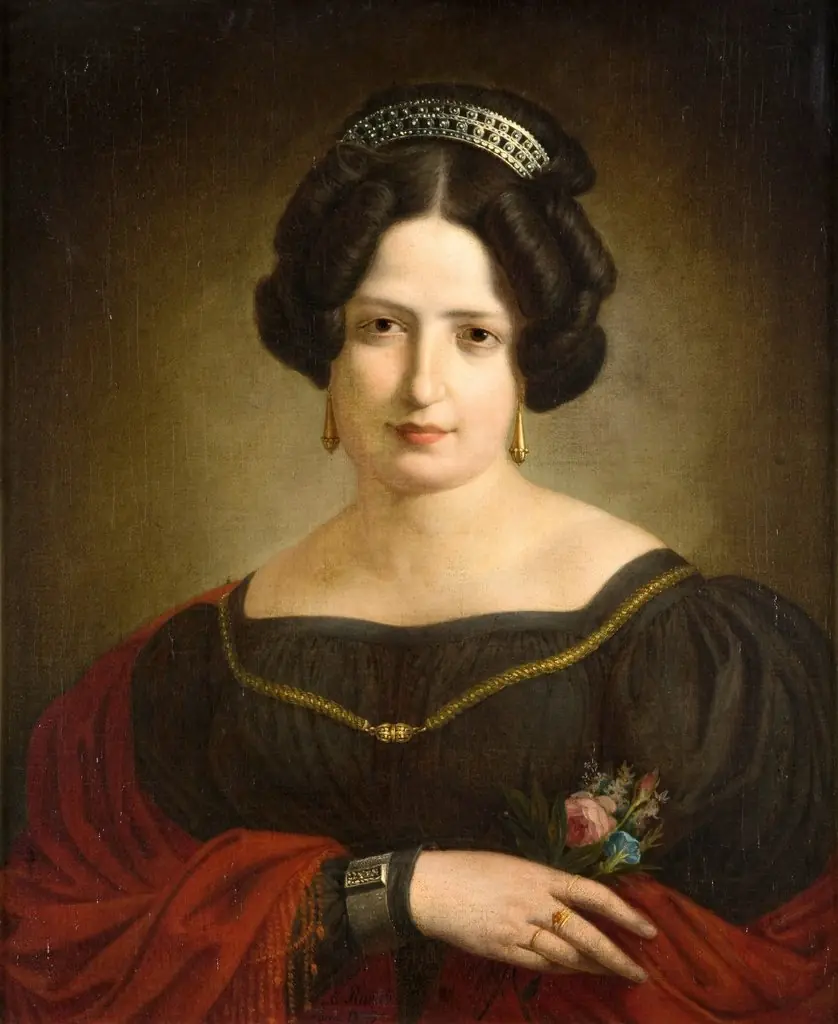 Portrait of Wife Antonina
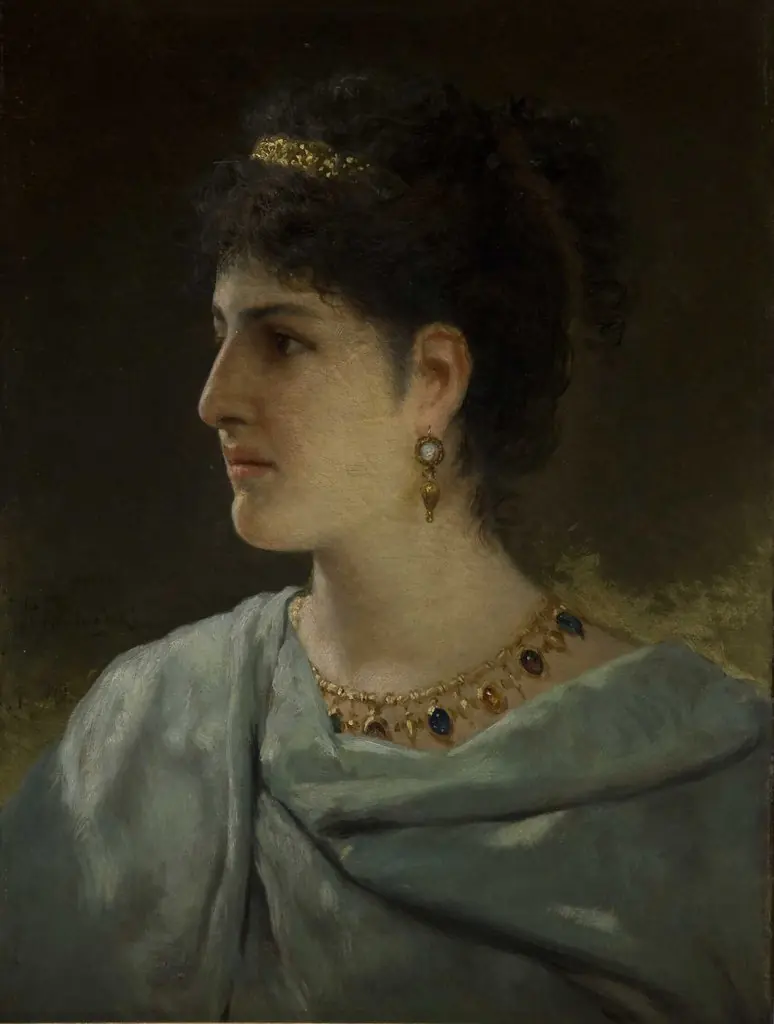 Roman Woman
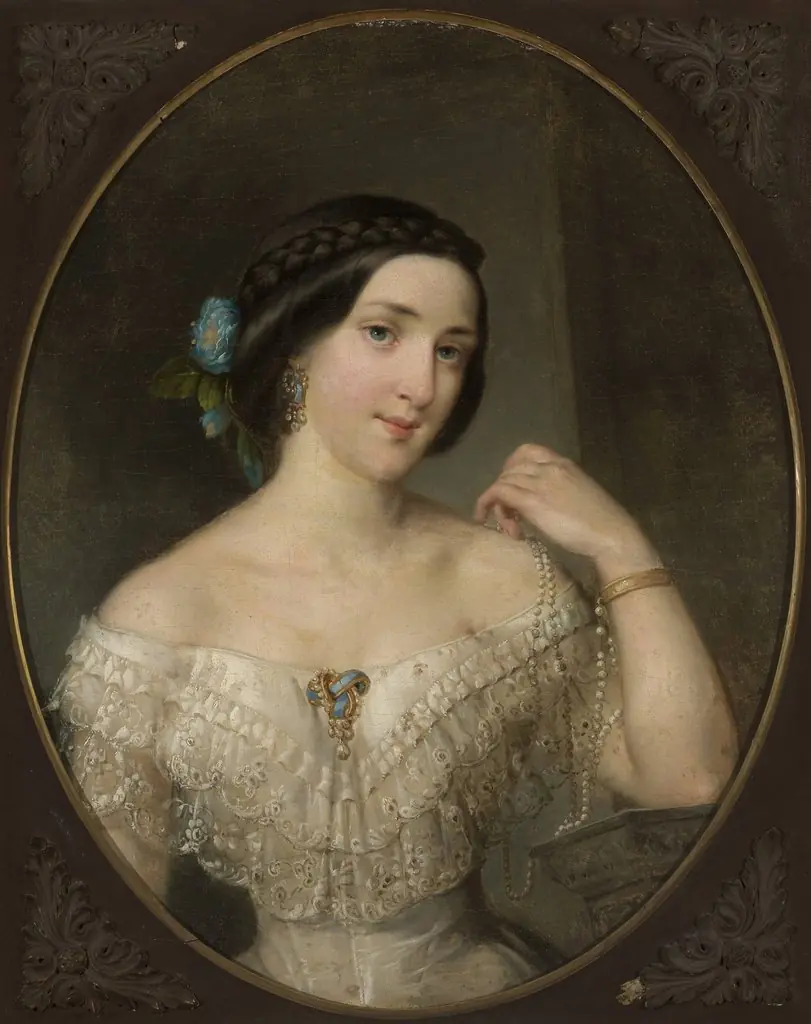 Portrait of Maria Ludwika Blumenfeld née Kobyłecka
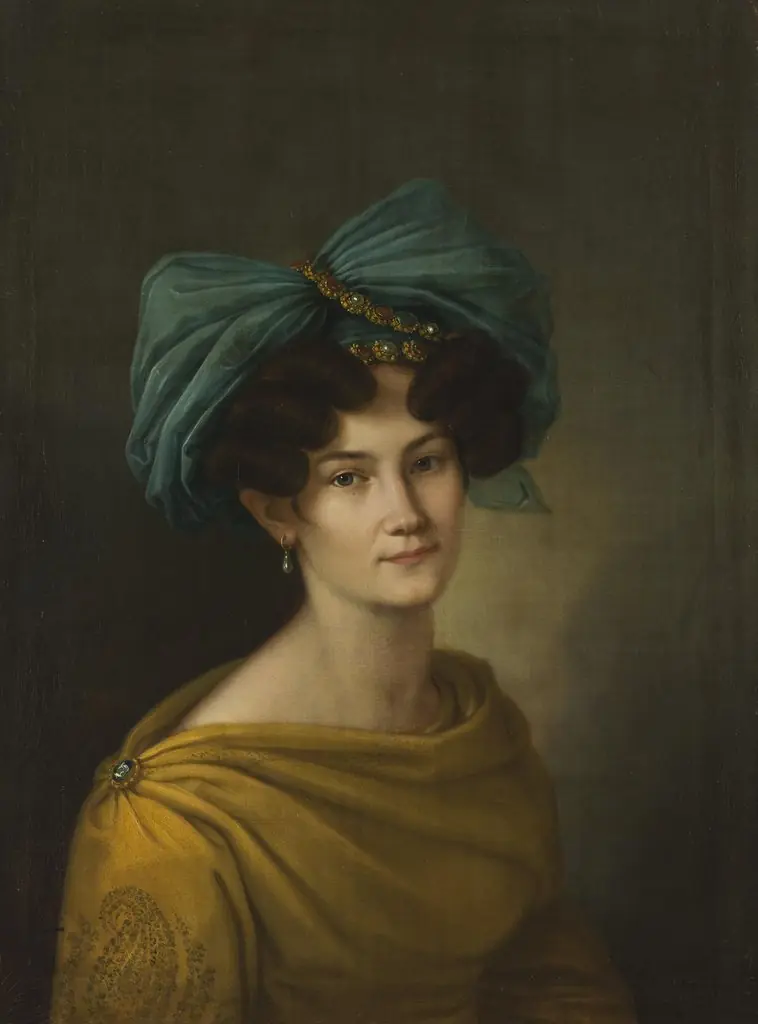 Portrait of Anastasia Vadkovskaya
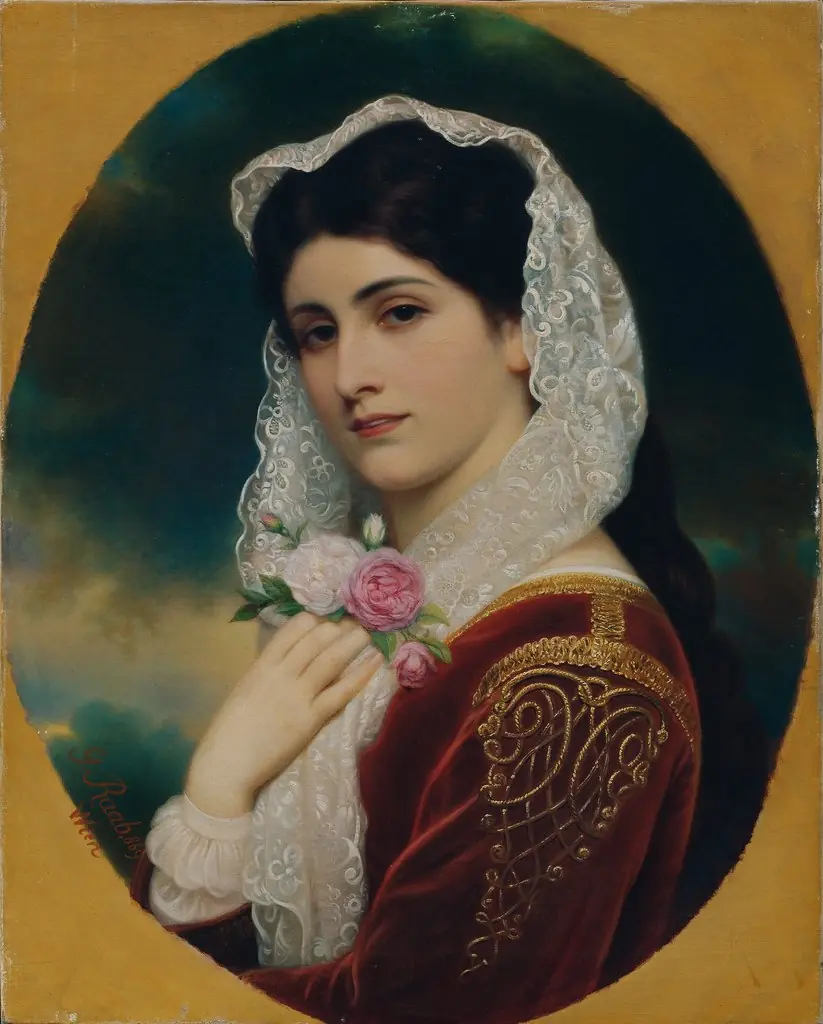 Weiblicher Studienkopf
![A Study from Life [and] Study for Angel Releasing Saint Peter from Prison, by Washington Allston](https://artifactworldgallery.com/img/washington-allston--a-study-from-life-and-study-for-angel-releasing-saint-peter--13db111bb86c178e-w320.webp) A Study from Life [and] Study for Angel Releasing Saint Peter from Prison
A Study from Life [and] Study for Angel Releasing Saint Peter from Prison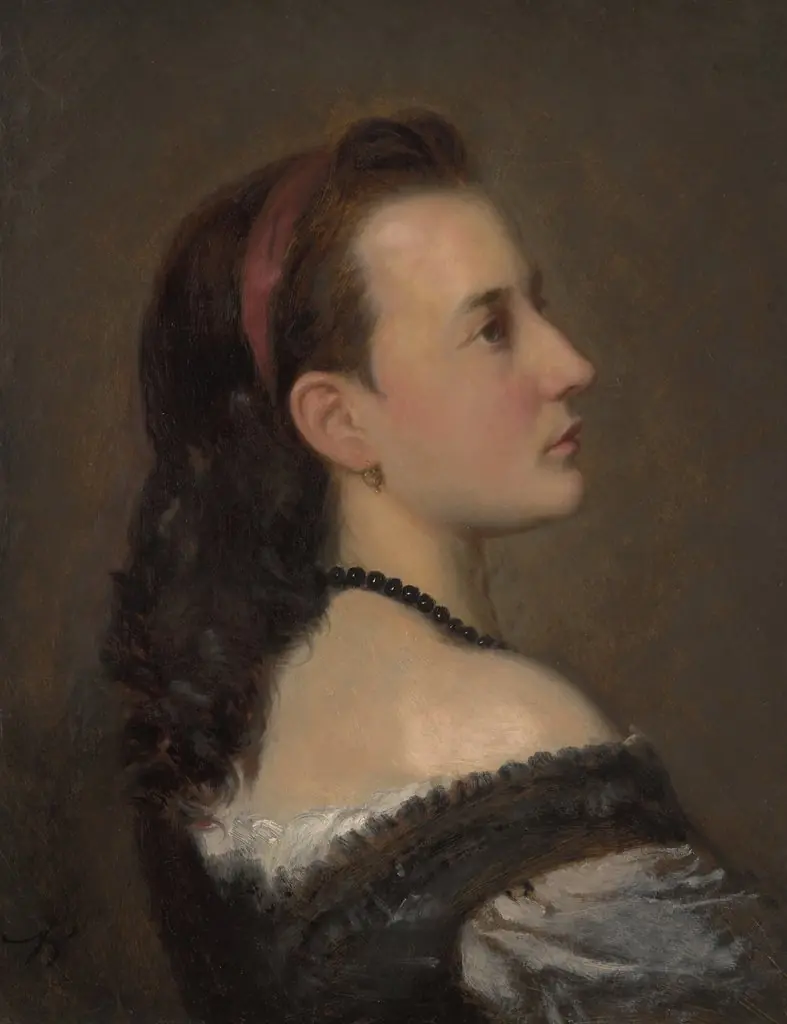 Portrait of a Young Lady
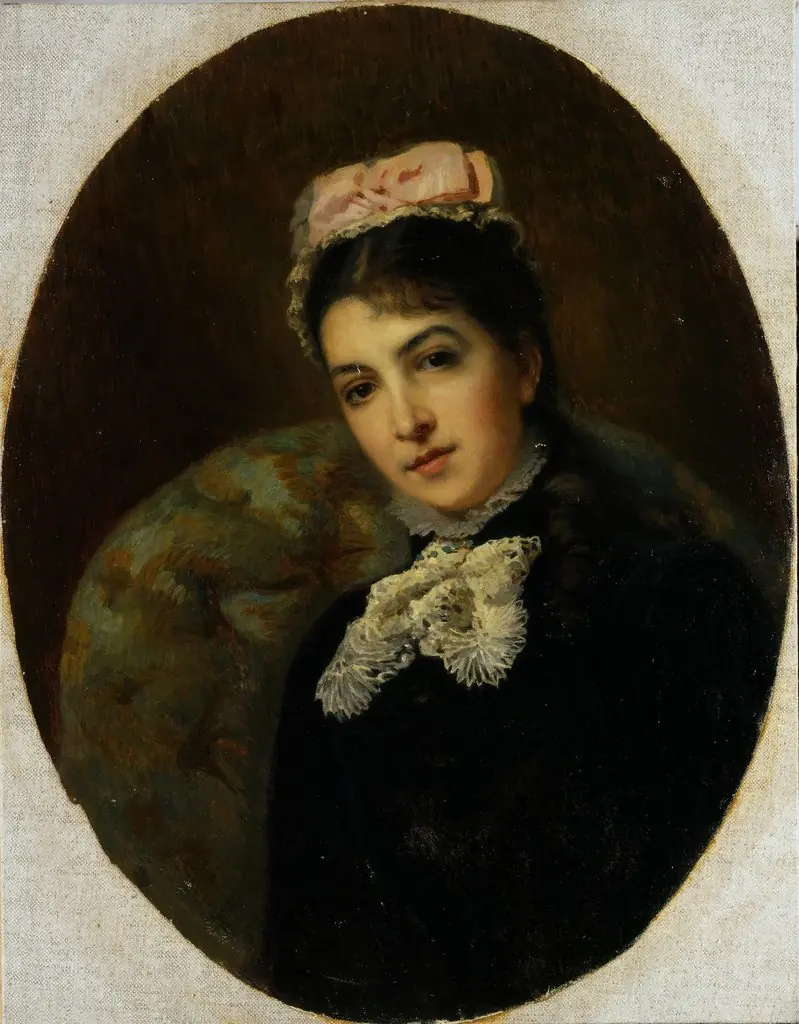 Portrait of M.G. Savina
 Portrait of Senyora Espalter