Artwork
Portrait of an Unknown Man in a Cocked Hat
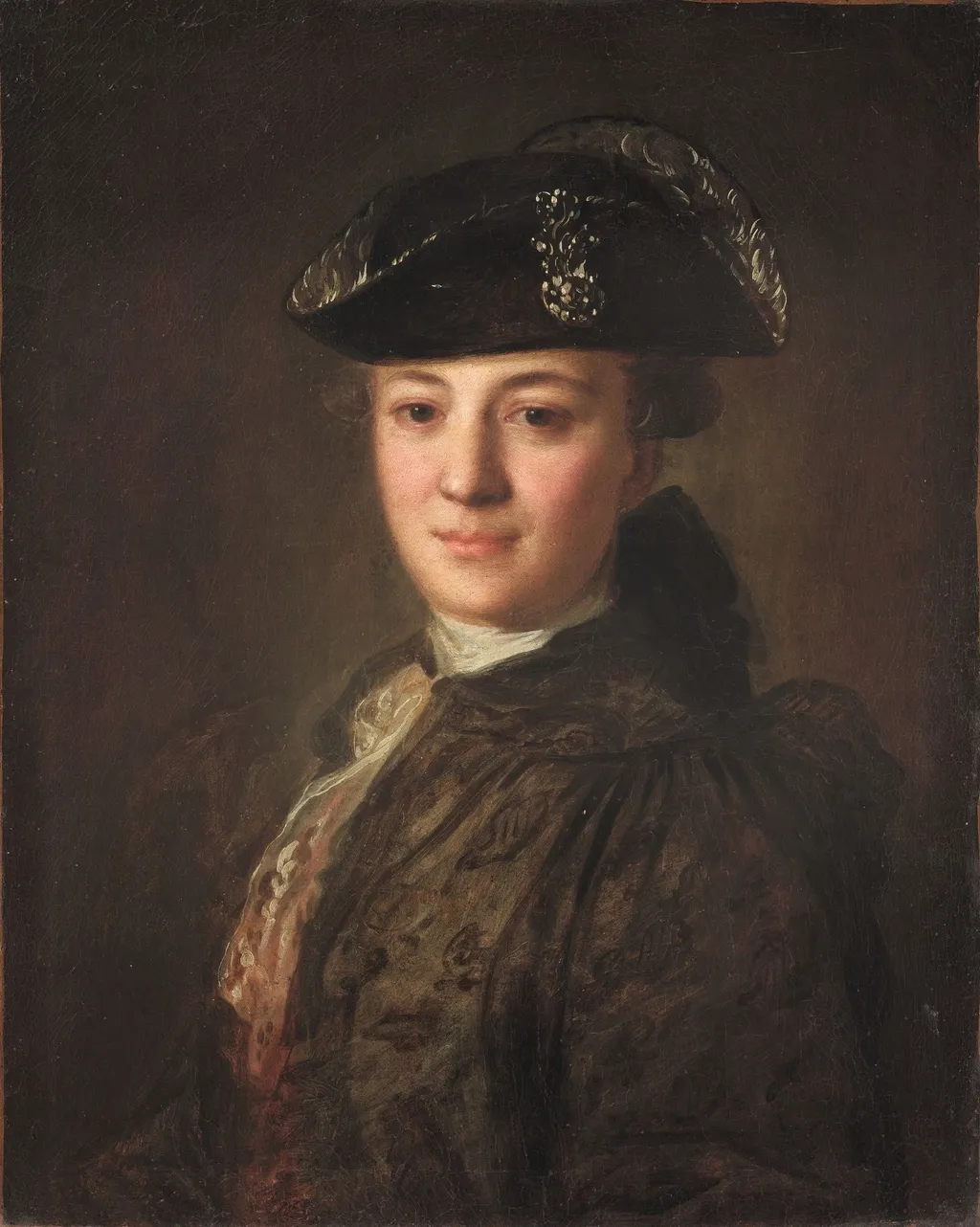
Portrait of an Unknown Man in a Cocked Hat is an oil painting by the Rococo painting artist Fyodor Rokotov. It dates from 1781 and is held in the collection of the Tretyakov Gallery.
About this work
Overview
The work reflects his refined approach to capturing individual presence within the conventions of late 18th-century Russian portraiture.
Painted around 1781 by Fyodor Rokotov, this oil portrait captures an unidentified man wearing a tricorn hat and formal attire. Rokotov, who gained his freedom from serfdom in the 1750s, became a respected portraitist in Saint Petersburg and was admitted to the Imperial Academy of Arts in 1765. The work reflects his refined approach to capturing individual presence within the conventions of late 18th-century Russian portraiture.
Subject & Meaning
The sitter’s identity remains unknown, but his attire—dark coat, high collar, and white cravat—suggests a man of social standing, possibly a civil official or nobleman. The cocked hat, adorned with a small brooch, signals formality and refinement. The restrained expression and direct gaze convey dignity rather than personality, aligning with the era’s preference for composed, authoritative portraiture over emotional display.
Technique & Style
Rokotov employed soft brushwork and subtle tonal transitions to render fabric textures and skin with quiet precision. The muted earth-toned background isolates the figure, focusing attention on the interplay of light and shadow across the coat and cravat. While not overtly dramatic, the use of chiaroscuro enhances volume and depth, reflecting Rococo elegance tempered by Russian restraint.
History & Provenance
The painting entered the collection of the Tretyakov Gallery in Moscow, where it remains today. Its journey from private ownership to public institution reflects its recognition as a significant example of Rokotov’s mature style. Though undocumented in early records, its stylistic consistency with his other works from the 1780s supports its attribution and dating.
Context
In late 18th-century Russia, portraiture served as a tool for asserting social identity among the educated elite. Rokotov, one of the first native artists to achieve prominence without foreign training, adapted Western Rococo sensibilities to local tastes. His portraits, including this one, balanced aristocratic formality with a gentle humanity uncommon among his contemporaries.
Legacy
Rokotov’s work, including this portrait, helped define a distinctly Russian school of portraiture that emphasized psychological subtlety over grandeur. Though less celebrated abroad, his influence endured among domestic artists who valued emotional restraint and technical finesse. The painting stands as a quiet testament to the rising status of native Russian painters in imperial cultural life.
Own this work as a print
Artist & collection
Artist
Fyodor Stepanovich Rokotov (Fedor Rokotov) (Russian: Фёдор Степа́нович Ро́котов; 1736 – December 24, 1808) was a Russian painter who specialized in portraits.

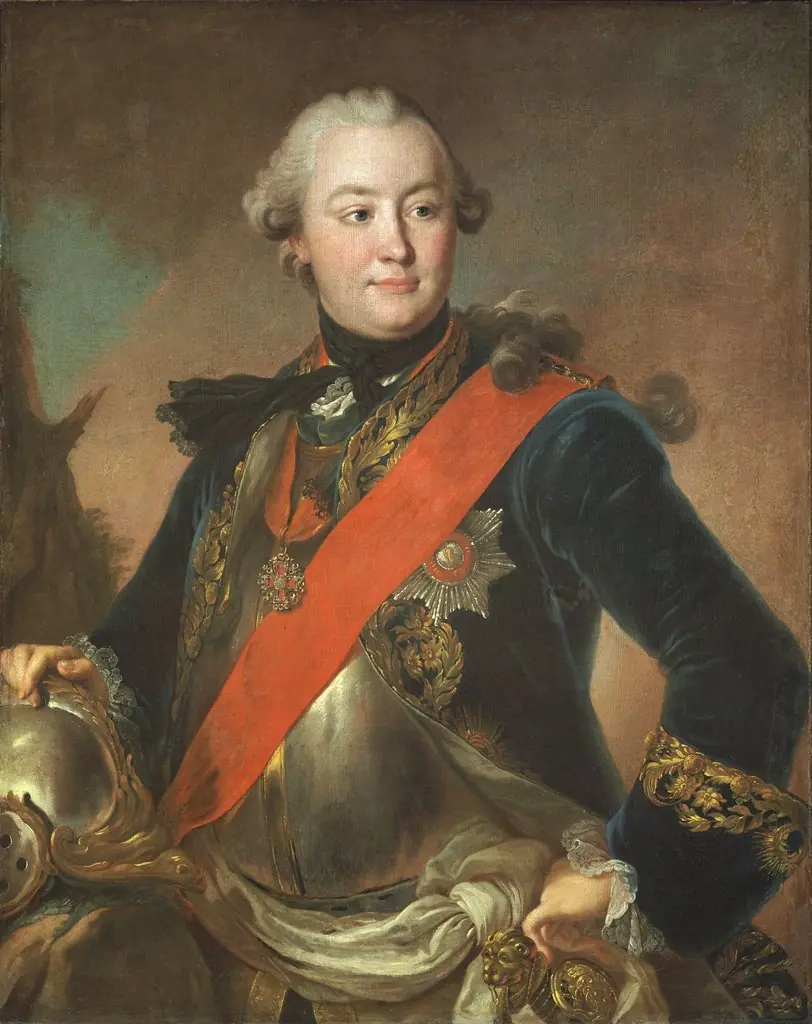
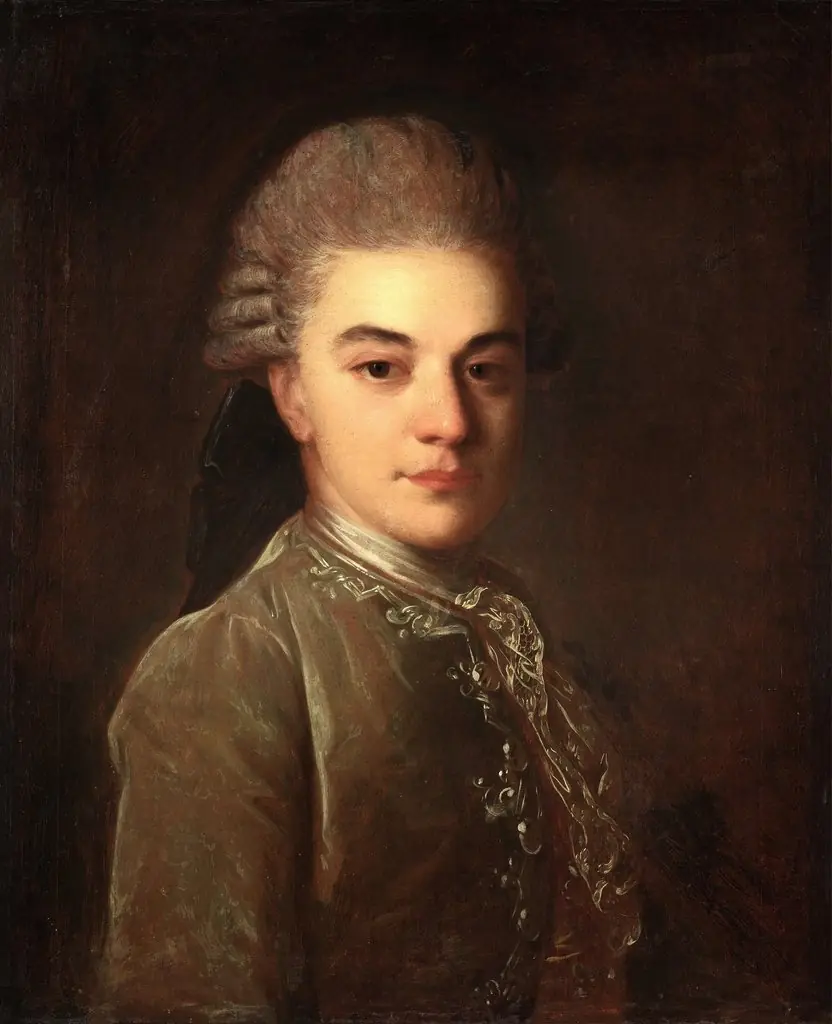 Portrait of Alexander Rimskiy-Korsakov in his youth
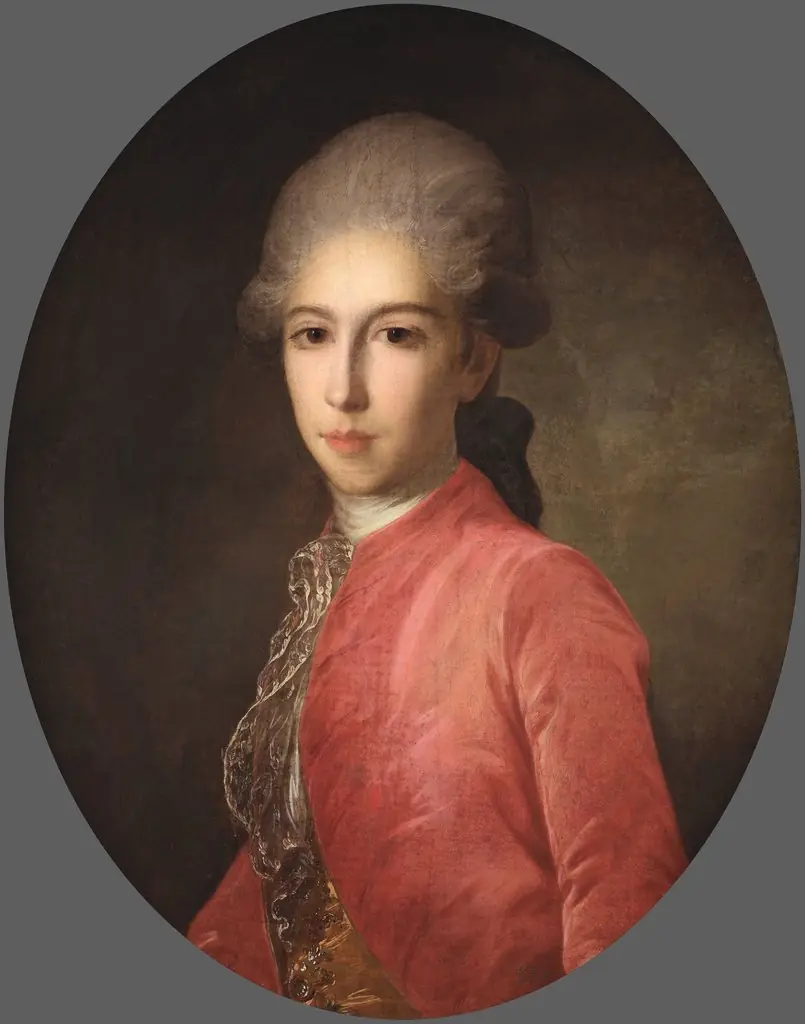 Портрет князя Ивана Ивановича Барятинского в юности
 Sophie Birgitta Mathiesen
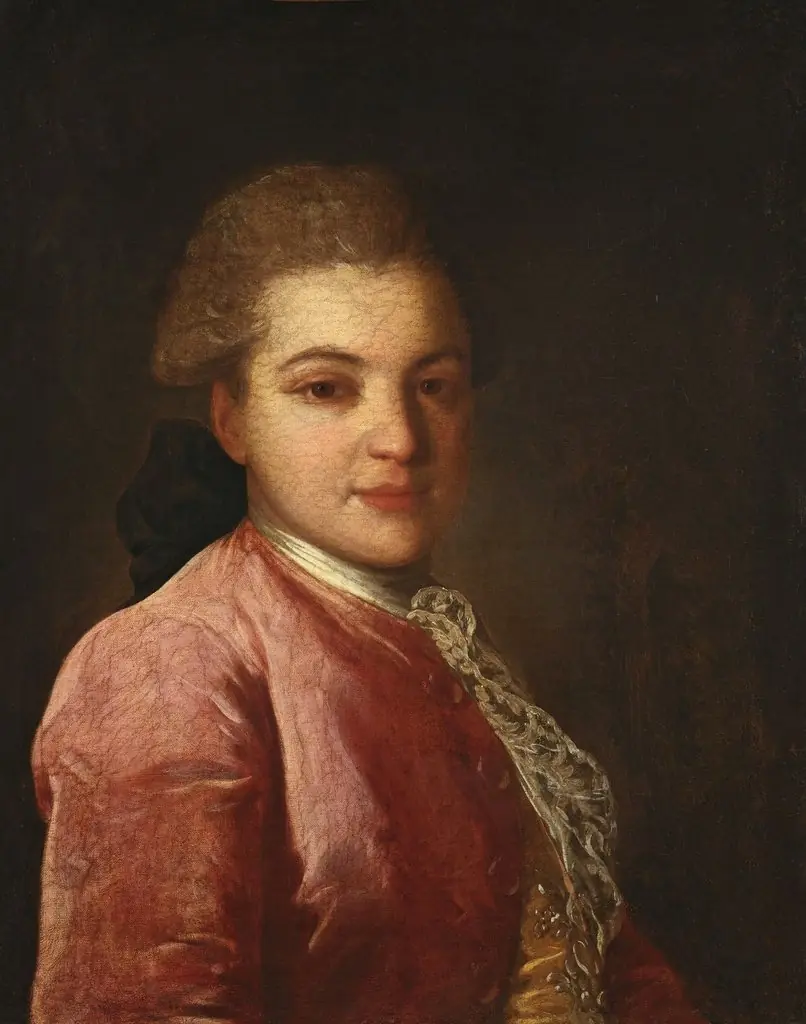 Portrait of Count Illarion I. Vorontsov
 Naisen muotokuva
 Dorothea Maria Losch
 Vapaaherratar Ulrica Fredrika Cedercreutz
 Portrait of Ekaterina Golovkina
 Posthumous portrait of Louise-Élisabeth de France, Duchess of Parma
 Portrait of a Woman in Grey
 Porträt des Varvara Obreskova (c.1745-1815)
 Portrait of Maria Leszczyńska