Artwork
Portrait of Prince Dmitry Golitsyn
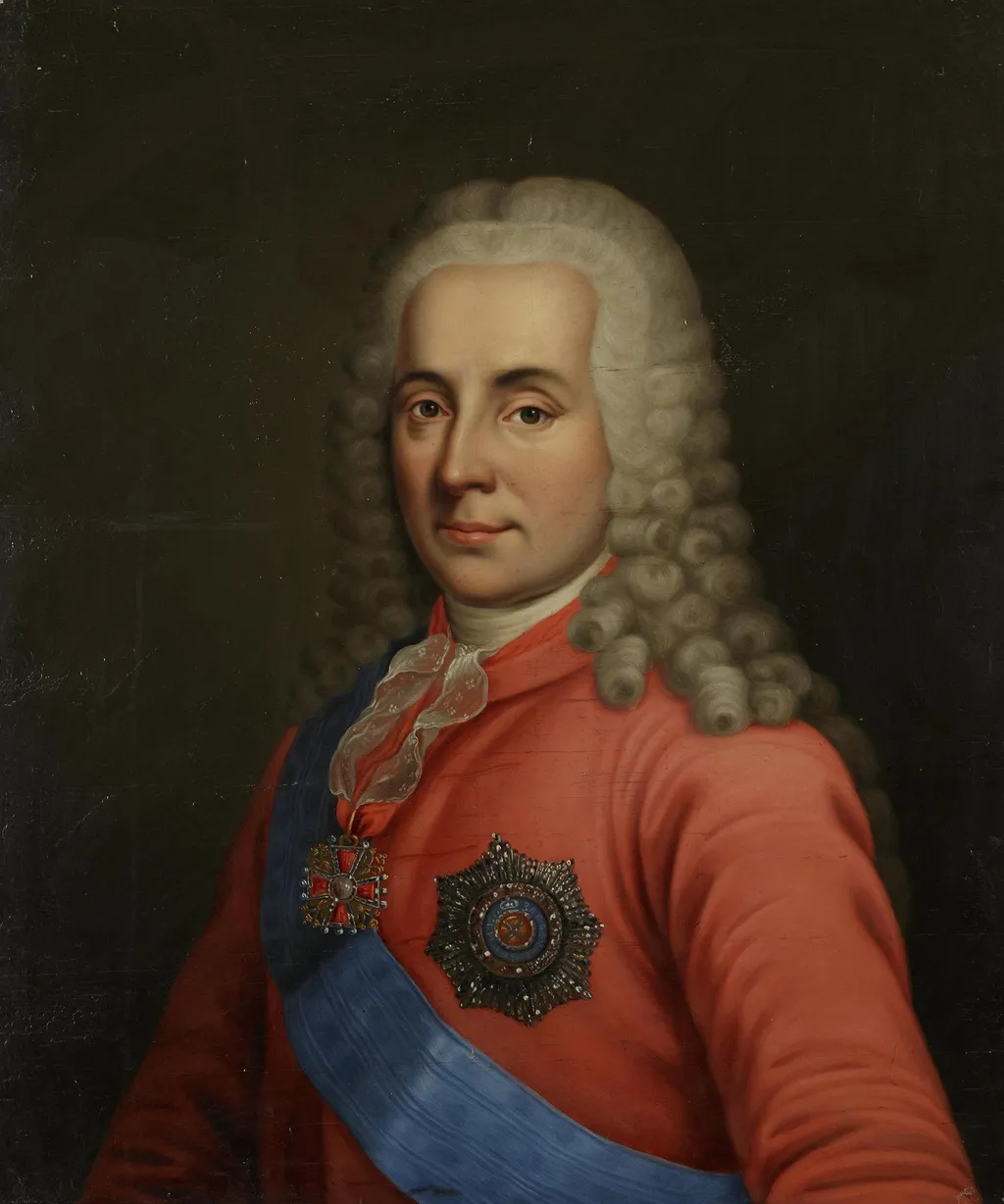
Portrait of Prince Dmitry Golitsyn is an oil painting by the Realist artist Fyodor Slavyansky. It dates from 1848 and is held in the collection of the Hermitage Museum.
About this work
Overview
The work is held in the State Hermitage Museum’s collection, where it represents a quiet yet precise example of Russian portraiture from the mid-1800s.
Painted in 1848 by Fyodor Slavyansky, this oil portrait depicts Prince Dmitry Golitsyn, a Russian nobleman of the early 19th century. Slavyansky, trained under Alexei Venetsianov and at the Imperial Academy of Arts, employed a Realist approach grounded in direct observation. The work is held in the State Hermitage Museum’s collection, where it represents a quiet yet precise example of Russian portraiture from the mid-1800s.
Subject & Meaning
The subject, Prince Dmitry Golitsyn, is rendered in formal attire that signals his status: a vivid red coat, a blue sash, and two ornate medals—one star-shaped, the other a jeweled badge. His powdered wig and rigid posture reflect courtly conventions of the era. The calm expression and lack of narrative context emphasize his position rather than personality, aligning the portrait with traditions of aristocratic representation.
Technique & Style
Slavyansky used oil paint to achieve sharp contrasts between the richly colored garments and the dark, unadorned background. Brushwork is controlled and precise, focusing attention on texture and detail of fabric and metal. The composition follows classical portraiture norms, with the figure centered and frontal, avoiding dramatic lighting or emotional intensity in favor of dignified clarity.
History & Provenance
Created during Slavyansky’s mature period, the portrait entered the State Hermitage Museum’s collection in the 19th century. Slavyansky, born into serfdom, rose through artistic training to become a respected portraitist, and this work reflects his ability to navigate elite circles despite his origins. The painting’s documented presence in the Hermitage confirms its early institutional recognition.
Context
In mid-19th-century Russia, portraiture served as both personal record and social affirmation. Nobles like Golitsyn commissioned such images to assert their place within imperial hierarchy. Slavyansky’s training in Realism aligned with broader shifts toward observable truth in art, even as he adhered to established conventions of dress and pose expected by his patrons.
Legacy
The portrait remains a representative example of Russian academic portraiture, illustrating how artists from non-noble backgrounds contributed to elite visual culture. While not widely exhibited outside the Hermitage, it continues to inform studies of social status, artistic mobility, and the persistence of ceremonial dress in Russian visual identity during the transition from empire to modernity.
Own this work as a print
Artist & collection
Artist
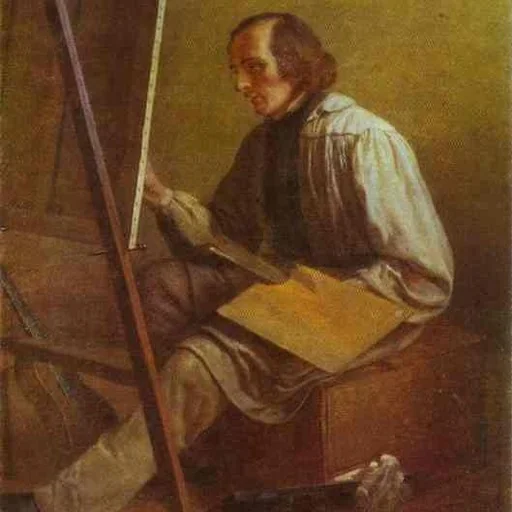
Fyodor Mikhailovich Slavyansky (Russian: Фёдор Михайлович Славянский; 1817–1876) was a Russian painter.

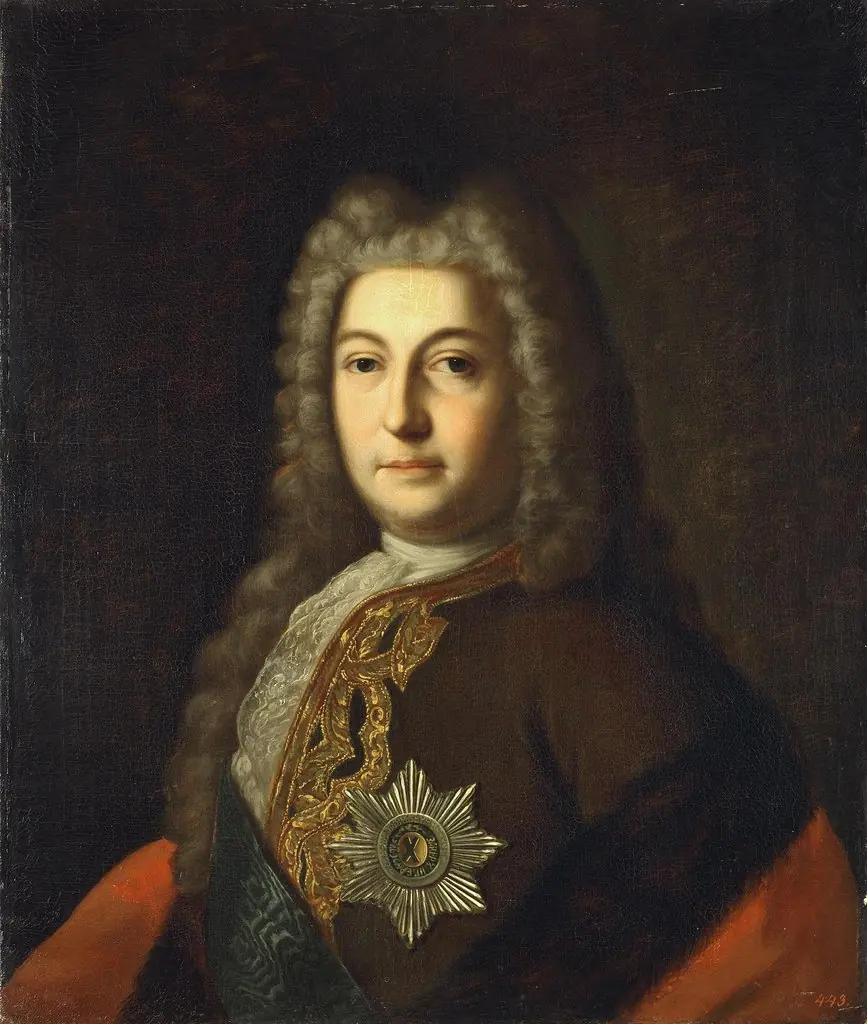 Portrait of Count Andrey Ostermann
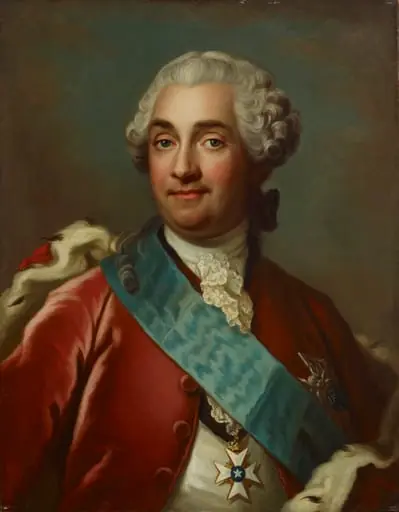 Valtakunnanneuvos Ulrik Scheffer
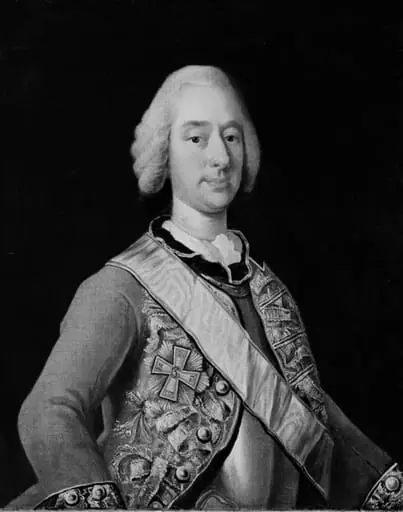 Andreas Hauch, kommandant på Kronborg
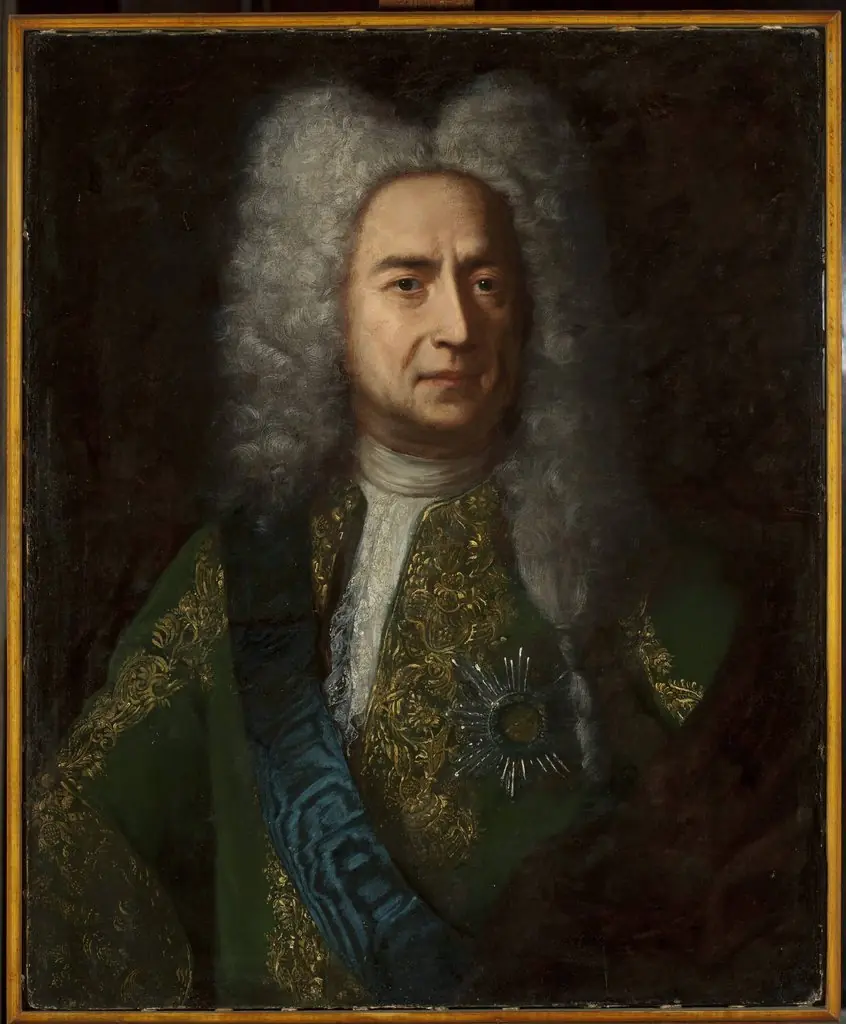 Portrait of an aristocrat
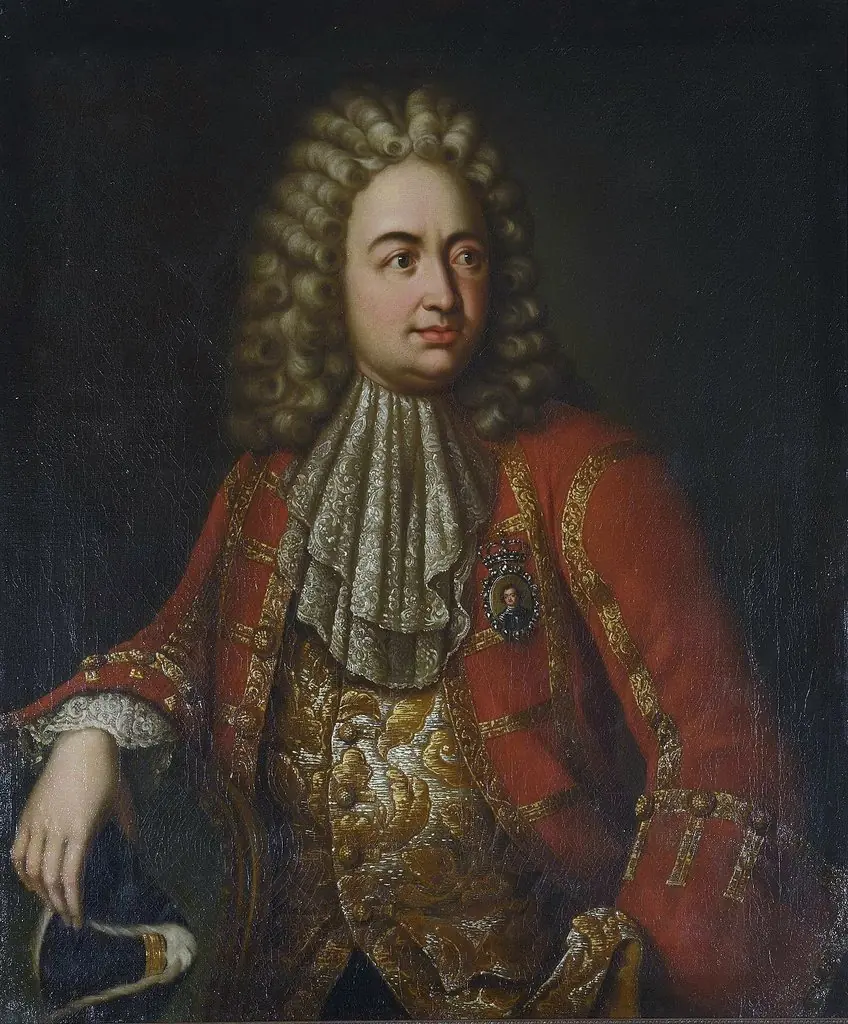 Portrait of G.D.Stroganov
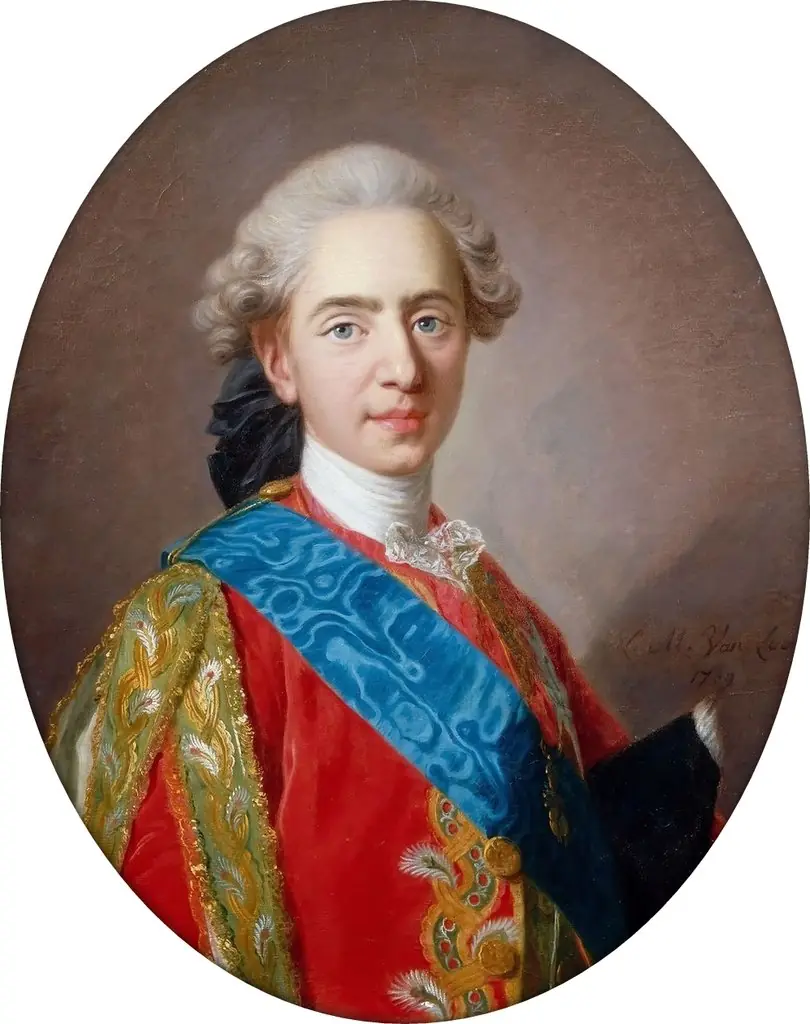 Louis XVI of France when he was the Dauphin of France.
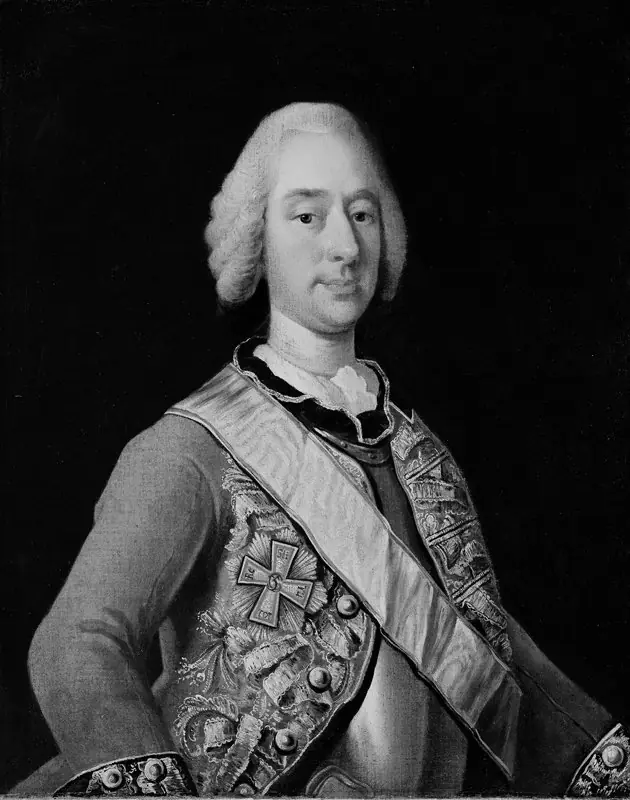 Andreas Hauch, kommandant på Kronborg
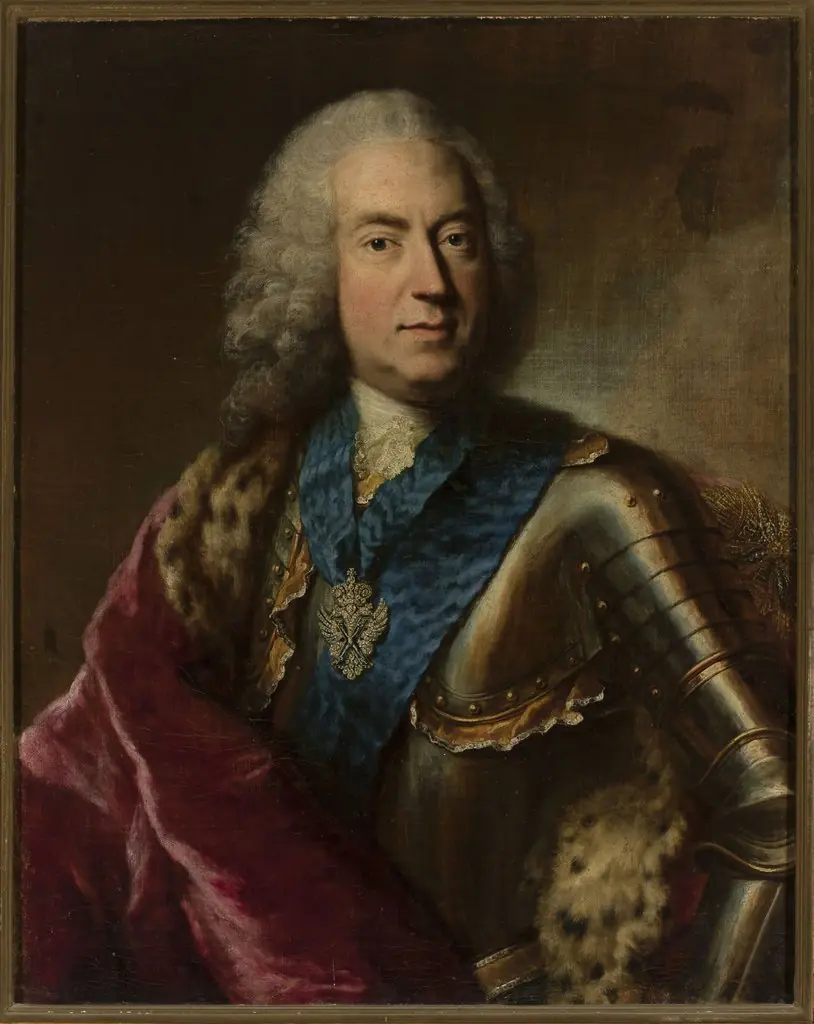 Portrait of Karl August Rex, Saxon minister
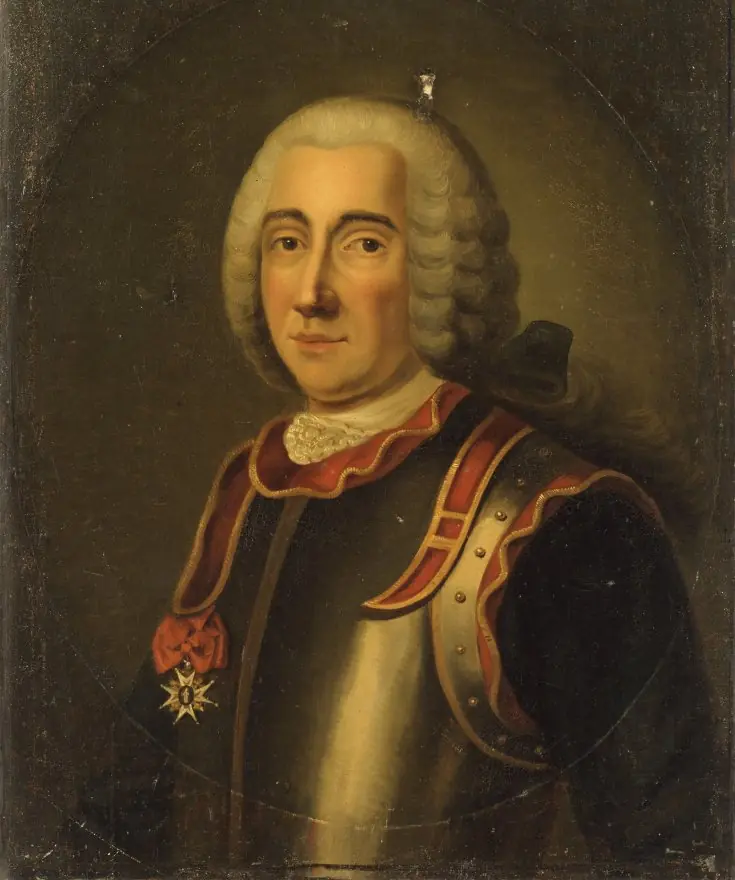 Claude comte de Forbin, chef d'escadre
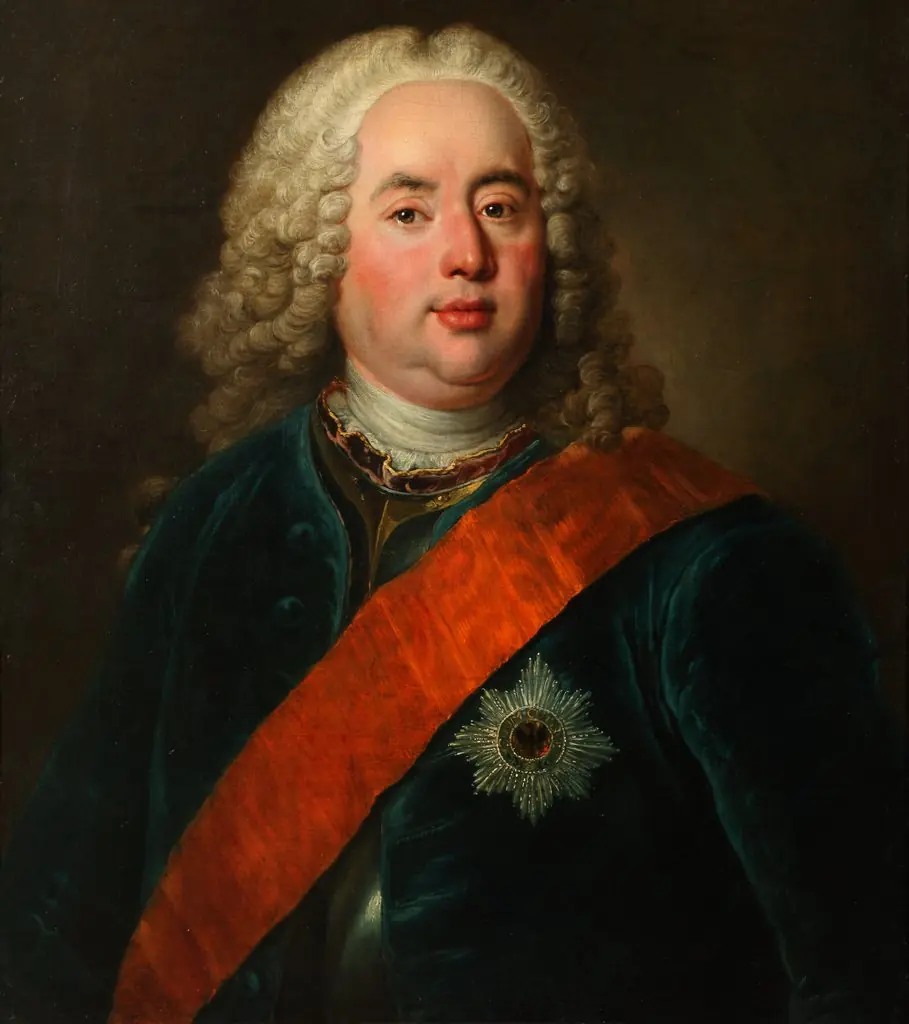 Count Gustav Adolph Gotter
 Philip V, King of Spain
 Portrait of Count G.I.Golovkin