Artwork
The Saints Vitus, Modestus and Crescentia
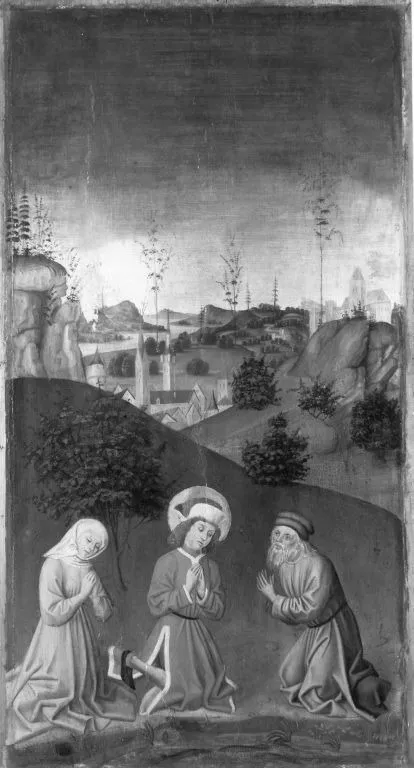
The Saints Vitus, Modestus and Crescentia is an oil painting by the Northern Renaissance artist Gabriel Mälesskircher. It dates from 1488 and is held in the collection of the Bavarian State Painting Collections.
About this work
Overview
The Saints Vitus, Modestus and Crescentia is a 1488 oil painting by Gabriel Mälesskircher, a German artist linked to the Second Munich School of Painting and the Northern Renaissance. The work portrays three kneeling figures in a devotional scene.
Subject & Meaning
The painting depicts Saints Vitus, Modestus, and Crescentia in prayer. The central figure, distinguished by a golden halo and simple robes, is flanked by two companions in humble attire, one in a white hood and the other in a dark hat and robe. Their identities are confirmed by traditional iconography.
Technique & Style
Mälesskircher employed chiaroscuro, with light from above accentuating the figures against a darker background. Soft shadows add depth to the composition, characteristic of Northern Renaissance techniques.
History & Provenance
Created in 1488, the painting is now part of the Alte Pinakothek's collection, reflecting its significance within Southern Bavarian art of the period.
Context
The work's setting, with a village on a hillside behind the saints, blends the sacred with everyday life, a common theme in Northern Renaissance art. The distant trees and buildings provide a sense of serenity and naturalism.
Legacy
While specific influences of *The Saints Vitus, Modestus and Crescentia* on later art are not widely documented, it remains a notable example of the Second Munich School's contribution to the Northern Renaissance, showcasing the period's religious and aesthetic values.
Artist & collection
Artist
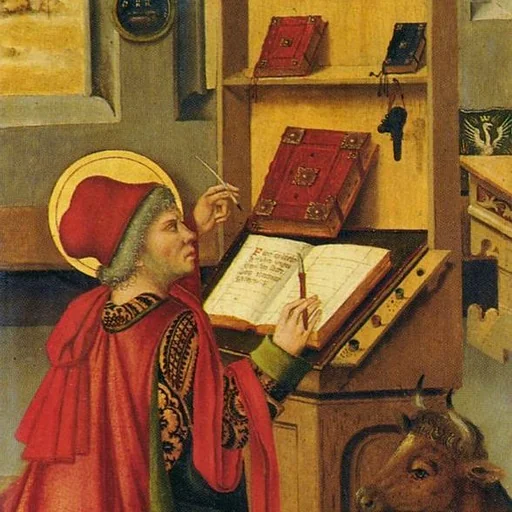
Gabriel Mälesskircher, or Mäleßkircher (pronounced ; c. 1425/30 – c. 1495) was a German painter; active in Southern Bavaria. He was a representative of the "Second Munich School of Painting".

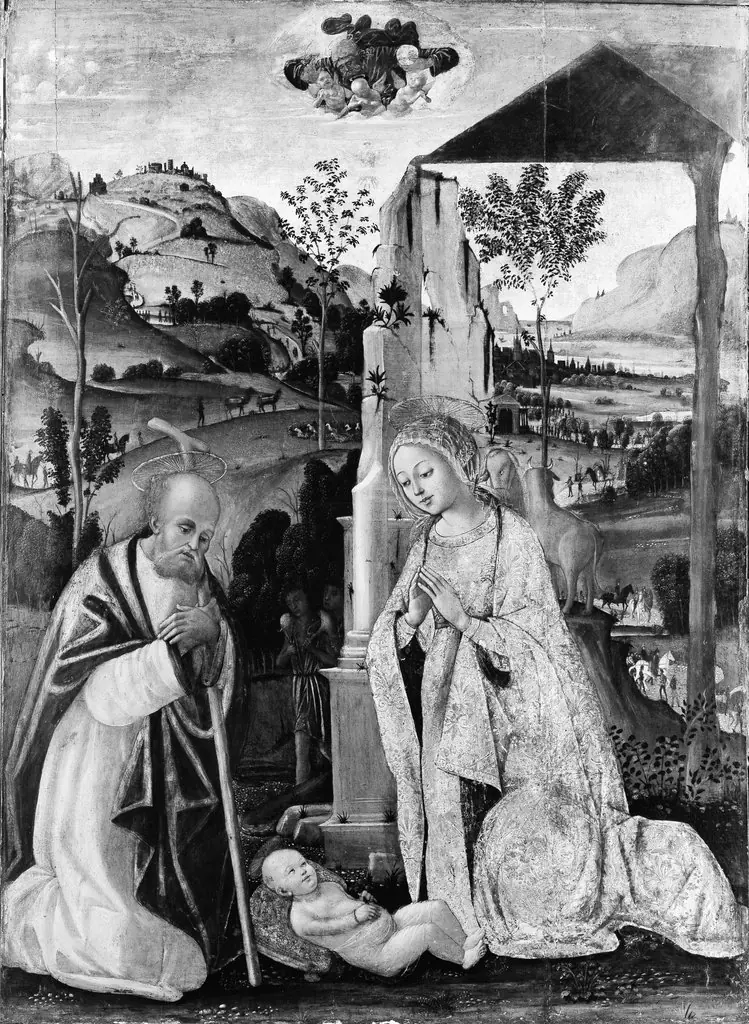 The Nativity
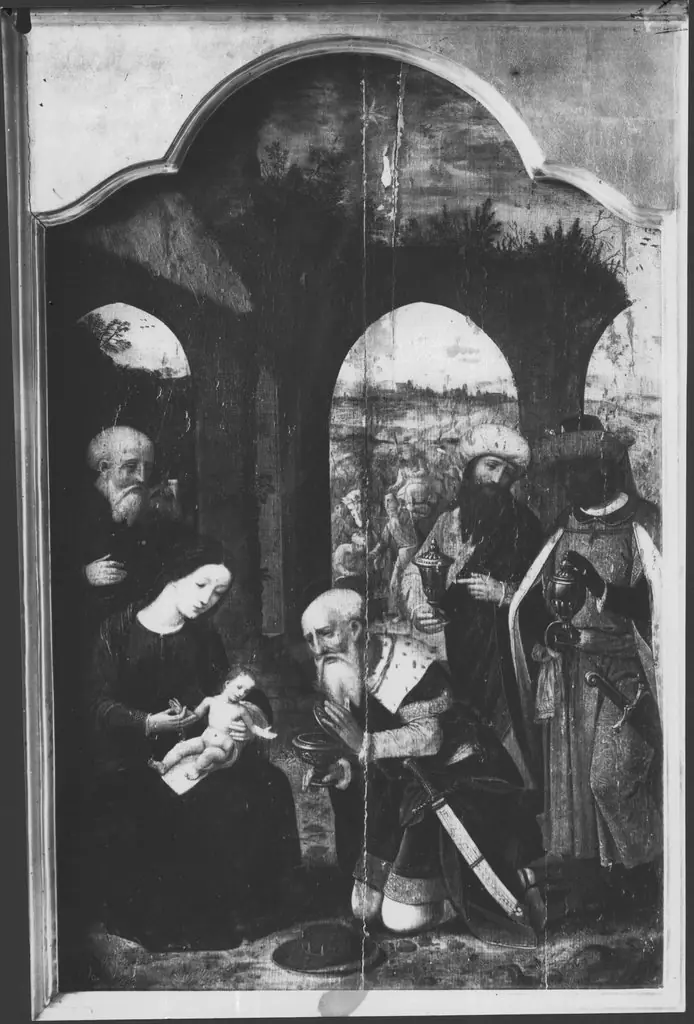 Adoration of the Magi
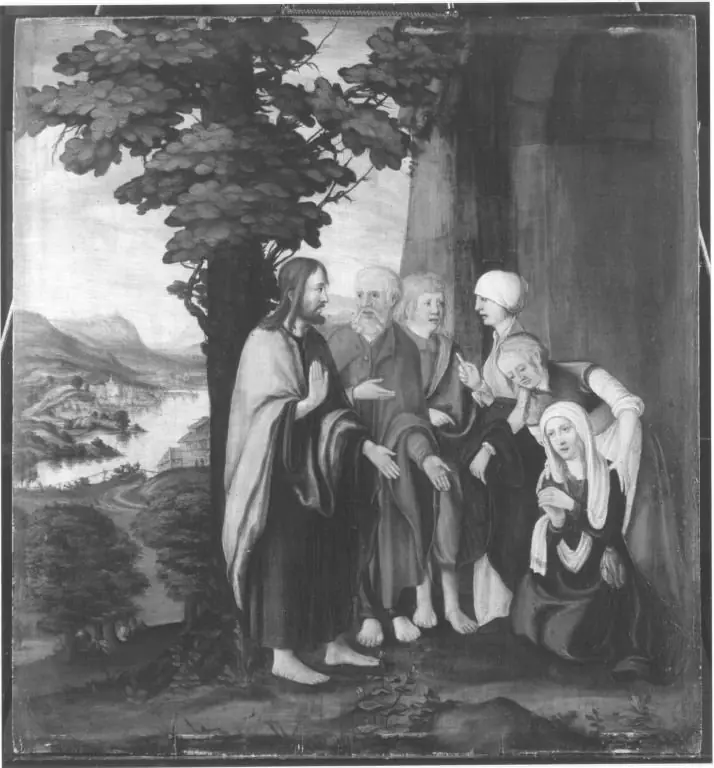 Christus und die Sünderin
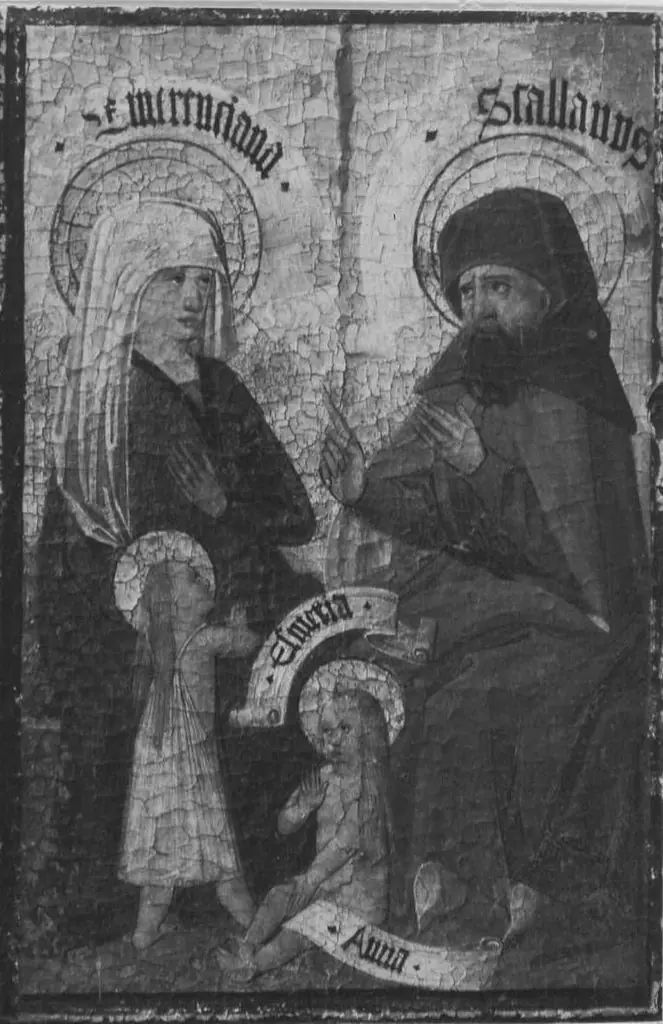 Zweiter Kirchheimer Sippenaltar: Emerentia und Stolanus mit Esmeria und Anna
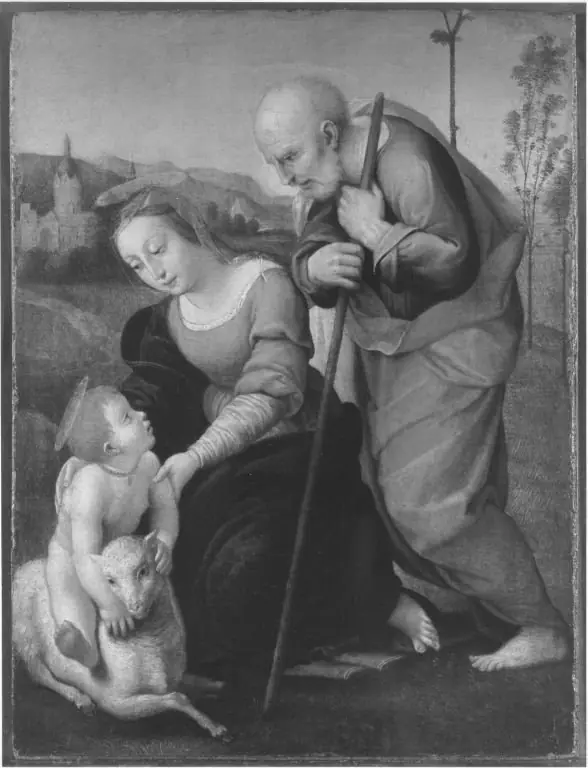 The Holy Family with a Lamb
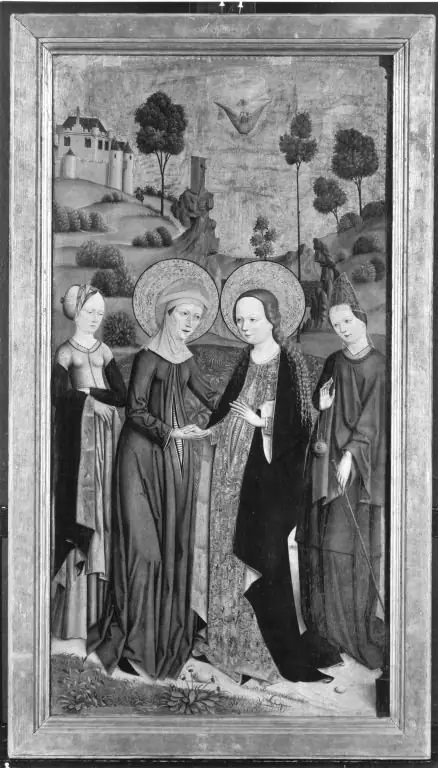 Heimsuchung Mariens Außenseite: Krönung Mariens
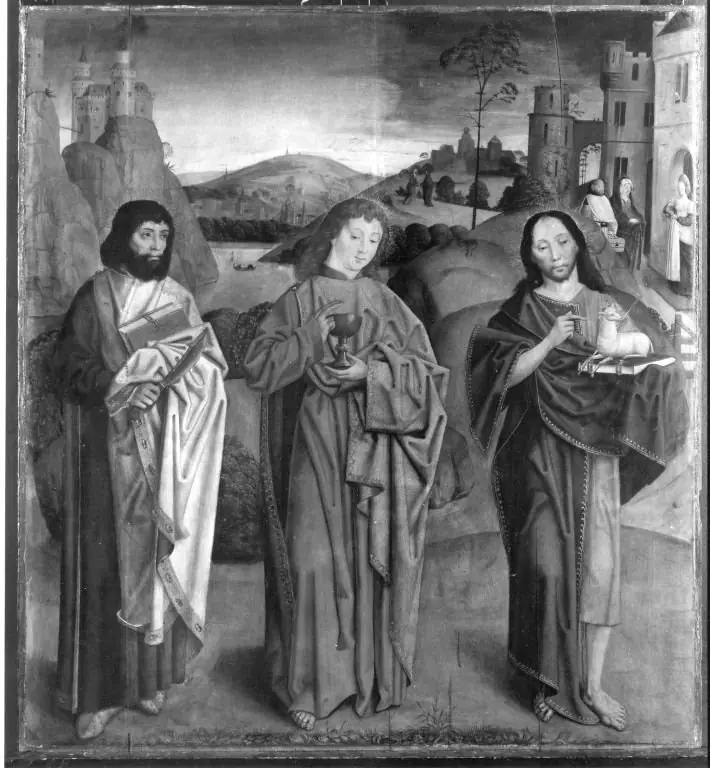 Beschneidungsaltar: Die hll. Bartholomäus, Johannes Ev. und Johannes d. T.
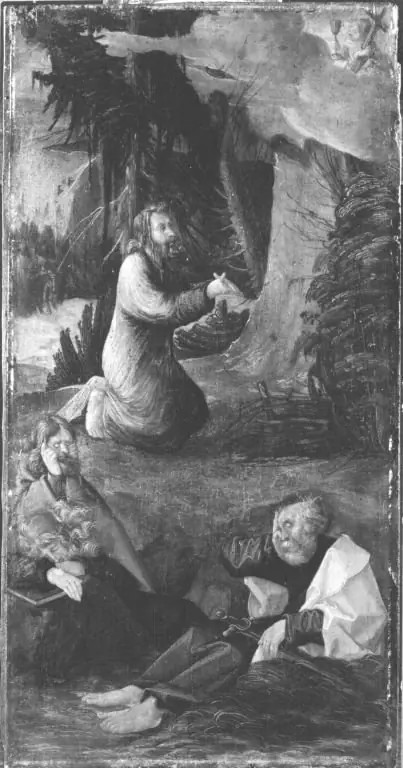 Christus am Ölberg
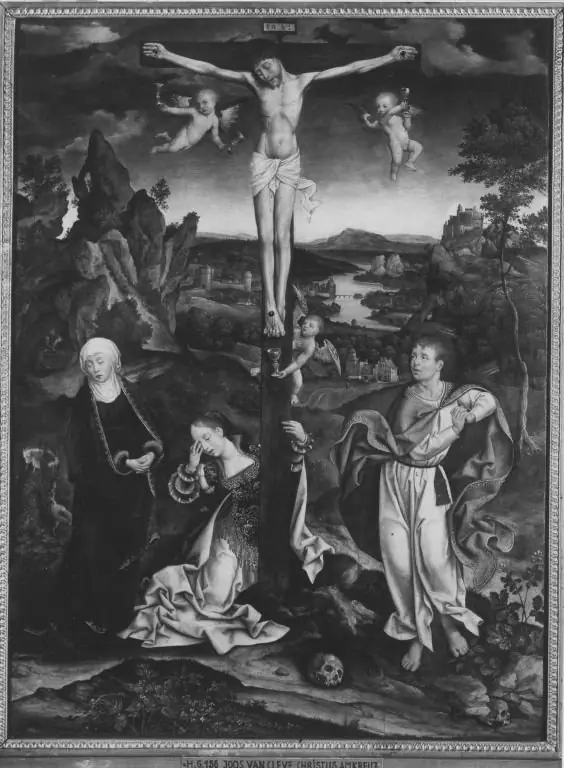 Christ on the Cross
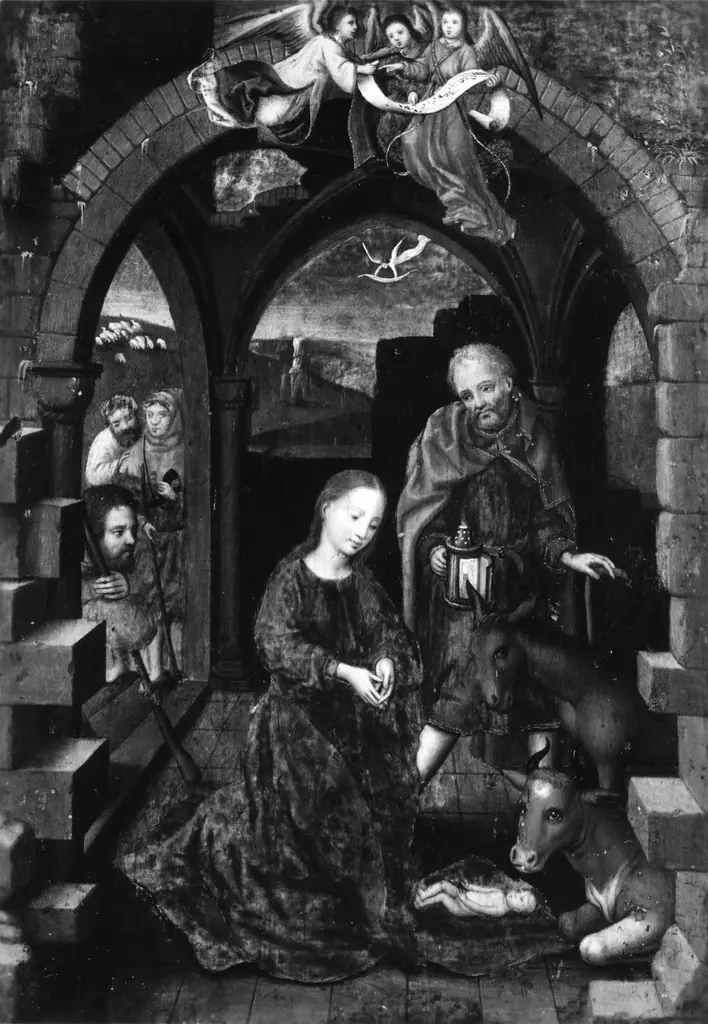 The Nativity with the Adoration of the Shepherds
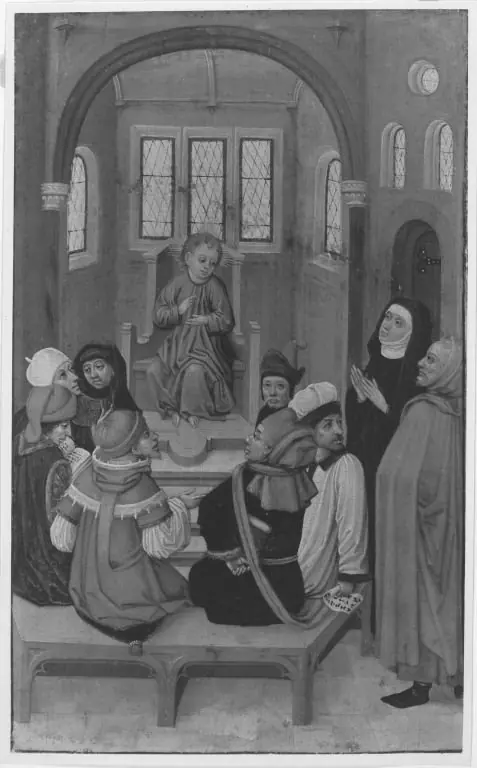 Der zwölfjährige Jesus im Tempel
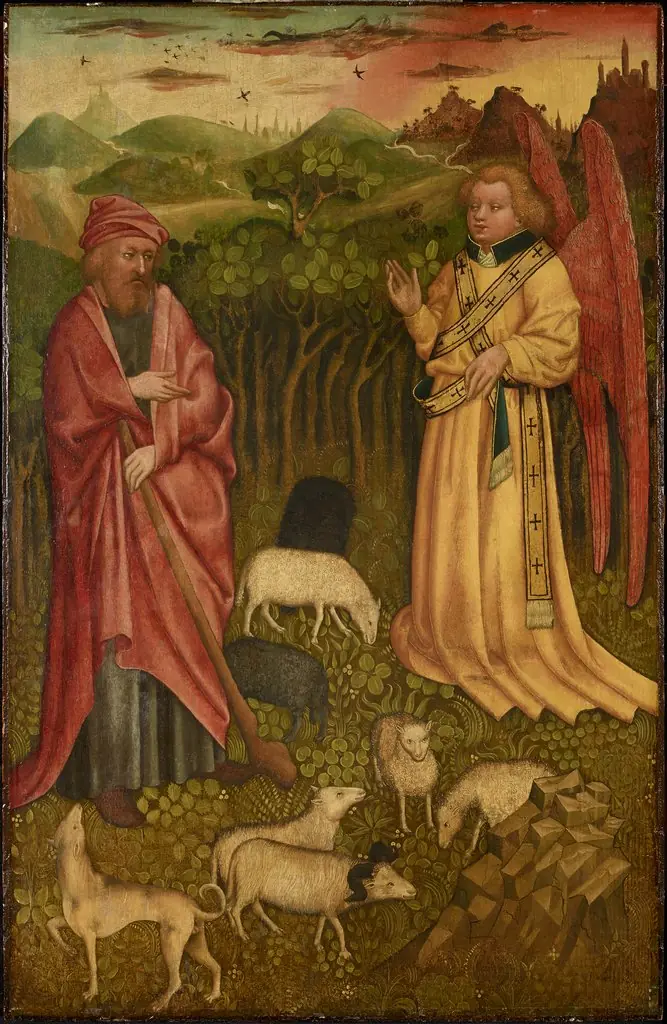 Botschaft des Engels an Joachim