Artwork
Emperor Joseph II as a Boy with the Invalids in Vienna
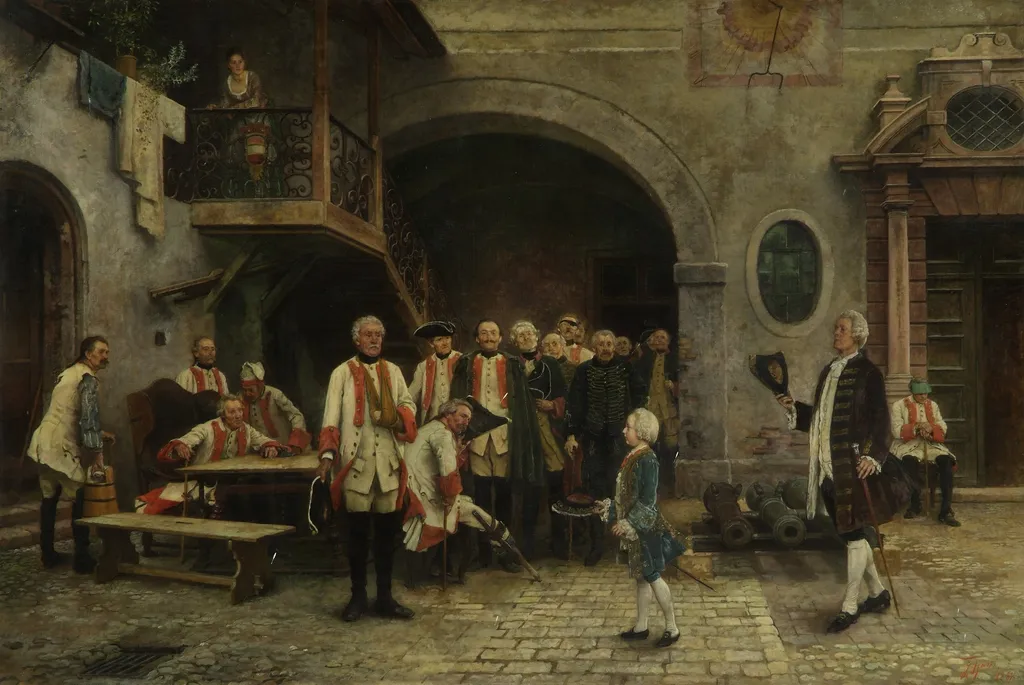
Emperor Joseph II as a Boy with the Invalids in Vienna is an oil painting by the Impressionist artist Gabriel von Hackl. It dates from 1892 and is held in the collection of the Kunsthistorisches Museum.
About this work
Overview
Painted in 1892 by Gabriel von Hackl, this oil work portrays a young boy in a blue coat surrounded by elderly men in a stone courtyard. The scene, set in Vienna, captures a quiet, intimate moment of observation and care. Though created decades after the events depicted, the painting serves as a retrospective tribute to the early life of Emperor Joseph II, then a child under imperial care.
Subject & Meaning
The boy, identified as the future Emperor Joseph II, stands apart from the group of invalid veterans, his presence suggesting imperial duty and compassion.
The boy, identified as the future Emperor Joseph II, stands apart from the group of invalid veterans, his presence suggesting imperial duty and compassion. The older men, some seated, others leaning on canes, represent the state’s responsibility toward its wounded. The composition emphasizes quiet dignity rather than ceremony, framing childhood innocence within a context of institutional care and social obligation.
Technique & Style
Hackl employs warm, muted tones to foster a sense of closeness and stillness. Light falls gently across the figures, highlighting the boy’s blue coat and the weathered faces of the veterans. Subtle chiaroscuro defines forms without dramatic contrast, reinforcing the scene’s restrained emotion. The stone architecture and cobblestones ground the composition in tangible reality, enhancing its documentary quality.
History & Provenance
Commissioned for the Kunsthistorisches Museum in Vienna, the painting was completed in 1892 as part of a broader effort to visually document Habsburg history. Though fictionalized, it draws on documented imperial visits to military hospitals. The work entered the museum’s collection shortly after completion and remains part of its 19th-century historical portraiture holdings.
Context
In late 19th-century Austria, there was renewed interest in Habsburg legacy and state-sponsored charity. Hackl’s painting reflects this cultural moment, aligning the monarchy’s past with contemporary ideals of benevolent rule. The depiction of disabled veterans also resonated with post-war societal concerns, linking imperial history with ongoing civic duty.
Legacy
The painting contributes to a tradition of Habsburg imagery that emphasizes moral authority through personal gesture rather than grandeur. While not widely reproduced, it remains a significant example of 19th-century Austrian historical painting, valued for its understated emotional tone and attention to social detail.
Own this work as a print
Artist & collection

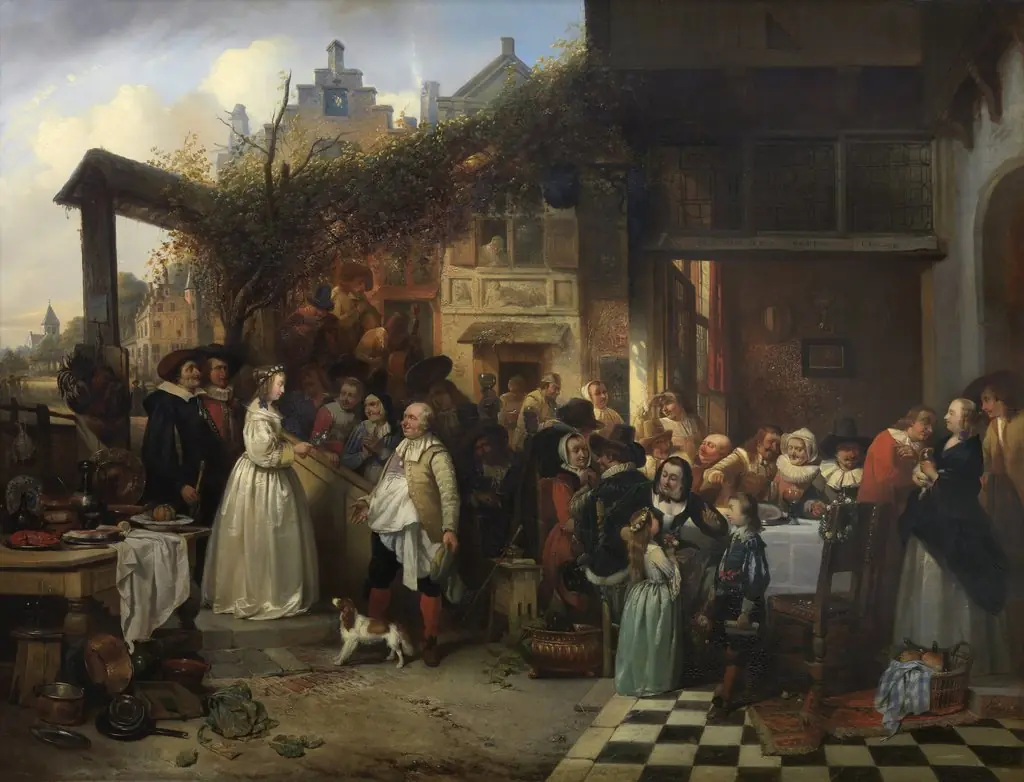 Wedding in Flanders in the Seventeenth Century
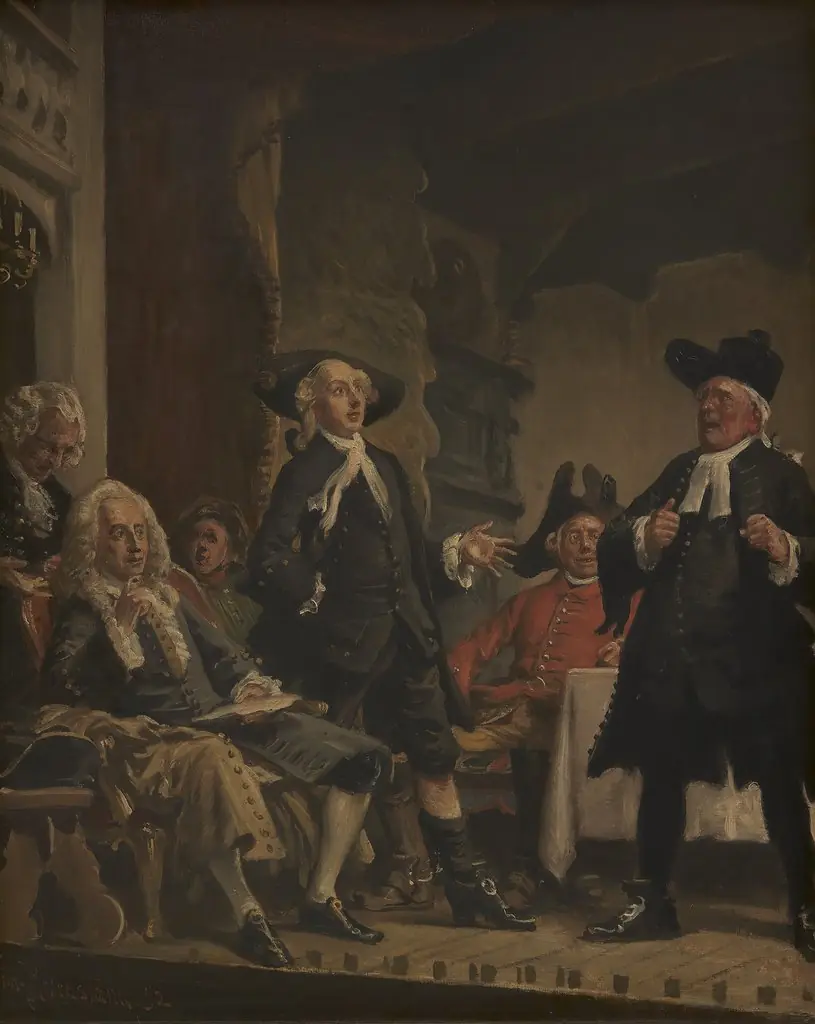 Holberg overværer en prøve på Erasmus Montanus
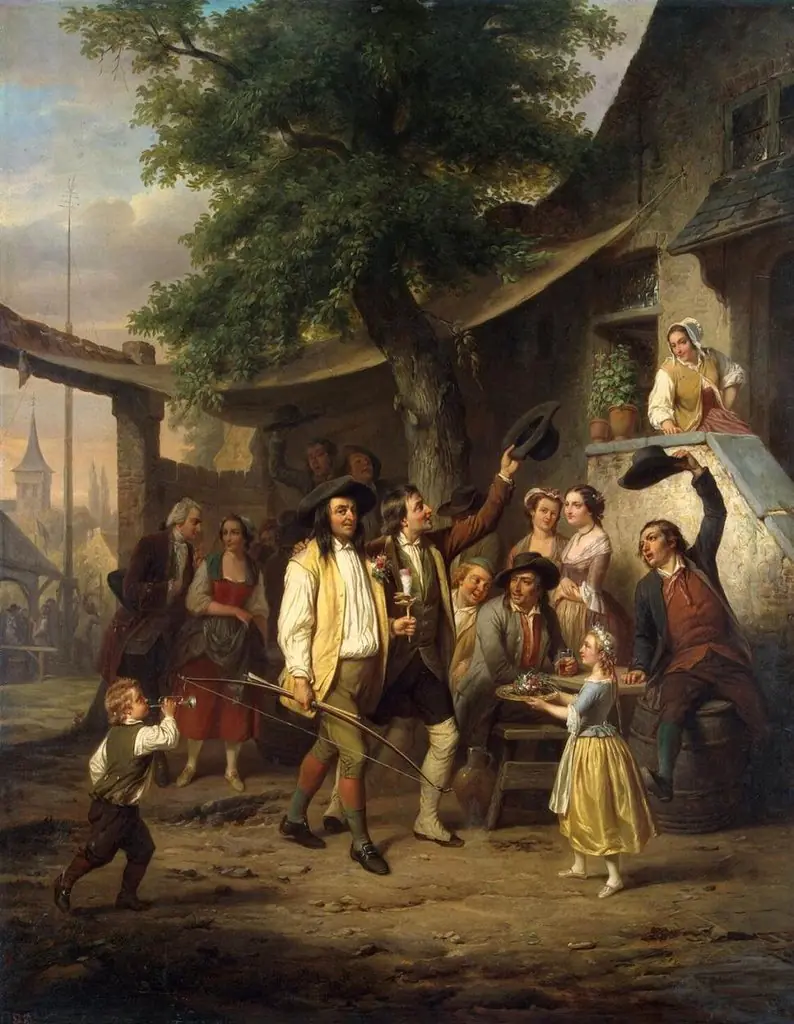 Archer the Winner
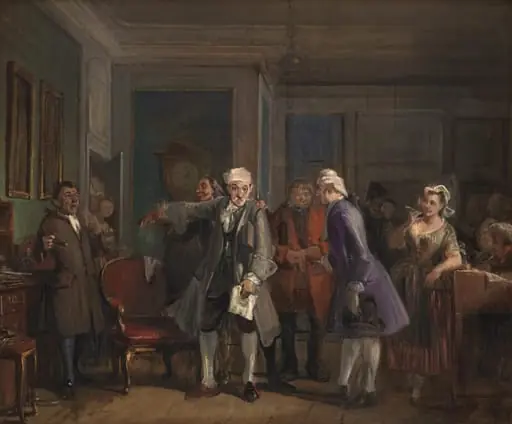 Fra Ludvig Holbergs "Den Stundesløse", I akt, 6. scene
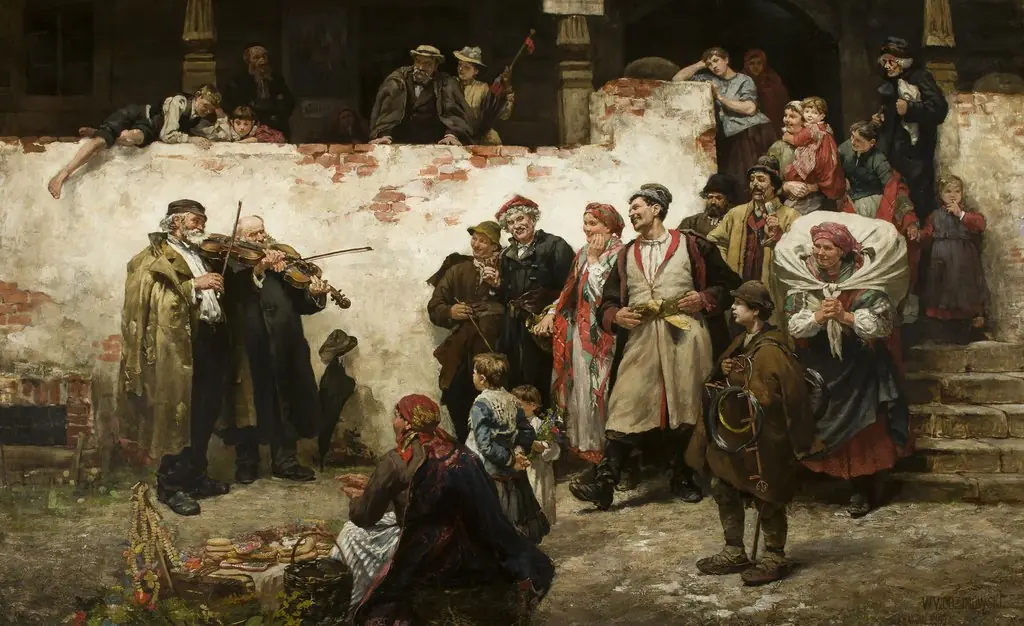 Familiar Note
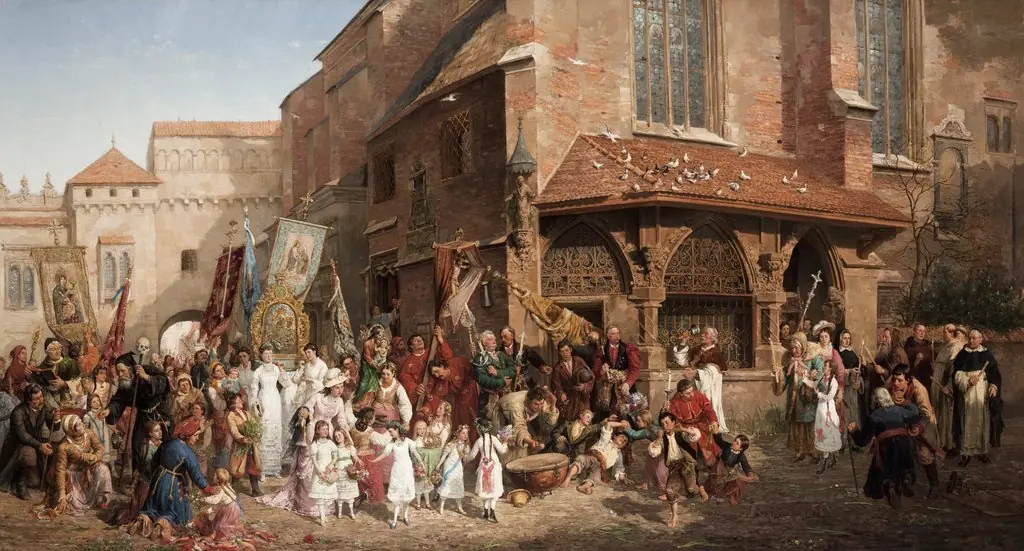 The Corpus Christi Procession
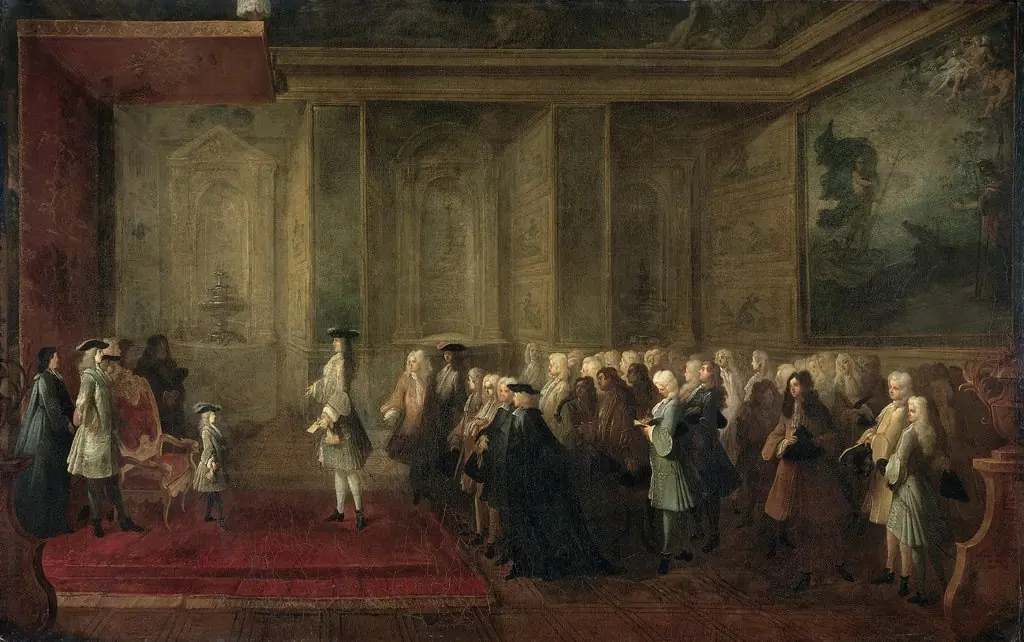 Reception of the Dutch ambassador Cornelis Hop by the French king Louis XV, 24 July 1724
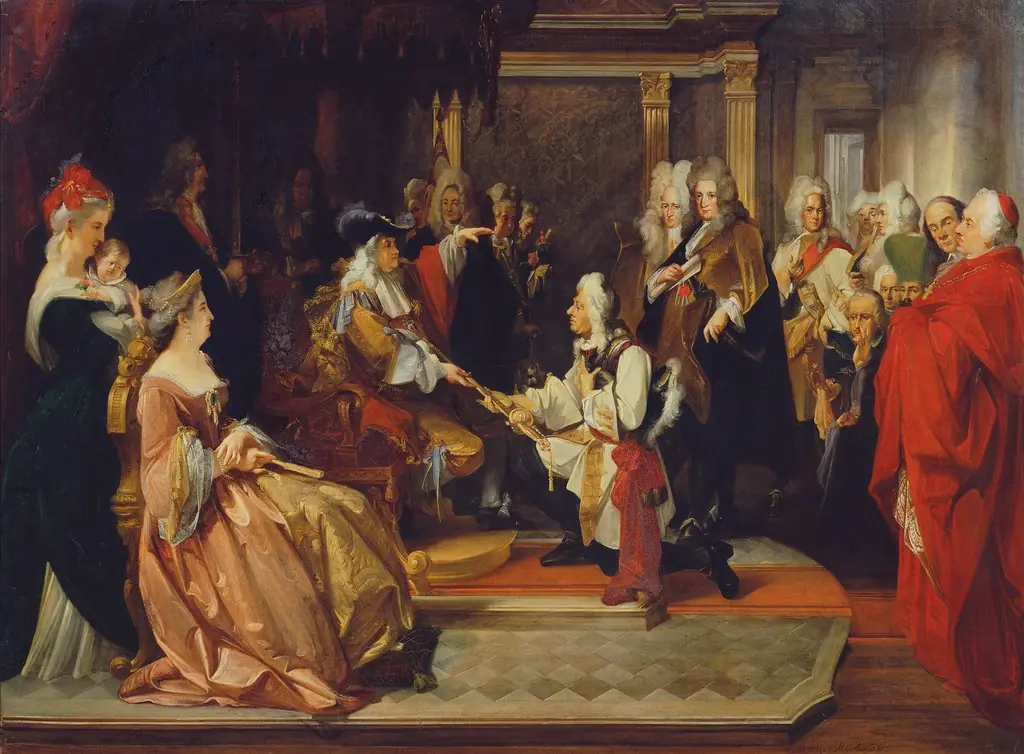 Kaiser Karl VI. überreicht Prinz Eugen nach der Schlacht bei Belgrad den Ehrendegen
 Untitled
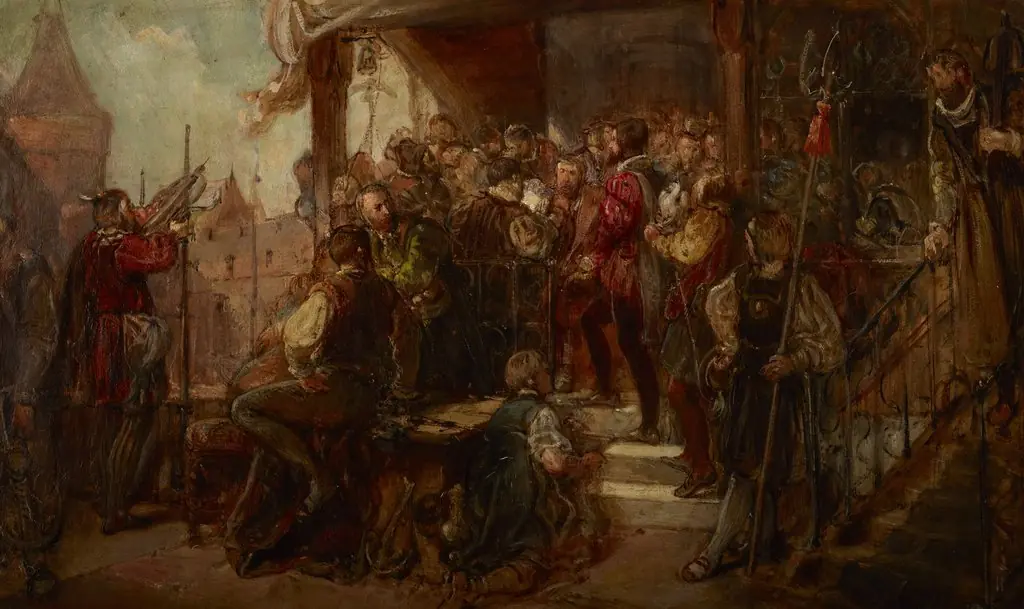 Presenting the Fowler to the Fowler Brotherhood (Sketch)
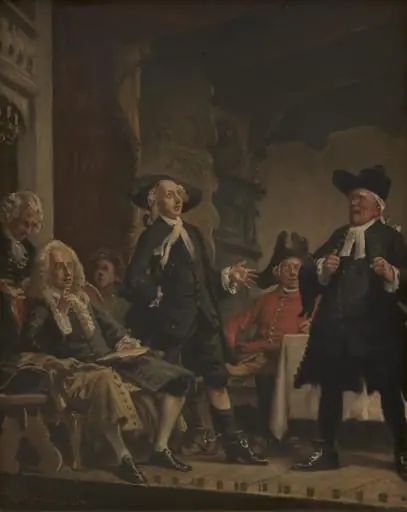 Holberg overværer en prøve på Erasmus Montanus
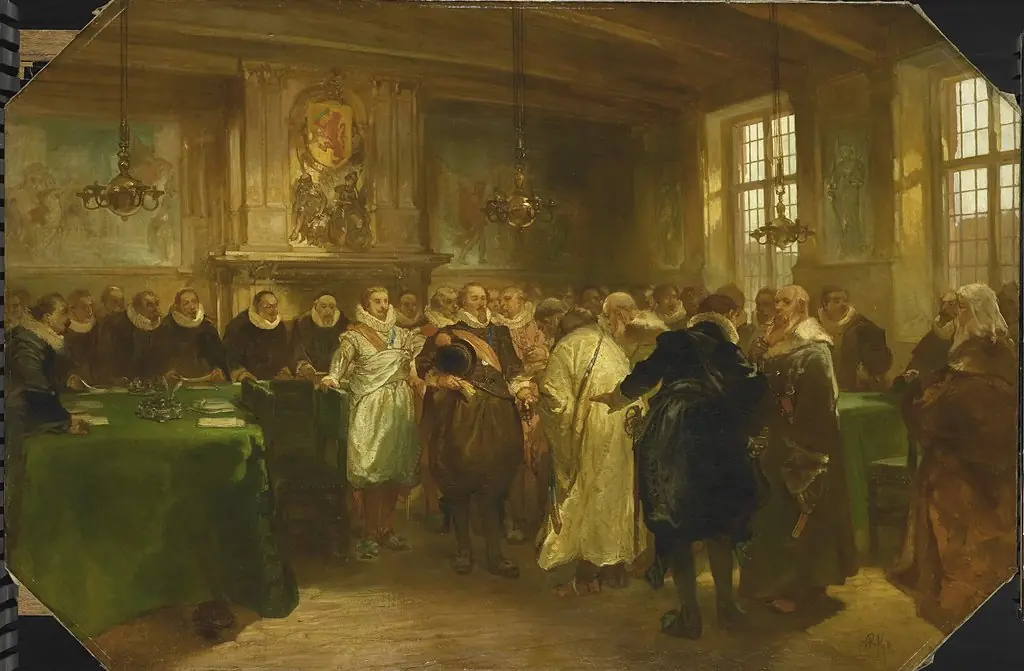 Prince Maurits Receiving a Russian Delegation in 1614