Artwork
La voluptueuse
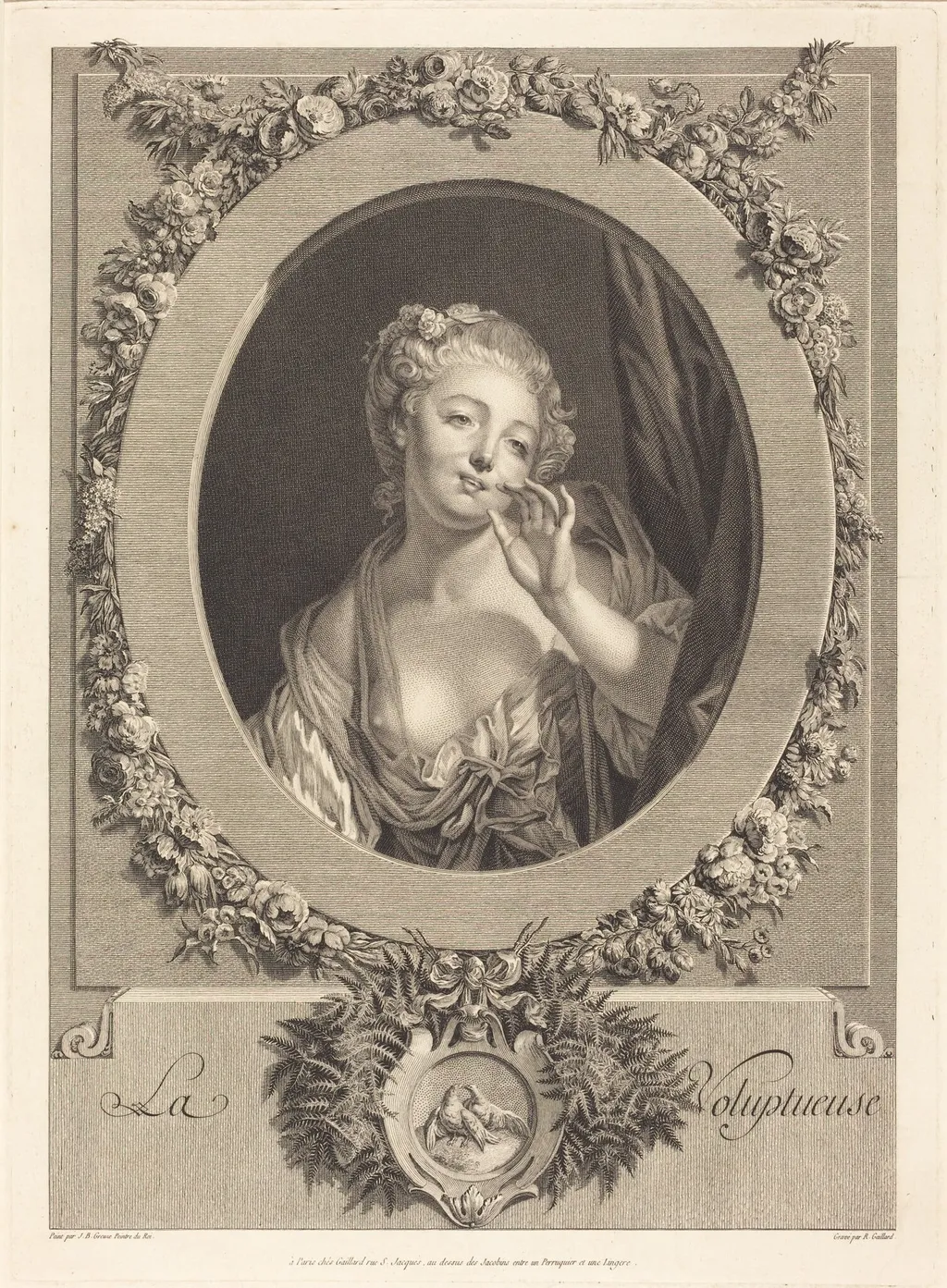
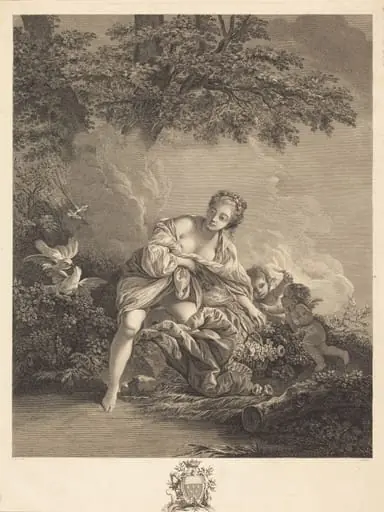
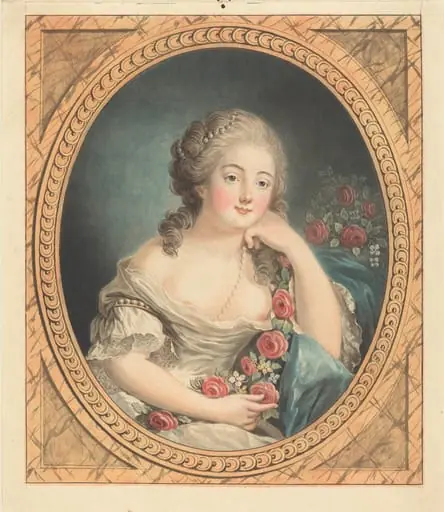
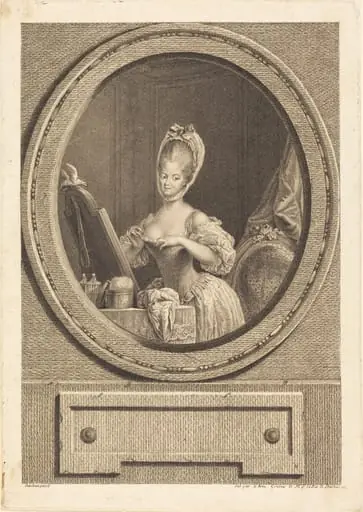
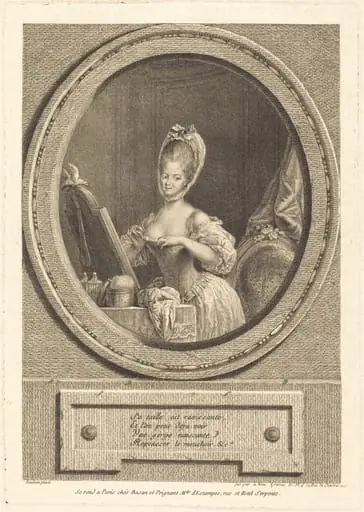
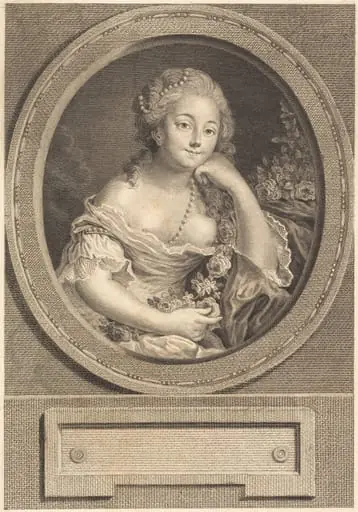
La voluptueuse is an ink print by the Baroque artist René Gaillard. It dates from 1754 and is held in the collection of the National Gallery of Art.
About this work
Overview
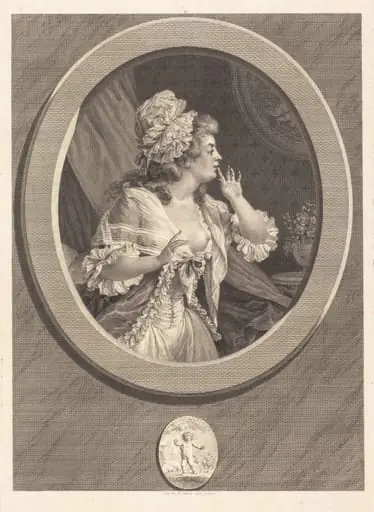
La voluptueuse, executed in 1754 by French printmaker René Gaillard, is an etched and engraved print that depicts a reclining female figure. The composition centers on a woman lounging on a richly appointed couch, surrounded by sumptuous textiles and ornamental furnishings that convey an atmosphere of leisure and abundance.
Subject & Meaning
The central figure is presented in a relaxed pose, her attire and the surrounding décor rendered with intricate detail. The emphasis on luxurious fabrics and elaborate interior elements suggests themes of sensuality and the pleasures of domestic comfort, inviting the viewer to contemplate the interplay between bodily repose and material opulence.
Technique & Style
Gaillard employed a combination of etching, drypoint, and aquatint to achieve a nuanced surface. Fine incised lines generate delicate textures on the woman's clothing and the patterned upholstery, while varied tonal washes created through aquatint provide depth and a subtle gradation of light across the scene.
History & Provenance
Created in the mid‑eighteenth century, La voluptueuse reflects the period’s fascination with erotic and genre subjects in print form. While specific ownership records are scarce, the work is catalogued among Gaillard’s oeuvre and appears in several nineteenth‑century collections of French prints.
Context
The print belongs to a broader tradition of French erotic and domestic genre imagery that flourished during the Rococo era. Its emphasis on decorative detail and sensual subject matter aligns with contemporary tastes for intimate, privately circulated artworks that blended fine craftsmanship with playful content.
Legacy
Although not as widely reproduced as some contemporaneous prints, La voluptueuse remains a valuable example of Gaillard’s technical skill and the period’s aesthetic preferences. It continues to be referenced in studies of eighteenth‑century printmaking techniques and the visual culture of sensual leisure.
Artist & collection