Artwork
Sammon taonta, luonnos Suomen paviljongin kupolifreskoihin Pariisin vuoden 1900 maailmannäyttelyyn
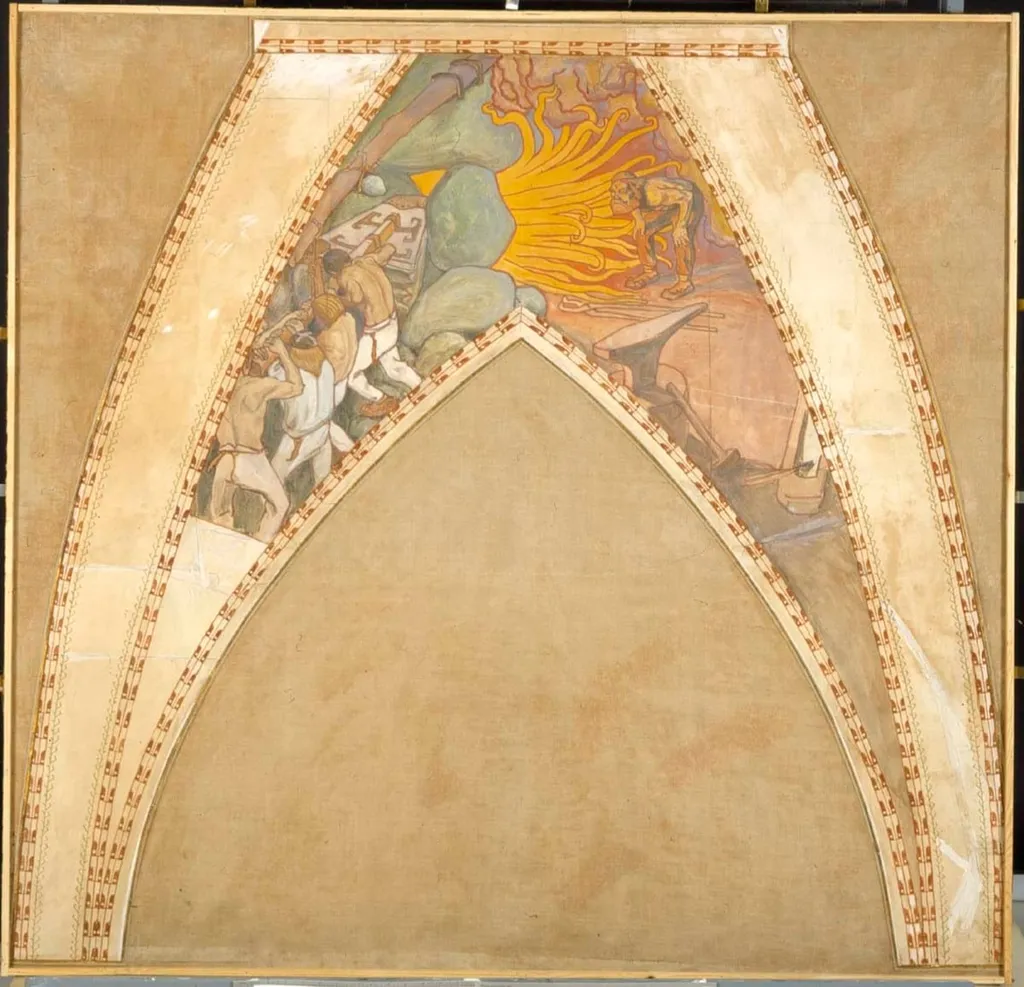
Sammon taonta, luonnos Suomen paviljongin kupolifreskoihin Pariisin vuoden 1900 maailmannäyttelyyn is an unspecified work on paper by Akseli Gallen-Kallela. It is held in the collection of the Finnish National Gallery.
About this work
This watercolor shows a man hammering hot metal at an anvil. The sparks fly up in quick little bursts. The background is just a few simple shapes—no extra details.
It’s a study for a bigger fresco in Paris’s 1900 World’s Fair pavilion. The artist kept it small and light, easy to move. That makes sense for a sketch.
Next time you’re in Helsinki, look up Gallen-Kallela, Akseli.
Overview
This watercolor study by Akseli Gallen-Kallela was prepared as a preliminary design for the dome frescoes of Finland’s pavilion at the 1900 Paris World’s Fair.
This watercolor study by Akseli Gallen-Kallela was prepared as a preliminary design for the dome frescoes of Finland’s pavilion at the 1900 Paris World’s Fair. Depicting a blacksmith at work, it captures dynamic motion through scattered sparks and minimal background elements. Its compact size and light medium suggest portability, typical of preparatory sketches intended for later enlargement and transfer to a larger surface.
Subject & Meaning
The figure, engaged in forging hot metal, symbolizes labor and craftsmanship—values central to Finnish national identity at the time. The absence of narrative context focuses attention on the physical act of creation, aligning with broader cultural ideals of self-reliance and industrial pride. The scene is not mythological but grounded in everyday work, reflecting a shift toward modern, secular themes in Finnish art.
Technique & Style
Gallen-Kallela employed loose, fluid watercolor washes to suggest movement and heat, with deliberate white highlights for flying sparks. The background is reduced to abstract shapes, eliminating distraction and emphasizing the central figure. The technique balances spontaneity with control, characteristic of preparatory studies meant to convey energy rather than finish.
History & Provenance
Created in 1899–1900, the watercolor was part of a series of studies for the Finnish pavilion’s interior decoration at the Paris Exposition. After the fair, it remained in the artist’s possession and later entered Finnish public collections. Its survival as a standalone work offers insight into Gallen-Kallela’s process before executing the final frescoes.
Context
Finland, then an autonomous Grand Duchy under Russian rule, used the 1900 World’s Fair to assert cultural visibility. Gallen-Kallela’s fresco cycle, including this study, emphasized indigenous themes and labor as pillars of national character. The pavilion’s design, though modest, became a quiet statement of Finnish identity beyond political boundaries.
Legacy
The watercolor remains a key example of how Finnish artists translated national ideals into visual form during the late 19th century. It illustrates the transition from romantic nationalism to more direct, human-centered imagery. Today, it is studied not only for its artistic merit but as evidence of Finland’s cultural diplomacy on the international stage.
Artist & collection
Artist
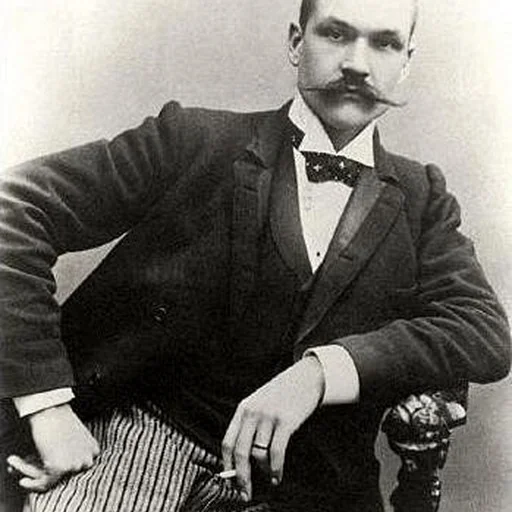
Akseli Gallen-Kallela (born Axel Waldemar Gallén; 26 April 1865 – 7 March 1931) was a Finnish painter and a leading figure of Finnish romantic nationalism around the turn of the 20th century.

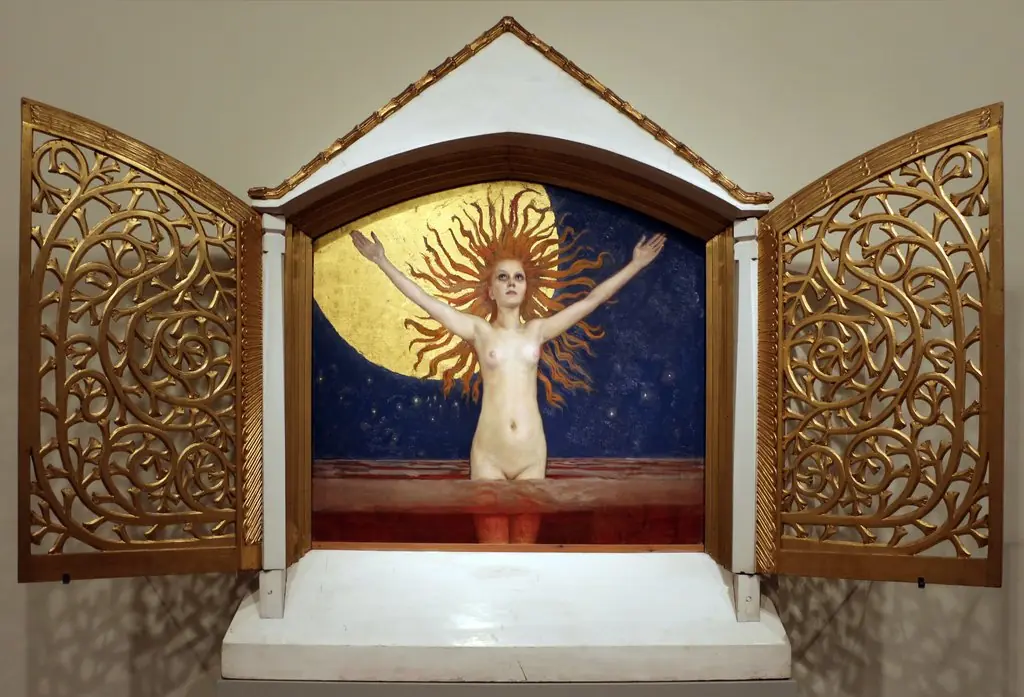
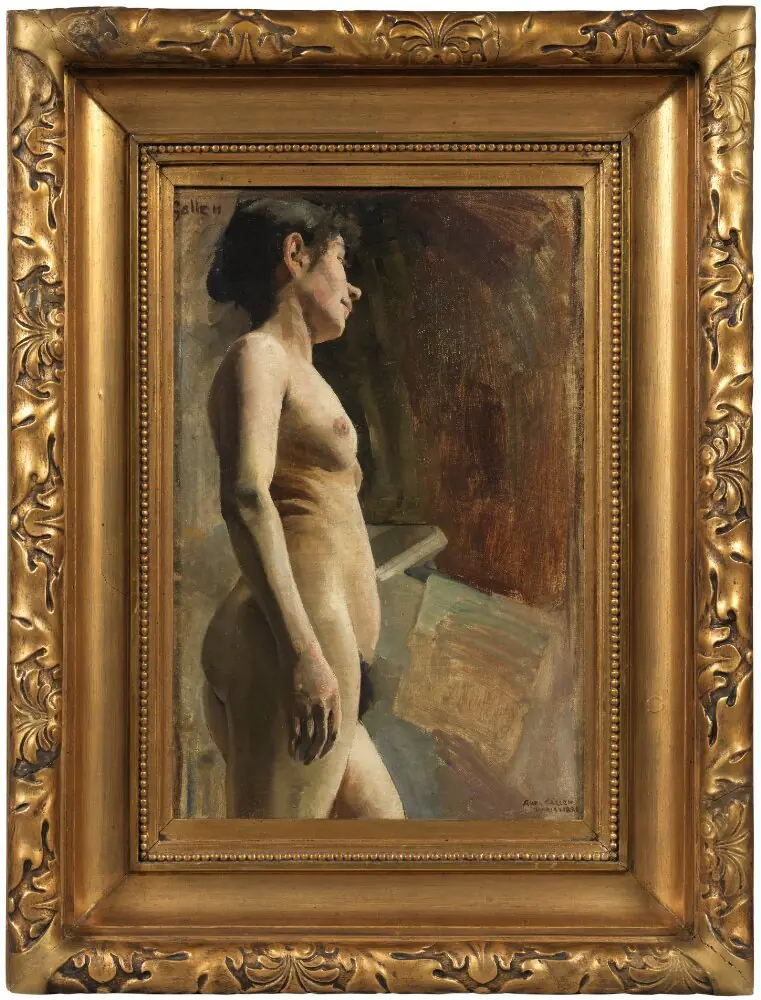
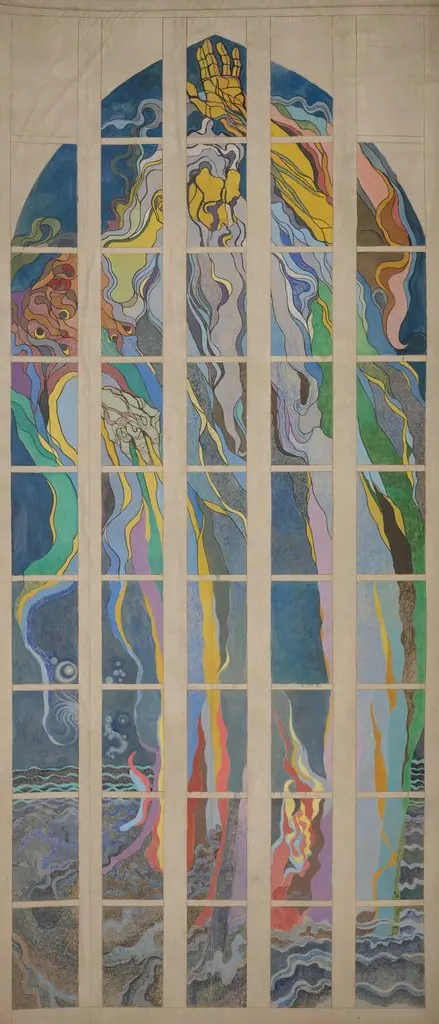 God the Father. Design to the Stained-Glass Window for the Franciscan Church in Krakow
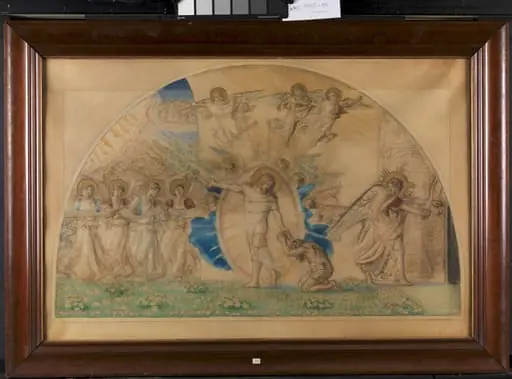 Kristus fører røveren ind i Paradiset
 Chapel Window
 Alma Mater: Fragment
 Dawn
Dawn Untitled
 Spanish Dancers and Musicians
 Icoană de formă patrulateră, cu rama compusă din patru fâșii de lemn îmbinate între ele. Toate cele patru elemente componente ale cadrului sunt prevăzute cu o șănțuire concavă, longitudinală. Tema iconografică este reprezentată de Sf. Dumitru călare, îmbrăcat în echipament militar (platoșă și suliță). În câmpul inferior al icoanei, sunt reprezentate două personaje, culcate la pământ, împunse cu sulița de către Sf. Dumitru. Pe fundalul temei este reprezentată imaginea unui oraș fortificat cu ziduri crenelate din cărămidă. Cromatica: negru, albastru, roșu, verde.