Artwork
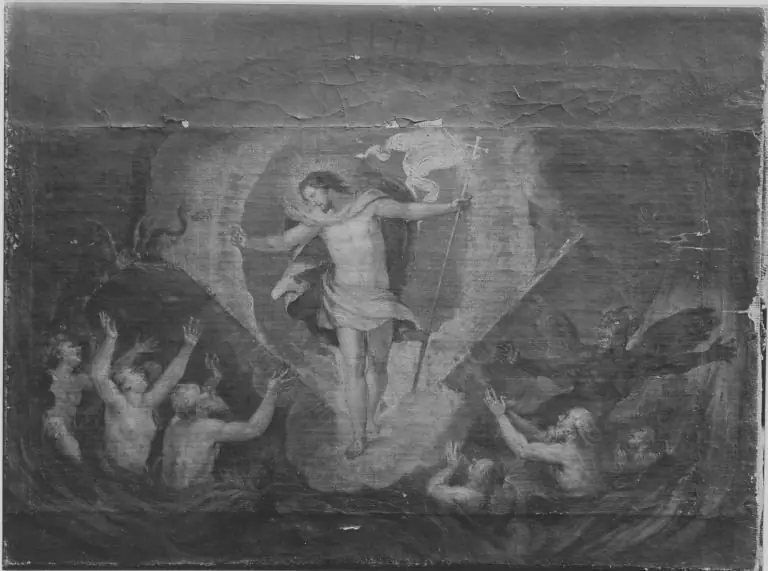
Kristus fører røveren ind i Paradiset
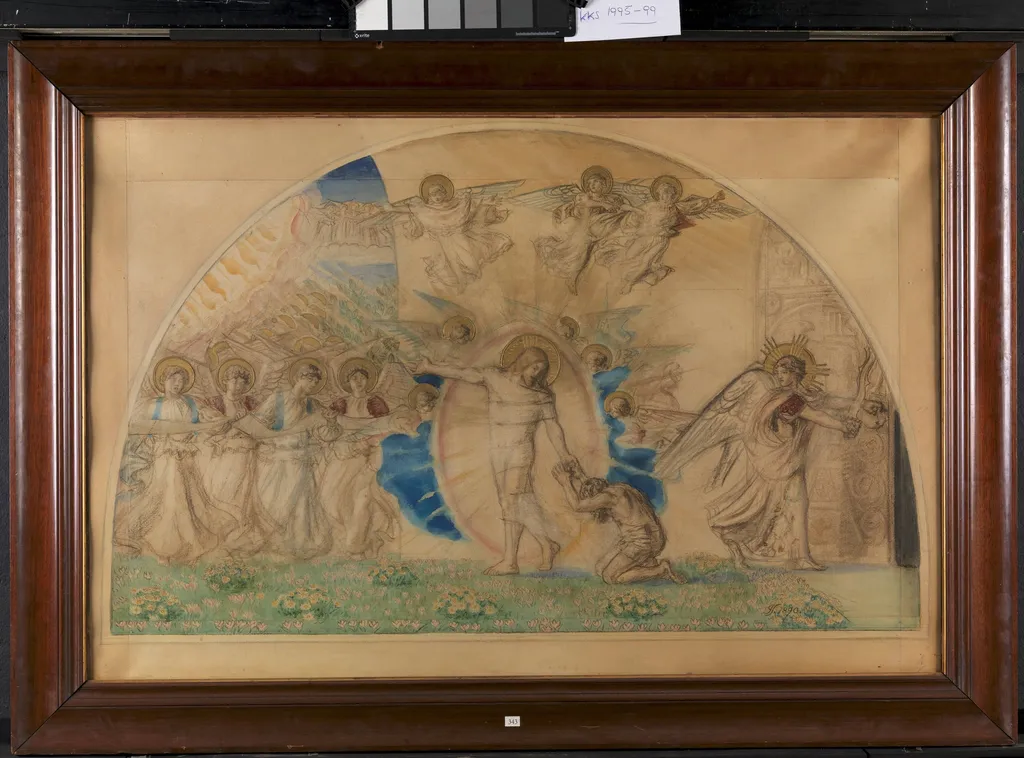
Kristus fører røveren ind i Paradiset is an unspecified painting by the Impressionist artist Unknown. It dates from 1890 and is held in the collection of the Statens Museum for Kunst. Painted in 1890 by 1231_person, this work depicts Christ leading a repentant thief into paradise.
About this work
Overview
Painted in 1890 by 1231_person, this work depicts Christ leading a repentant thief into paradise. It is part of the collection at the Museum of Ethnography. The composition centers on a serene, otherworldly moment, rendered with gentle light and soft contours. The scene avoids dramatic intensity, favoring quiet spiritual transition over theatricality.
Subject & Meaning
The painting illustrates the biblical moment when Christ promises salvation to the penitent thief crucified beside him. Christ, haloed and robed in white, gently guides the kneeling figure toward heavenly light. Surrounding angels and floral elements suggest divine presence and renewal. The scene emphasizes mercy and redemption, not punishment or judgment.
Technique & Style
The artist blends soft, diffused brushwork with naturalistic detail, evoking qualities associated with both Impressionism and Realism. Light filters through a hazy sky, casting a calm glow over the figures and foreground vegetation. Colors are muted, with pale blues and whites dominating, enhancing the dreamlike atmosphere without sacrificing anatomical clarity.
History & Provenance
Created in 1890, the painting entered the Museum of Ethnography’s collection shortly after its completion. Its presence in an ethnographic institution, rather than a fine arts museum, suggests it was acquired as part of a broader interest in religious imagery from diverse cultural contexts, though its origin is European.
Context
In late 19th-century Europe, religious themes remained popular in art, even as secularism grew. This work reflects a quiet, personal piety common in devotional painting of the era, distinct from the grand narratives of academic history painting. Its intimate scale and tender tone align with contemporary spiritual movements emphasizing inner experience.
Legacy
Though not widely exhibited beyond its institutional home, the painting contributes to a lesser-known strand of religious art that prioritized emotional subtlety over doctrinal assertion. Its preservation in an ethnographic setting underscores shifting museum practices in the early 20th century, where sacred imagery was increasingly viewed as cultural artifact.
Artist & collection

 Domestic Scene
 Giacomo and Cardinal Marco, investing Andrea, Abbot of San Zeno, with his Benefice
 The Nymph of Fontainebleau
 Portrait of a Woman
 Madonna and Child with Saints in the Enclosed Garden
 Venus and Minerva
 Family Group of Four on Sofa
 Wall painting from Room H of the Villa of P. Fannius Synistor at Boscoreale
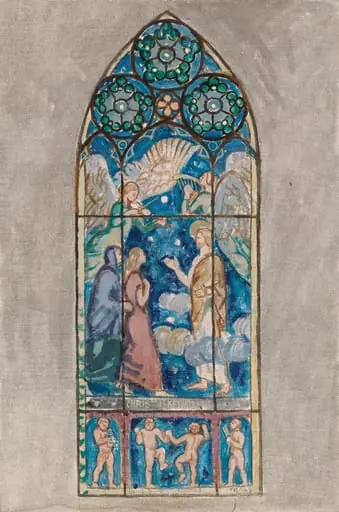 Christus resurrexit, luonnos Porin kirkon lasimaalausta varten
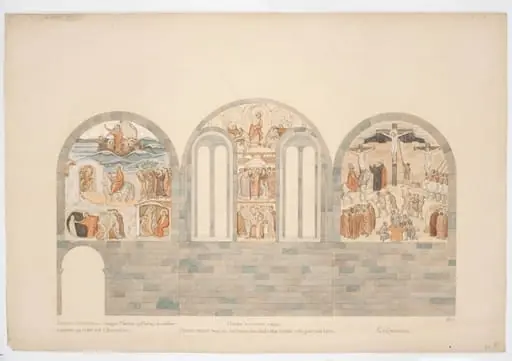 Udkast til freskerne i Viborg Domkirke. Nordre korsarms vægge
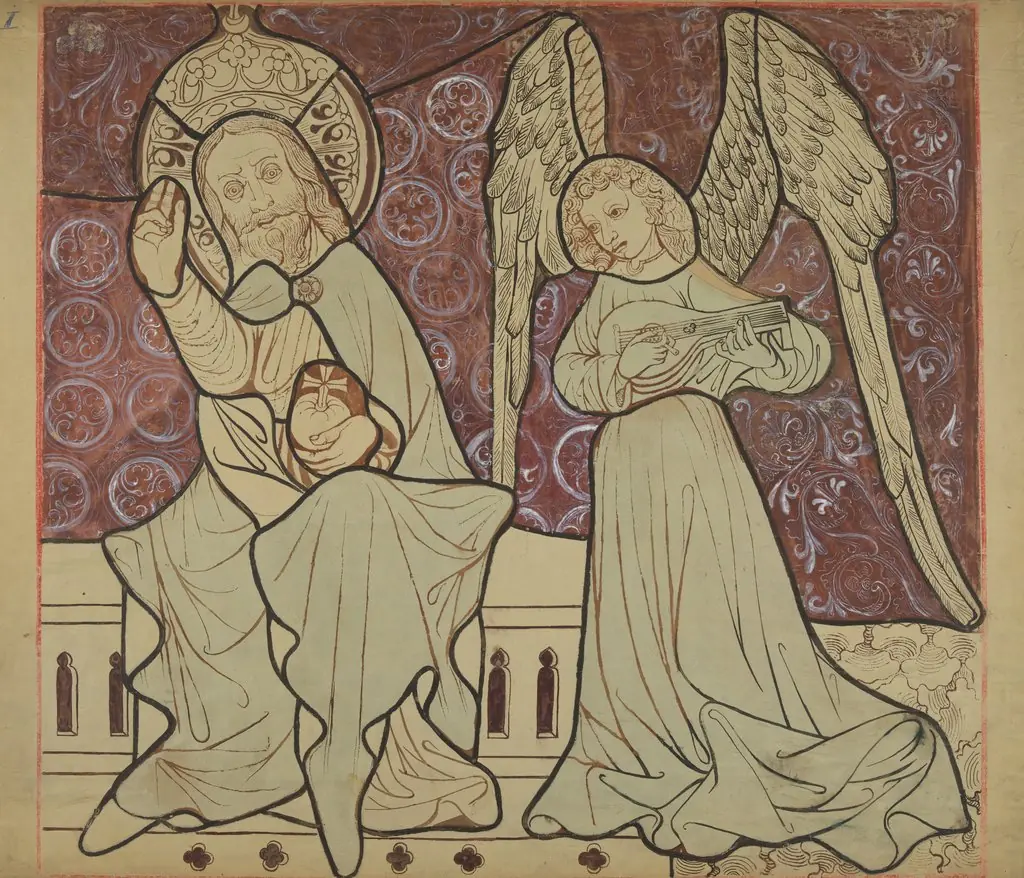 Enthroned Christ with an angel from the scene "Coronation of the Blessed Virgin Mary" (right part). Artistic reconstruction of a stained-glass panel from the Dominican church in Kraków
 Watercolou, copy after Venus and the Three Graces, Sandro Botticelli in the Musée du Louvre (Paris)
 Sammon taonta, luonnos Suomen paviljongin kupolifreskoihin Pariisin vuoden 1900 maailmannäyttelyyn
 Schiță de tavan
 Prophets and Sibyls
 Enthroned Mary with an angel from the scene "Coronation of the Blessed Virgin Mary" (left part). Artistic reconstruction of a stained-glass panel from the Dominican church in Kraków
 The Circle of the Lustful: Paolo and Francesca
 COMPOZIȚIE
 Poets on Mount Parnassus
 Christus im Limbus