Artwork
Heads of Two Bishops
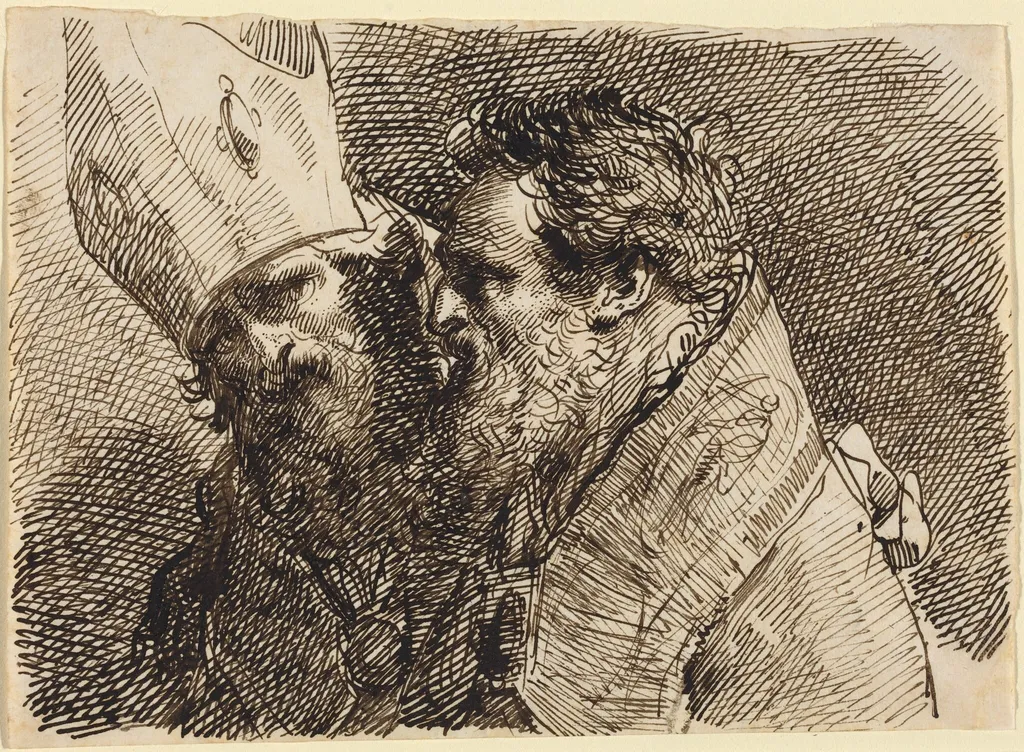
Heads of Two Bishops is an ink drawing by the Romanticist artist Gaetano Gandolfi. It dates from 1780 and is held in the collection of the National Gallery of Art.
About this work
Overview
It belongs to a body of work produced in Bologna, where Gandolfi was a central figure in late Baroque artistic circles.
Created around 1780 by Gaetano Gandolfi, this drawing is a study in pen and brown ink on laid paper. It belongs to a body of work produced in Bologna, where Gandolfi was a central figure in late Baroque artistic circles. The piece captures two clerical figures with intense, textured linework, reflecting the artist’s skill in observational drawing and his interest in character expression through minimal means.
Subject & Meaning
The two figures are identified as bishops, distinguished by their ecclesiastical garments and attributes: one holds a book, suggesting scholarly or liturgical authority; the other rests a hand on a pastoral staff, symbolizing spiritual guidance. Their obscured faces, partially veiled by dense shadows, evoke a sense of solemnity and mystery, emphasizing their roles as figures of quiet power rather than individualized portraits.
Technique & Style
Gandolfi employed dense cross-hatching to build form and shadow, avoiding smooth gradations. The overlapping, tangled lines create a tactile, almost chaotic texture that animates the surfaces of the faces and robes. This method prioritizes energy and rhythm over polish, giving the figures a visceral presence. The technique reflects a deliberate embrace of draftsmanship as an expressive tool, not merely a preparatory step.
History & Provenance
The drawing originates from Gandolfi’s active period in Bologna, where he and his brother Ubaldo were prominent in religious and academic commissions. While its exact early ownership is undocumented, it aligns with his known practice of producing independent figure studies, often drawn from life or memory, separate from larger painted compositions. Its survival suggests it was valued as a finished work.
Context
In late 18th-century Bologna, drawing was central to artistic training and intellectual exchange. Gandolfi’s focus on expressive portraiture and ecclesiastical subjects reflected both local devotional culture and the academic emphasis on anatomical and psychological study. This work exemplifies how draftsmen used ink to explore character and presence, bridging the Baroque tradition with emerging Enlightenment interests in human individuality.
Legacy
Gandolfi’s approach to ink drawing influenced later generations of Italian artists who valued expressive line over polished finish. His use of cross-hatching to convey psychological depth rather than mere volume became a reference point in academic circles. Though less known today than his painted altarpieces, this drawing endures as a testament to the power of direct, unembellished observation in drawing.
Artist & collection
Artist
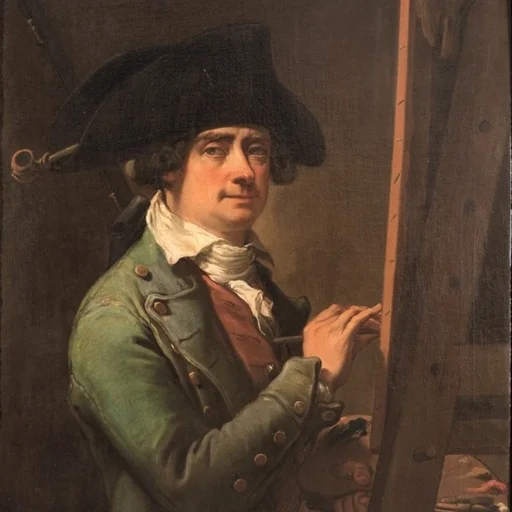
Gaetano Gandolfi (31 August 1734 – 20 June 1802) was an Italian painter, draughtsman and sculptor of the late Baroque period, mainly active in and around Bologna.

 Study of Heads (recto)
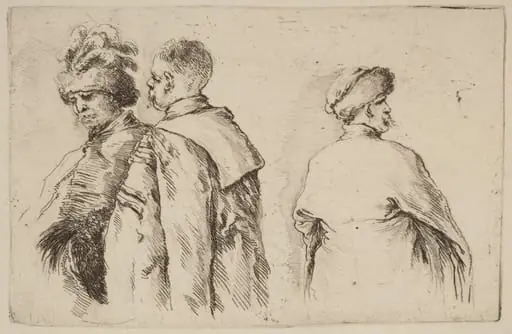 Three Hungarians
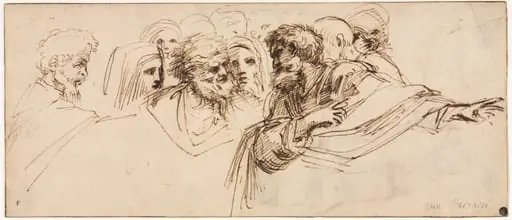
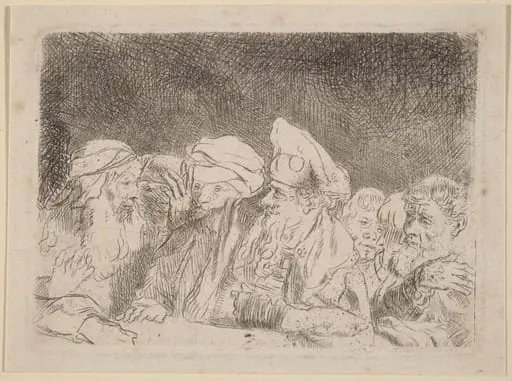 The Pharisees Debating (Fragment from the Hundred Guilder Print)
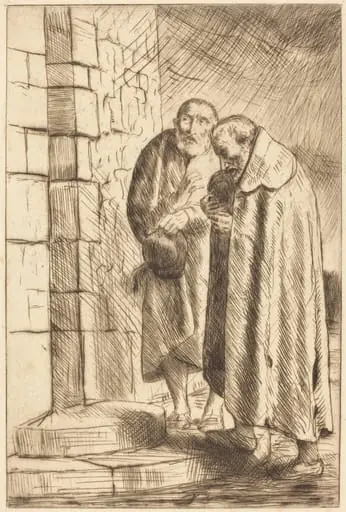 Saint Peter and Saint Paul in the Door of M. Richard (St. Pierre et St. Paul a la porte de M. Richard
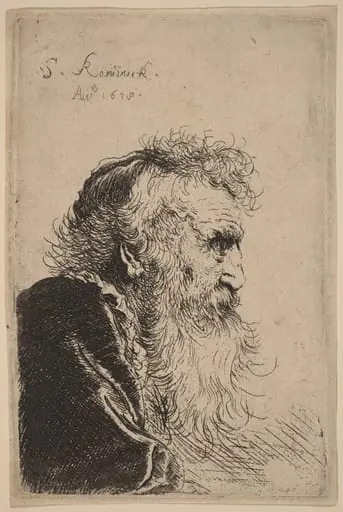 Bust of an Old Man in Profile, Facing Right
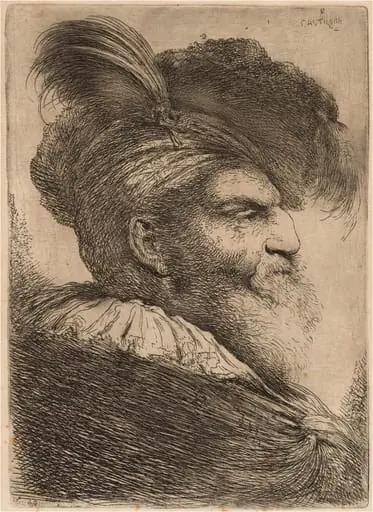 Man with a Long Beard and Headdress, Facing Right
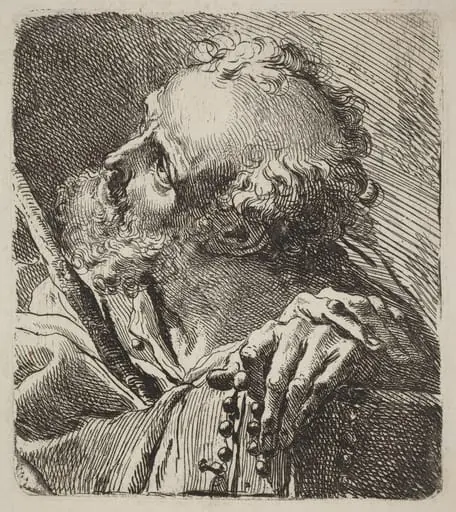 Bust of a Saint
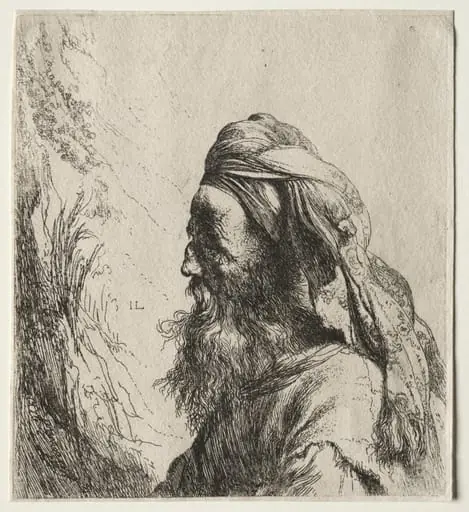 Head of an Oriental
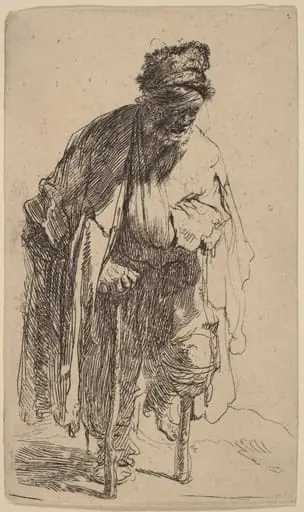 Beggar with a Wooden Leg
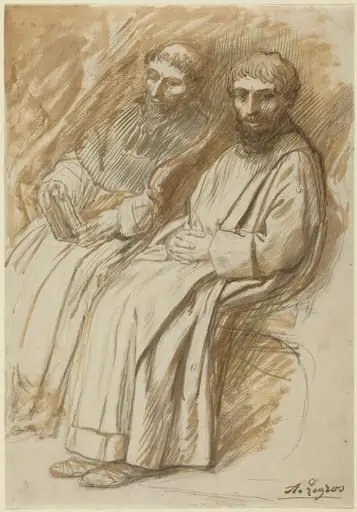 Two Monks Seated in a Church
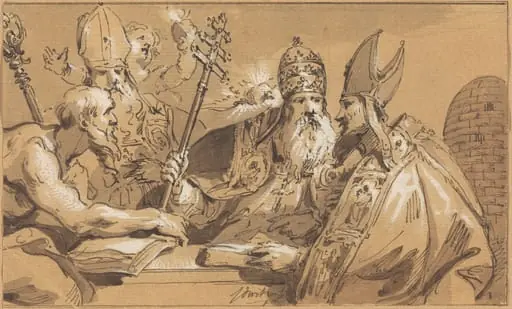 The Four Fathers of the Church
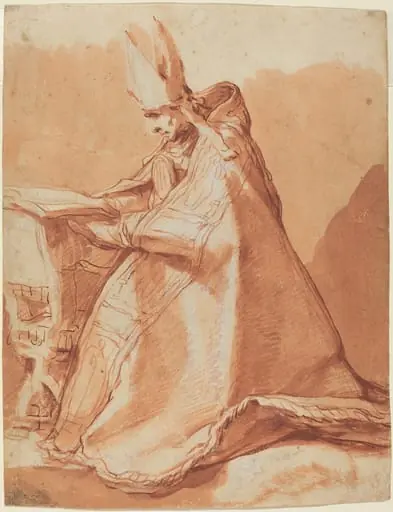 Seated Bishop