Artwork
National Photographic Record and Survey
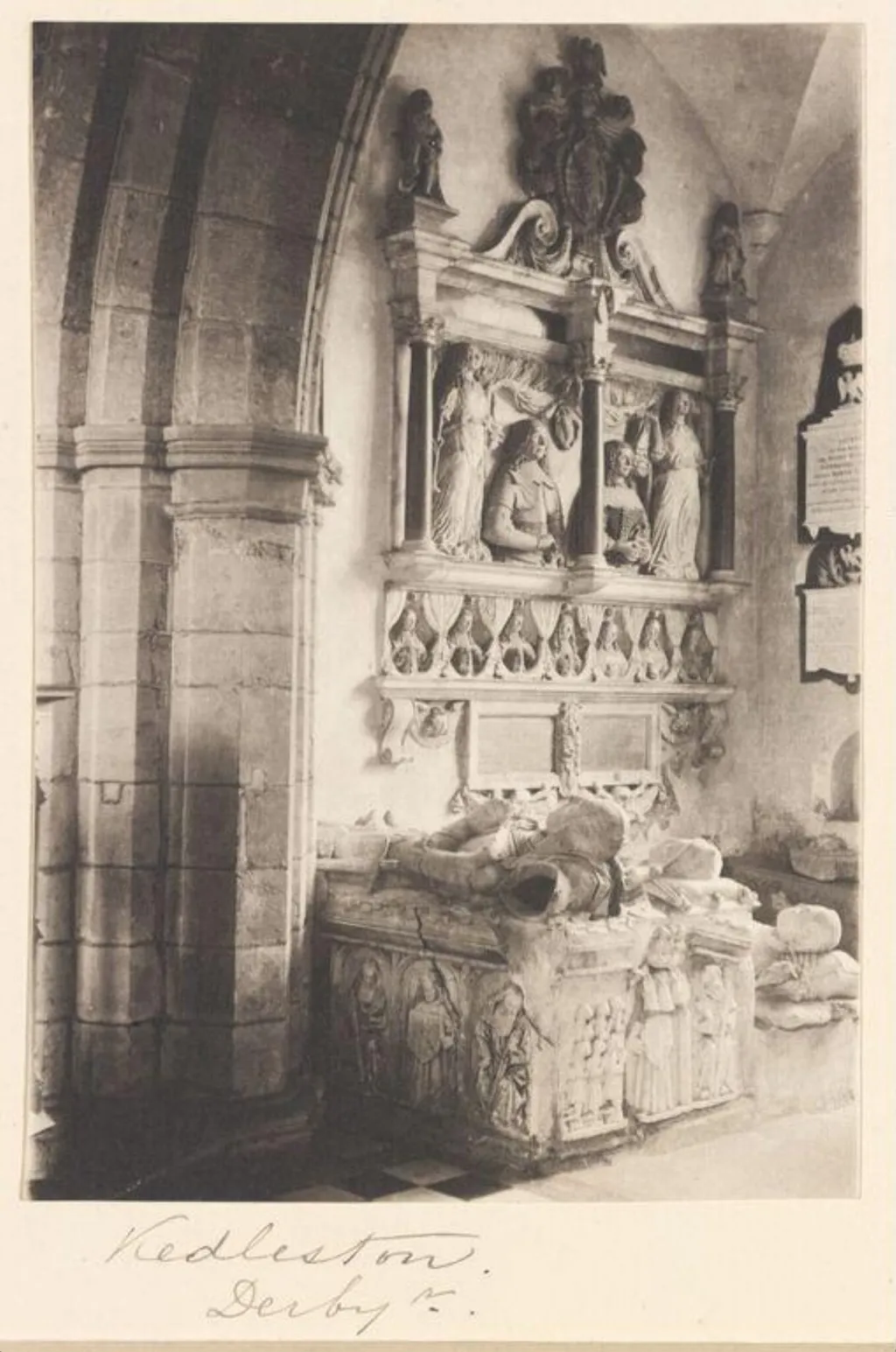
National Photographic Record and Survey is a photographic photography by F.H. Gandy. It dates from 1902 and is held in the collection of the Victoria and Albert Museum. Taken in 1902 by Mrs.
About this work
The photo was taken around 1902, so it captures a moment when churches still had these detailed, almost theatrical altars.
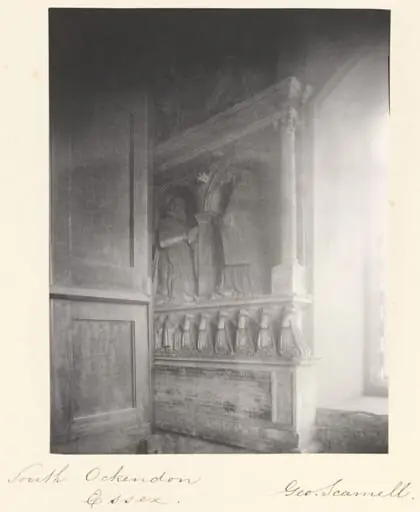
This black-and-white photo shows a corner of an old church. Stone pillars line the left side, and a carved wooden altar stands against the back wall. On the altar, a few statues—some standing, some kneeling—are arranged on shelves. Below them, a draped coffin sits with more carved figures around it.
The photo was taken around 1902, so it captures a moment when churches still had these detailed, almost theatrical altars. The carvings look worn but still striking.
Next, check out the Victoria and Albert Museum to see more historic photos like this one.
Overview
Taken in 1902 by Mrs. F.H. Gandy, this black-and-white photograph documents an interior church space featuring a sculpted altar ensemble. The image captures the quiet solemnity of a devotional setting, with stone pillars framing the composition and a wooden altar holding carved figures and a draped coffin. The photograph serves as a record of ecclesiastical furnishings before widespread modernization.
Subject & Meaning
The altar displays a group of carved religious figures—some standing, others kneeling—arranged around a coffin, suggesting a funerary or memorial context. The positioning implies veneration of the deceased, possibly a patron or clergy member, with the figures likely representing saints or biblical characters. The draped cloth and sculpted forms reflect a tradition of honoring the dead through symbolic, tactile devotion.
Technique & Style
The photograph is rendered in fine-grained monochrome, emphasizing texture and contrast. Light falls subtly across stone, wood, and fabric, revealing wear on the carvings and the folds of the shroud. The composition is formal and centered, prioritizing documentation over dramatic effect, consistent with early 20th-century photographic surveys aimed at preserving architectural and artistic detail.
History & Provenance
The image was produced as part of a broader effort to record ecclesiastical art before it was altered or lost. Mrs. F.H. Gandy, an amateur photographer, contributed to this movement, likely under the auspices of a local or national survey. The photograph’s survival suggests it was archived for historical study, possibly in institutional collections focused on religious heritage.
Context
In early 1900s Britain, many churches still retained elaborate pre-Reformation or Victorian-era altarpieces, despite growing reformist sentiment. This image reflects a transitional moment: traditional devotional objects remained in use, even as modernization and changing liturgical practices threatened their permanence. Such photographs became vital for preserving visual evidence of these fading customs.
Legacy
The photograph contributes to a growing archive of ecclesiastical interiors from the late 19th and early 20th centuries. It offers scholars insight into the material culture of worship and the craftsmanship of religious sculpture before widespread restoration or removal. Similar images are held in institutions like the Victoria and Albert Museum, forming a collective record of Britain’s sacred visual heritage.
Artist & collection
Artist

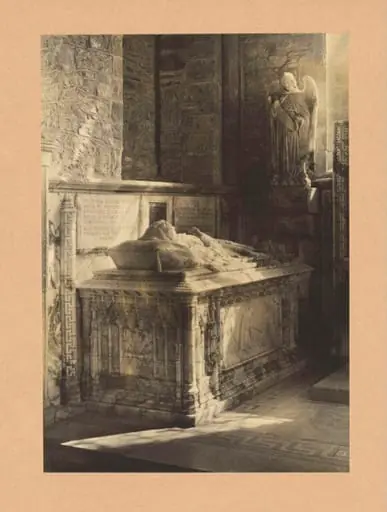 Sunlit Tomb, St. Davids Cathedral
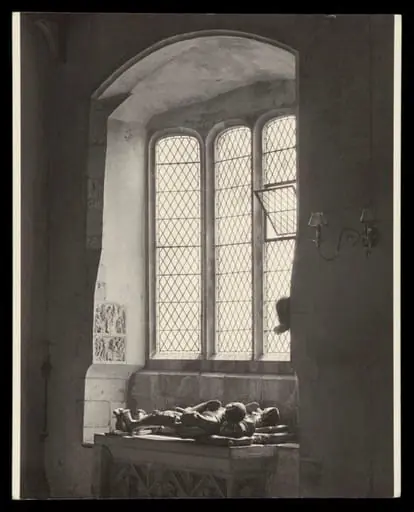 Culpeper Monument, St. Mary's, Goudhoust, Kent
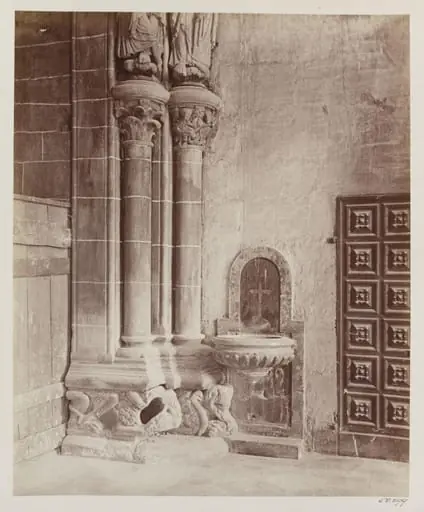 Cathedral, Santiago, Spain, Portico de la Gloria, detail of column at South wall
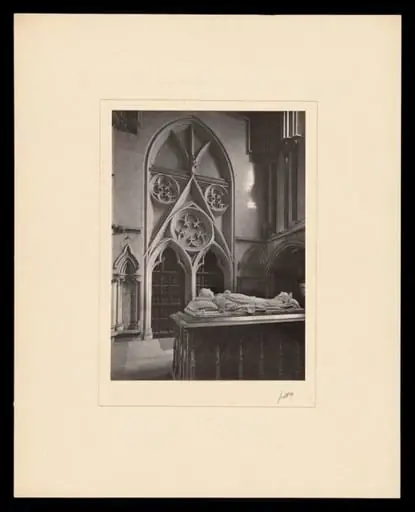 York Minster, North Transept
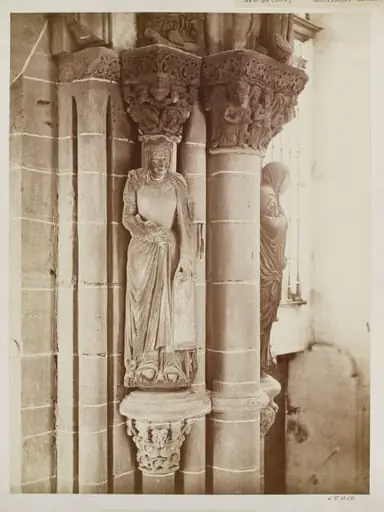 Cathedral, Santiago, Spain, Portico de la Gloria, Sculpture on responding pier
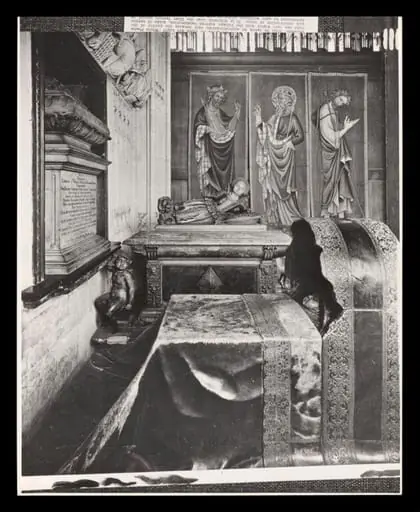 Church Interior with Sculptures
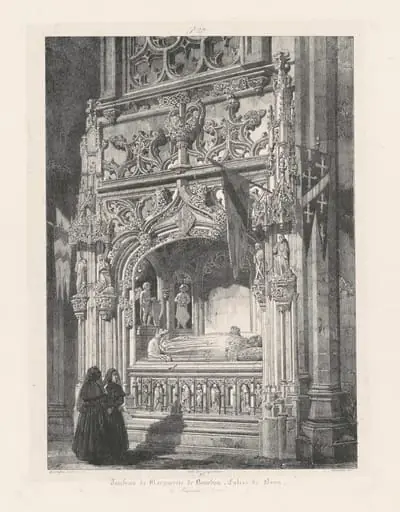 Tombeau de Marguerite de Bourbon. Église de Brou (Tomb of Marguerite de Bourbon, Church at Brou)
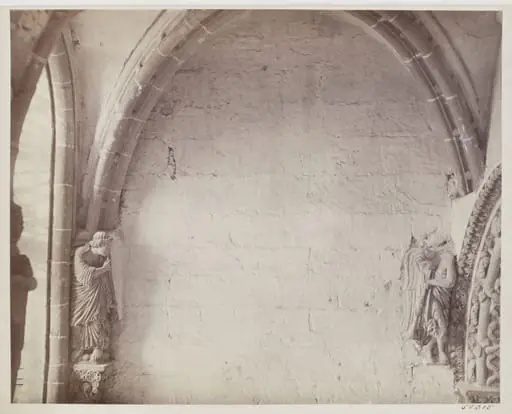 Cathedral, Santiago, Spain, Portico de la Gloria, Sculpture on North wall
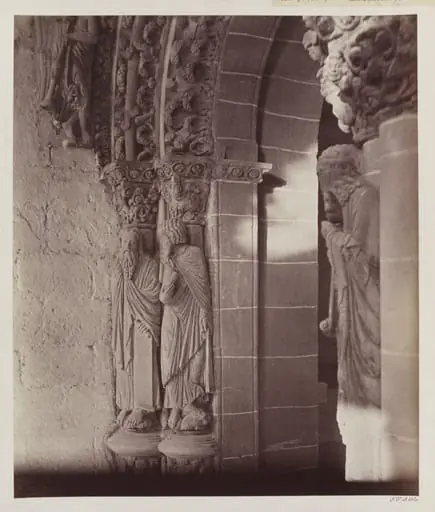 Cathedral, Santiago, Spain, Portico de la Gloria, Sculpture on the North wall
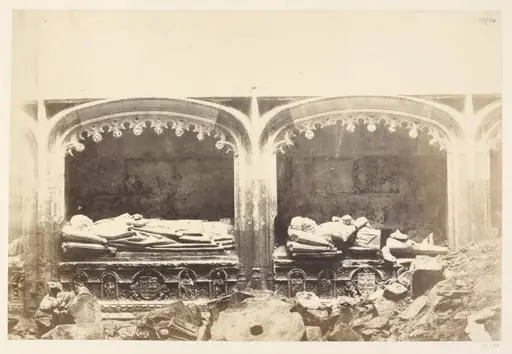 Monuments in the Cathedral, Salamanca
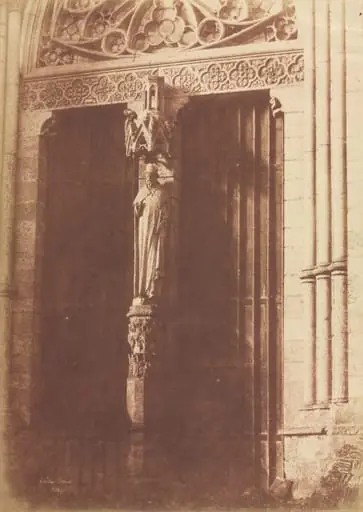 Amiens, Northern Façade of the Transept
 National Photographic Record and Survey