Artwork
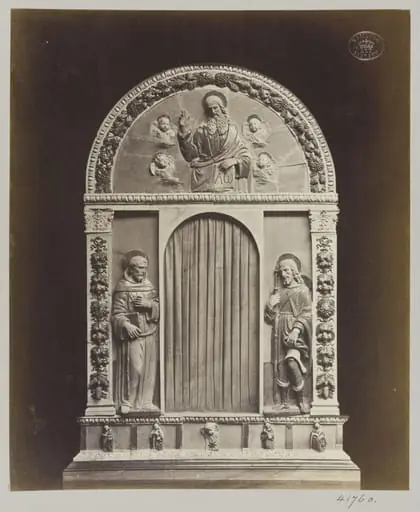
Cathedral, Santiago, Spain, Portico de la Gloria, Sculpture on responding pier
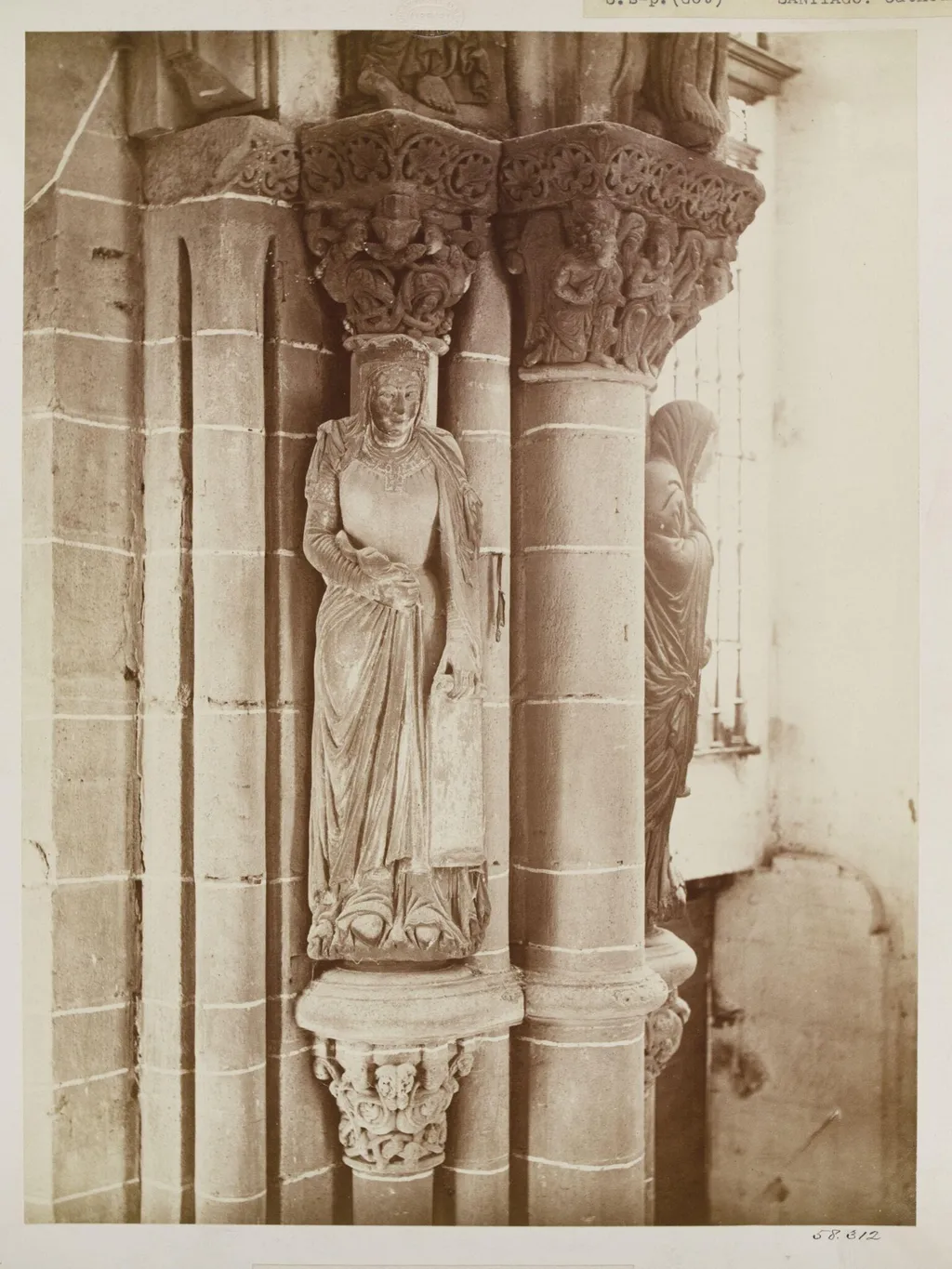
Cathedral, Santiago, Spain, Portico de la Gloria, Sculpture on responding pier is a photographic photography by the Impressionist artist Charles Thurston Thompson. It dates from 1867 and is held in the collection of the Victoria and Albert Museum.
About this work
Overview
As the Victoria and Albert Museum’s first official photographer, Thompson documented significant architectural sculptures to support artistic study.
This photograph captures the Portico de la Gloria at Santiago de Compostela Cathedral, taken in 1867 by Charles Thurston Thompson during a photographic expedition across Spain and Portugal. As the Victoria and Albert Museum’s first official photographer, Thompson documented significant architectural sculptures to support artistic study. The image was part of a broader effort to create visual records for educational and scholarly use, later compiled into published volumes distributed to art schools and available for public purchase.
Subject & Meaning
The Portico de la Gloria, a Romanesque sculptural ensemble at the cathedral’s western entrance, depicts biblical figures and symbolic scenes meant to convey theological narratives to pilgrims. Thompson’s photograph isolates a sculpted pier, emphasizing its intricate carvings and spatial arrangement. The image serves not as devotional imagery but as a documentary record, preserving the sculptural detail for study by those unable to travel to the site.
Technique & Style
Thurston Thompson employed large-format plate photography, using natural light and careful composition to render architectural detail with clarity. The photograph’s tonal range and sharp focus reflect the technical rigor of mid-19th-century photographic practice. No embellishment or staging is evident; the aim was fidelity to the subject, aligning with the museum’s goal of creating accurate visual references for artists and designers.
History & Provenance
The photograph was produced under the auspices of the V&A’s predecessor, the Science and Art Department. After Thompson’s death in 1868, selected images of Santiago were bound into volumes by the Arundel Society, endorsed by the department. These volumes entered institutional collections, including the V&A and National Art Library, alongside loose plates that contain additional views not included in the published sets.
Context
In the 1860s, photography became a vital tool for art education and preservation, especially for medieval monuments vulnerable to neglect or damage. Thompson’s campaign was part of a European trend to systematically document heritage sites. His images of Santiago contributed to a growing archive of architectural photography, supporting academic discourse and public engagement with historical art beyond the reach of most viewers.
Legacy
The photograph’s circulation through bound volumes and loose prints helped establish photography as a legitimate medium for art historical research. Its presence in multiple institutional collections underscores its role in shaping how medieval sculpture was studied and taught. The varied stamps and formats reveal a complex distribution network, linking museum, academy, and private collector, and affirming photography’s place in cultural transmission.
Artist & collection
Artist

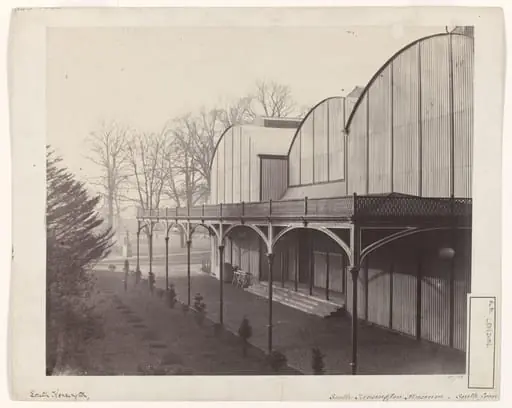 Exterior view of the south front entrance of the South Kensington Museum (the 'Brompton Boilers')
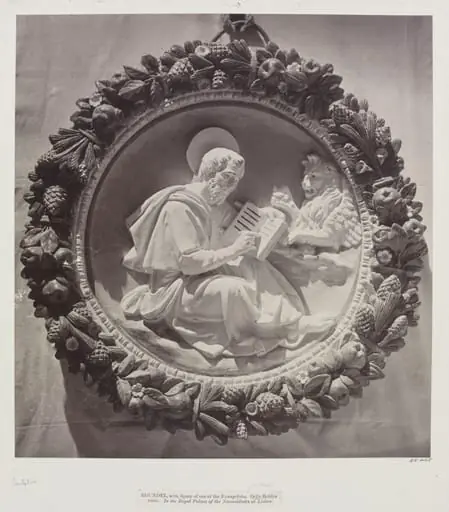 Roundel, St. Mark, by della Robbia, Palace of Necessidades
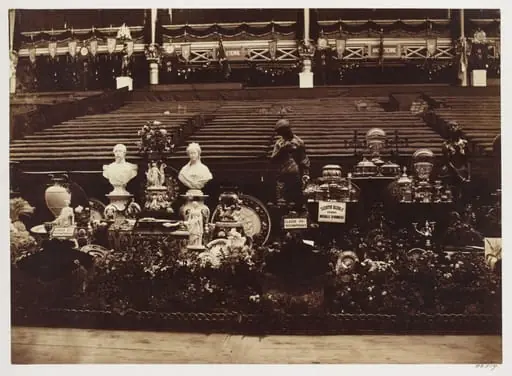 Scupture exhibits, Paris Universal Exhibition 1855
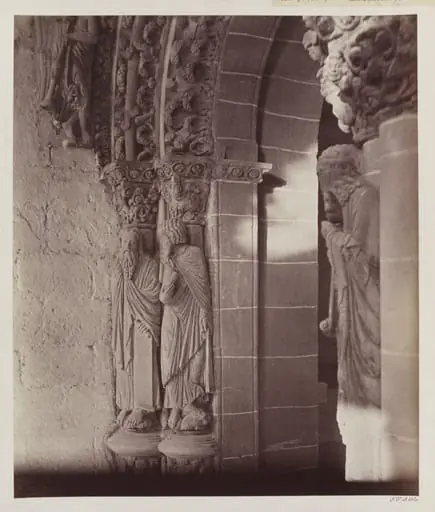 Cathedral, Santiago, Spain, Portico de la Gloria, Sculpture on the North wall
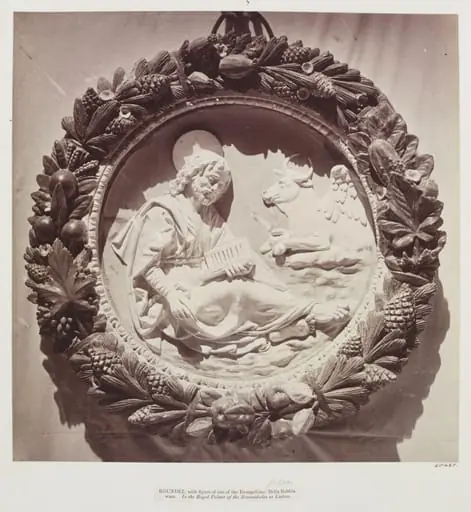 Roundel, St. Luke, by della Robbia, Palace of Necessidades
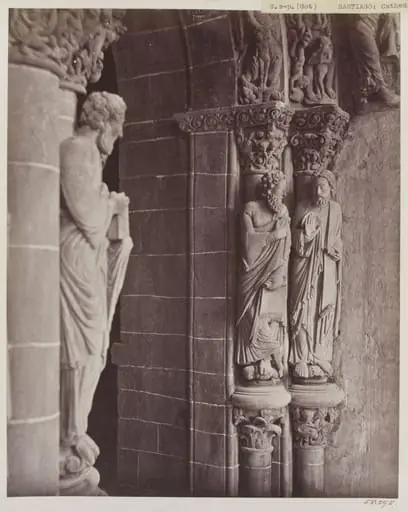 Cathedral, Santiago, Spain, Portico de la Gloria, Sculpture on South wall
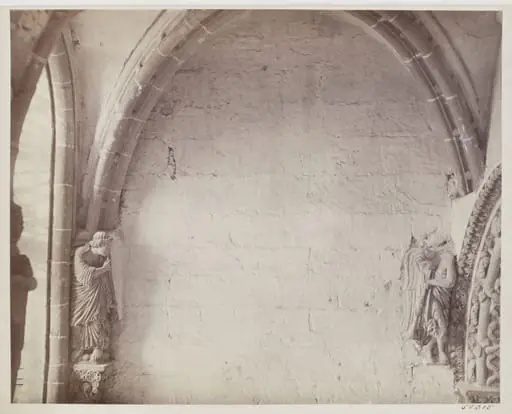 Cathedral, Santiago, Spain, Portico de la Gloria, Sculpture on North wall
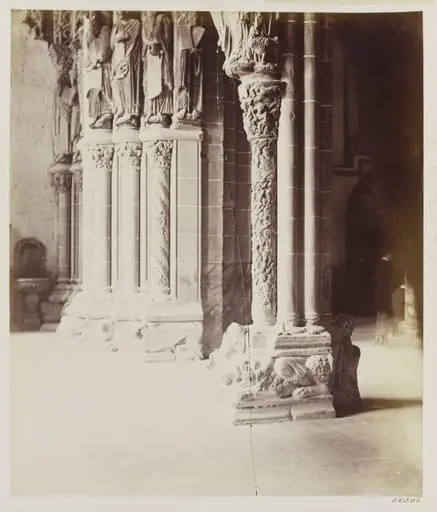 Cathedral, Santiago, Spain, Portico de la Gloria, detail of base of piers
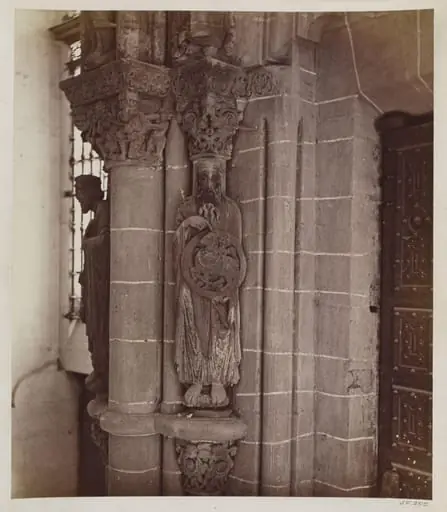 Cathedral, Santiago, Spain, Portico de la Gloria, Sculpture on pier
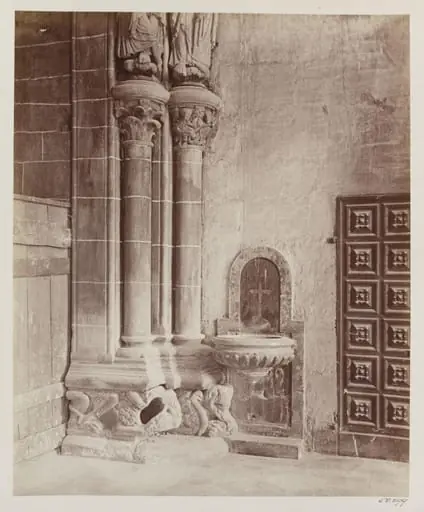 Cathedral, Santiago, Spain, Portico de la Gloria, detail of column at South wall
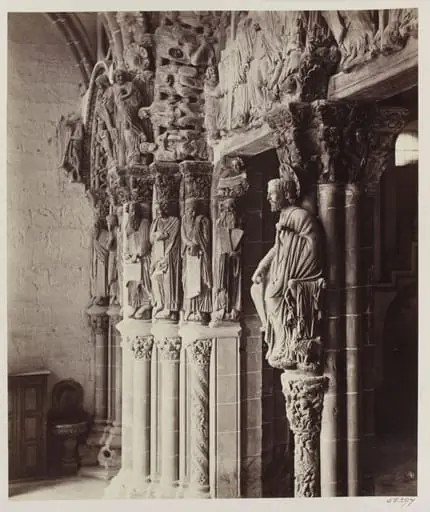 Cathedral, Santiago, Spain, Portico de la Gloria, details of Doorway (No.3)
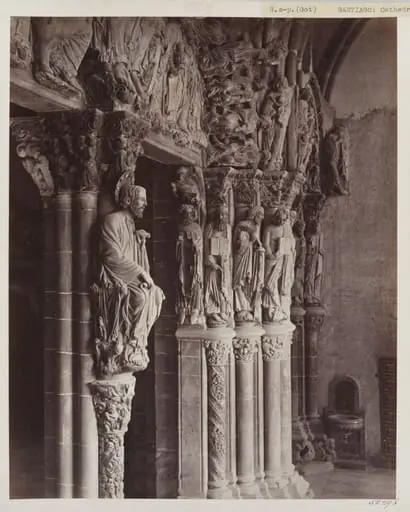 Cathedral, Santiago, Spain, Portico de la Gloria, details of Doorway (No.2)
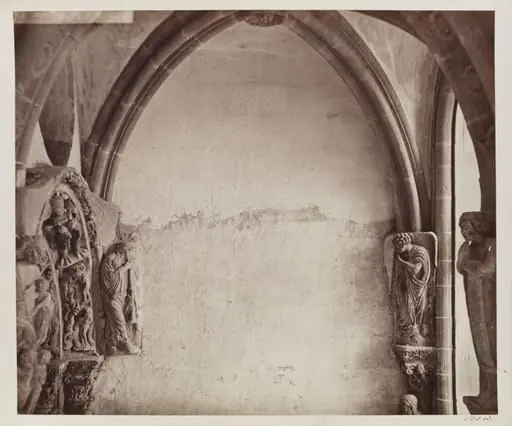 Cathedral, Santiago, Spain, Portico de la Gloria, Sculpture on the South wall
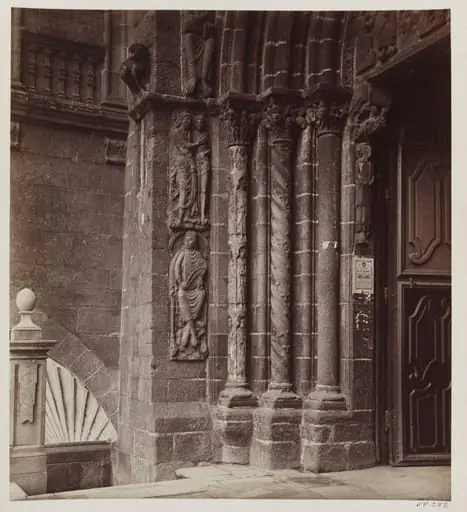 Cathedral, Santiago, Spain, detail of sculpture, doorway of South transept
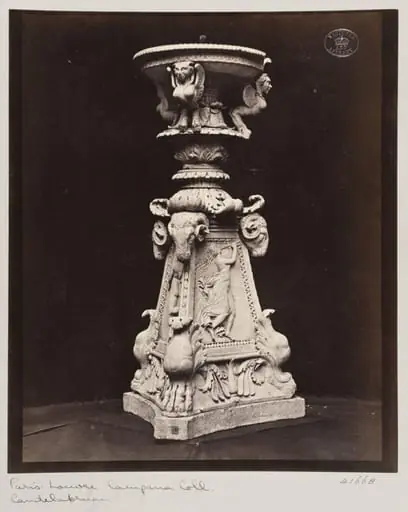 Marble sculptured fountain
 Enamelled earthenware altar piece of Christ and Saint Francis and St. Rock