Artwork
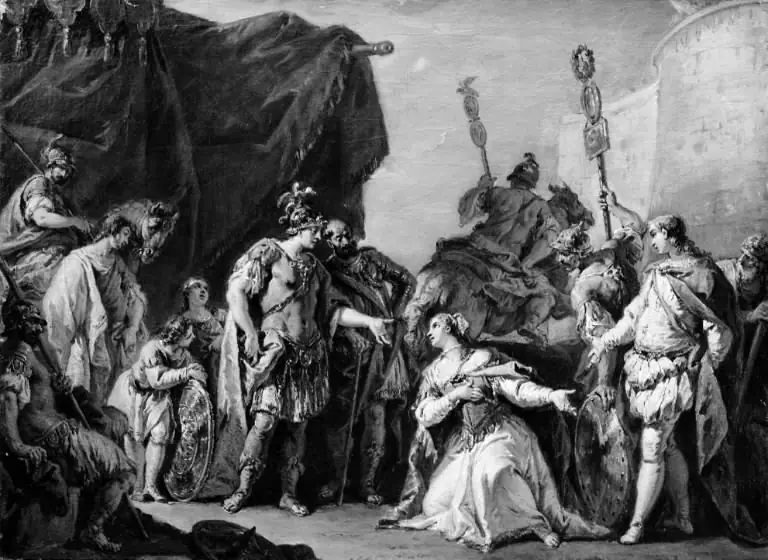
Familie des Darius
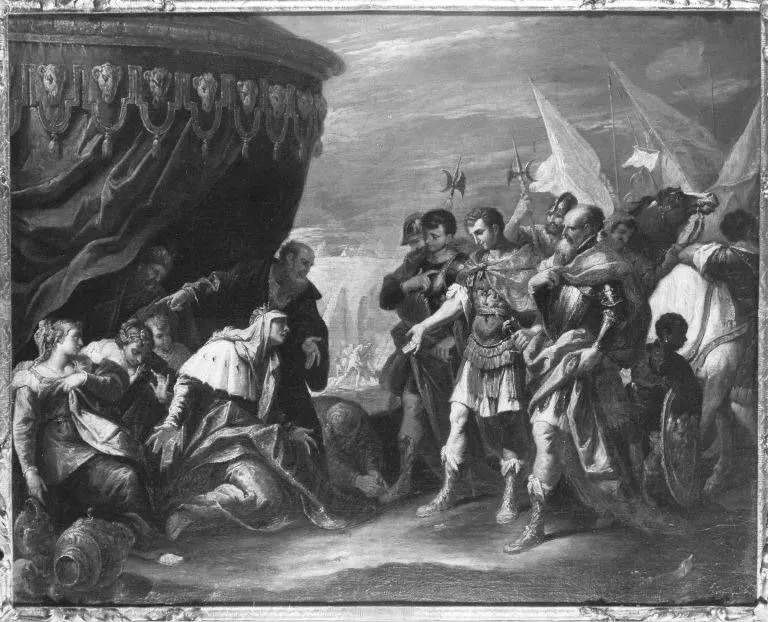
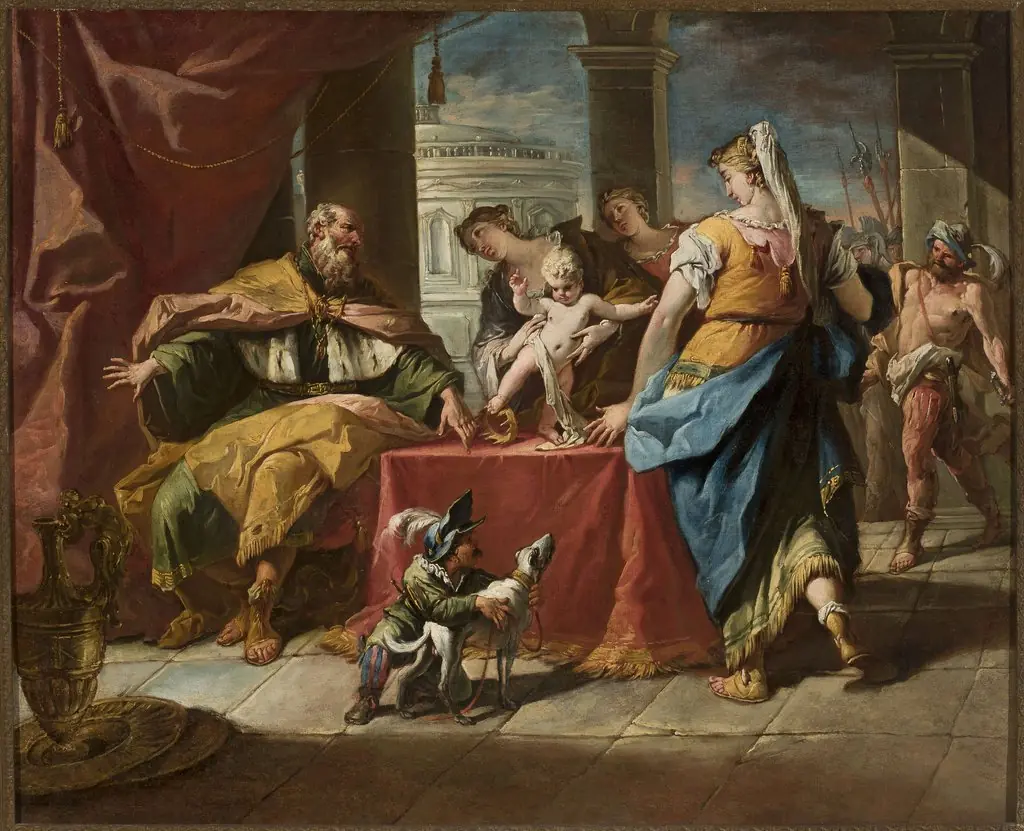
Familie des Darius is an unspecified painting by the Rococo painting artist Gaspare Diziani. It dates from 1728 and is held in the collection of the Bavarian State Painting Collections.
About this work
Overview
The painting is held in the Alte Pinakothek in Munich, where it remains a representative example of 18th-century Venetian decorative painting.
Painted in 1728 by Gaspare Diziani, *Familie des Darius* is a work from the late Baroque period that reflects the ornamental and theatrical sensibilities of early Rococo. Diziani, active in Venice and other European courts, employed a dynamic composition and rich detail to convey narrative intensity. The painting is held in the Alte Pinakothek in Munich, where it remains a representative example of 18th-century Venetian decorative painting.
Subject & Meaning
The scene portrays a moment of political or royal confrontation, likely drawn from the historical narrative of Darius III’s family after his defeat by Alexander the Great. A central figure, dressed in dark garments, sits on the ground amid a group of attendants and soldiers, some holding weapons and banners. The arrangement suggests vulnerability and dignity under duress, emphasizing emotional gravity over overt heroism.
Technique & Style
Diziani uses soft modeling and layered brushwork to render fabric, skin, and architecture with a sense of fluidity. The lighting is nuanced, with subtle contrasts that define form without harsh shadows, aligning with Rococo’s preference for elegance over dramatic chiaroscuro. The figures are arranged in a loose, theatrical grouping, enhancing the scene’s narrative immediacy while maintaining decorative harmony.
History & Provenance
Created during Diziani’s early career, the painting likely originated in Venice before entering a German collection, possibly through patronage networks linking Italian artists with Central European courts. It was acquired by the Alte Pinakothek in the 19th century, where it was cataloged as part of the broader European tradition of historical and mythological painting.
Context
In the early 1700s, Venetian painters often drew from classical and biblical stories to satisfy aristocratic tastes for grand narrative. Diziani’s work reflects this trend, blending historical allusion with contemporary decorative aesthetics. While not strictly a history painting in the academic sense, it aligns with the period’s fascination with emotionally charged moments from antiquity.
Legacy
Though not widely known outside specialized circles, *Familie des Darius* exemplifies the transitional phase between Baroque drama and Rococo refinement. It illustrates how Venetian artists adapted classical themes for elite audiences across Europe, preserving narrative depth while embracing lighter, more ornamental techniques that defined the era’s visual culture.
Artist & collection
Artist
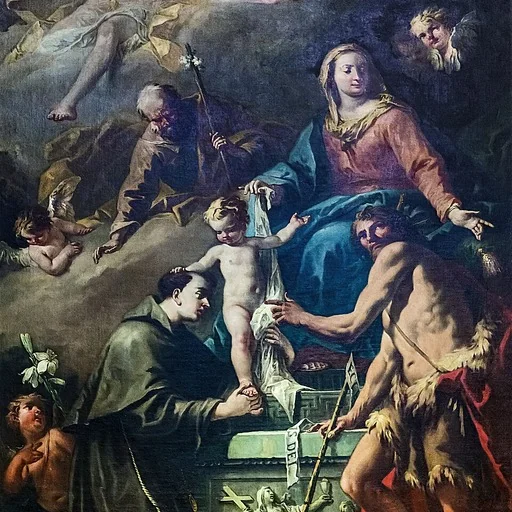
Gaspare Diziani (1689 – 17 August 1767) was an Italian painter of the late-Baroque or Roccoco period, active mainly in the Republic of Venice but also in Dresden and Munich.

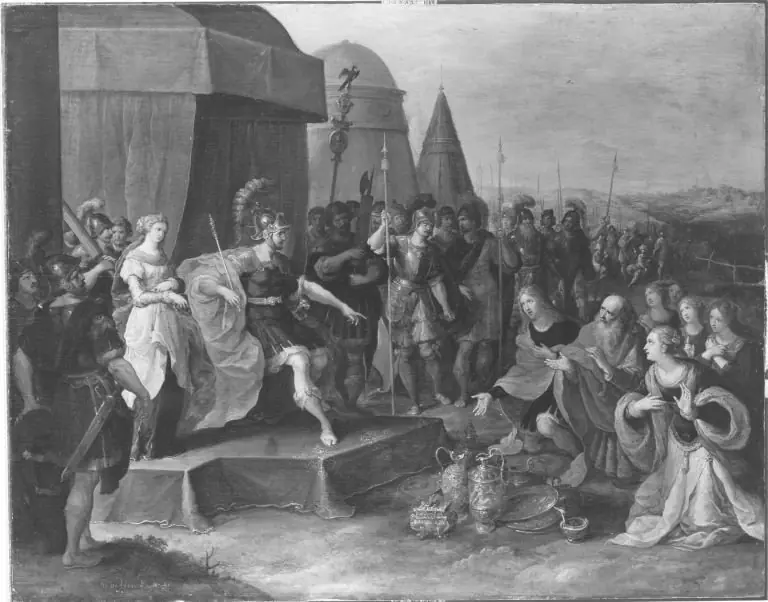 Enthaltsamkeit des Scipio
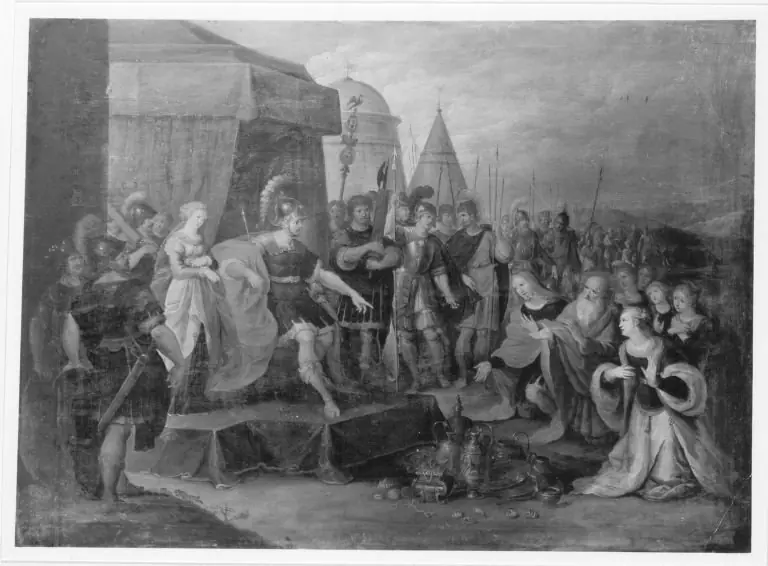 Die Enthaltsamkeit des Scipio (Kopie nach)
 The Continence of Scipio
 The Continence of Scipio
 Der Kriegerstand (zugeschrieben)
 The Meeting of Alexander the Great and Diogenes
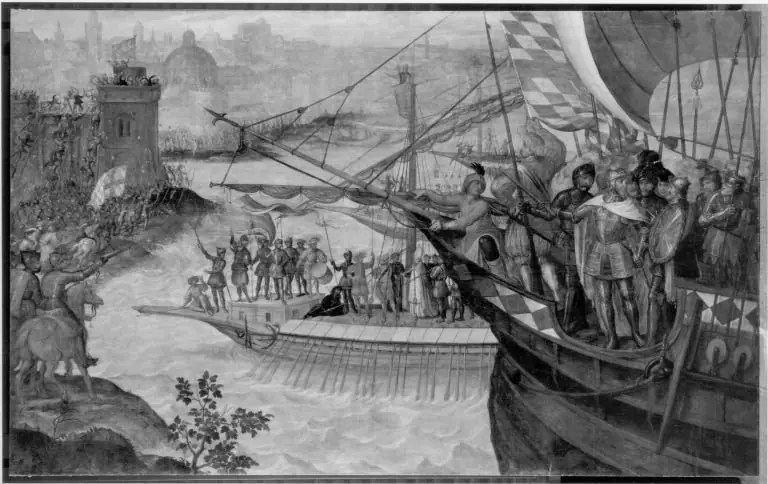 Herzog Ludwig I. von Bayern zieht in den Kreuzzug 1222
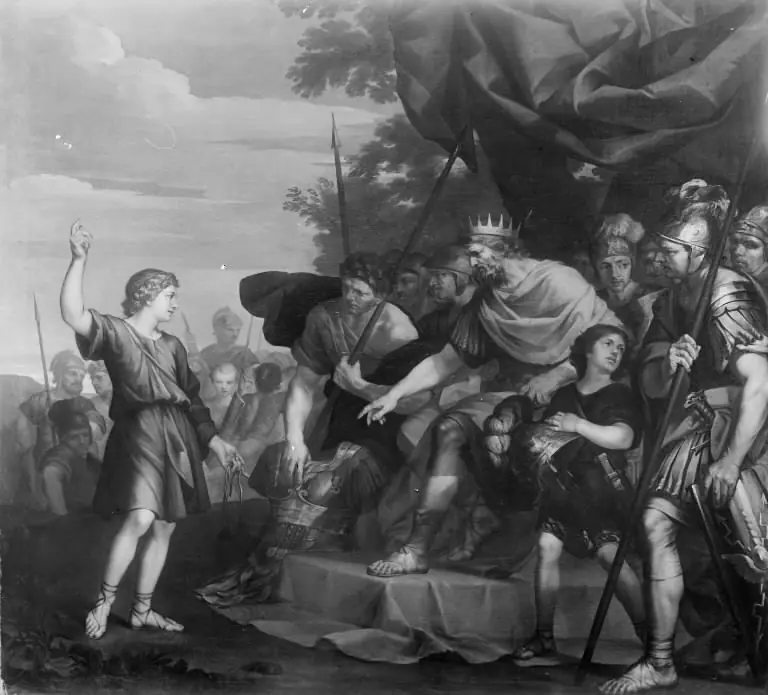 Saul and David
 Saul and David
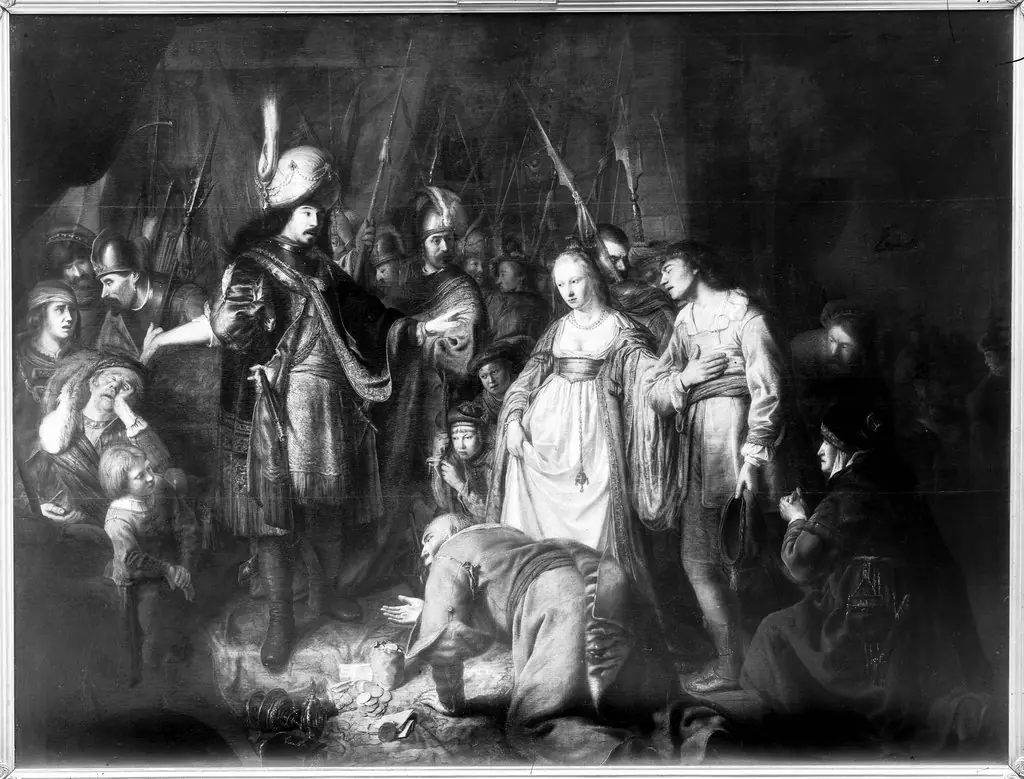 The Generosity of Scipio
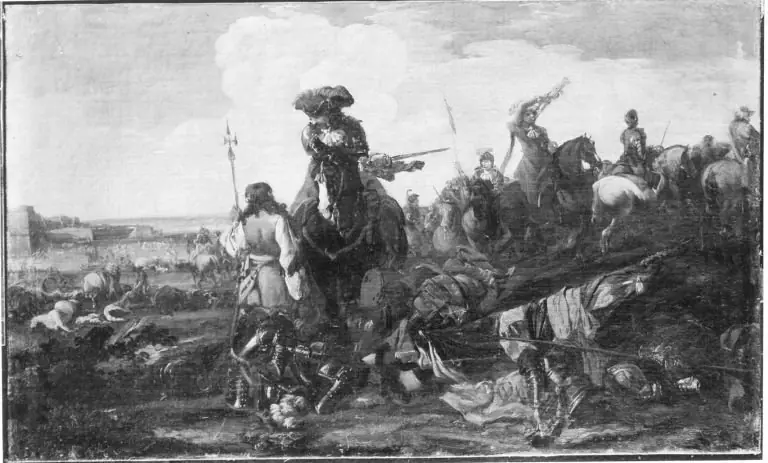 Battle scene
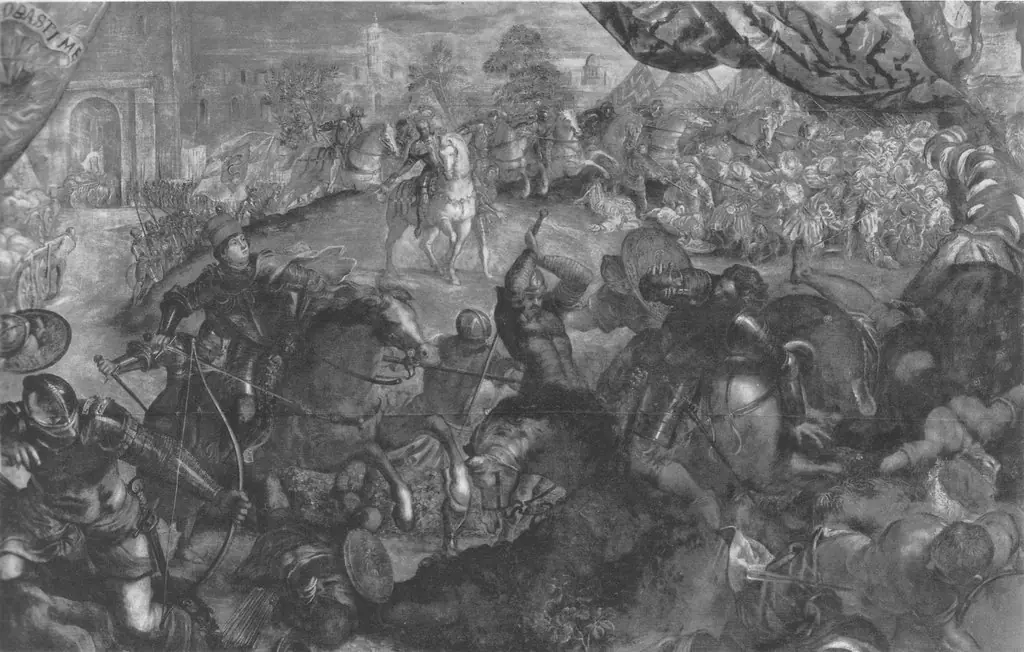 Gonzaga-Zyklus, I. Reihe, 3. Entsetzung von Legnano