Artwork
Moses trampling on the Pharaoh’s crown
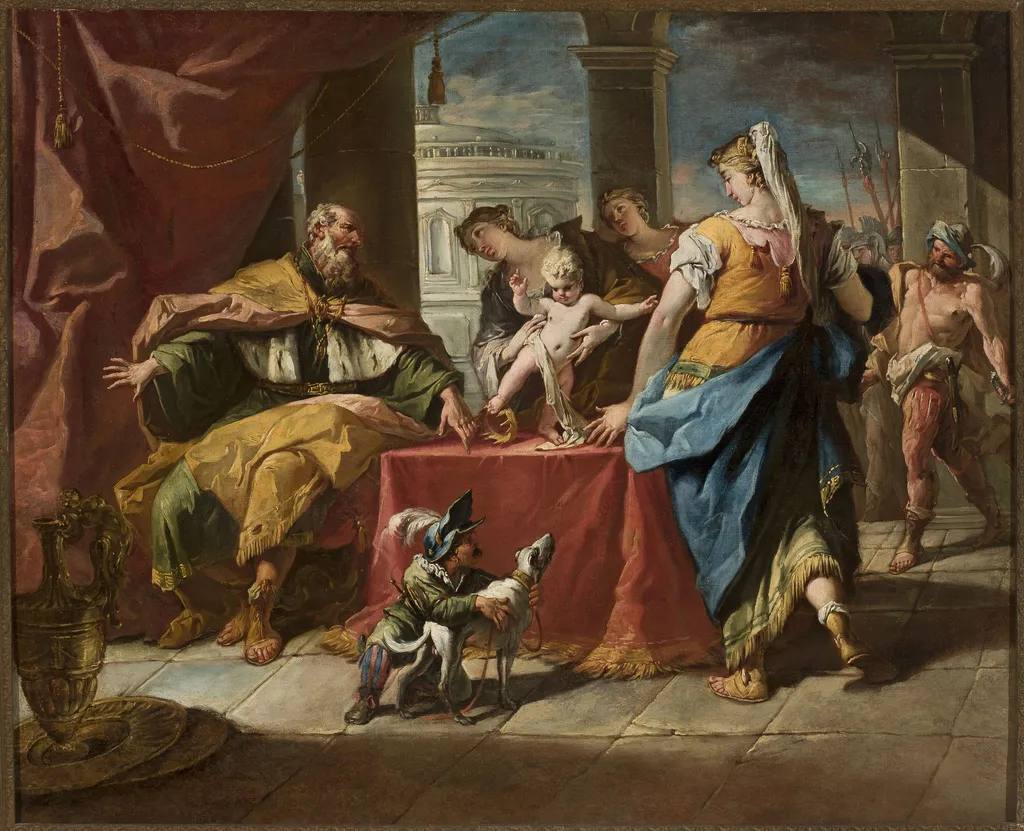
Moses trampling on the Pharaoh’s crown is an oil painting by the Rococo painting artist Gaspare Diziani. It dates from 1743 and is held in the collection of the National Museum in Warsaw.
About this work
Overview
Painted in 1743 by Italian artist Gaspare Diziani, this oil on canvas work depicts a moment from the biblical story of Moses.
Painted in 1743 by Italian artist Gaspare Diziani, this oil on canvas work depicts a moment from the biblical story of Moses. Though rooted in religious narrative, the composition leans into the ornamental elegance of the Rococo style. Diziani, known for his work in Venice, Dresden, and Munich, created this piece during a period when he produced large-scale decorative canvases for European courts, including those in the Hermitage.
Subject & Meaning
The scene illustrates the infancy of Moses, with the infant’s foot resting near a shattered crown, symbolizing the impending fall of Pharaoh’s power. A kneeling man in rich robes reaches toward the child, while a woman in regal attire holds his hand. Surrounding figures, some in armor and others in classical dress, observe the moment with varied expressions. The broken crown, barely visible among jewels on the ground, quietly signals divine destiny overriding earthly rule.
Technique & Style
Diziani employs soft, luminous brushwork characteristic of Rococo, with delicate highlights on fabrics and a pastel-toned palette that contrasts with the dramatic subject. The figures are arranged in a graceful, almost theatrical composition, their gestures fluid and expressive. The background architecture, rendered with precise perspective, anchors the scene in a grand, idealized ancient setting, enhancing the narrative’s solemnity without overwhelming its intimacy.
History & Provenance
The painting entered the collection of the National Museum in Warsaw, where it remains today. While Diziani’s larger works were commissioned for imperial residences in St. Petersburg and Dresden, this smaller-scale piece likely served a private or ecclesiastical patron. Its survival and preservation reflect its enduring appeal as a nuanced interpretation of a well-known biblical episode, distinct from more overtly monumental treatments of the subject.
Context
In mid-18th-century Europe, biblical themes were frequently adapted to suit aristocratic tastes, blending sacred narrative with decorative elegance. Diziani’s approach reflects this trend: the drama of Moses’ rescue is softened by Rococo’s lightness, and the political symbolism of the crown’s destruction is rendered subtly, inviting contemplation rather than confrontation. The scene aligns with broader artistic interests in human vulnerability and divine intervention.
Legacy
Though not among Diziani’s most widely reproduced works, this painting exemplifies his ability to merge narrative clarity with stylistic refinement. It contributes to the understanding of how biblical stories were visually reimagined in the Rococo era—not as didactic scenes, but as intimate, emotionally resonant moments. Its presence in Warsaw’s collection ensures continued scholarly attention to lesser-known interpretations of Moses’ early life.
Own this work as a print
Artist & collection
Artist
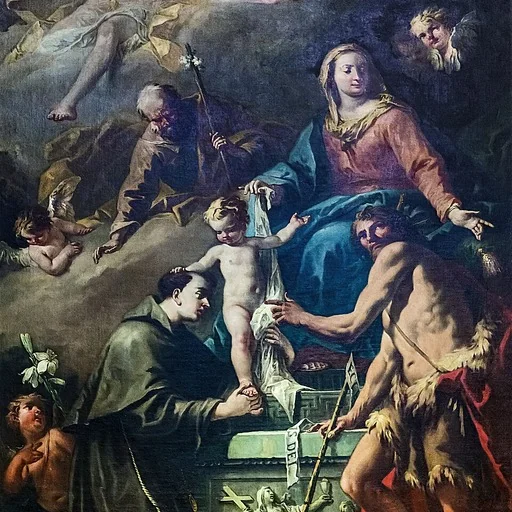
Gaspare Diziani (1689 – 17 August 1767) was an Italian painter of the late-Baroque or Roccoco period, active mainly in the Republic of Venice but also in Dresden and Munich.

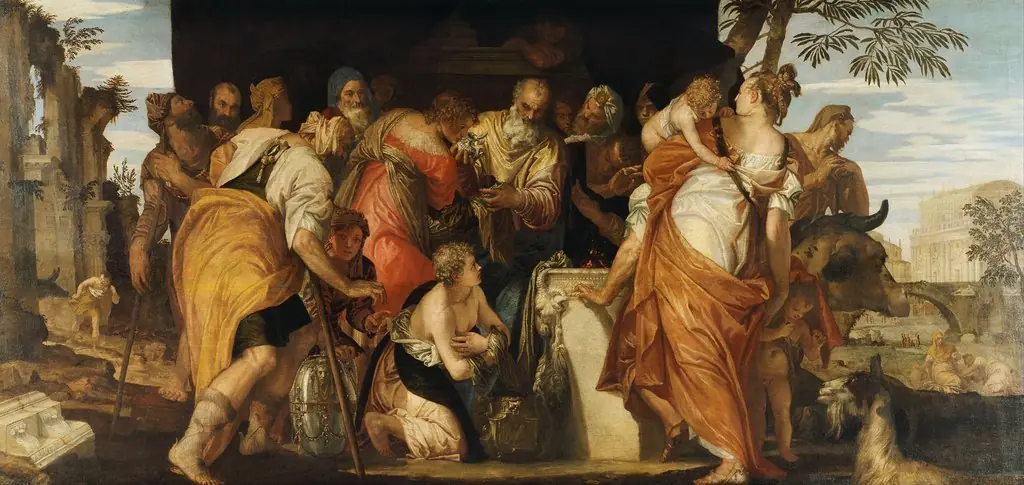 The Anointing of David
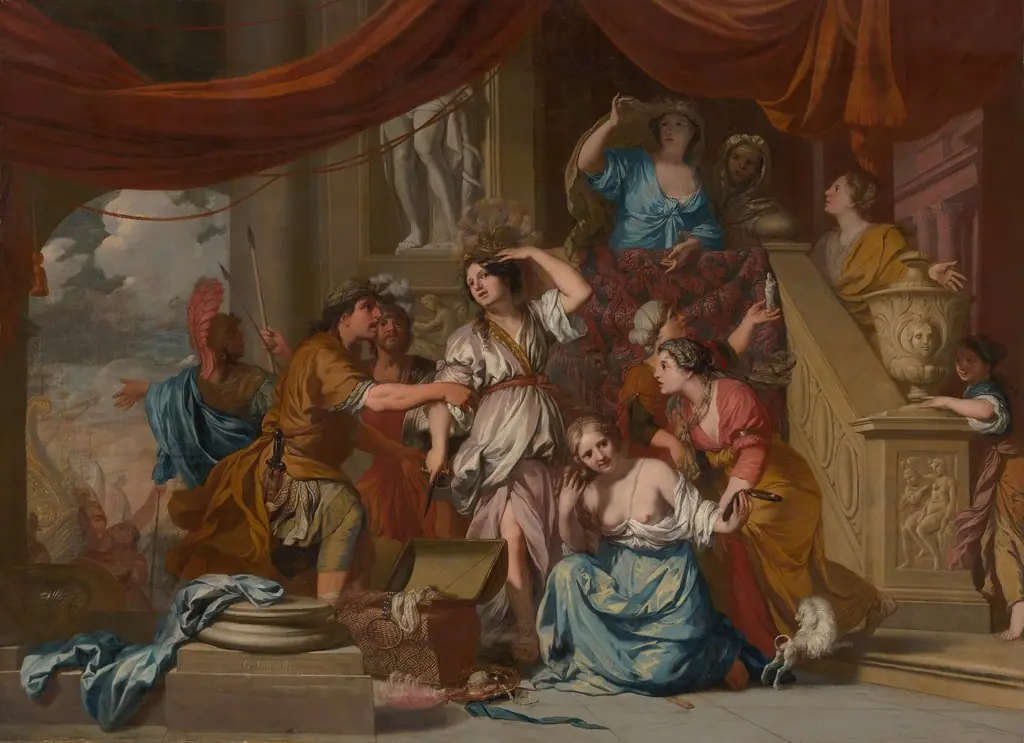 Achilles Discovered among the Daughters of Lycomedes
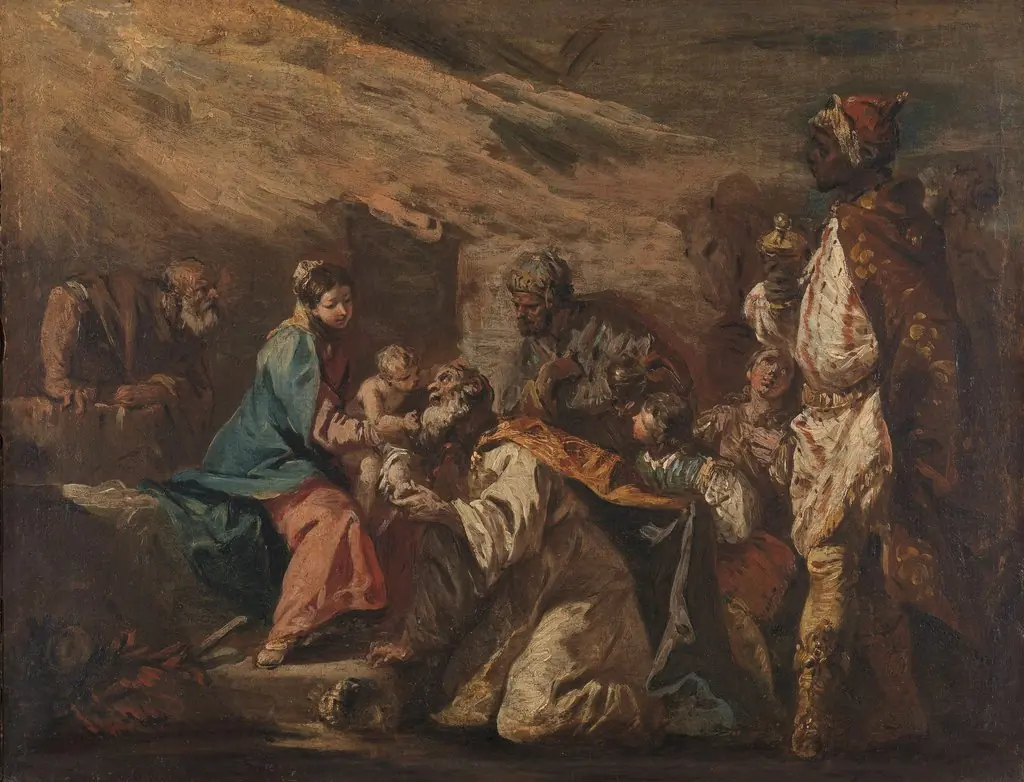
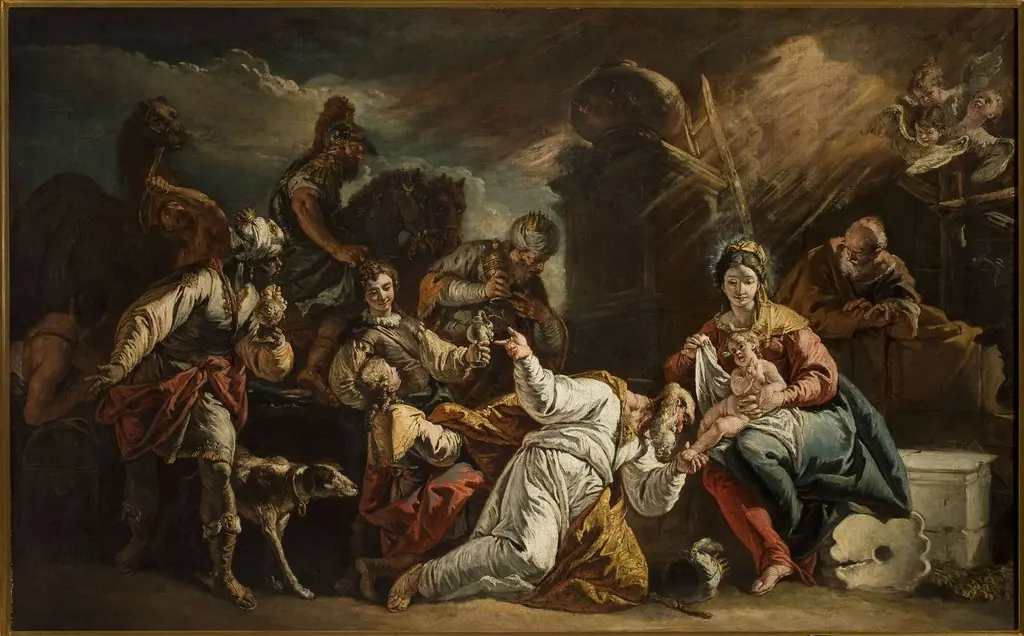 Adoration of the Magi
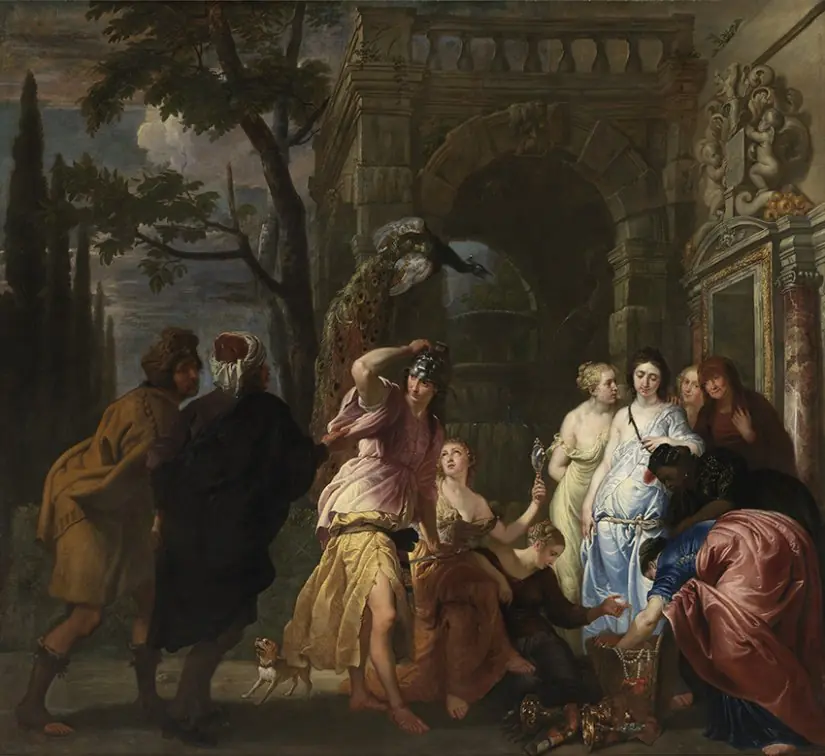 Achilles among the Daughters of Lycomedes
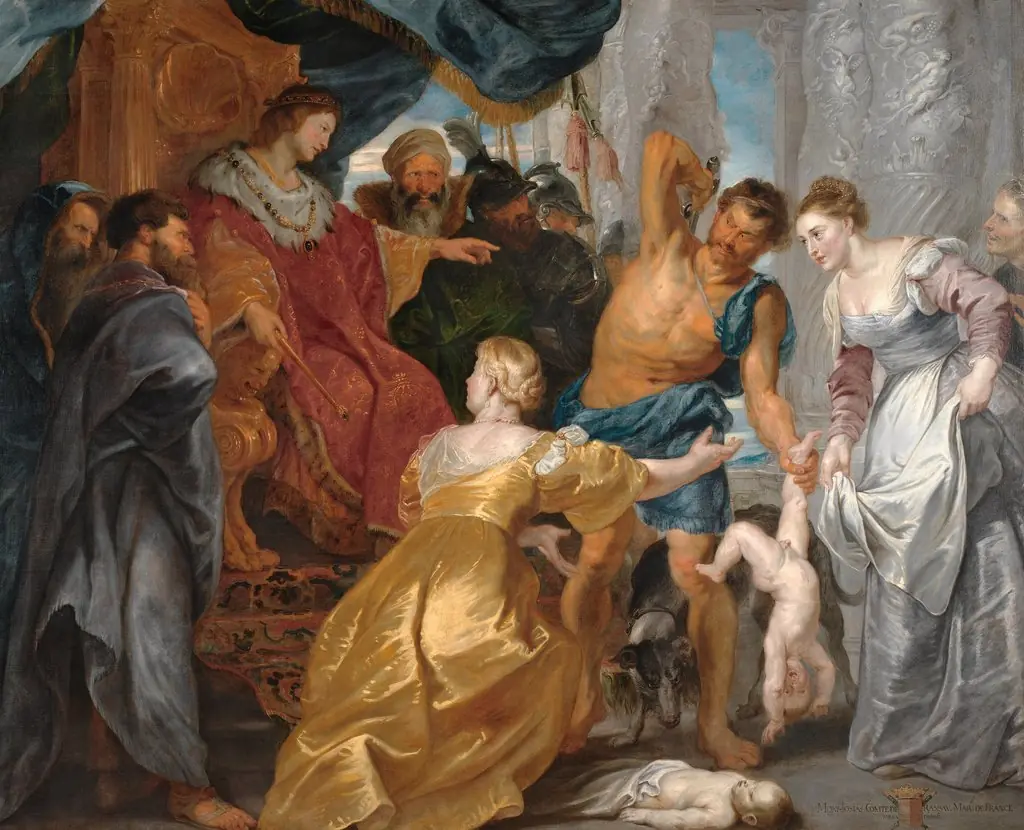 The Judgement of Solomon
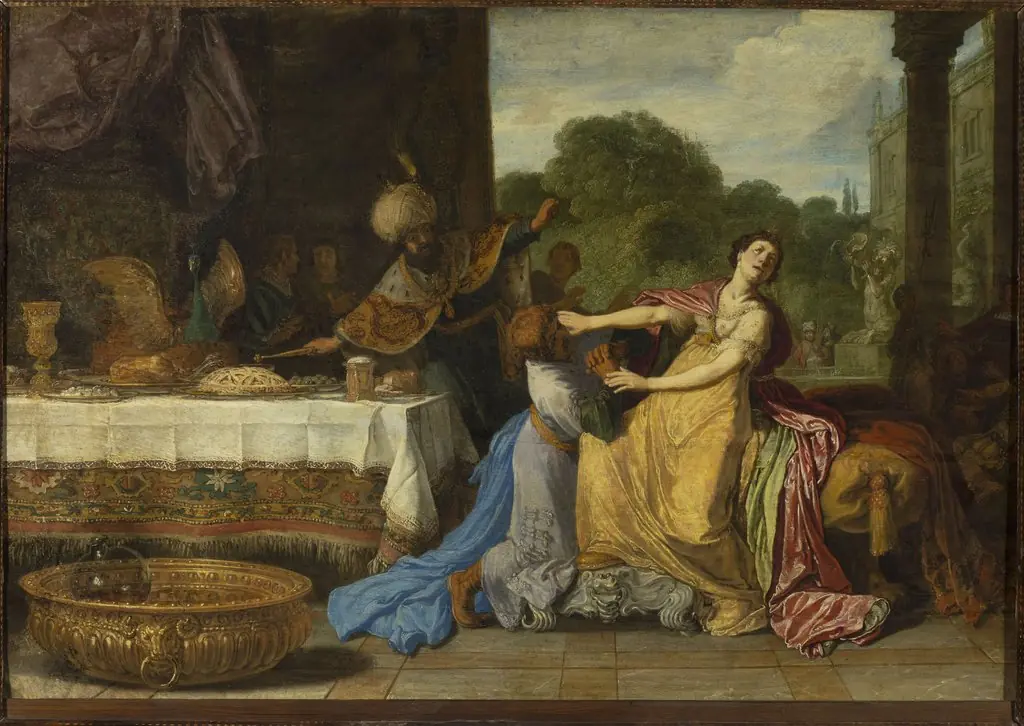 Haman begging the mercy of Esther (Esther 7:6-7)
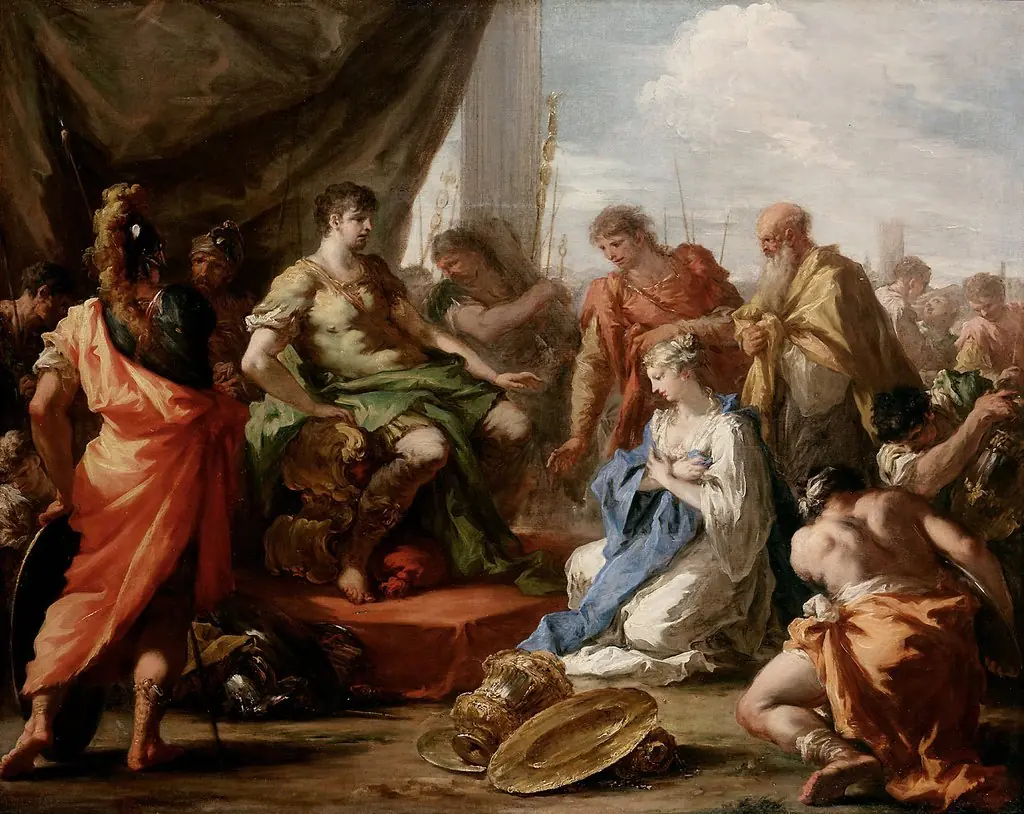 Enthaltsamkeit des Scipio
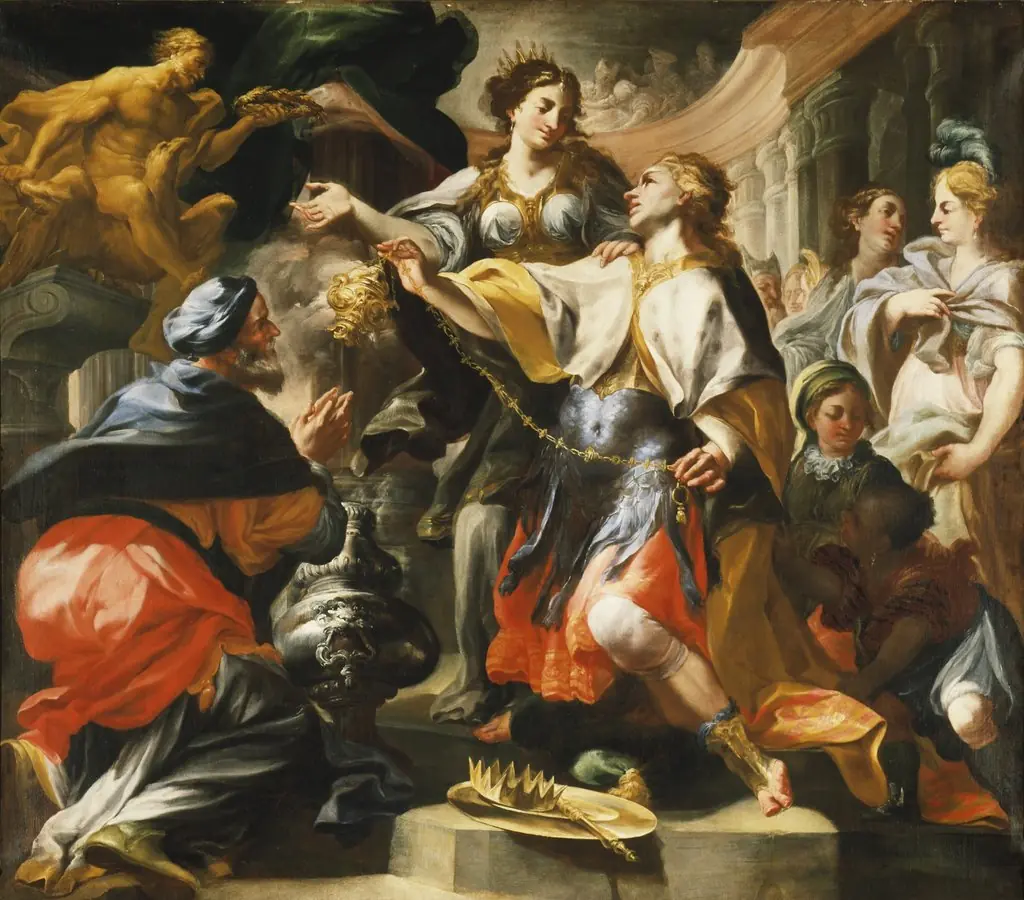 Solomon Worshiping a Pagan God
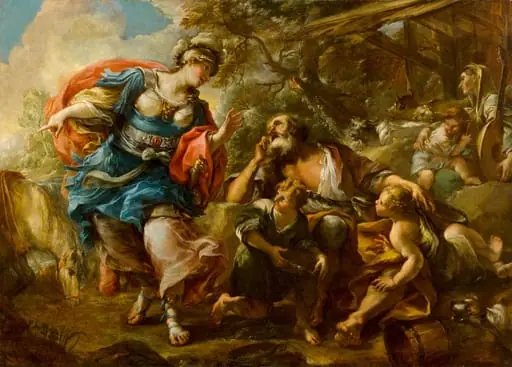 Erminia ja paimenet
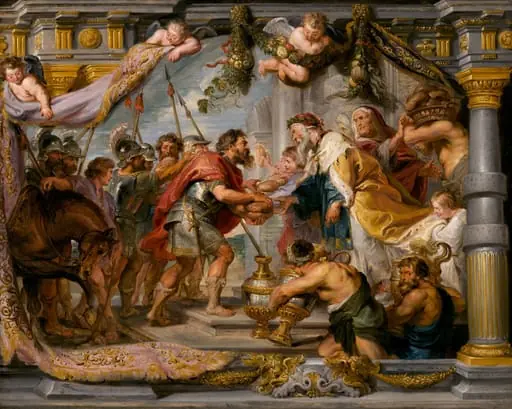 The Meeting of Abraham and Melchizedek