Artwork
Lago Maggiore
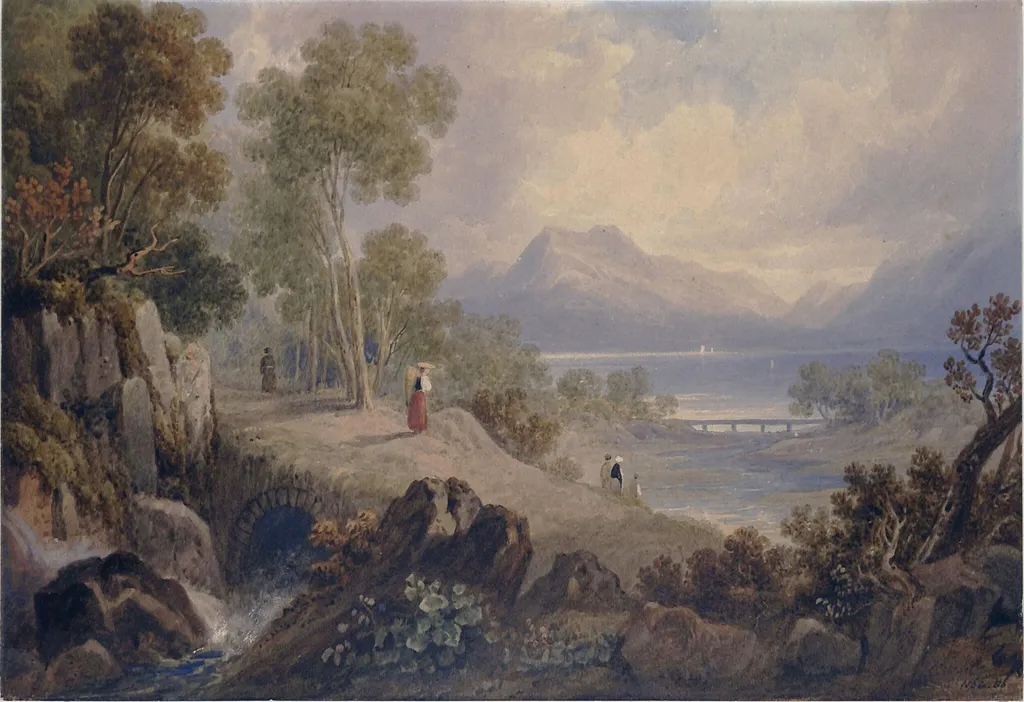
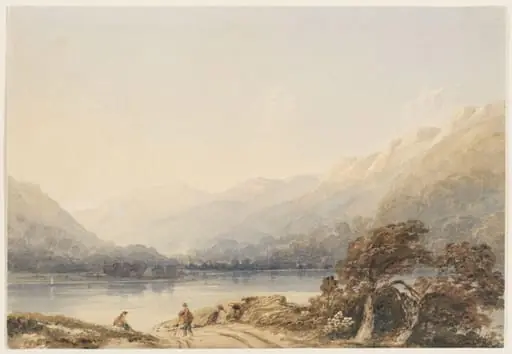
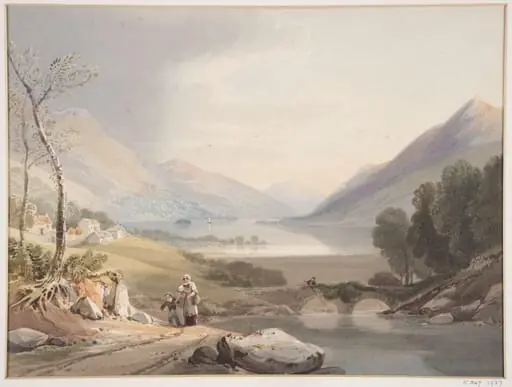
Lago Maggiore is a watercolor work on paper by the British Romanticist artist Henry Gastineau. It dates from 1820 and is held in the collection of the Victoria and Albert Museum.
About this work
Overview
Lago Maggiore is a watercolour painting created by Henry Gastineau in 1820, exemplifying the British Romanticism movement through its depiction of a serene Italian lakeside scene.
Subject & Meaning
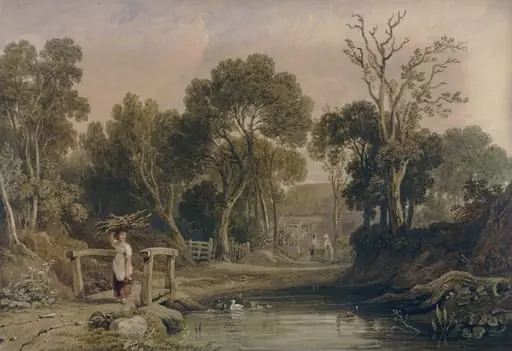
The painting portrays a tranquil riverside moment with a woman in red walking along a rocky path, two men by the shore, and a distant bridge. The composition conveys a sense of peaceful escape, emphasizing scenic beauty characteristic of the Romantic era.
Technique & Style
Gastineau employed watercolour to achieve soft, dreamy colors and light, airy strokes, evoking a natural and fresh atmosphere. The faraway mountains and serene landscape elements further reinforce the Romantic aesthetic.
History & Provenance
Henry Gastineau, a London-born English artist of Huguenot descent, known for detailed landscapes, created this work during a period when Italian lake regions were popular among British artists. The painting is part of the Victoria and Albert Museum's collection.
Context
Lago Maggiore reflects the broader British Romanticism movement, which valued the beauty of nature as a refuge from urban life. The subject matter and style align with contemporary British artists' fascination with Italian landscapes.
Artist & collection
Artist
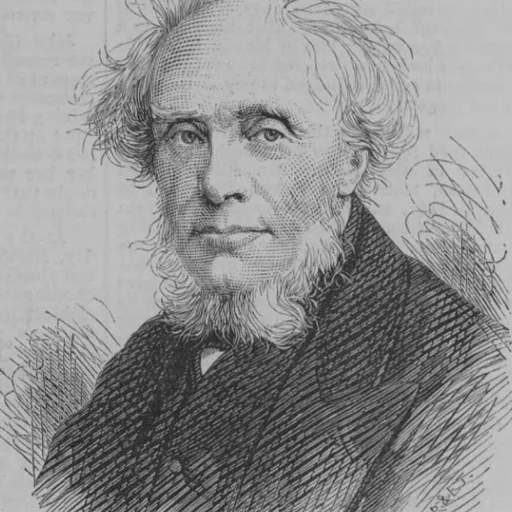
Henry Gastineau (1791–1876) was an English engraver and prolific painter in water-colours. He was born in London to a family of Huguenot descent. One of his daughters, Maria Gastineau, painted in a similar style.

 Lake scene with mountains
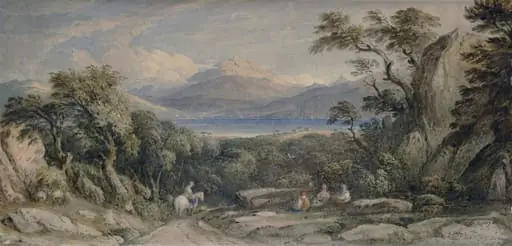 Tal-y-Llyn, with Cader Idris in the background
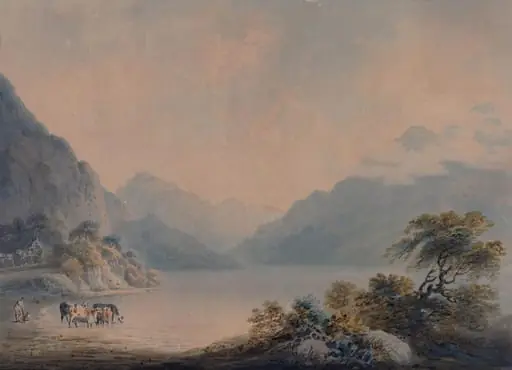 Loch Lomond
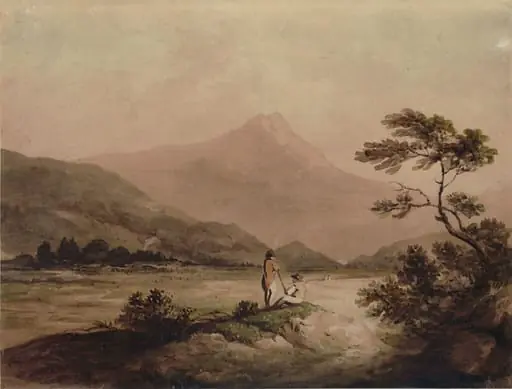 Landscape view of a valley with figures and mountains
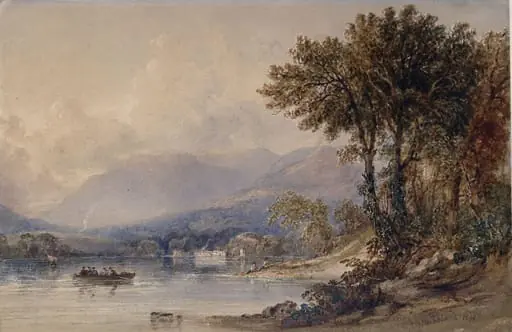 The Rydal mountains near the head of Windermere
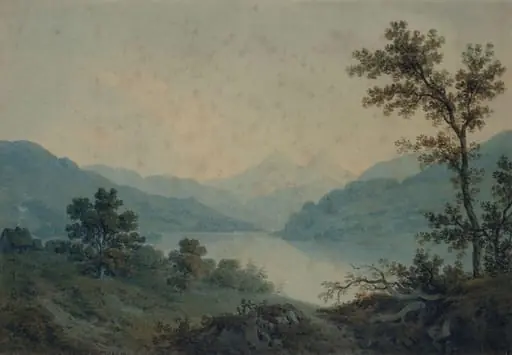 Lake or river scene in the Scottish Highlands
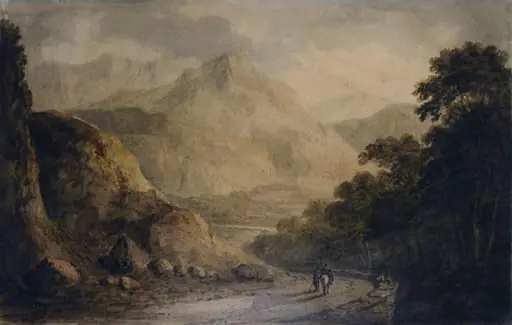 Road leading to Pont Aberglaslyn: View looking into the Vale of Festiniog, North Wales
 Ullswater from Patterdale Bridge
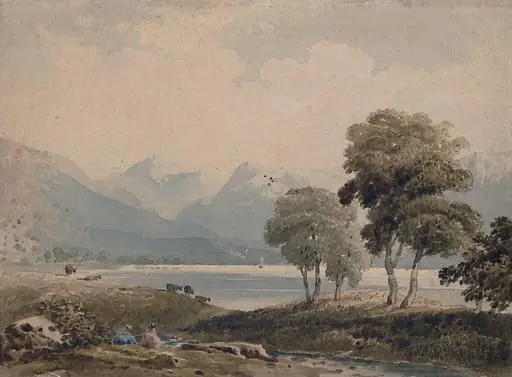 Landscape with lake and mountains
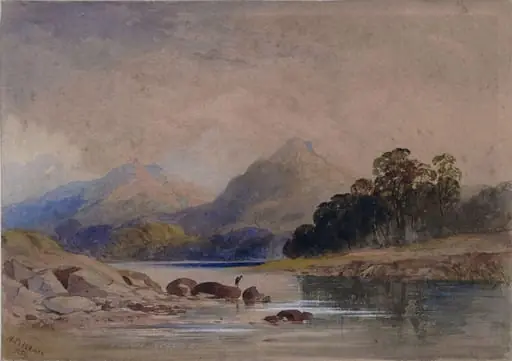 River Scene