Artwork
Llyn-y- Cau, the tarn near the summit of Cader Idris, Merionethshire, North Wales
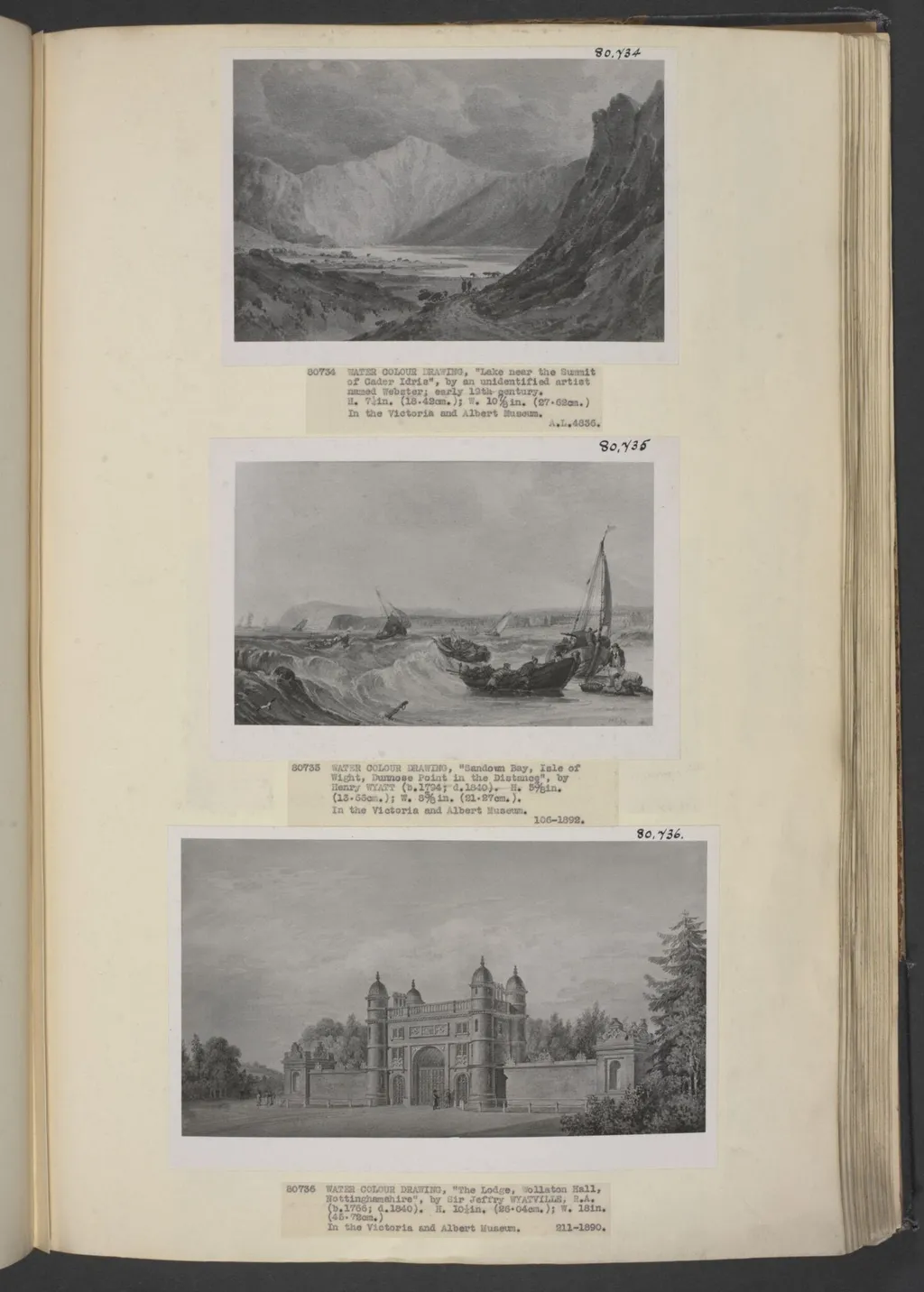
Llyn-y- Cau, the tarn near the summit of Cader Idris, Merionethshire, North Wales is a watercolor work on paper by the British Romanticist artist Thomas Webster. It dates from 1804 and is held in the collection of the Victoria and Albert Museum. This watercolor captures Llyn-y-Cau, a high-altitude lake nestled beneath the rugged slopes of Cader Idris in North Wales.
About this work
Overview
This watercolor captures Llyn-y-Cau, a high-altitude lake nestled beneath the rugged slopes of Cader Idris in North Wales. The scene is quiet and isolated, rendered in delicate washes that emphasize the chill and remoteness of the upland environment. Two tiny figures traverse a narrow path, underscoring the scale of the landscape and the human presence within it.
Subject & Meaning
The painting presents nature as both serene and formidable. The still water mirrors the pale sky, while the steep, unyielding cliffs frame the tarn, suggesting nature’s enduring power. The small figures, almost swallowed by the terrain, convey a sense of solitude and humility before the wild landscape, aligning with Romantic ideals of nature’s sublime presence.
Technique & Style
The artist employed light, transparent watercolor washes to evoke atmospheric depth and cool tones. Soft gradients suggest mist clinging to distant ridges, while sharp, angular strokes define the rocky outcrops. The minimal detail in the figures and distant hills enhances the sense of distance and stillness, characteristic of Romantic landscape conventions.
History & Provenance
Created in the early 19th century, the work reflects the growing interest in Welsh uplands as subjects for artistic exploration. It likely originated from a sketching tour in Merionethshire, a region increasingly visited by artists and travelers drawn to its wild scenery. The piece remains within private collections, with no public exhibition history documented.
Context
During the Romantic era, artists turned away from idealized classical landscapes toward raw, untamed natural sites. Wales, with its dramatic mountains and remote lakes, became a favored destination. This watercolor aligns with that shift, valuing emotional response to nature over topographical precision or human dominion.
Legacy
Though not widely known today, the work exemplifies a quiet strand of British Romantic watercolor practice. It contributes to a broader record of how 19th-century artists documented and responded to the Welsh landscape, influencing later topographical and environmental art traditions.
Artist & collection
Artist
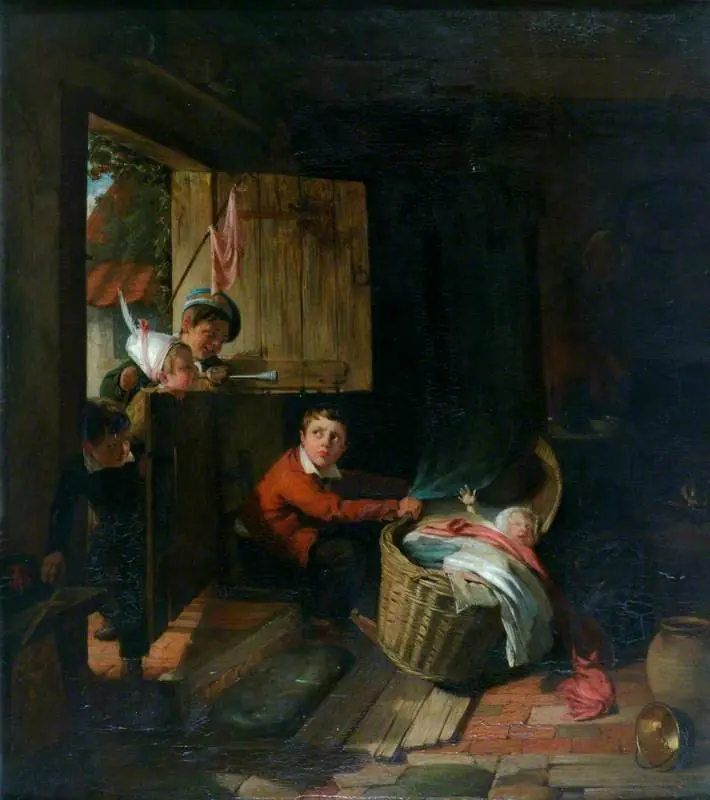
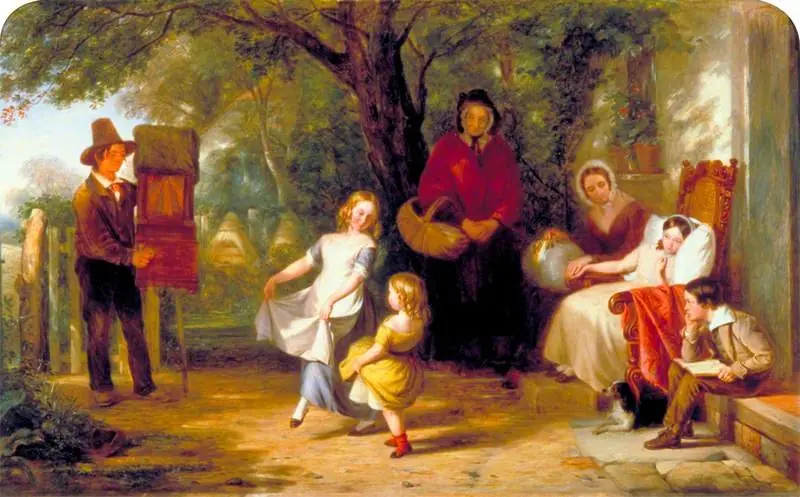
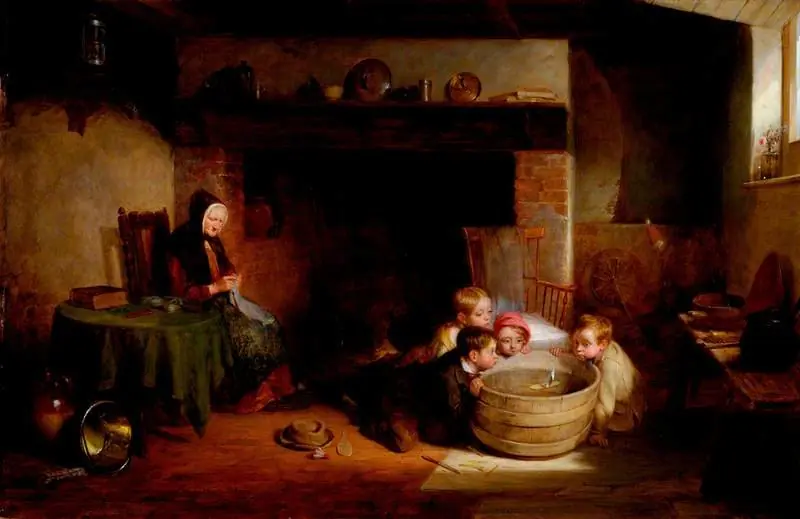
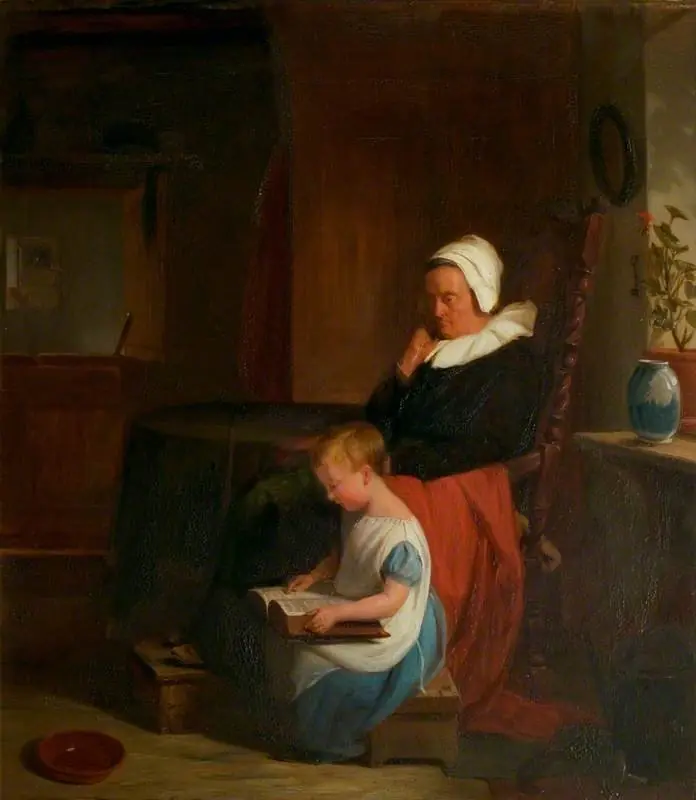
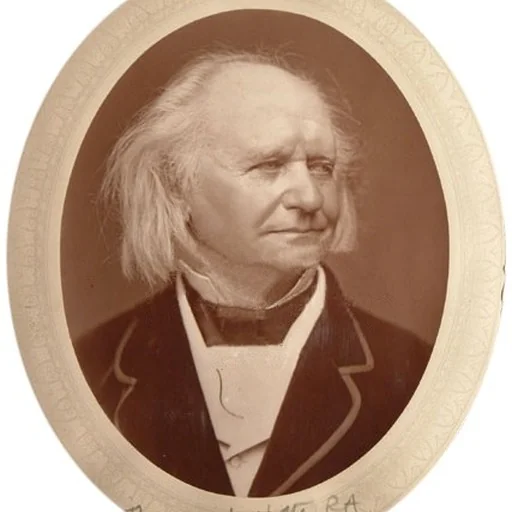
Thomas Webster (10 March 1800 – 23 September 1886), was a British painter of genre scenes of school and village life, many of which became popular through prints. He lived for many years at the artists' colony at Cranbrook in Kent.