Artwork
Untitled
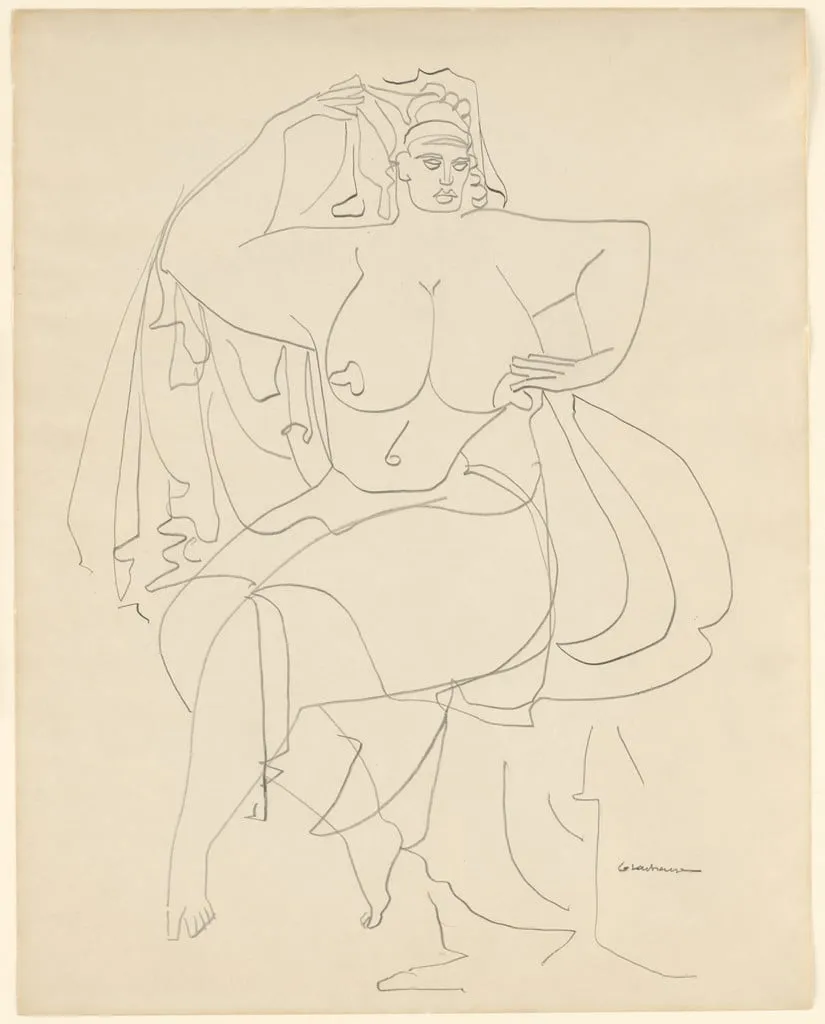
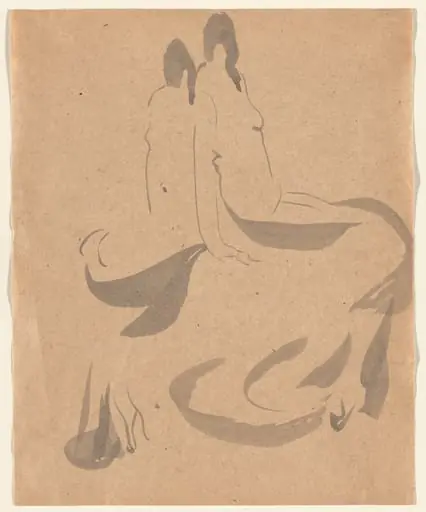
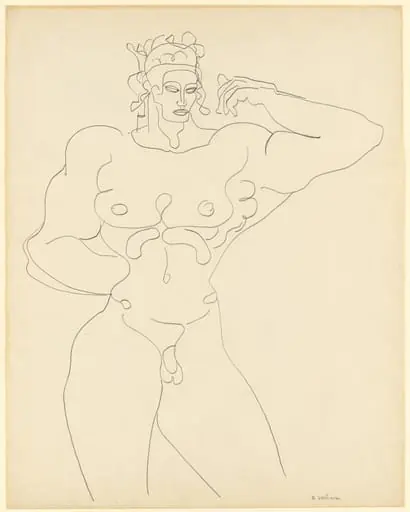
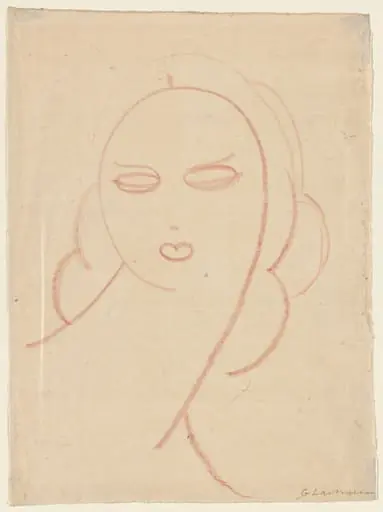
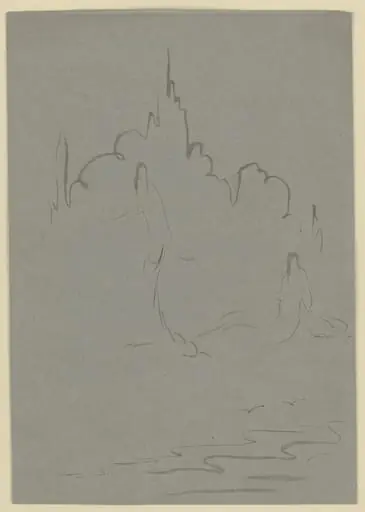
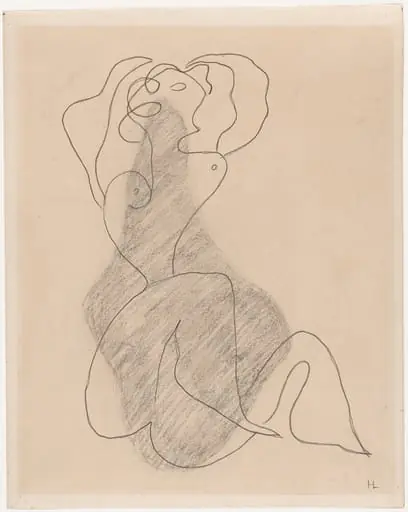
Untitled is a graphite drawing by Gaston Lachaise. It dates from 1930 and is held in the collection of the Museum of Modern Art.
About this work
Overview
This pencil drawing, dated circa 1930, is one of several studies by Gaston Lachaise, a French-born artist who settled in the United States in the early 1900s.
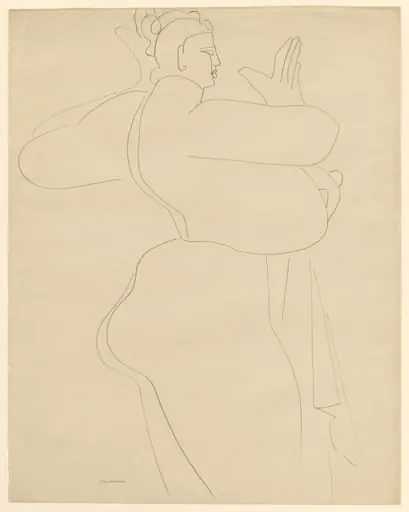
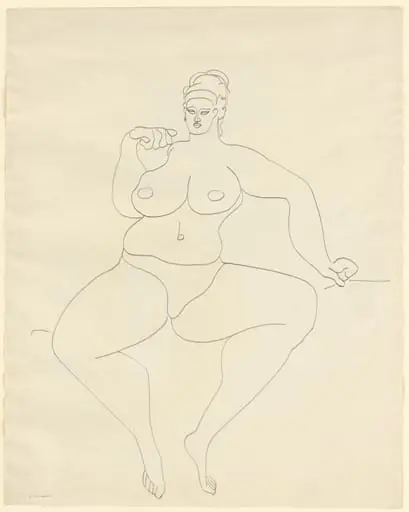
This pencil drawing, dated circa 1930, is one of several studies by Gaston Lachaise, a French-born artist who settled in the United States in the early 1900s. Executed with fluid, assured lines, it captures a seated female figure in a dynamic, twisted posture. The work belongs to the collection of The Museum of Modern Art and reflects Lachaise’s ongoing exploration of the human form through drawing as a preparatory and independent practice.
Subject & Meaning
The figure is rendered without narrative context, emphasizing physical presence over identity. Her pose—bent leg, extended limb, arched back—suggests movement held in suspension. The minimized head, treated like a geometric mask, directs attention to the torso and limbs, reinforcing a focus on volume and tension rather than individuality. The absence of facial expression or environment isolates the body as an autonomous form.
Technique & Style
Lachaise used loose, confident pencil strokes to define the figure’s contours, avoiding detail in favor of rhythmic flow. The lines are economical yet deliberate, capturing weight and posture through curvature and contrast. The blank background eliminates distraction, allowing the silhouette to dominate. The rendering balances spontaneity with structural control, revealing a sculptor’s sensitivity to three-dimensional form.
History & Provenance
Created during Lachaise’s mature period in America, this drawing emerged from his sustained engagement with the female nude, a theme central to his sculptural output. It likely served as a preparatory study or independent meditation on form. The work entered The Museum of Modern Art’s collection in the mid-20th century, part of a broader effort to document modernist drawing practices beyond painting and sculpture.
Context
Lachaise’s work in the 1920s and 1930s responded to the American cultural climate, where industrial scale and vitality influenced his approach to the human body. While trained in European academic traditions, he moved away from classical idealism toward a more expressive, monumental style. This drawing aligns with contemporaneous explorations by artists seeking to convey energy through simplified, forceful forms.
Legacy
The drawing exemplifies Lachaise’s belief that sketching was integral to sculptural thinking. Its emphasis on torsion and mass influenced later artists interested in the expressive potential of the body. Though less known than his bronze sculptures, such drawings reveal the immediacy of his creative process and remain key to understanding his contribution to modernist figuration.
Artist & collection
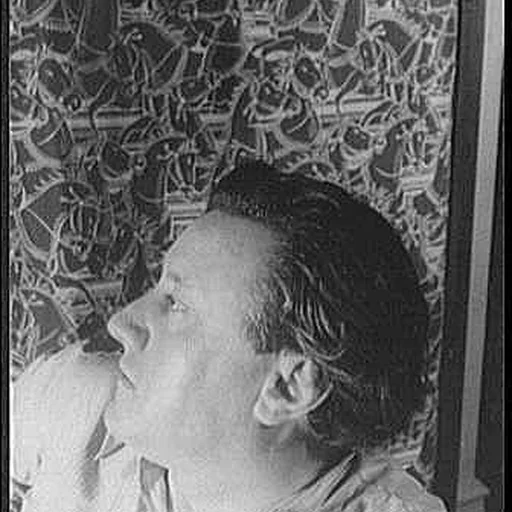
Artist
Gaston Lachaise was a French-born sculptor, active in America in the early 20th century.