Artwork
Untitled
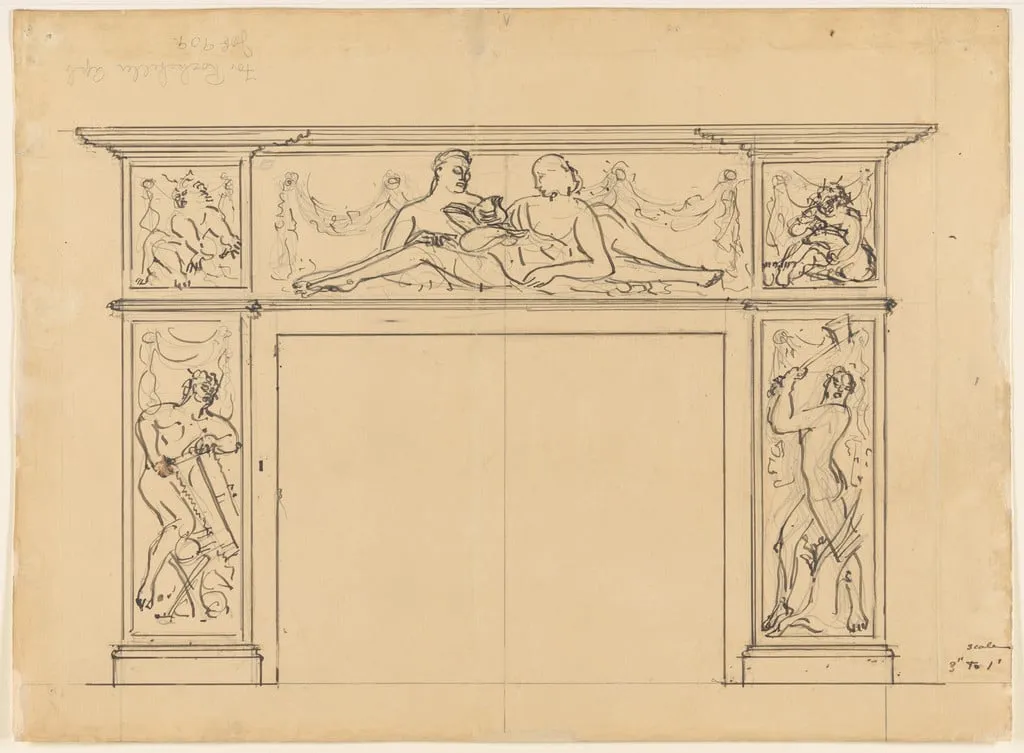
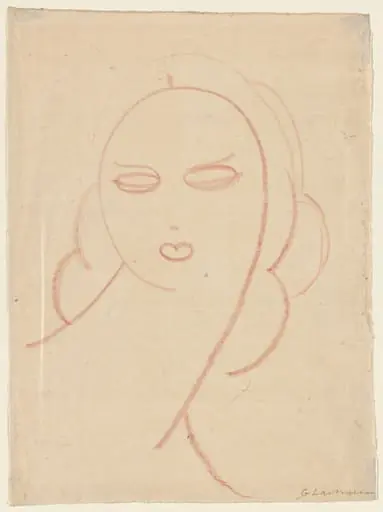
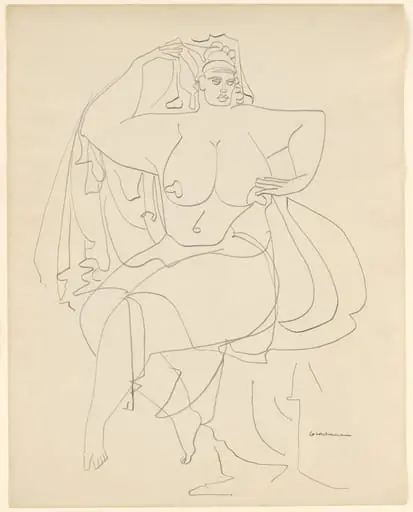
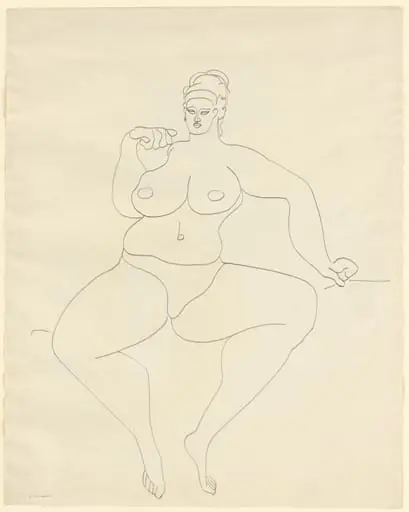
Untitled is a graphite drawing by Gaston Lachaise. It dates from 1934 and is held in the collection of the Museum of Modern Art.
About this work
Overview
Created in 1934, this ink and pencil drawing by Gaston Lachaise is a preparatory study that reflects his engagement with monumental form.
Created in 1934, this ink and pencil drawing by Gaston Lachaise is a preparatory study that reflects his engagement with monumental form. Though best known for sculpted female nudes, Lachaise used drawing to explore compositional ideas, often blending classical references with modern simplification. The work is part of The Museum of Modern Art’s collection, representing his transition from European training to an American artistic context marked by bold scale and dynamic energy.
Subject & Meaning
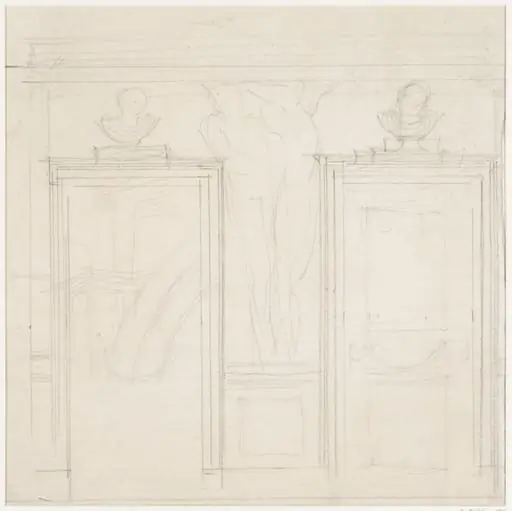
The drawing presents three framed zones: a central pair of reclining figures, one seated and one recumbent, interacting with a small object; flanked by two standing figures, one holding a hammer-like tool, the other a curved form. These figures, though stylized, evoke classical statuary reinterpreted through a modern lens. The arrangement suggests a symbolic or ritualistic scene, possibly hinting at creation, labor, or mythic narrative, though no definitive allegory is established.
Technique & Style
Lachaise employed loose, fluid ink lines with minimal shading to define forms, emphasizing gesture over detail. The figures are simplified, their contours rough and economical, suggesting movement rather than anatomical precision. The division into three framed panels introduces a structural rhythm, akin to architectural friezes. This approach reveals his interest in reducing the human figure to essential volumes, aligning with modernist tendencies while retaining a tactile, hand-drawn immediacy.
History & Provenance
Lachaise produced this drawing during his mature period in the United States, after relocating from France in the early 1900s. It was acquired by The Museum of Modern Art in the mid-20th century as part of its broader effort to document modernist drawing practices. While no record of its original commission exists, its format and scale strongly indicate it was a study for a larger sculptural or architectural project, possibly never realized.
Context
In the 1930s, American artists were redefining public art through abstraction and monumentality. Lachaise, influenced by both European academic training and the industrial vigor of the U.S., sought to merge classical ideals with contemporary expression. This drawing reflects that tension—its fragmented composition and elemental forms resonate with contemporaneous experiments in muralism and public sculpture, even as it remains a private, intimate study.
Legacy
Though not a finished sculpture, this drawing illuminates Lachaise’s process and his persistent engagement with the human form as a vehicle for expressive structure. It contributes to understanding how sculptors used drawing not merely as preparation, but as a space for conceptual experimentation. Its inclusion in MoMA’s collection affirms its value as a document of modernist inquiry into form, space, and symbolic representation.
Artist & collection
Artist
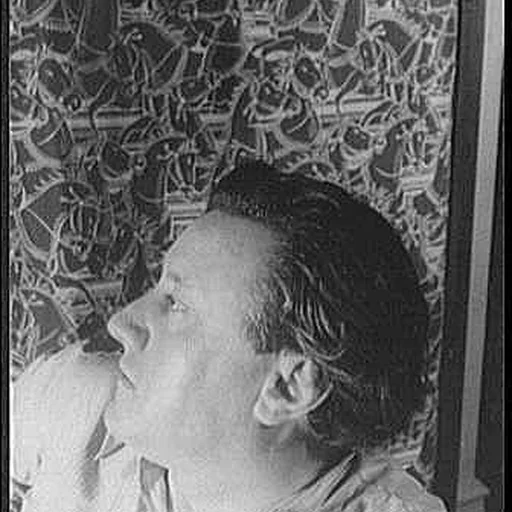
Gaston Lachaise was a French-born sculptor, active in America in the early 20th century.

 Untitled
 Design for decorative lunette: 'Model Drawing'
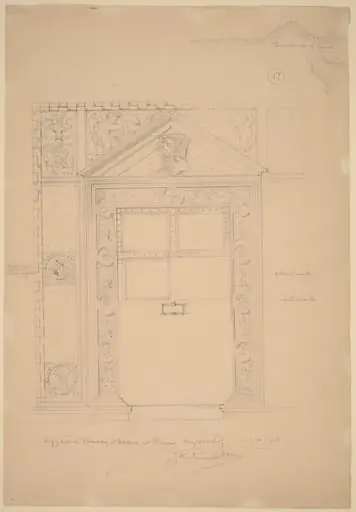 Byzantine Doorway with Duomo, Rimini
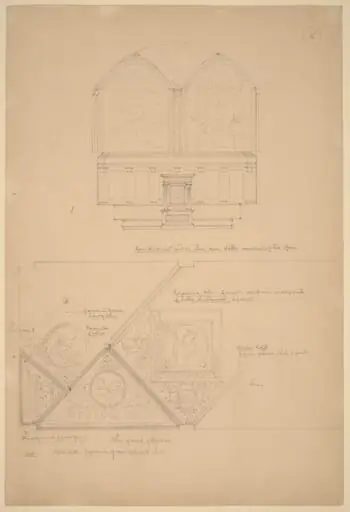 Study of an Altarpiece and Ceiling Panels
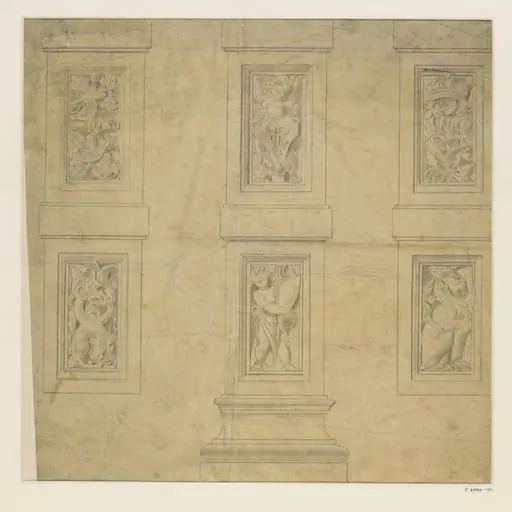 Design for terracotta decoration of the quadrangle
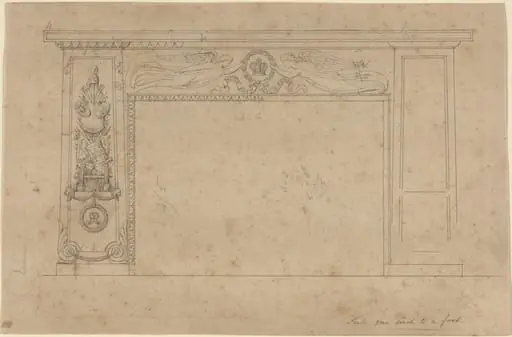 Design for the Chimney Piece in the Throne Room, Buckingham Palace
 Studies for Dorchester House
 Design for the Simcoe Monument, Exeter Cathedral
 Designs for Monuments
 Il Marzocco, Donatello