Artwork
Beauties Harvesting Bracken, from the series Gekkō’s Miscellaney
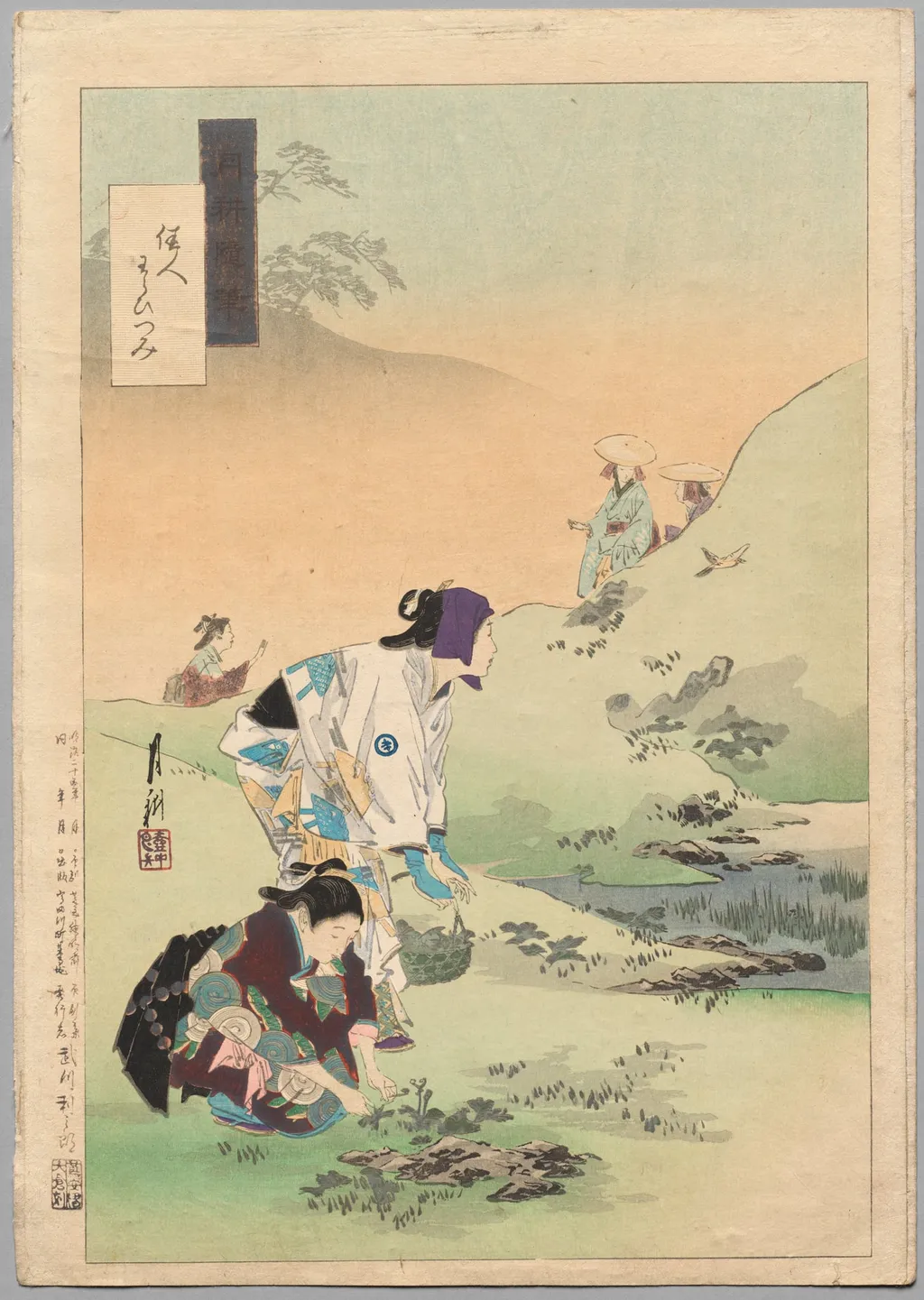
Beauties Harvesting Bracken, from the series Gekkō’s Miscellaney is a print by the Impressionist artist Ogata Gekkō. It dates from 1892 and is held in the collection of the Cleveland Museum of Art. This print is part of Gekkō’s Miscellaney, a series that explores diverse subjects beyond traditional ukiyo-e themes.
About this work
Gekkō mixed Western shading with Japanese line work—a fresh look for the time.
This print shows women bent over, gathering bracken ferns in a field.
Their wide sleeves and layered robes hint at the late 1800s.
Gekkō mixed Western shading with Japanese line work—a fresh look for the time.
Look for the soft light on their backs and the delicate plant fronds.
The scene feels quiet, but the artist’s fame grew fast after this.
He won prizes at fairs in Chicago and Paris.
One artist to compare is Kawanabe Kyōsai for bold figures.
Ōgata Gekkō (Japanese, 1859–1920)
Overview
This print is part of Gekkō’s Miscellaney, a series that explores diverse subjects beyond traditional ukiyo-e themes. It depicts rural women harvesting bracken ferns, blending everyday labor with aesthetic refinement. Gekkō, active in the late 19th century, was known for adapting Western techniques into Japanese printmaking, distinguishing his work from contemporaries through subtle tonal shifts and naturalistic detail.
Subject & Meaning
The scene portrays women engaged in seasonal foraging, a common yet unglamorized rural task. By elevating this labor into a composed image, Gekkō honors quiet domestic life without romanticizing it. The bent postures and focused movements suggest endurance and routine, while the absence of narrative drama invites contemplation rather than storytelling.
Technique & Style
Gekkō merged Japanese linework with Western-inspired shading to model form and light, particularly evident in the soft gradations on the women’s backs and the delicate rendering of bracken fronds. His use of muted tones and restrained color reflects a move away from bold ukiyo-e palettes, aligning with emerging tastes for naturalism. The composition avoids symmetry, enhancing the sense of spontaneous observation.
History & Provenance
Created during Gekkō’s rise to prominence, this print emerged after his 1885 debut at the Kangakai exhibition, which marked his entry into the modern art scene. His subsequent recognition at international expositions in Chicago and Paris helped establish his reputation abroad. While the print’s early ownership is undocumented, its inclusion in the Miscellaney series signals its role in his broader artistic experimentation.
Context
In the Meiji era, Japanese artists increasingly engaged with Western techniques as part of national modernization. Gekkō’s fusion of shading and line reflected this cultural shift, distinguishing him from traditionalists. While contemporaries like Kyōsai emphasized dynamic expression, Gekkō pursued quiet realism, aligning with a growing interest in depicting ordinary life with dignity and precision.
Legacy
Gekkō’s integration of Western methods into Japanese printmaking influenced later generations seeking to reconcile tradition with modernity. Though less celebrated than his peers today, his work contributed to the evolution of shin-hanga aesthetics. This print exemplifies his quiet innovation—transforming humble labor into a visually nuanced statement that resonated beyond Japan’s borders.
Artist & collection
Artist
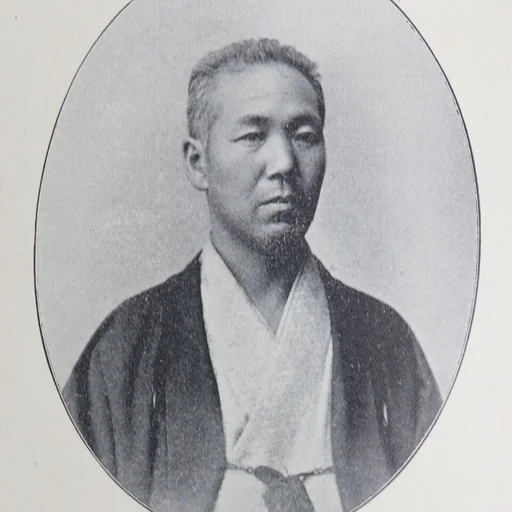
Ogata Gekkō (尾形月耕; 1859 – 1 October 1920) was a Japanese artist best known as a painter and a designer of ukiyo-e woodblock prints.

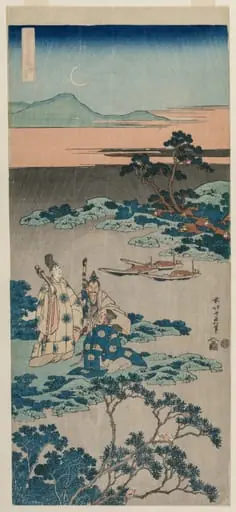 The Minister Toru Daijin Standing by a Lake Beneath a Crescent Moon, from the series A True Mirror of Chinese and Japanese Poetry
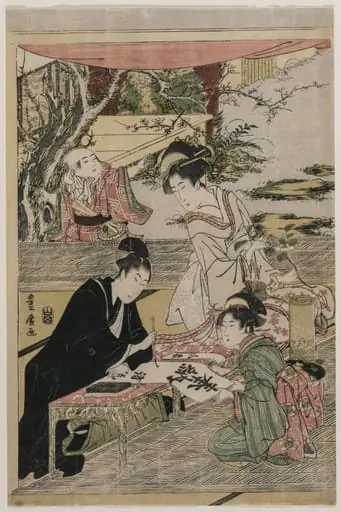 Young Man Writing at a Table
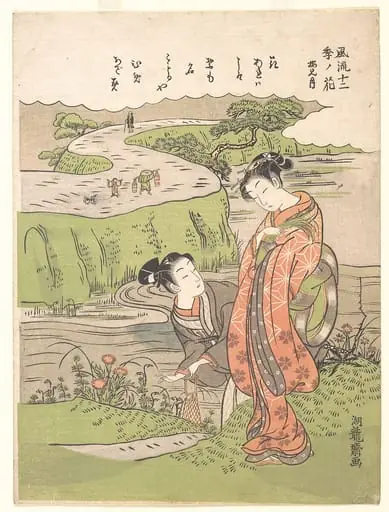 Umemi Tsuki|Plum-Seeing Month: Second Month
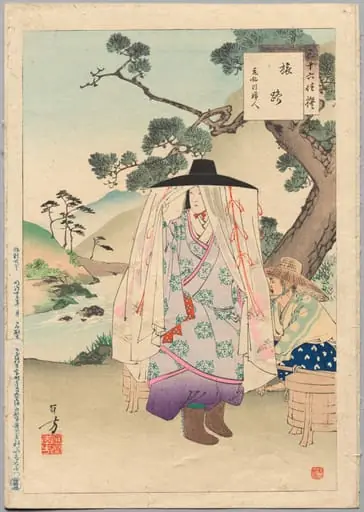 On the Road, A Lady of the Genkō Era (1313-34), from the series Thirty-Six Elegant Selections
 Untitled
 Untitled
 Third Print from A Low Tide Pentaptych
 Untitled
 東海道五十三次之内 水口 名物干瓢|Mizukuchi, Meibutsu Kampyo
 Women Chasing Crickets on an Autumn Moor
 Fifth Print from A Low Tide Pentaptych