Artwork
Bouddha (Buddha)
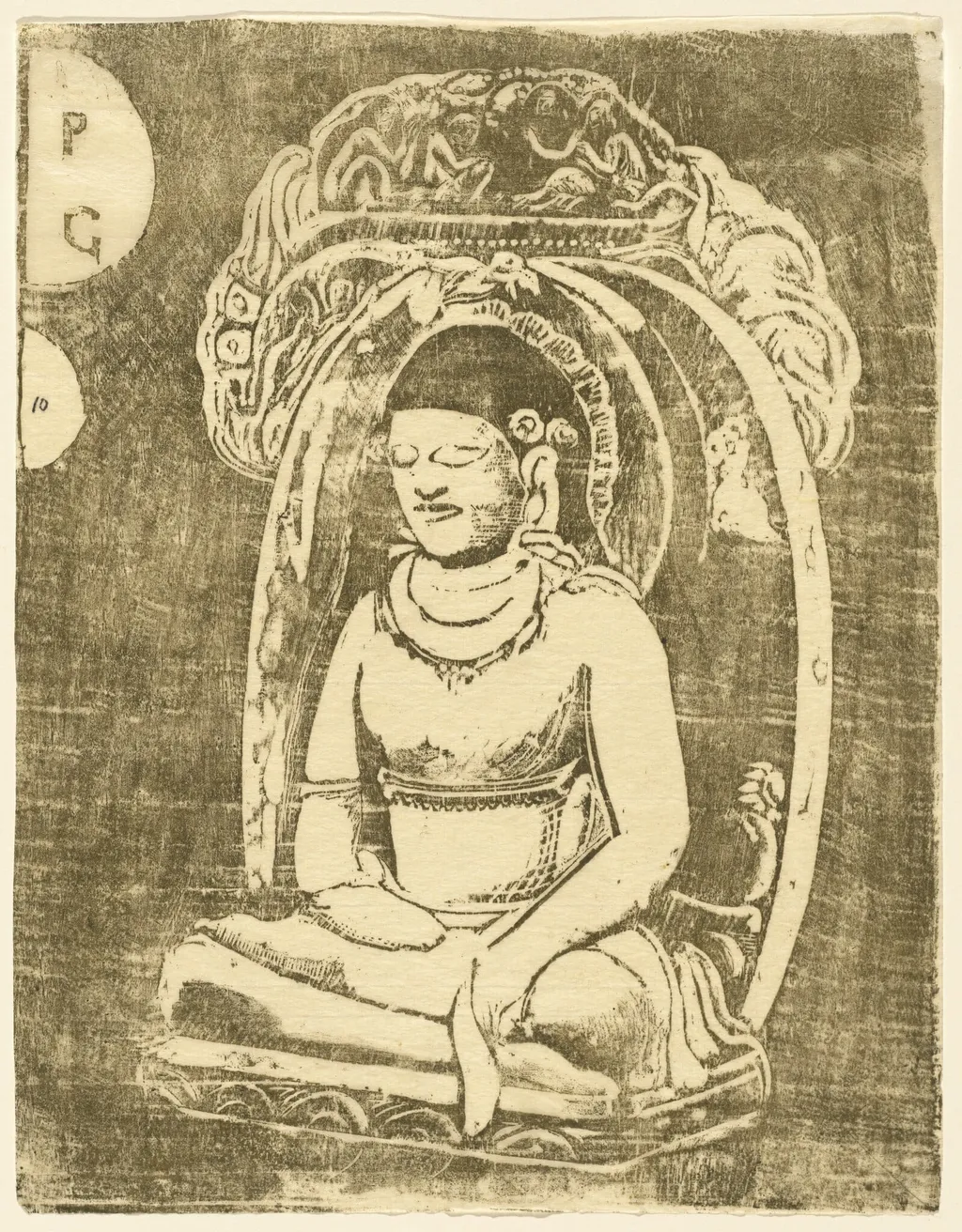
Bouddha (Buddha) is an ink print by the Impressionist artist Paul Gauguin. It dates from 1895 and is held in the collection of the National Gallery of Art.
About this work
Overview
Paul Gauguin’s 1895 woodcut titled *Bouddha (Buddha)* is executed in brown‑black ink on Japanese paper. The print depicts a seated, cross‑legged figure with a serene expression, draped cloth forming a halo‑like frame, and minimal background contrast that emphasizes the figure’s smooth, light surface against a dark field.
Subject & Meaning
The composition presents a stylized representation of a Buddha, though Gauguin’s treatment departs from conventional iconography. The figure’s bare chest, necklace, and belt, together with the simplified drapery, convey a spiritual presence while retaining the artist’s interest in non‑Western religious motifs.
Technique & Style
Created through woodcut printmaking, Gauguin carved the image into a block, producing sharp lines and flat areas of tone characteristic of the medium. The use of Japanese paper and the restrained palette reflect his engagement with both traditional Japanese print techniques and the broader Symbolist tendency toward abstraction and emotional resonance.
History & Provenance
The work belongs to the period when Gauguin was exploring Symbolism and Post‑Impressionist ideas, integrating his fascination with exotic cultures into his practice. It was produced during his later years, when he frequently employed printmaking to experiment with bold forms and simplified compositions.
Context
*Bouddha* aligns with Gauguin’s ongoing dialogue with non‑Western art, particularly his interest in spiritual themes drawn from Asian and Pacific cultures. The piece exemplifies his shift away from naturalistic representation toward a more symbolic, emotive visual language.
Artist & collection
Artist
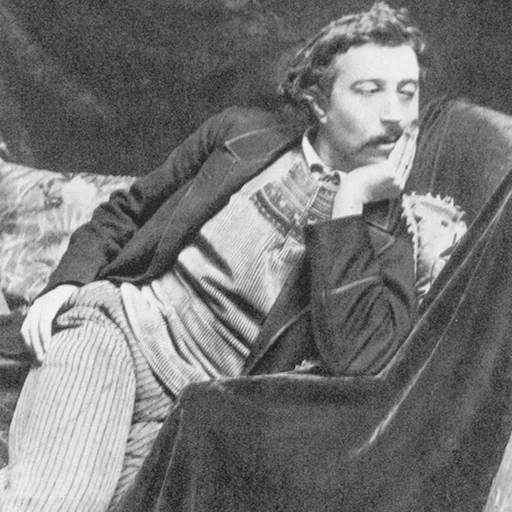
Eugène Henri Paul Gauguin (; French: ; 7 June 1848 – 8 May 1903) was a French painter, sculptor, printmaker, ceramist, and writer, whose work has been primarily associated with the Post-Impressionist and Symbolist movements.

 Untitled
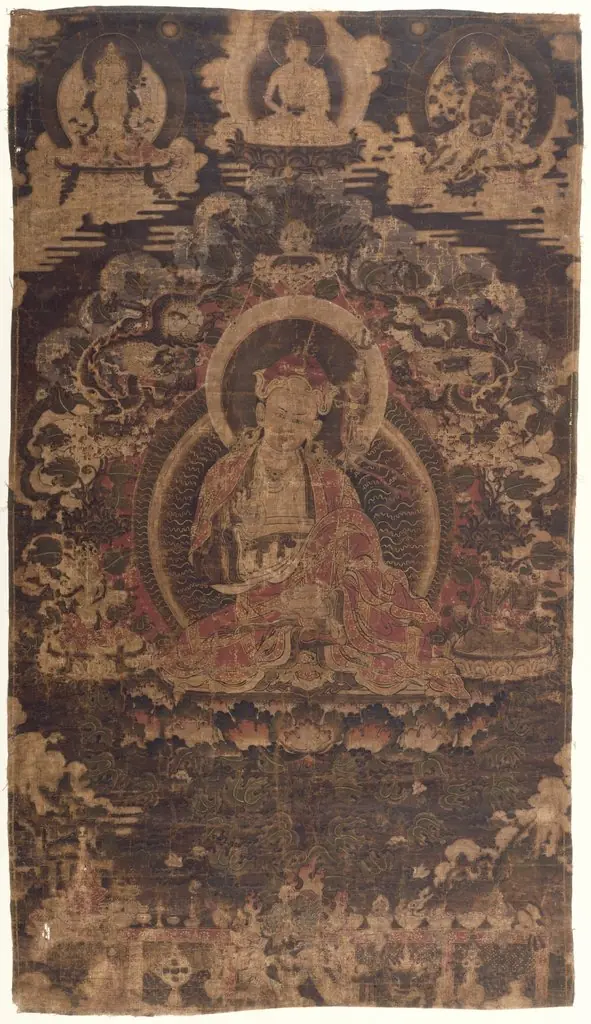 Padmasambhava (Guru Rinpoche, 8th century)
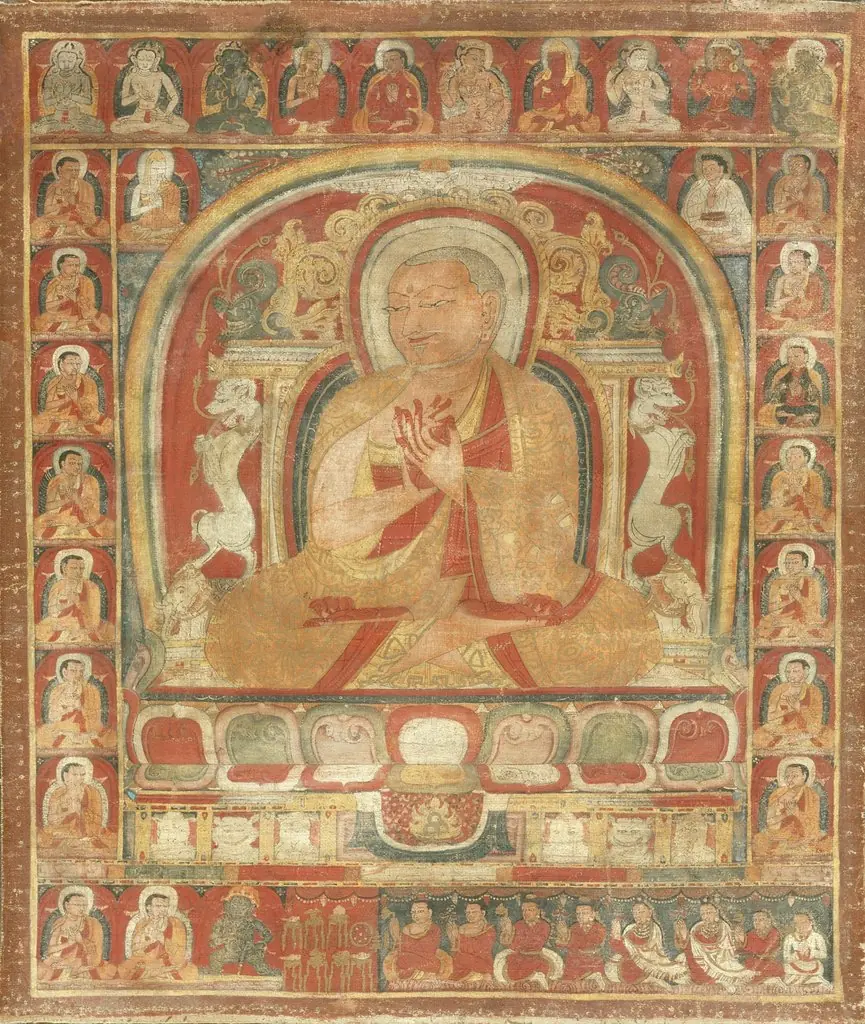 An Abbot and His Lineage
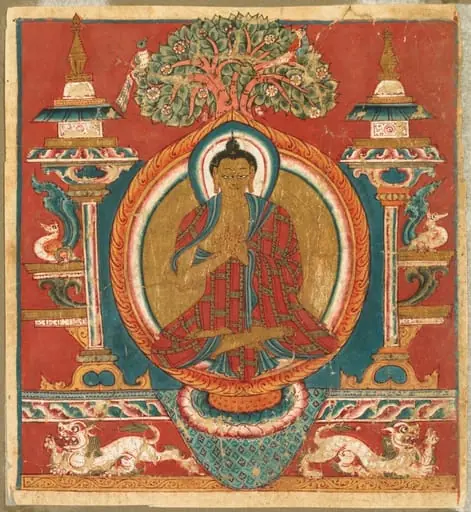 Votive initiation card (tsakali) with preaching Buddha Shakyamuni
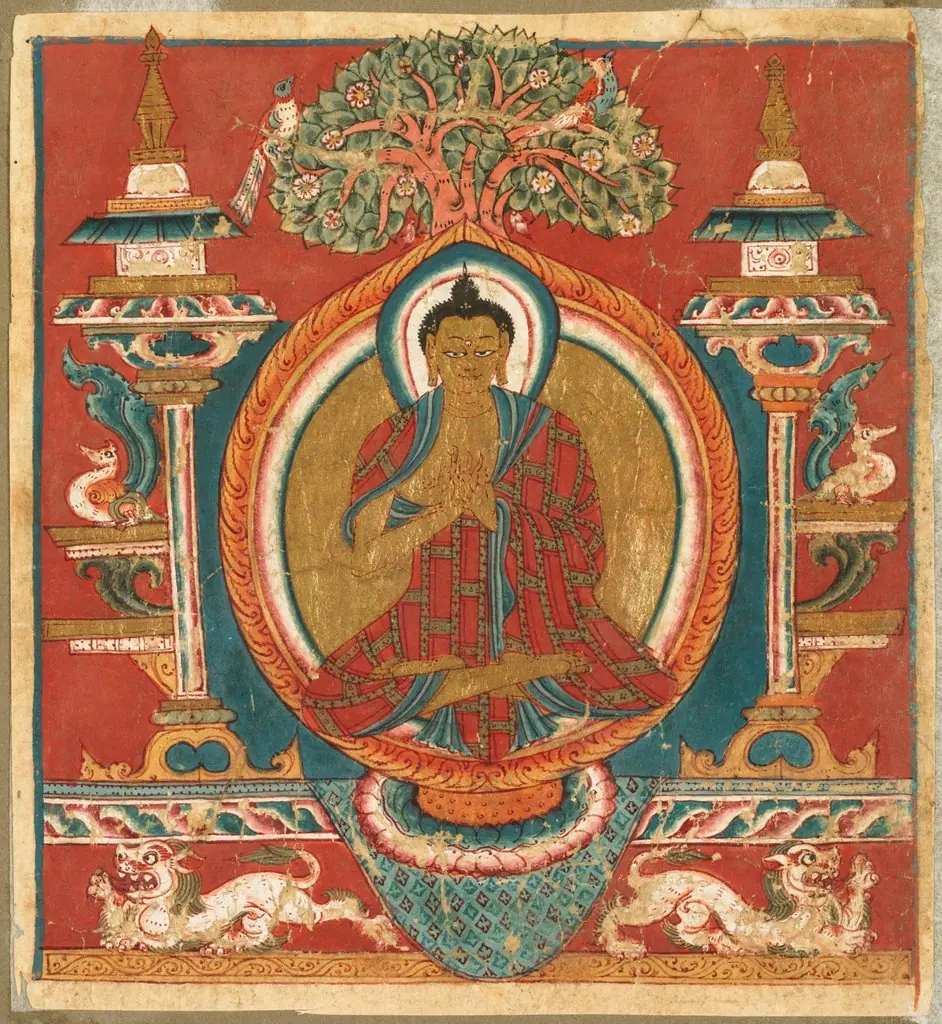 Preaching Sakyamuni
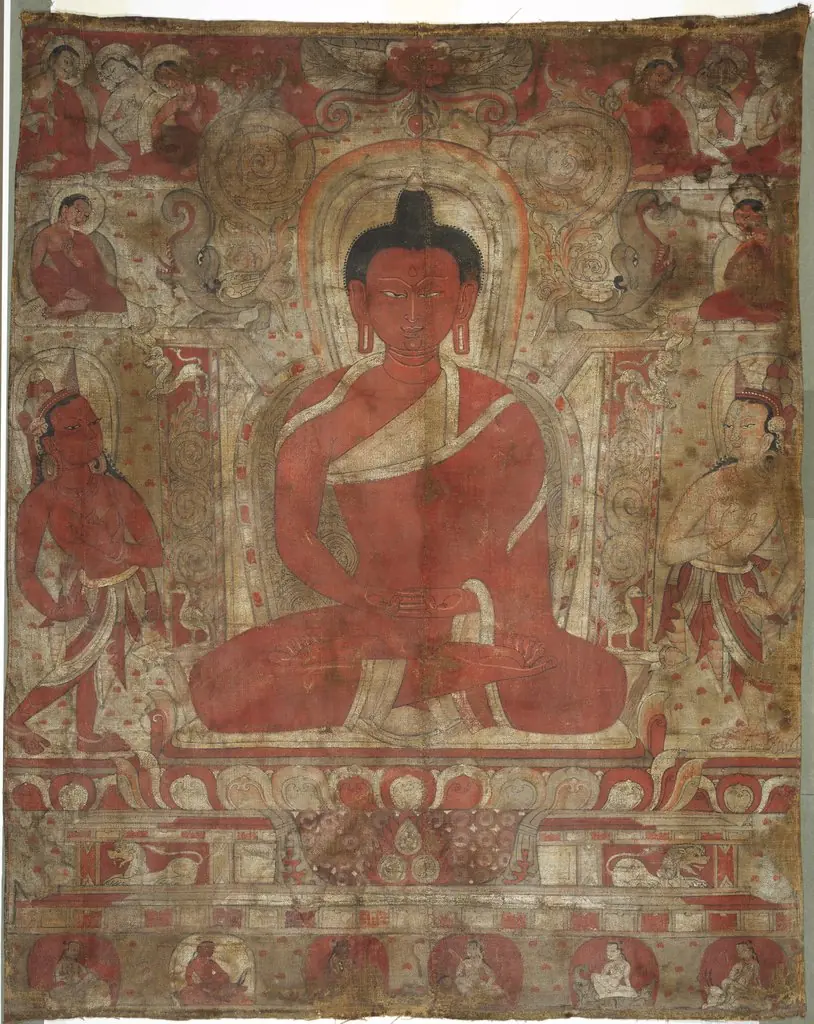 Seated Amitabha with Attendants
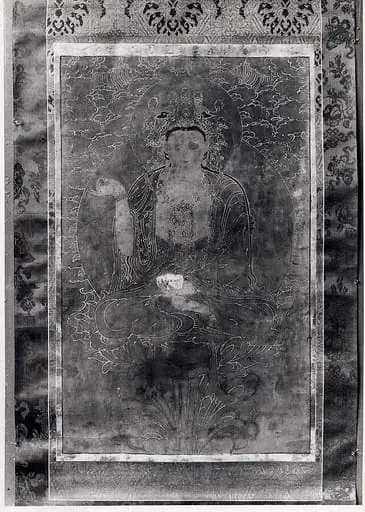 Untitled
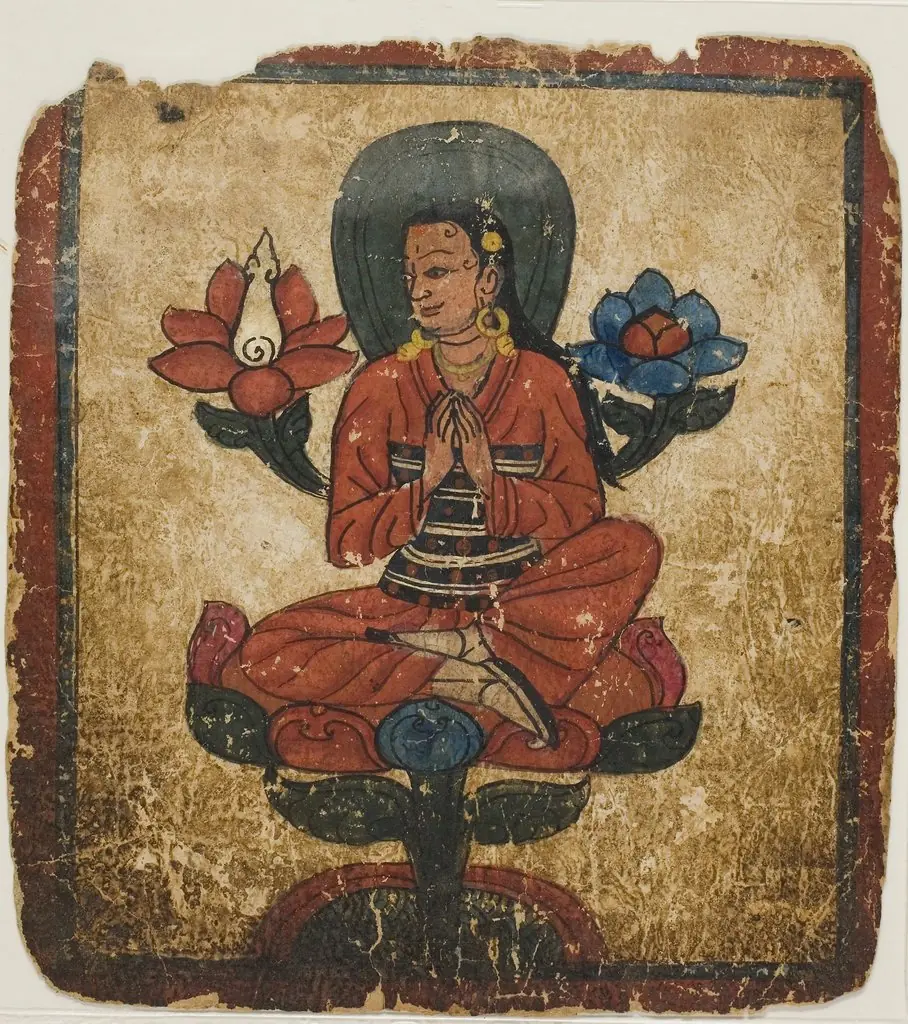 Figure Seated on Lotus, from a Set of Initiation Cards (Tsakali)
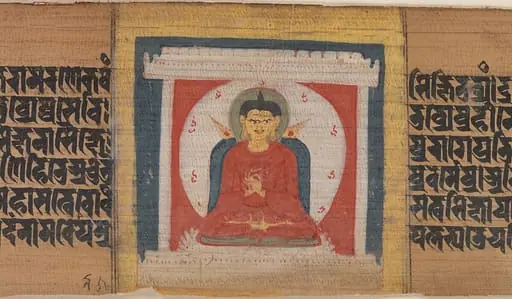 Untitled
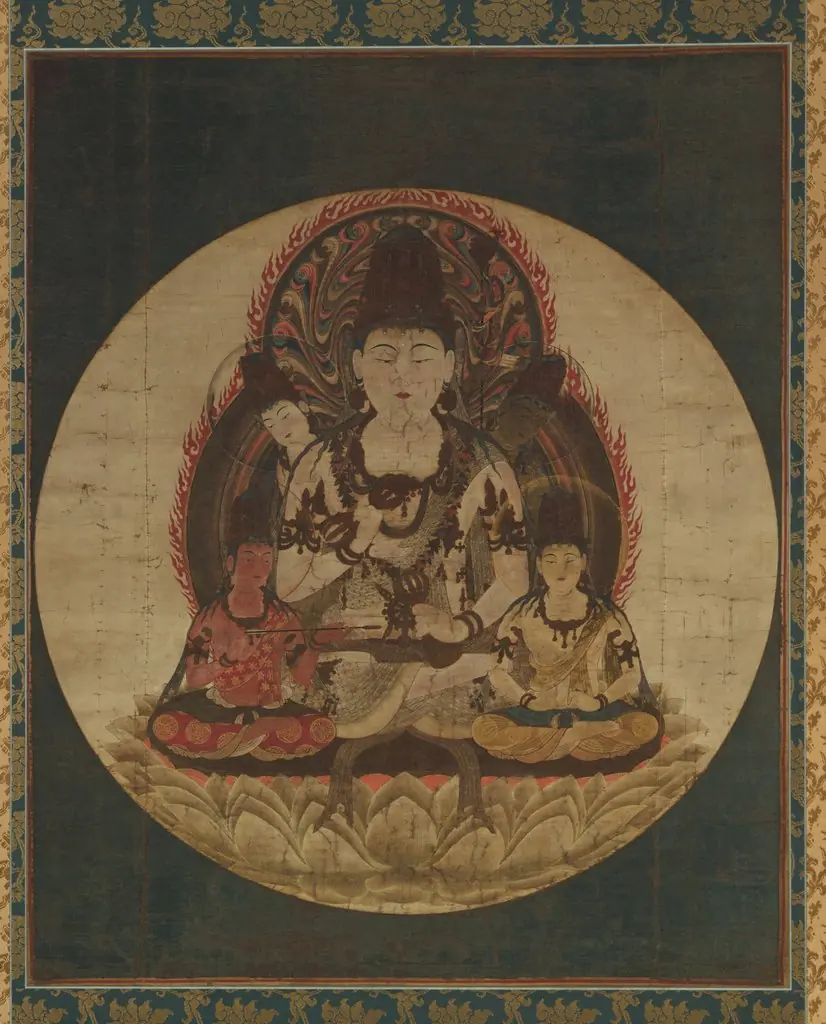 The Secret Five Bodhisattvas (Gohimitsu Bosatsu)