Artwork
Padmasambhava (Guru Rinpoche, 8th century)
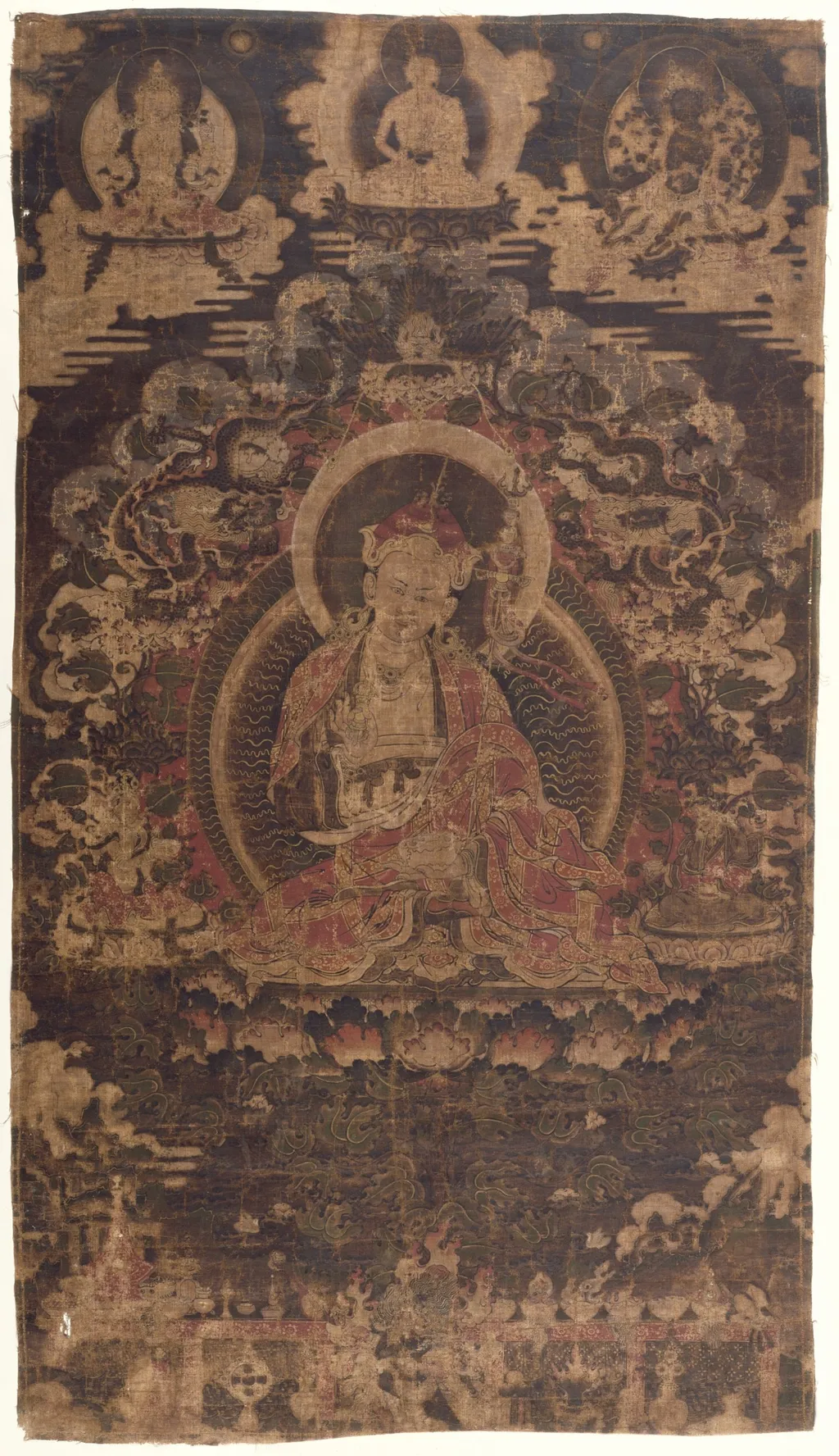
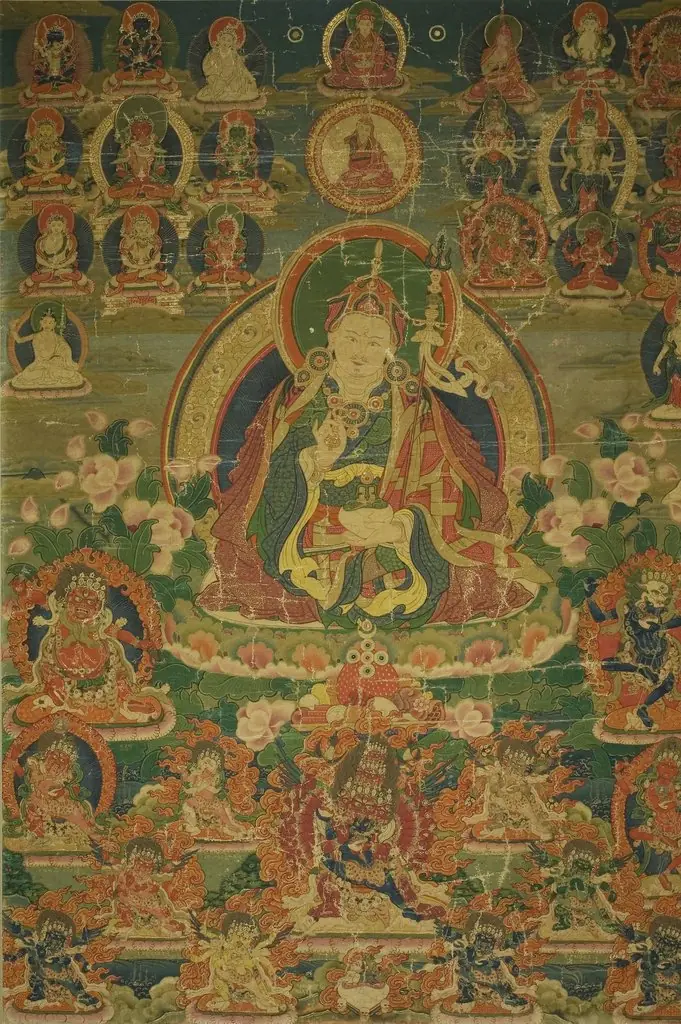
Padmasambhava (Guru Rinpoche, 8th century) is an unspecified painting by Unknown. It is held in the collection of the Los Angeles County Museum of Art. This Tibetan thangka depicts Padmasambhava, an 8th-century Buddhist master revered as Guru Rinpoche.
About this work
Overview
He is seated in meditation posture, clad in a red monastic robe, holding a ritual sword and a kapala— a skull cup.
This Tibetan thangka depicts Padmasambhava, an 8th-century Buddhist master revered as Guru Rinpoche. He is seated in meditation posture, clad in a red monastic robe, holding a ritual sword and a kapala— a skull cup. A luminous halo surrounds his head, emphasizing his spiritual status. Above him, three smaller figures are enclosed in circular mandalas, suggesting lineage or celestial attendants. The dark background, punctuated by faint lighter zones, directs focus to the central figure.
Subject & Meaning
Padmasambhava is venerated for introducing Vajrayana Buddhism to Tibet. The sword symbolizes the cutting of ignorance, while the skull cup represents the transformation of ego into wisdom. The three figures above likely depict his spiritual predecessors or emanations, reinforcing his role as a lineage holder. The composition reflects tantric cosmology, where enlightened beings are depicted in hierarchical, symbolic arrangements to convey doctrinal relationships.
Technique & Style
Executed in mineral pigments on cotton, the painting follows traditional Tibetan thangka conventions: flat perspective, bold outlines, and symbolic color use. Red dominates the central figure’s attire, denoting power and activity. The halos and circular frames are rendered with precise gold detailing, typical of devotional art meant for ritual use. Surface wear suggests prolonged handling and ceremonial exposure, consistent with its function as a meditative aid.
History & Provenance
The painting likely originated in Tibet between the 15th and 17th centuries, a period of flourishing thangka production. Its condition indicates it was used in monastic or household altars over generations. While its exact provenance before entering museum collections is undocumented, similar works were often carried by traveling monks or gifted between religious institutions across the Himalayan region.
Context
Thangkas like this served as visual aids in Buddhist practice, helping practitioners visualize deities and teachings during meditation. Padmasambhava’s imagery became standardized after his canonization in Tibetan Buddhism, with consistent iconography emerging by the late medieval period. This painting reflects the integration of Indian tantric traditions with local Tibetan beliefs, forming a distinct religious art tradition.
Legacy
This work exemplifies the enduring role of thangka painting in preserving and transmitting Tibetan Buddhist doctrine. Though its specific origin remains unrecorded, its iconographic fidelity to established models underscores its place within a broader, centuries-old artistic and spiritual lineage. Such paintings continue to inform contemporary practice and scholarship in Himalayan religious art.
Artist & collection

 Domestic Scene
 Giacomo and Cardinal Marco, investing Andrea, Abbot of San Zeno, with his Benefice
 The Nymph of Fontainebleau
 Portrait of a Woman
 Madonna and Child with Saints in the Enclosed Garden
 Venus and Minerva
 Family Group of Four on Sofa
 Wall painting from Room H of the Villa of P. Fannius Synistor at Boscoreale
 Tsong Khapa, Founder of the Geluk Order
 Tsong Khapa, Founder of the Geluk Order
 The Jina Buddha of Infinite Light (Amitabha) in His Pure Land Paradise (Sukhavati)
 Buddha Shakyamuni and Narrative Scenes
 Painted Banner (Thangka) from a Set of Seven Honoring Gayadhara, a Sakya Pandit from India
 Monju with Five Hair Knots
 Painted Banner (Thangka) of Milarepa on Mount Kailasha
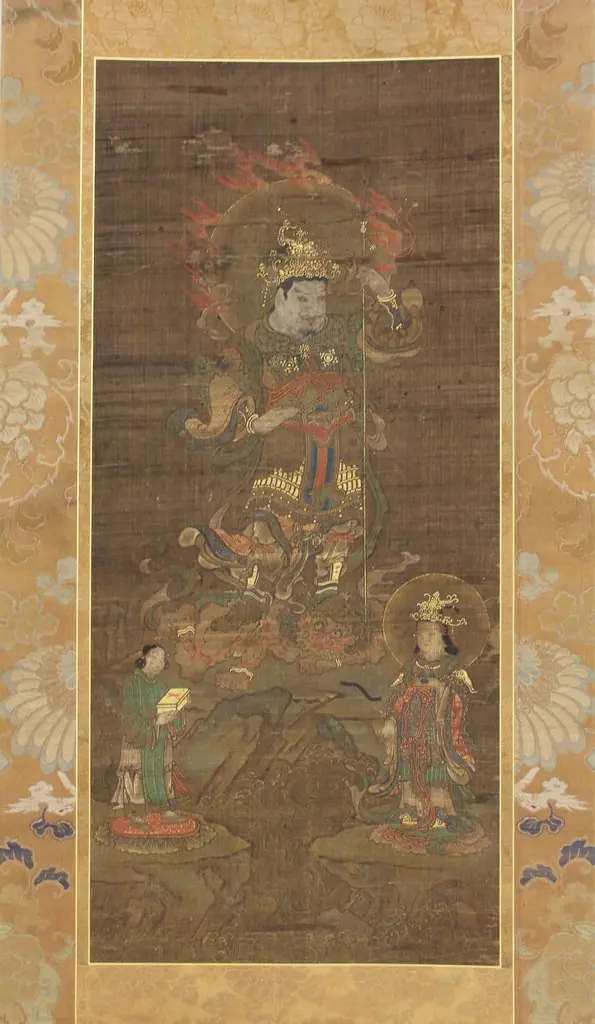 Mount Kurama Mandala: Bishamonten Triad (Kuramayama mandara: Bishamonten sanzonzō)
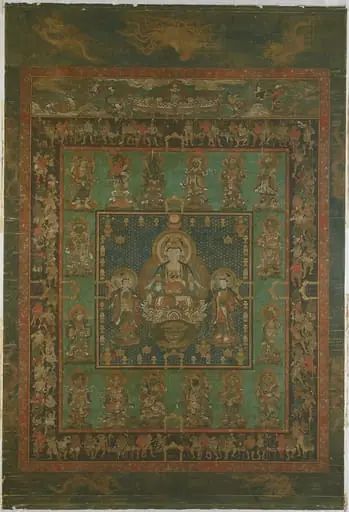 般若菩薩曼荼羅図|Mandala of the Bodhisattva Hannya (Prajnaparamita)
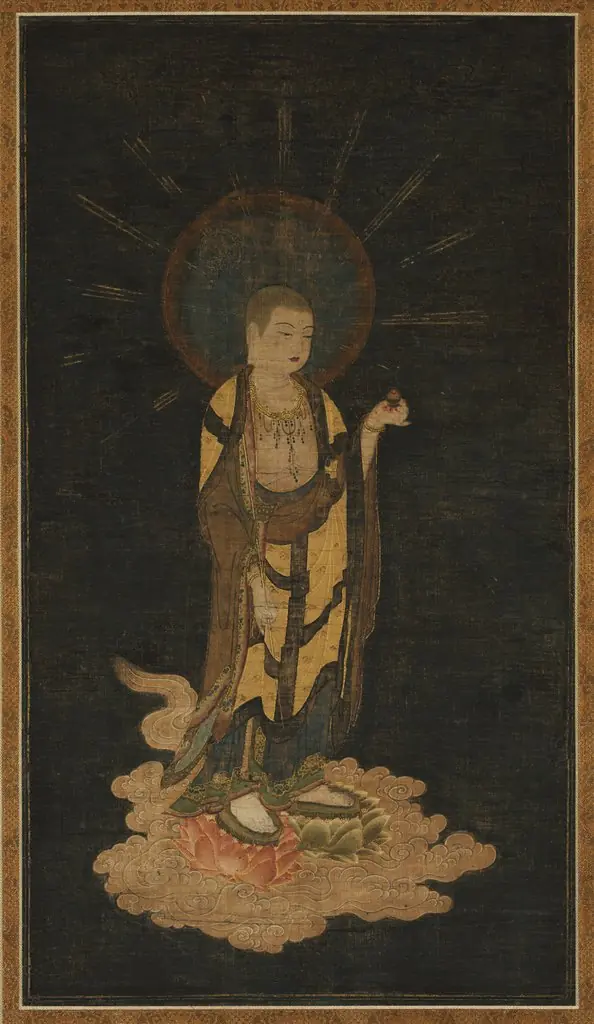 Welcoming Descent of Jizō
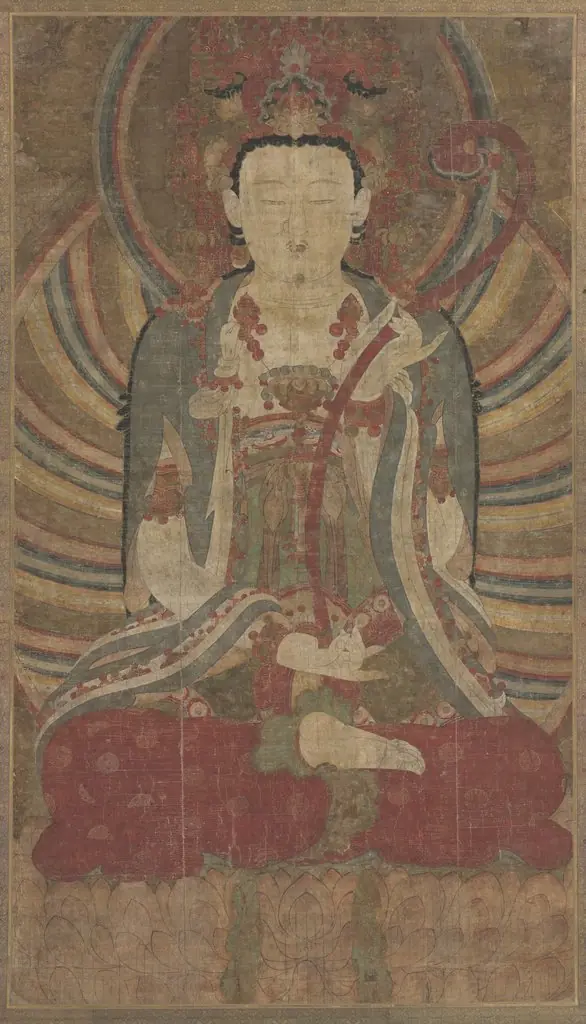 Seated Manjusri
 Painted Banner (Thangka) of Sage Guru Padmasambhava Seated Holding a Thunderbolt (Vajra) and Skull Cup (Kapala)