Artwork
Three Tahitians (Study for "La soeur de charite")
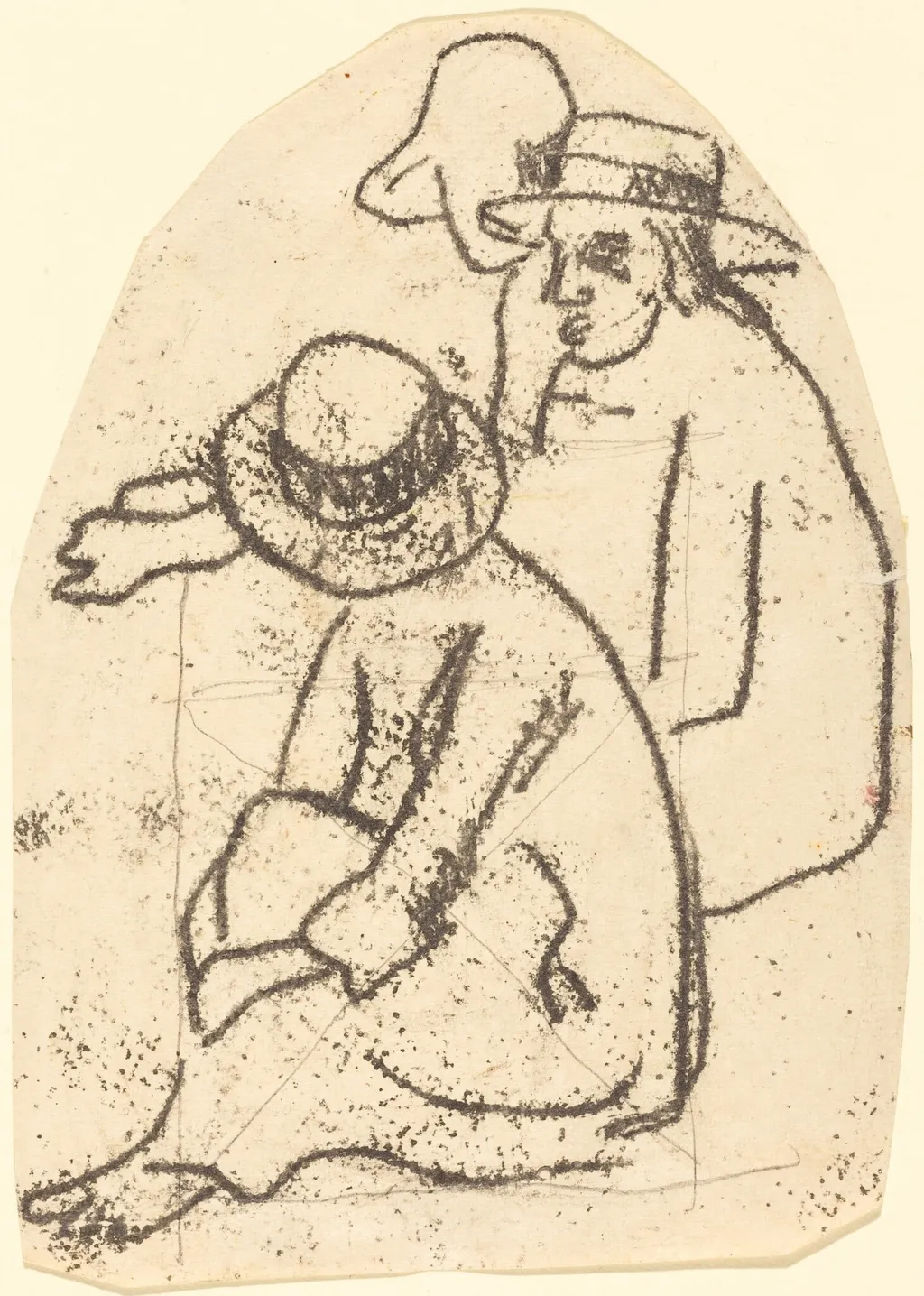
Three Tahitians (Study for "La soeur de charite") is a graphite print by the Impressionist artist Paul Gauguin. It dates from 1900 and is held in the collection of the National Gallery of Art.
About this work
Overview
Three Tahitians (Study for "La soeur de charite"), created by Paul Gauguin in 1900, is a traced monotype in black ink on wove paper, with additional pencil squaring. This print serves as a study for a larger work, characterized by its rough, sketchy outlines and experimental shading techniques.
Subject & Meaning
The study depicts three closely grouped figures, reflecting Gauguin's enduring fascination with Tahitian culture and visual motifs, a theme prominent in his work following his time in French Polynesia.
Technique & Style
Gauguin employed a traced monotype technique with black ink, supplemented by pencil squaring. The piece features dark, uneven lines, tiny dot fillings, and overlapping lines to achieve shading, conveying a hand-drawn, unfinished quality suggestive of a rapid execution, potentially as a preparatory sketch.
History & Provenance
Created in 1900, this study precedes the final work "La soeur de charite". While specific provenance details are not provided, it aligns with Gauguin's late period, marked by an intense focus on Tahitian subjects.
Context
This work is set against Gauguin's broader experimentation within Post-Impressionism and Symbolism, diverging from Impressionist norms through its expressive, synthetist approach, particularly evident in his Tahitian-themed productions.
Artist & collection
Artist
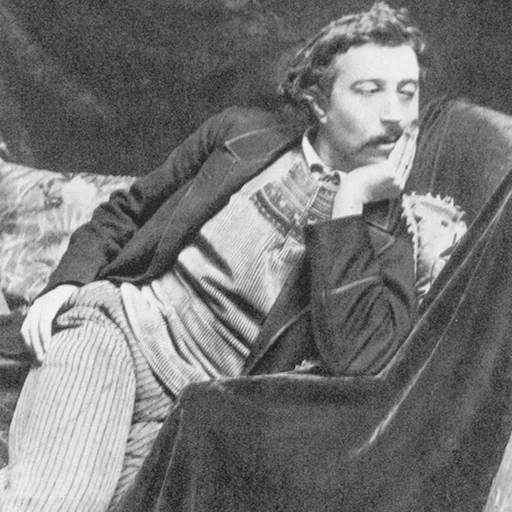
Eugène Henri Paul Gauguin (; French: ; 7 June 1848 – 8 May 1903) was a French painter, sculptor, printmaker, ceramist, and writer, whose work has been primarily associated with the Post-Impressionist and Symbolist movements.

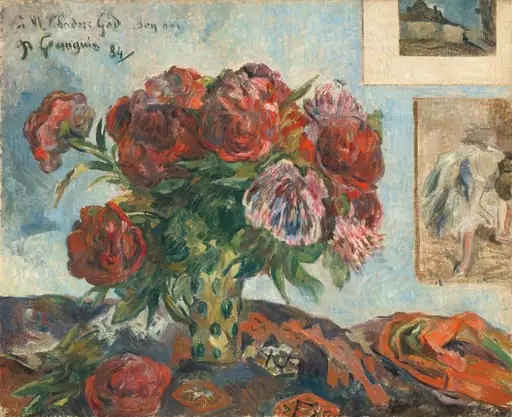
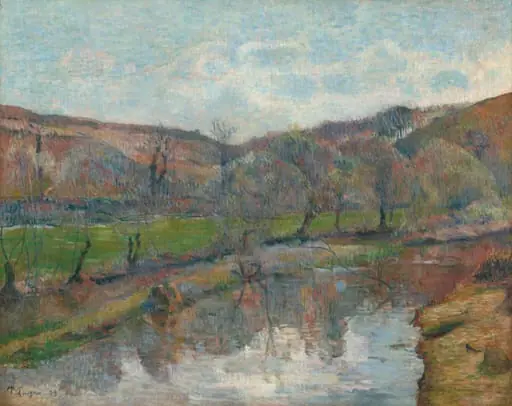
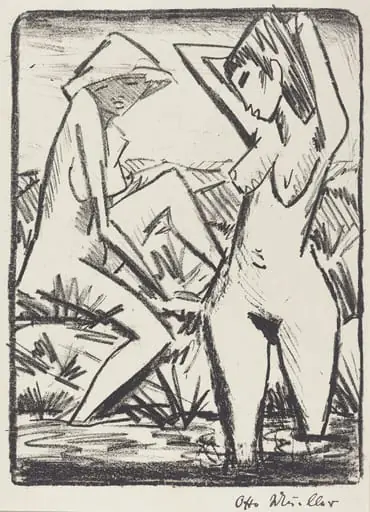 Standing Girl in Water and the Other Sitting on Shore (Im Wasser stehendes und am Ufer sitzendes Madchen mit Hut)
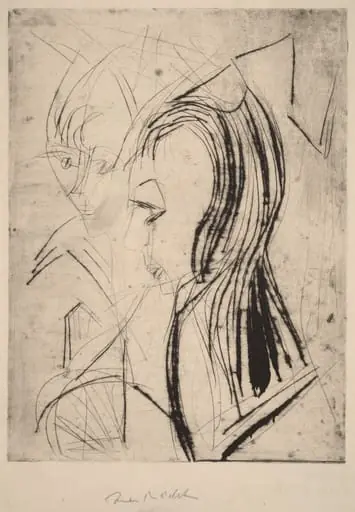 Heads of Two Girls
 Untitled
![Two Marquesans [recto], by Paul Gauguin](https://artifactworldgallery.com/img/paul-gauguin--two-marquesans-recto--916b716ab0d6c759-w320.webp) Two Marquesans [recto]
Two Marquesans [recto] On the Street
 Girl with Flowers
 Siesta
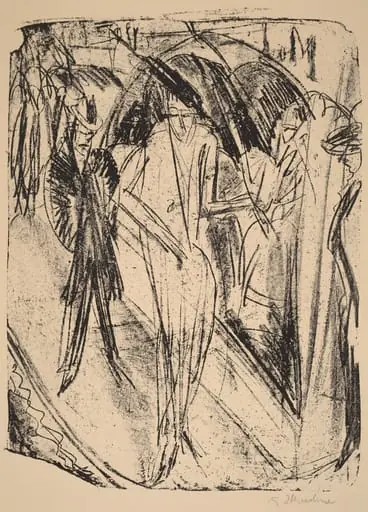 Lady in the Rain
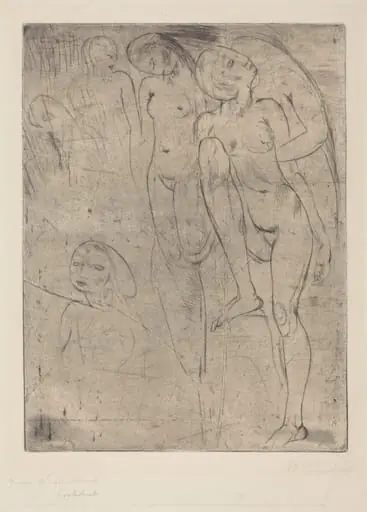 Large Resurrection (Grosse Auferstehung)
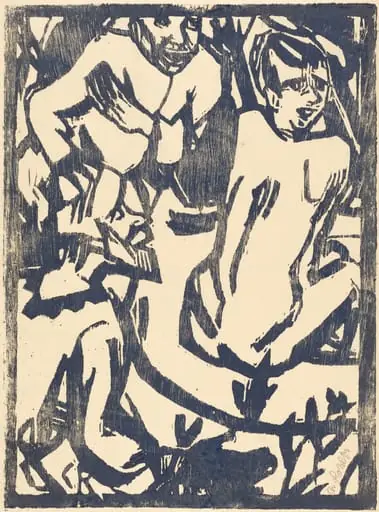 Susanna and the Elders
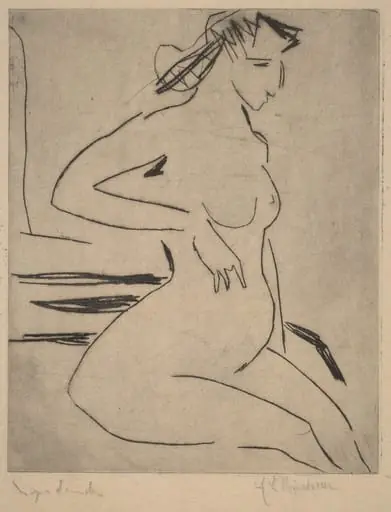 Female Nude Seated
 Contemplare