Artwork
The British Lion
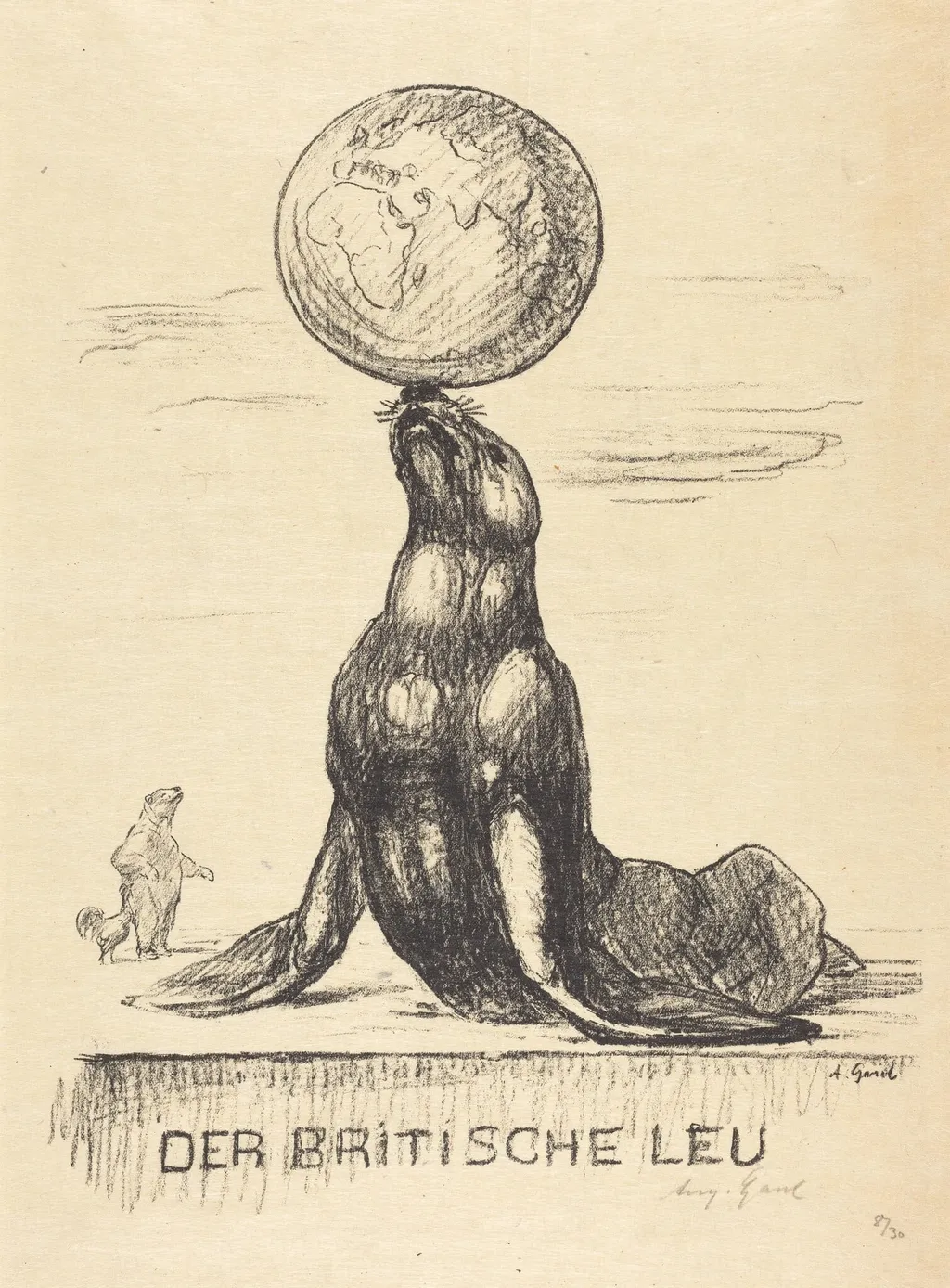
The British Lion is an ink print by the Impressionist artist August Gaul. It dates from 1895 and is held in the collection of the National Gallery of Art.
About this work
Overview
August Gaul’s 1895 lithograph titled *Der britische Leu* presents a lion in profile, its body rendered in bold, simplified contours. The animal balances a globe on its nose while a small dog observes from the background. The composition is executed in loose, sketch‑like lines that convey a sense of immediacy and humor.
Subject & Meaning
The lion, a traditional emblem of Britain, is shown performing a precarious feat, suggesting a satirical commentary on national power. The accompanying dog, diminutive and attentive, reinforces the playful juxtaposition of strength and vulnerability, inviting viewers to consider the fragility underlying displays of authority.
Technique & Style
Created as a lithograph, the work employs the medium’s capacity for bold tonal contrasts and swift line work. Gaul’s approach emphasizes exaggerated musculature and stark silhouettes, aligning with the expressionist tendency to prioritize emotional impact over detailed realism.
History & Provenance
Born in 1869, Gaul emerged as a prominent sculptor and painter within Berlin’s avant‑garde circles. He co‑founded the Berlin Secession, a group dedicated to modernizing German art, and maintained close ties with the influential Cassirer art dealers, who helped disseminate his prints.
Context
The lithograph reflects the late‑19th‑century climate of political satire and artistic experimentation in Germany. By employing animal allegory, Gaul participates in a broader tradition of using fauna to critique contemporary geopolitics, while his stylized rendering mirrors the era’s shift toward expressionist aesthetics.
Artist & collection
Artist
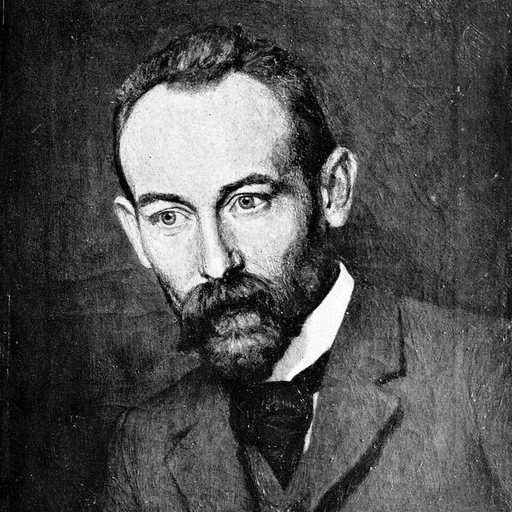
August Gaul (German: ; October 22, 1869 – October 18, 1922) was a German sculptor and expressionism artist, born in Großauheim (now part of Hanau).

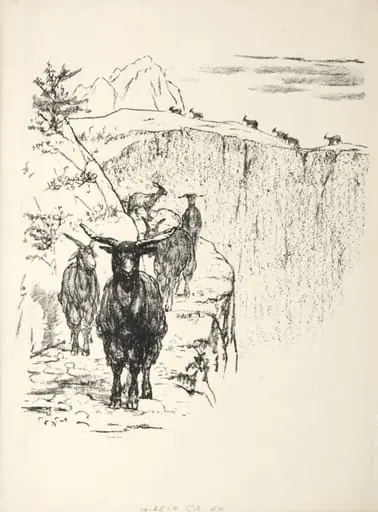
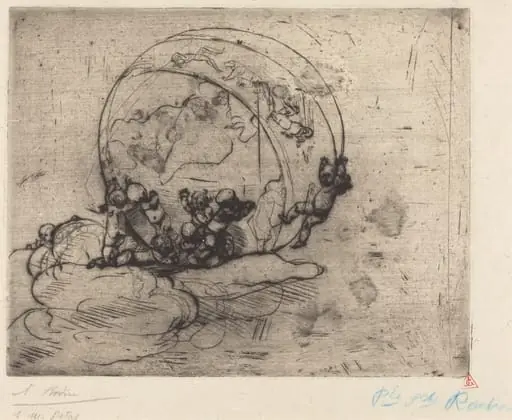 Les Amours Conduisant le Monde (Love Turning the World)
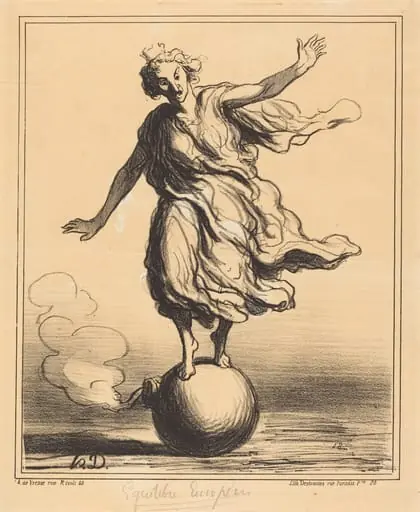 Équilibre Européen
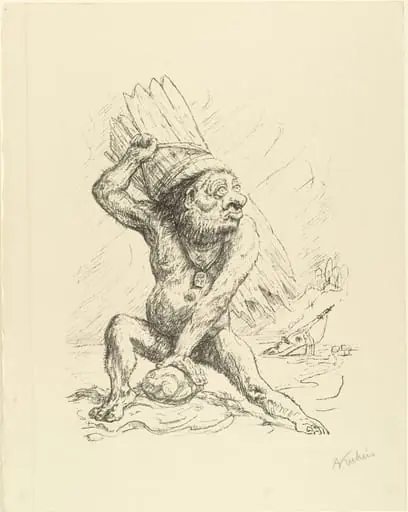 Untitled
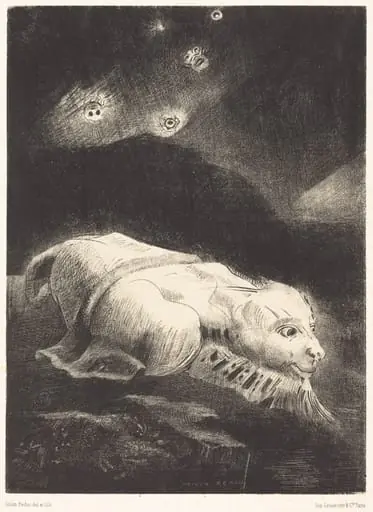 Quand s'eveillait la Vie au Fon de la matiere obscure (When life was awakening in the depths of obscure matter)
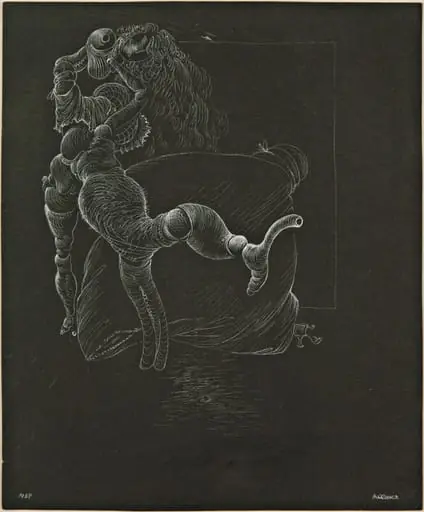 Untitled
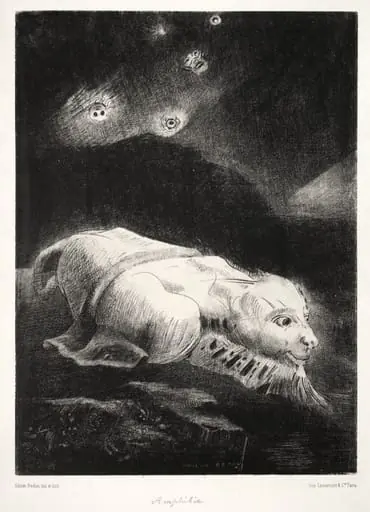 When Life Was Awakening in the Depths of Obscure Matter
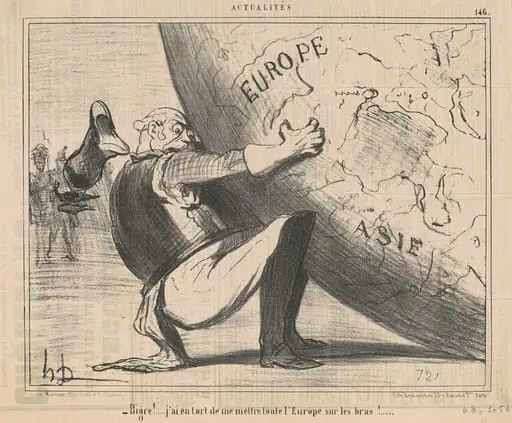 Bigre! ... j'ai eu tort de me mettre ...
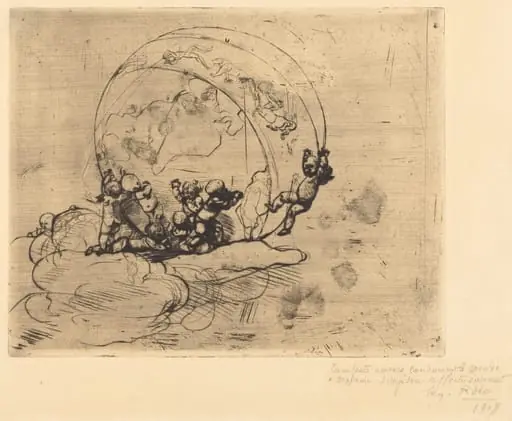 Les Amours Conduisant le Monde (Love Turning the World)
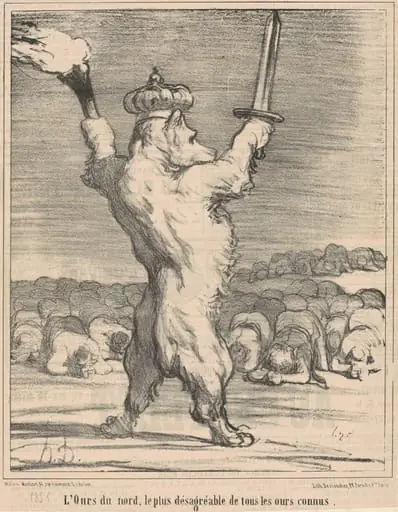 L'ours du nord, le plus désagréable de tous les ours connus
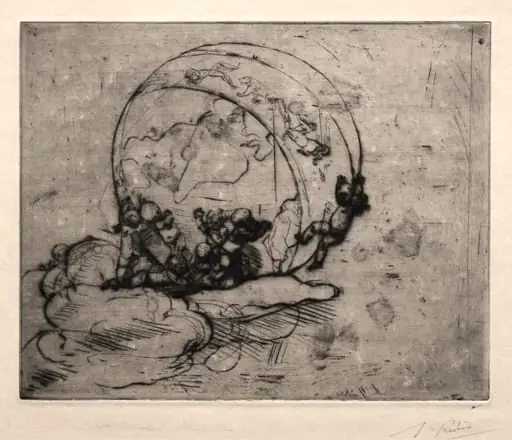 Cupids Leading the World
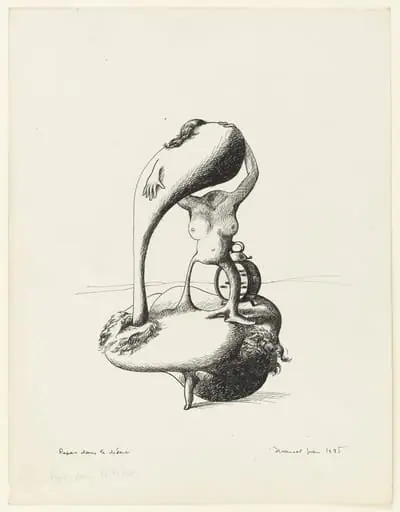 Untitled
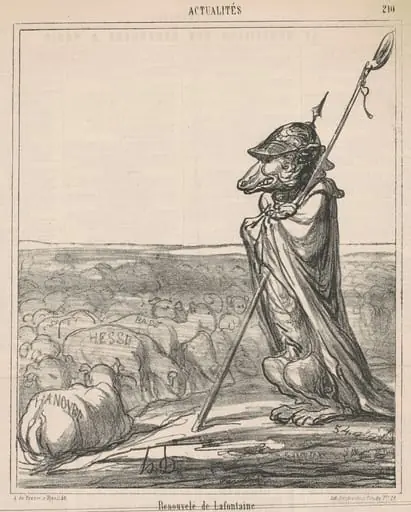 Renouvelée de la fontaine