Artwork
James Dawkins and Robert Wood Discovering the Ruins of Palmyra
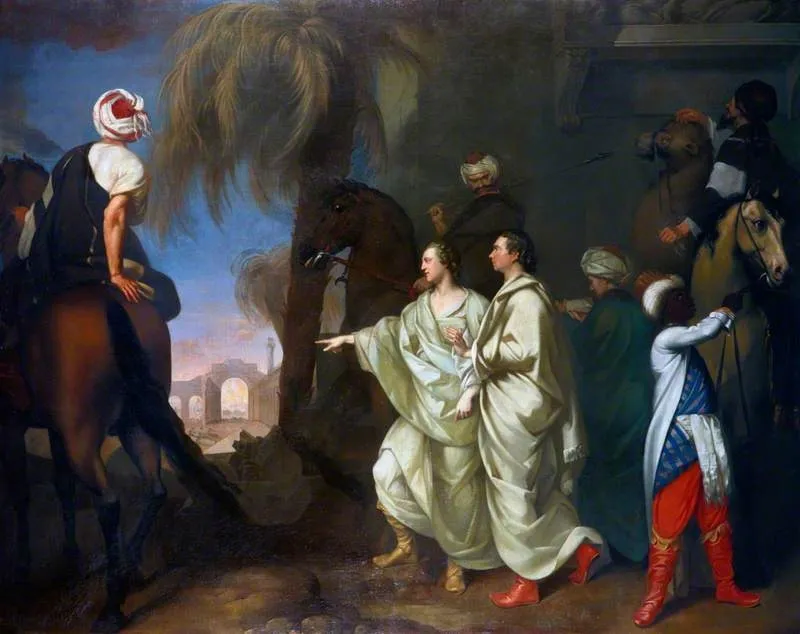
James Dawkins and Robert Wood Discovering the Ruins of Palmyra is an oil painting by the Rococo painting artist Gavin Hamilton. It dates from 1758 and is held in the collection of the National Galleries Scotland.
About this work
Overview
James Dawkins and Robert Wood Discovering the Ruins of Palmyra is an 18th-century oil painting created by Scottish neoclassical artist Gavin Hamilton in 1758. The work captures a moment of discovery in the ancient city of Palmyra, featuring two British travelers amidst the ruins.
Subject & Meaning
The painting depicts James Dawkins and Robert Wood, British explorers, surveying the Palmyra ruins. The scene conveys a sense of exploration and discovery, reflecting Hamilton's engagement with antiquities and the neoclassical fascination with ancient cultures.
Technique & Style
Hamilton employed oil painting techniques characteristic of the rococo movement. The work features nuanced use of light and shadow to create depth, detailed textures in clothing and stone, and a compositional focus that guides the viewer's eye to the central figures.
History & Provenance
Completed in 1758, the painting is now part of the Scottish National Gallery's collection. Its creation aligns with Hamilton's role in shaping 18th-century neoclassical artistic tastes through his involvement in antiquities.
Context
The painting reflects the 18th-century European interest in classical antiquity. Hamilton's work, influenced by his time in Rome, embodies the neoclassical movement's emphasis on historical and archaeological subjects.
Artist & collection
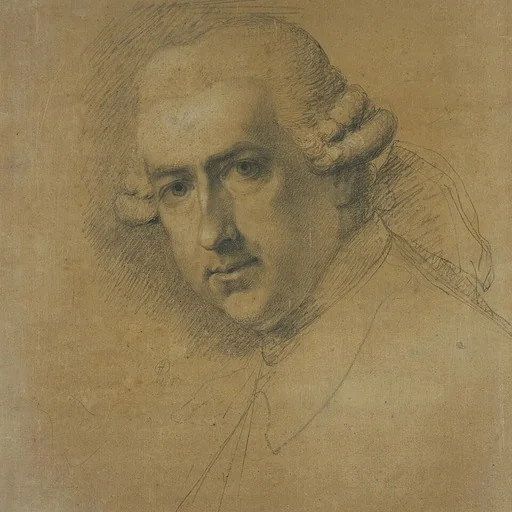
Artist
Gavin Hamilton (1723 – 4 January 1798) was a Scottish neoclassical history painter, who is more widely remembered for his searches for antiquities in the neighbourhood of Rome.

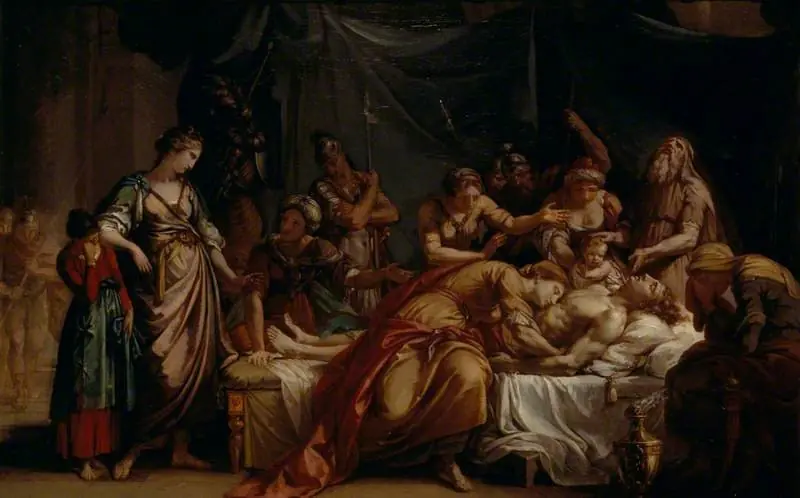
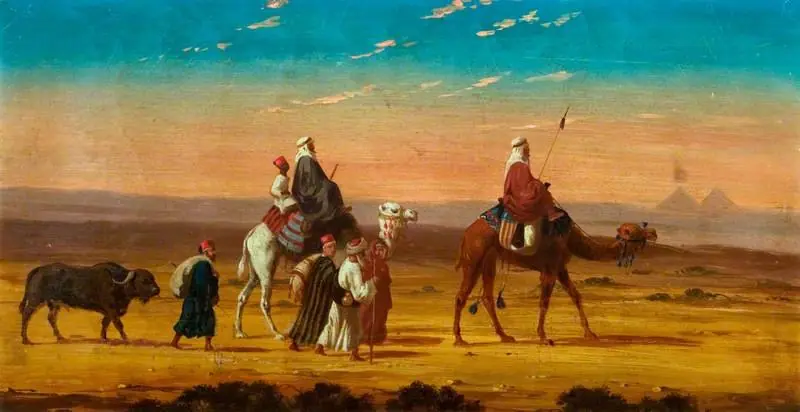 A Caravan in the Desert
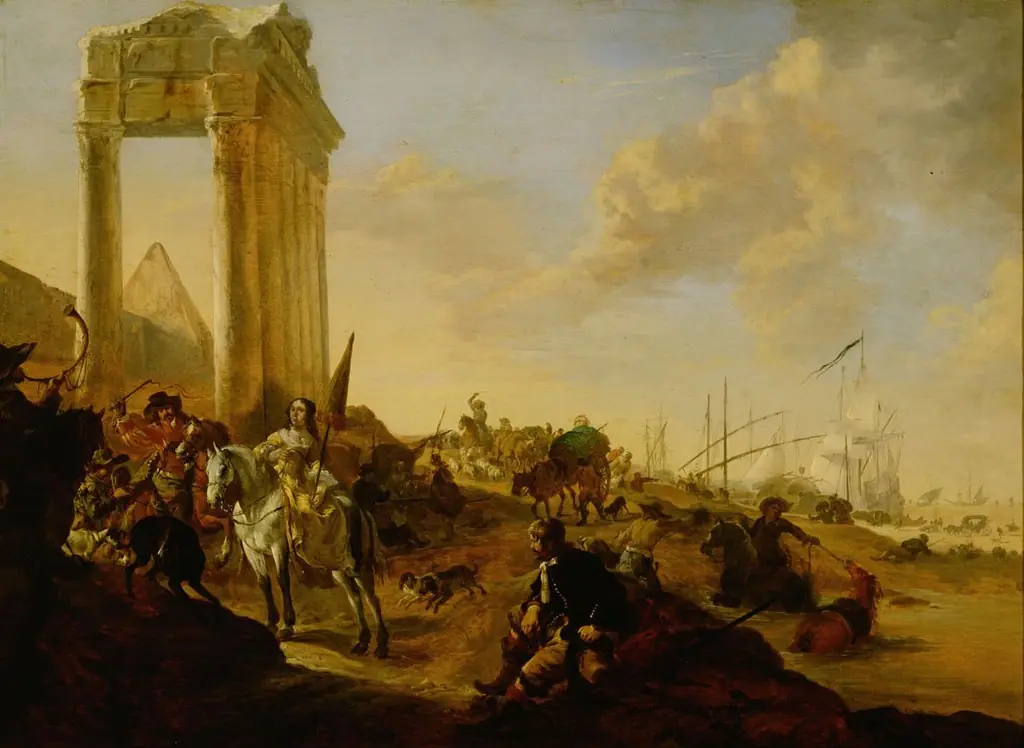 Human activity on a Mediterranean coastal landscape
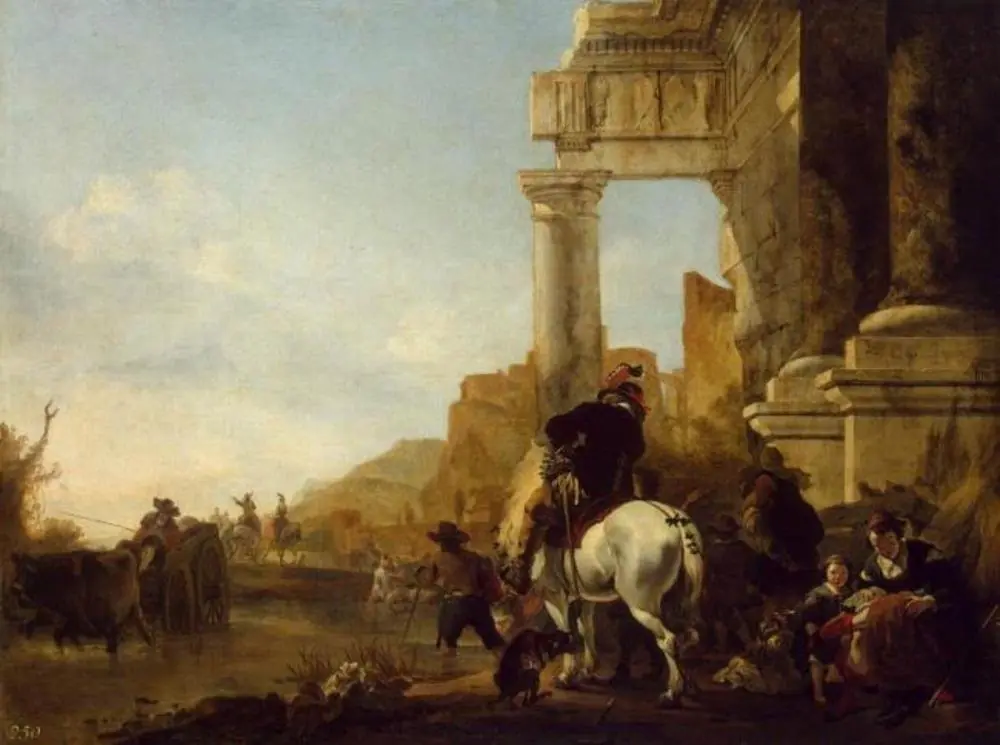 River Crossing
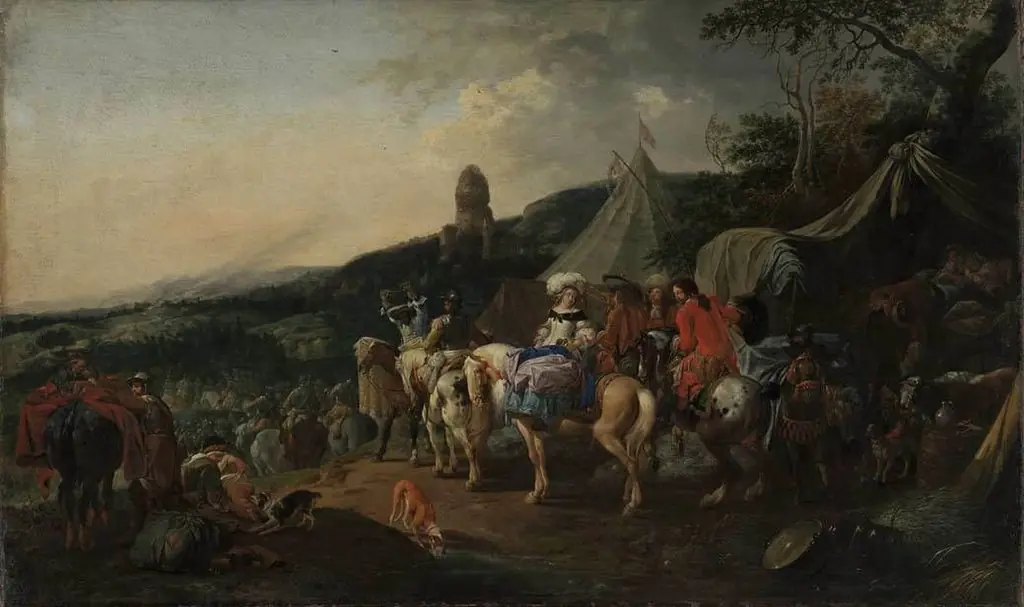 Aufbruch eines Heeres aus dem Lager
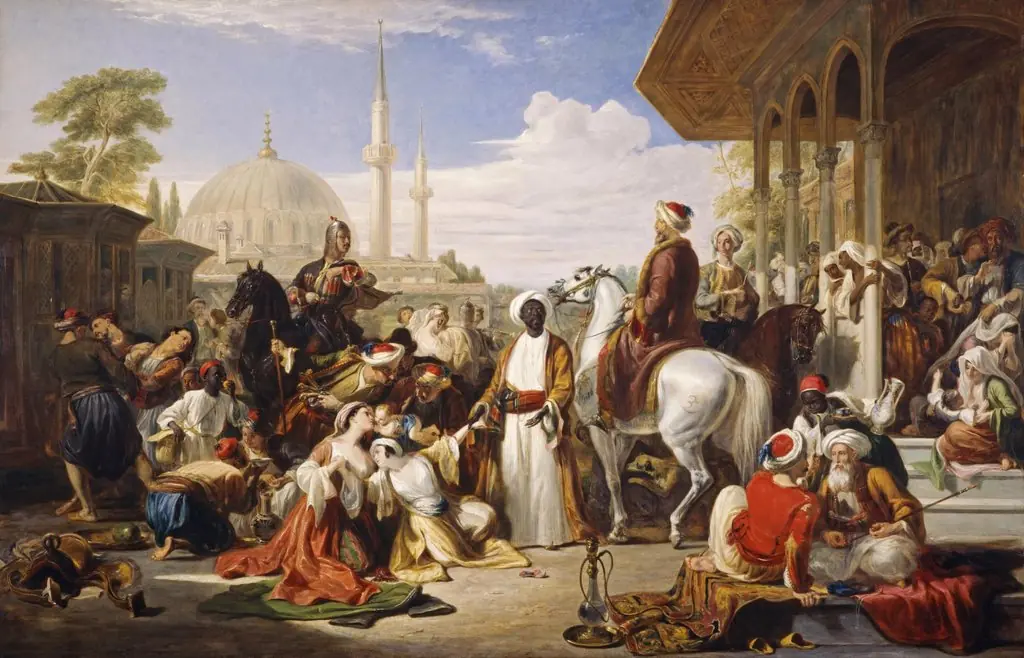 The Slave Market, Constantinople
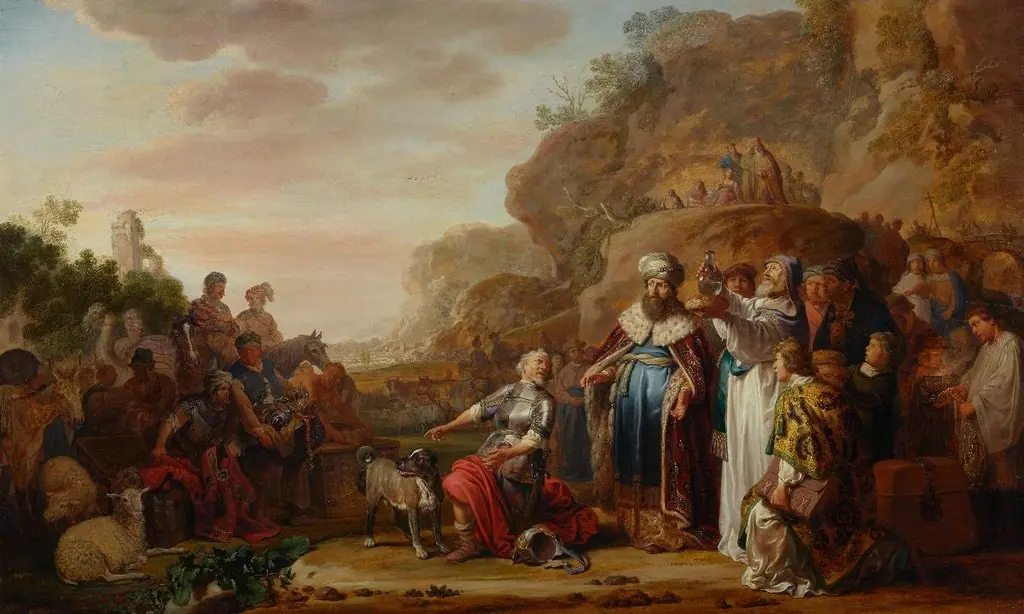 Abraham und Melchisedek
 The Slave Market, Constantinople
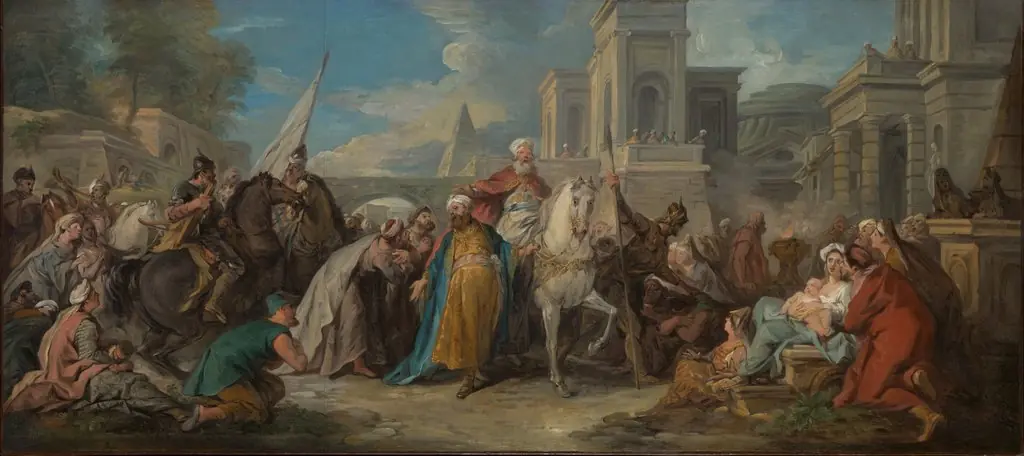 The Triumph of Mordecai
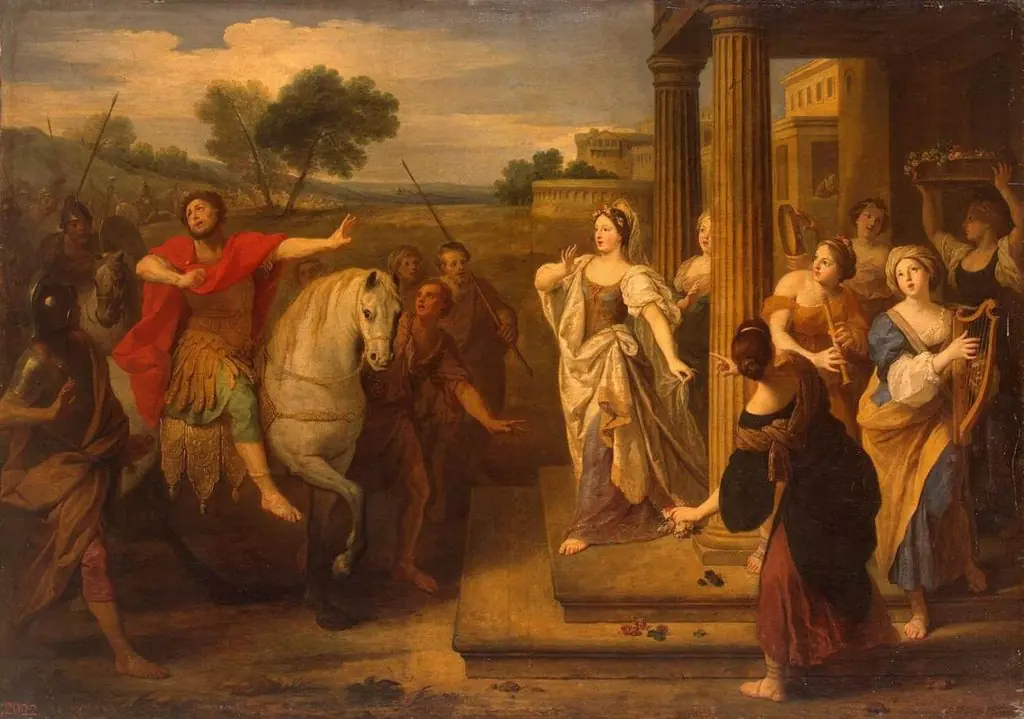 Return of Jephtae
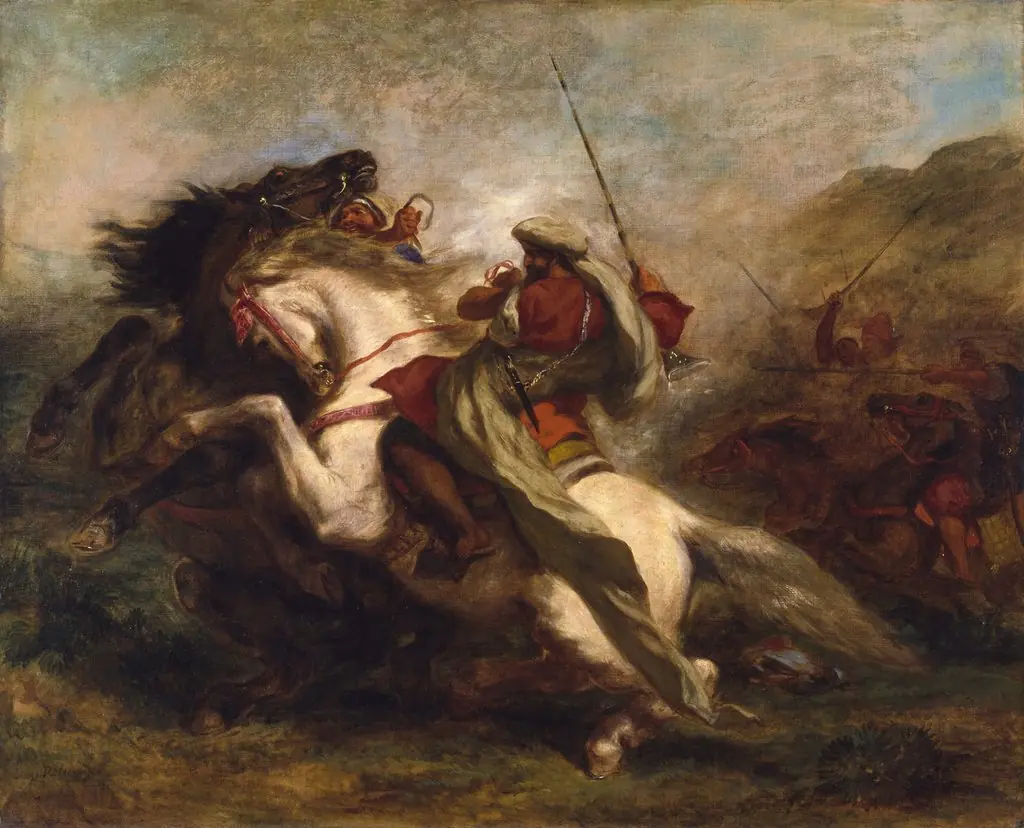 Collision of Moorish Horsemen
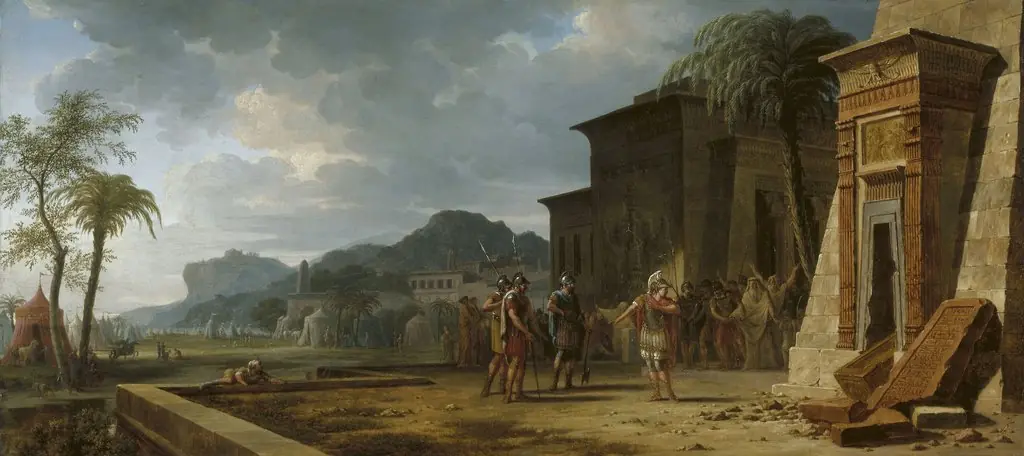 Alexander at the Tomb of Cyrus the Great
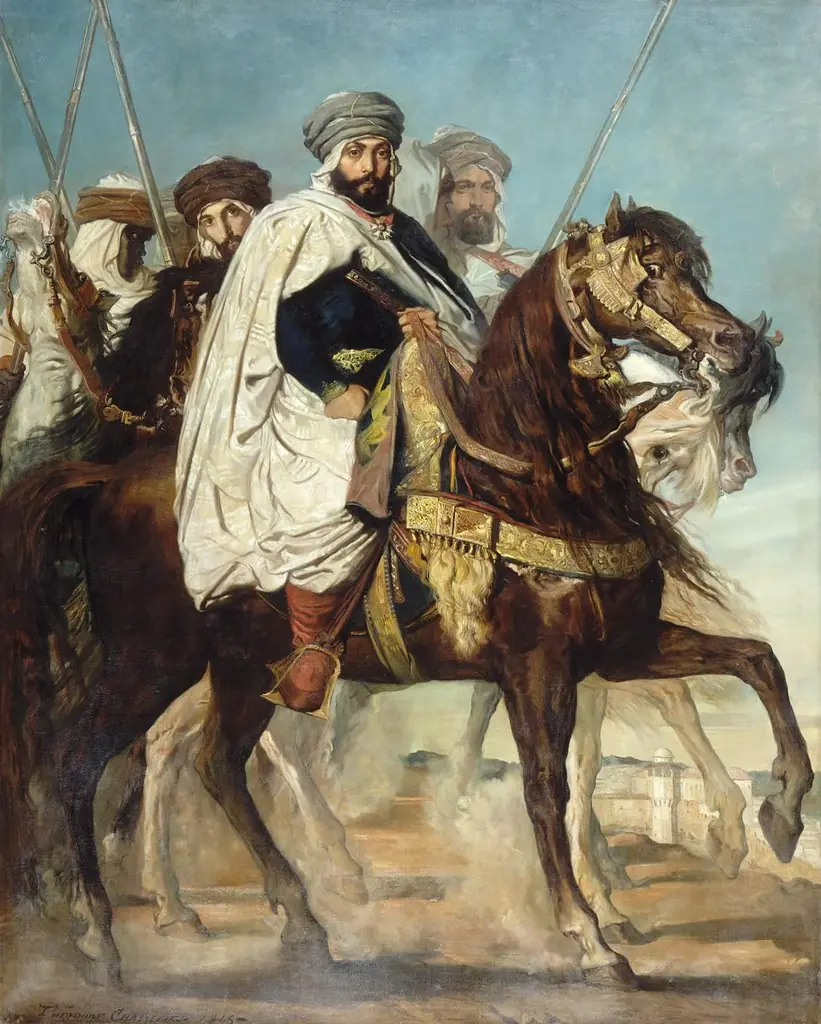 The Caliph of Constantine