Artwork
Cleopatra
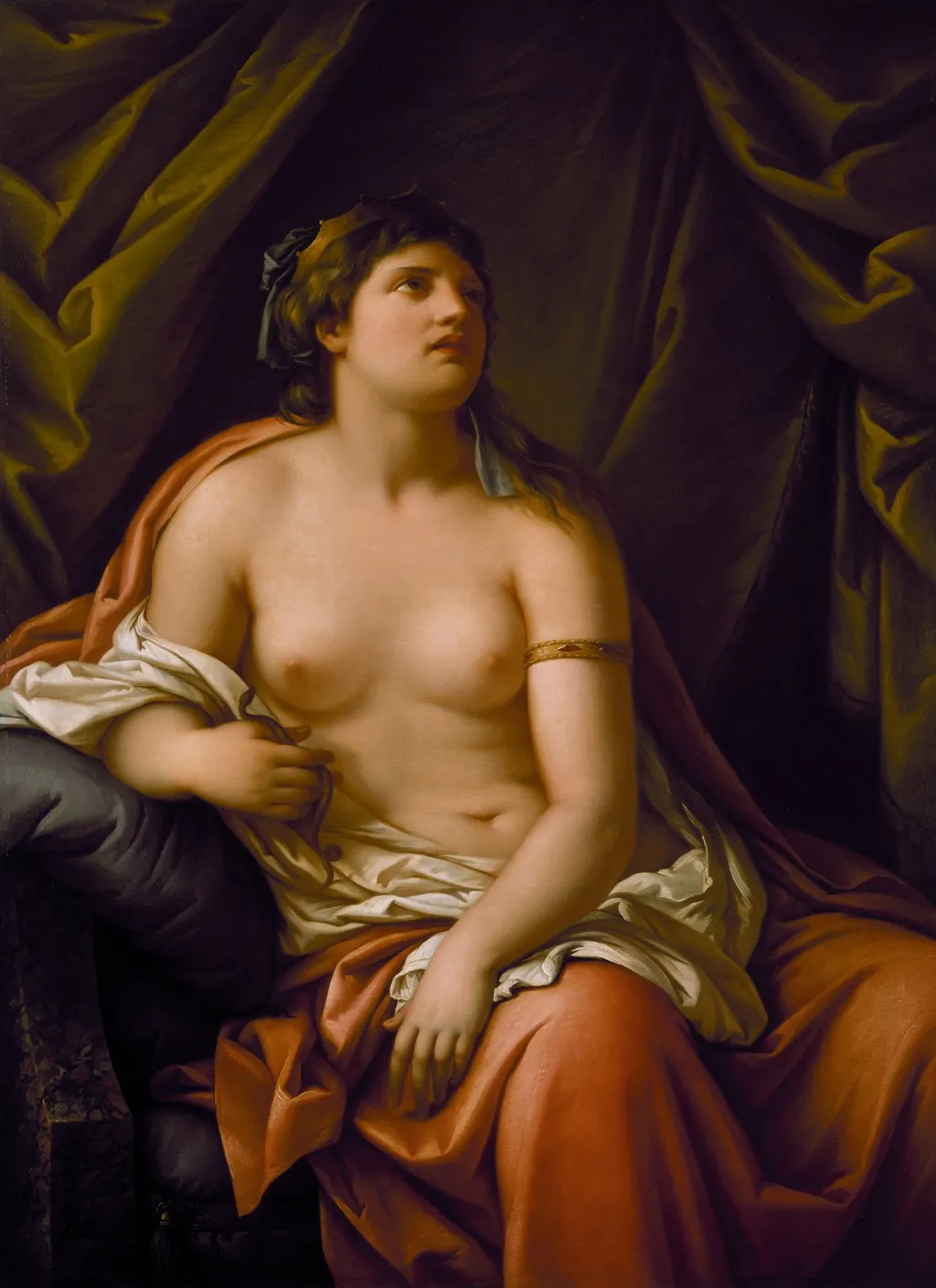
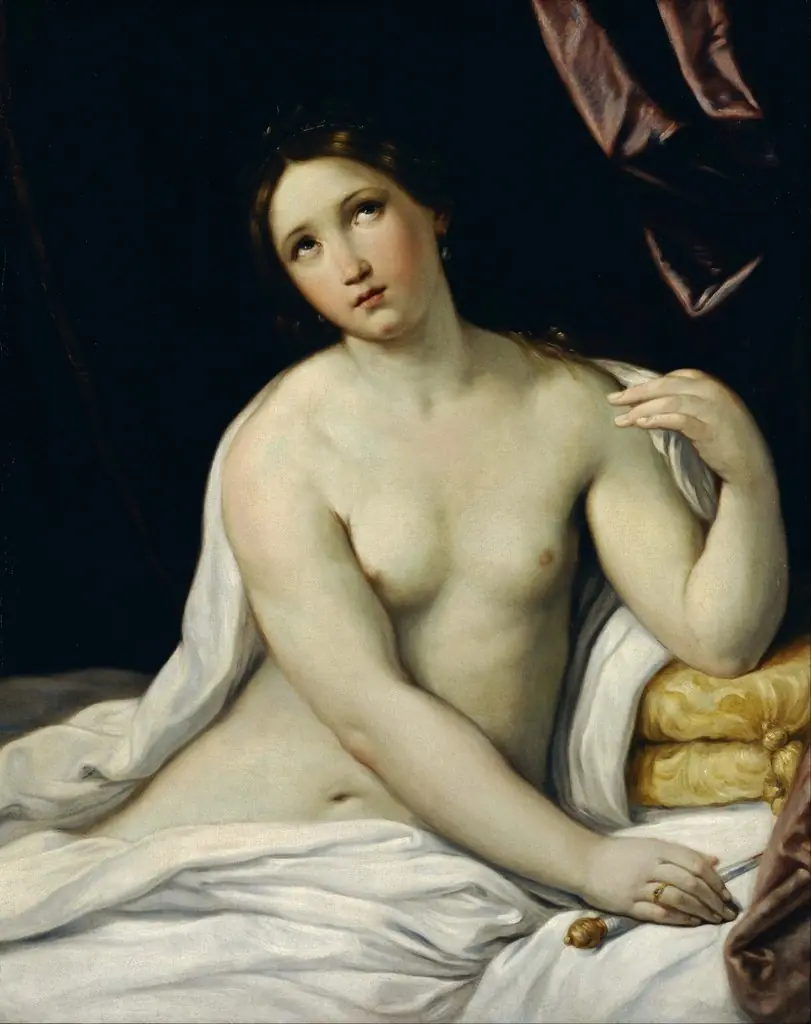
Cleopatra is an oil painting by the Neoclassicist artist Gavin Hamilton. It dates from 1767 and is held in the collection of the Detroit Institute of Arts.
About this work
Overview
Hamilton, based in Rome and deeply engaged with classical antiquity, rendered the Egyptian queen with attention to historical detail and emotional restraint.
Painted in 1767 by Scottish artist Gavin Hamilton, this oil work portrays Cleopatra in a moment of quiet contemplation. Hamilton, based in Rome and deeply engaged with classical antiquity, rendered the Egyptian queen with attention to historical detail and emotional restraint. The painting is part of the neoclassical tradition, emphasizing clarity, dignity, and idealized form. It resides today in the Detroit Institute of Arts, acquired as part of a broader 19th-century interest in classical themes.
Subject & Meaning
The figure represents Cleopatra not in a moment of drama or spectacle, but in stillness—perhaps after the fall of her kingdom. Her downcast gaze and composed posture suggest introspection rather than defiance. The absence of overt symbols of power, like a crown or scepter, shifts focus to her humanity. Hamilton presents her as a figure of quiet endurance, aligning with Enlightenment ideals that valued rationality and inner life over theatrical emotion.
Technique & Style
Hamilton employed chiaroscuro to model the figure against a deep, shadowed background, enhancing the three-dimensionality of her form. The red drapery, rendered with soft folds, contrasts with the warm tones of her skin and the metallic glint of her armband. The composition is tightly focused, eliminating extraneous detail to emphasize the figure’s poise. Brushwork is controlled, reflecting the neoclassical preference for clarity and restraint over expressive flourish.
History & Provenance
Commissioned during Hamilton’s time in Rome, the painting was likely intended for a private collector interested in classical antiquity. It entered the Detroit Institute of Arts’ collection in the early 20th century, following a wave of American acquisitions of European neoclassical works. Its journey reflects broader trends in transatlantic collecting, where Enlightenment-era ideals of antiquity were reinterpreted by new institutional patrons.
Context
Hamilton’s depiction of Cleopatra emerged amid a revival of interest in ancient history, fueled by archaeological discoveries in Pompeii and Herculaneum. Unlike Baroque portrayals that emphasized spectacle, neoclassical artists sought moral and intellectual resonance in classical subjects. This painting aligns with contemporaneous efforts to reconstruct the past with scholarly rigor, prioritizing authenticity over romanticized narrative.
Legacy
Though less widely known than other depictions of Cleopatra, Hamilton’s version contributed to a quieter, more introspective mode of representing ancient women in art. Its emphasis on psychological depth over dramatic action influenced later 19th-century historical painters who favored restraint. The work remains a quiet testament to how neoclassicism redefined heroism through composure rather than action.
Own this work as a print
Artist & collection
Artist
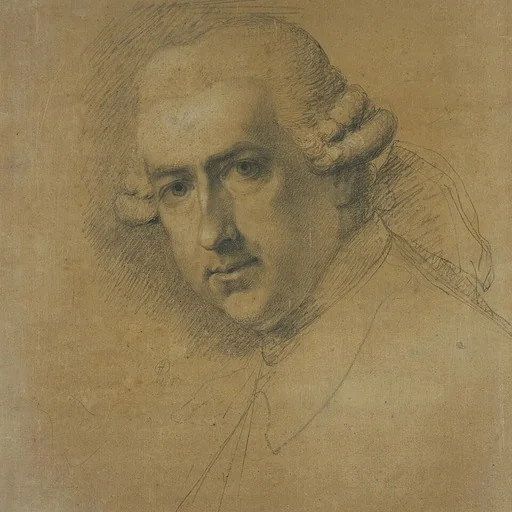
Gavin Hamilton (1723 – 4 January 1798) was a Scottish neoclassical history painter, who is more widely remembered for his searches for antiquities in the neighbourhood of Rome.