Artwork
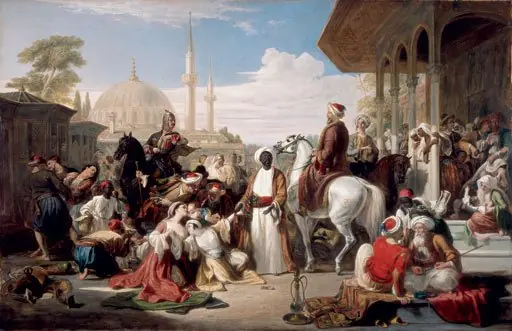
The Slave Market, Constantinople
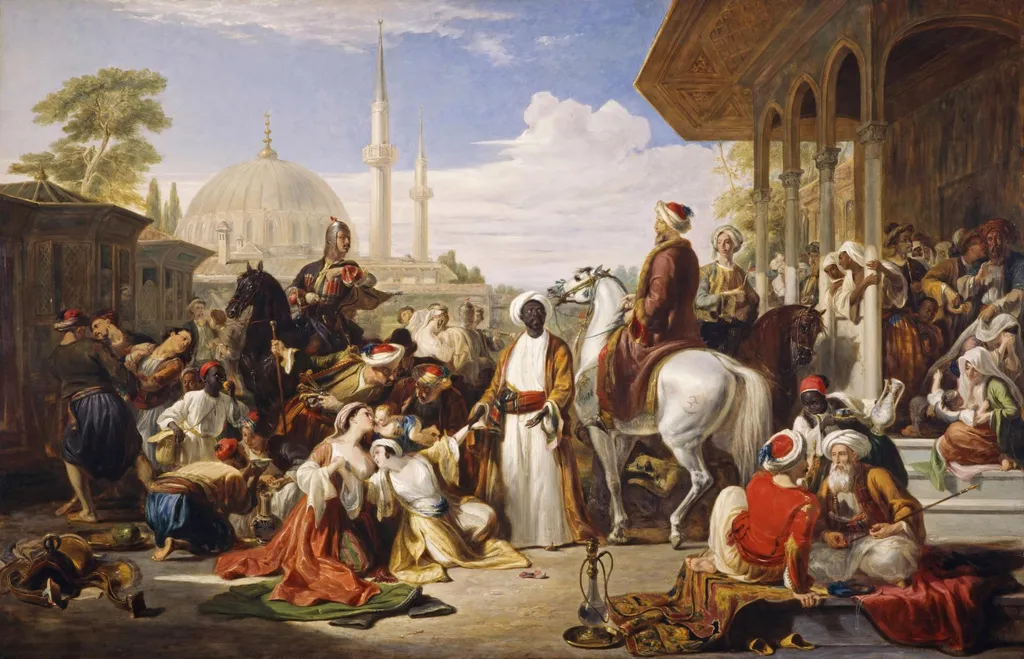
The Slave Market, Constantinople is an oil painting by the American Impressionist artist William Allan. It dates from 1838 and is held in the collection of the National Galleries Scotland.
About this work
Overview
Painted in 1838 by Scottish artist William Allan, this oil work portrays a slave market in Constantinople. Allan, known for his depictions of Eastern and Russian life, rendered the scene with attention to architectural detail and social dynamics. The painting is part of the Scottish National Gallery’s collection and reflects the 19th-century European fascination with the Ottoman Empire’s customs.
Subject & Meaning
The painting does not idealize the scene but presents it as a normalized urban occurrence, reflecting contemporary European perceptions of Ottoman society.
The scene centers on the transaction of enslaved individuals, with a woman in red being led away while another kneels nearby. A mounted figure in a red robe, possibly an official or buyer, observes the exchange. The bustling crowd and varied postures suggest a public, regulated marketplace. The painting does not idealize the scene but presents it as a normalized urban occurrence, reflecting contemporary European perceptions of Ottoman society.
Technique & Style
Allan employed precise brushwork to distinguish textures—fabric, stone, and skin—while maintaining a cohesive tonal palette. The composition directs the eye toward the central figures through diagonal lines and contrasting colors, particularly the red garments against muted backgrounds. Light falls evenly across the scene, avoiding dramatic chiaroscuro, and the sky’s soft blues and clouds lend a calm contrast to the human activity below.
History & Provenance
Commissioned during Allan’s period of interest in Ottoman subjects, the painting was completed after his travels in the region. It entered the Scottish National Gallery’s collection in the 19th century and has remained there since. No significant alterations or reattributions are recorded; its provenance is well-documented through gallery records and Allan’s correspondence.
Context
In the 1830s, European audiences were captivated by Orientalist narratives, often blending observation with romanticized stereotypes. Allan’s work aligns with this trend but retains documentary detail, likely informed by firsthand sketches. The depiction of slavery in Constantinople occurred amid growing Western criticism of the practice, though the painting does not overtly condemn it, instead presenting it as a matter-of-fact urban scene.
Legacy
The painting remains a key example of Scottish Orientalism, illustrating how British artists interpreted non-European societies. While later critics have questioned its ethical framing, it continues to serve as a historical record of 19th-century visual culture and cross-cultural perception. It is studied for its technical execution and its role in shaping European views of the Ottoman world.
Own this work as a print
Artist & collection
Artist
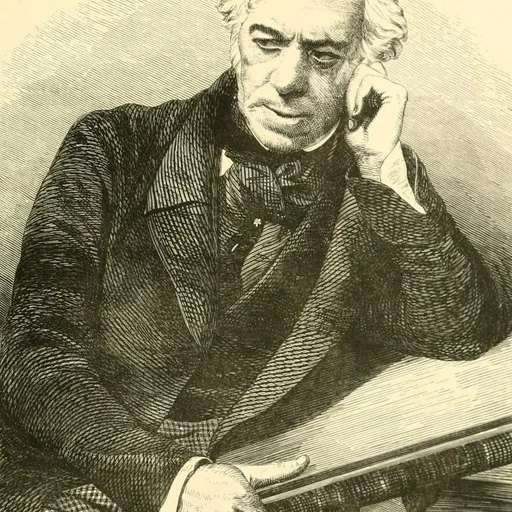
Sir William Allan (1782 – 23 February 1850) was a Scottish historical painter known for his scenes of Russian life. He became president of the Royal Scottish Academy and was made a Royal Academician.

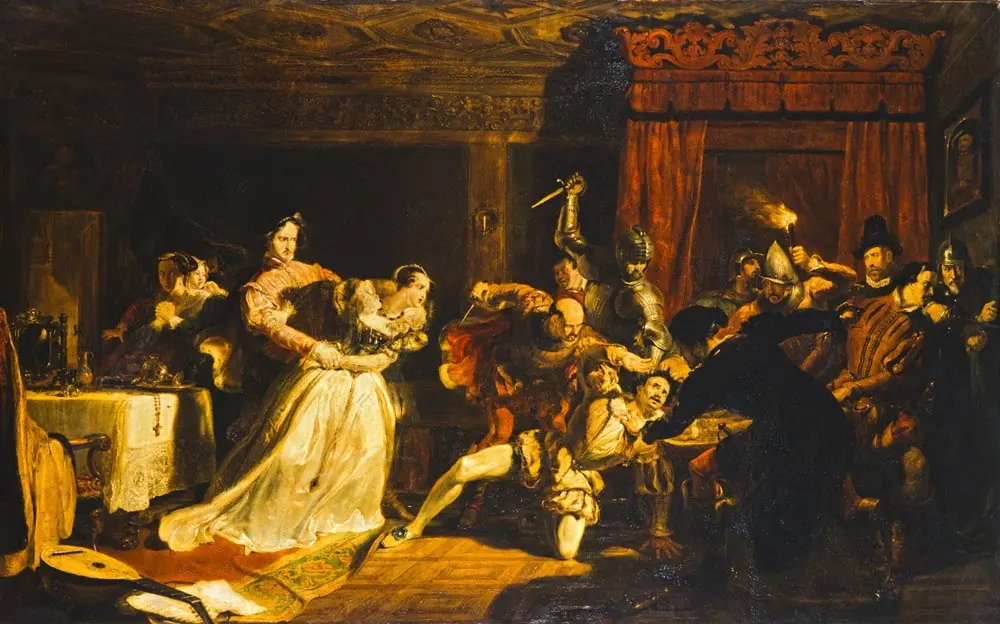
![[Compositional Sketch for] The Death of the Regent Moray, by William Allan](https://artifactworldgallery.com/img/william-allan--compositional-sketch-for-the-death-of-the-regent-moray--a371b9f114da2fdd-w320.webp)