Artwork
Untitled
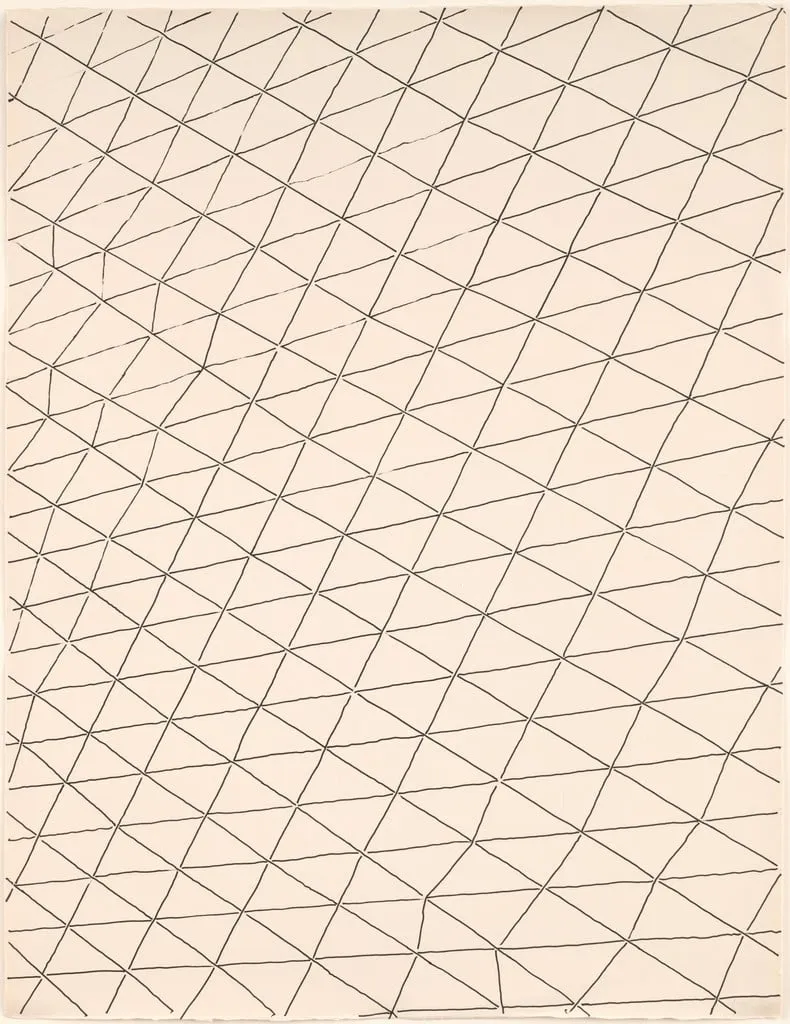
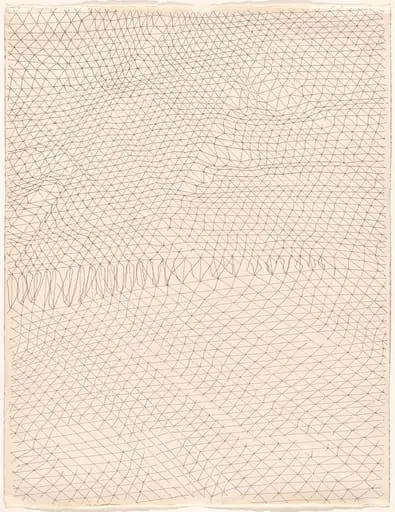
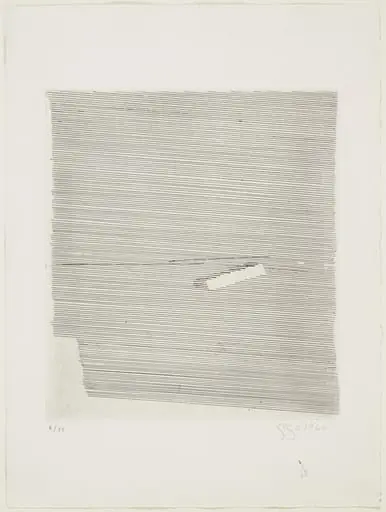
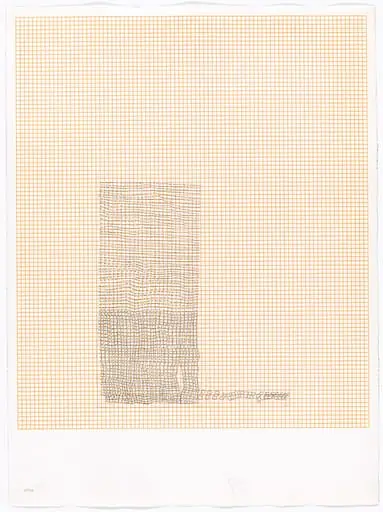
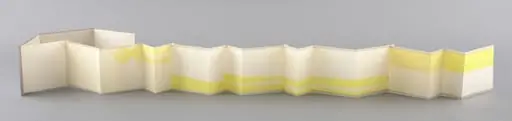
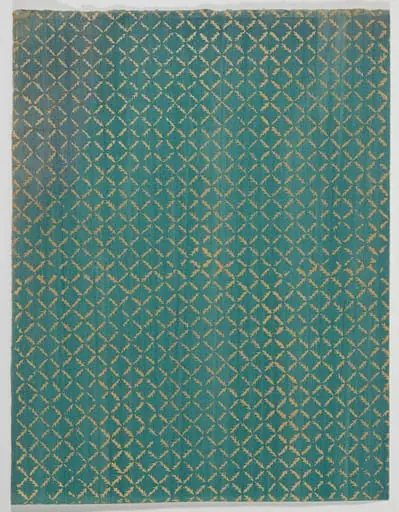
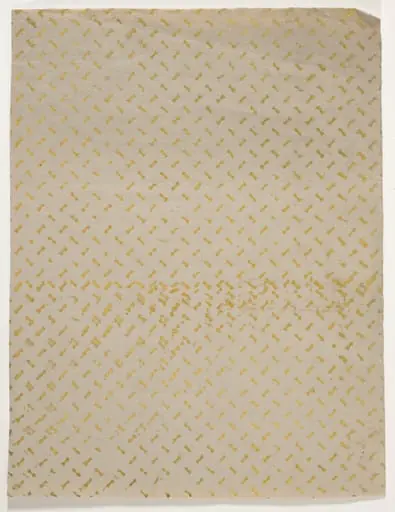
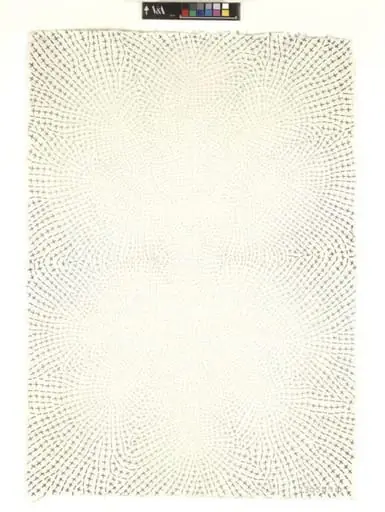
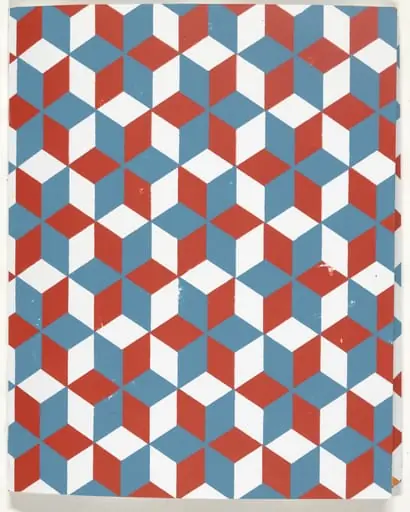
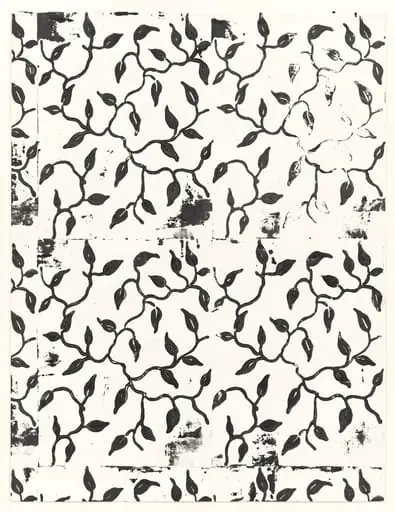
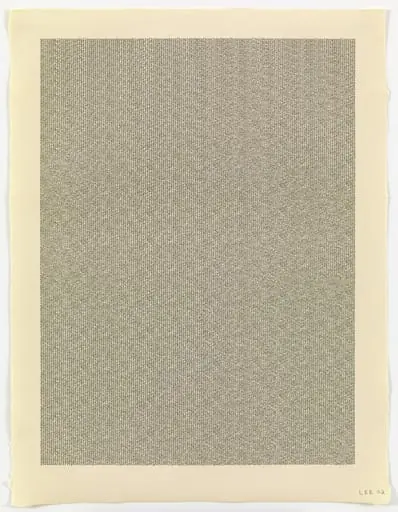
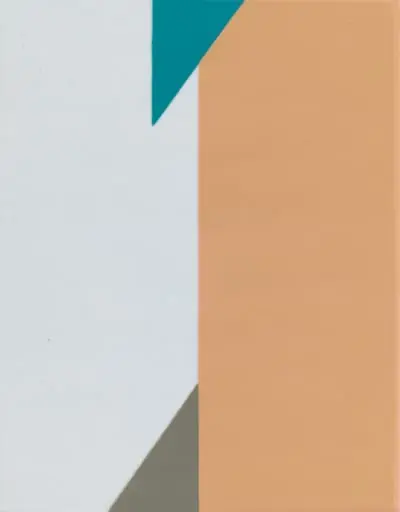
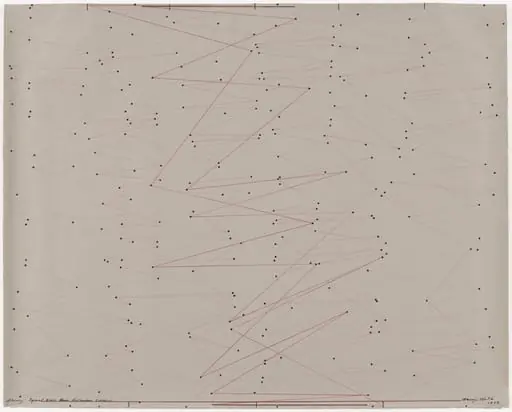
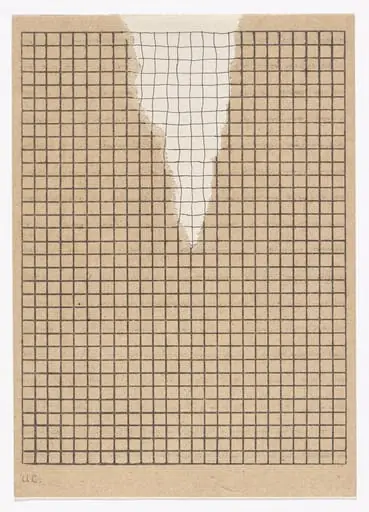
Untitled is a graphite drawing by Gego. It dates from 1969 and is held in the collection of the Museum of Modern Art.
About this work
Overview
Though small in scale, it reflects her broader exploration of line and structure, bridging drawing and sculpture.
Created in 1969, this drawing by Gego (Gertrud Goldschmidt) is executed in ink and pencil on paper. Though small in scale, it reflects her broader exploration of line and structure, bridging drawing and sculpture. Gego, who emigrated from Germany to Venezuela, developed a unique visual language that questioned traditional boundaries between two- and three-dimensional form. The work is held in the collection of The Museum of Modern Art.
Subject & Meaning
The composition consists of a grid of interconnected triangles, arranged in a rhythmic, non-repeating sequence. Rather than representing a recognizable object, the drawing investigates spatial relationships and the perception of form. The subtle irregularities in the lines suggest movement and impermanence, evoking the idea of structures in flux. Gego often described her works as 'drawings without paper,' implying that line itself could generate spatial experience.
Technique & Style
Using minimal materials—ink and pencil on light paper—Gego constructed a complex network of lines with deliberate hand-drawn variation. The triangles are not mechanically precise; their slightly uneven edges and shifting alignments emphasize the artist’s touch. This handmade quality contrasts with the rigid geometry of the forms, introducing a human rhythm into an otherwise systematic structure. The monochrome palette focuses attention on the interplay of positive and negative space.
History & Provenance
Gego produced this work during a period of intense experimentation in Caracas, where she was developing her signature approach to linear abstraction. It was acquired by The Museum of Modern Art in the late 20th century as part of a broader recognition of her contributions to Latin American modernism. The drawing remains one of many works from this era that document her transition from architectural training to abstract visual inquiry.
Context
In the 1960s and 70s, artists across Latin America were redefining abstraction through material and process. Gego’s work aligned with regional movements that rejected figurative traditions in favor of structural experimentation. Her use of line as both drawing and spatial element resonated with contemporaries exploring kineticism and minimalism, yet her approach remained distinct in its emphasis on organic imperfection within geometric systems.
Legacy
This drawing exemplifies Gego’s lasting influence on how line functions beyond representation. Her insistence on the physicality of drawing as a spatial act paved the way for later artists to consider mark-making as a form of architectural thought. Though she is best known for large-scale installations, works like this reveal the foundational role of intimate, hand-drawn studies in her broader practice.
Artist & collection
Artist
Gertrud Louise Goldschmidt (1 August 1912 – 17 September 1994), known as Gego, was a modern German-Venezuelan visual artist.