Artwork
Romani
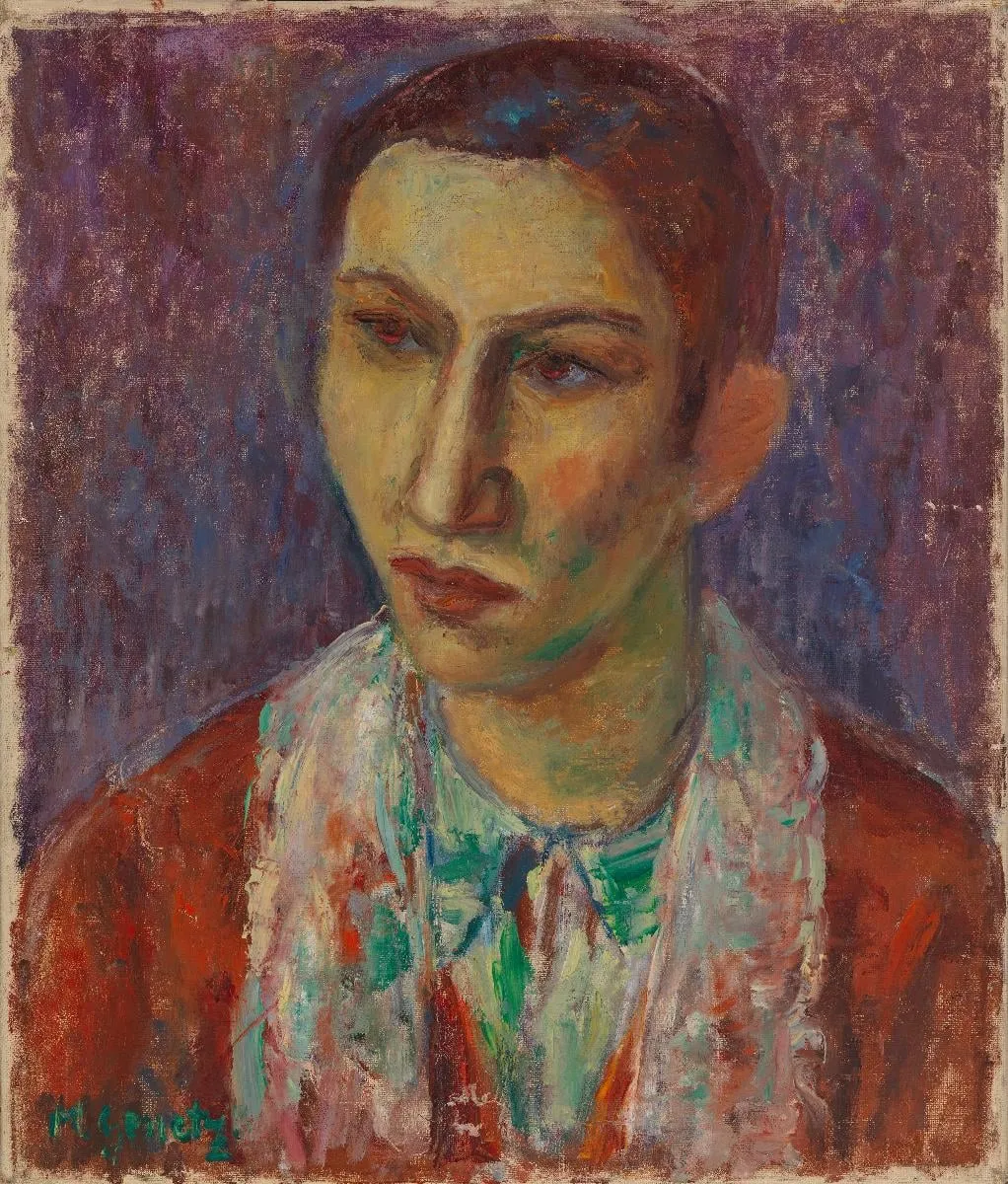
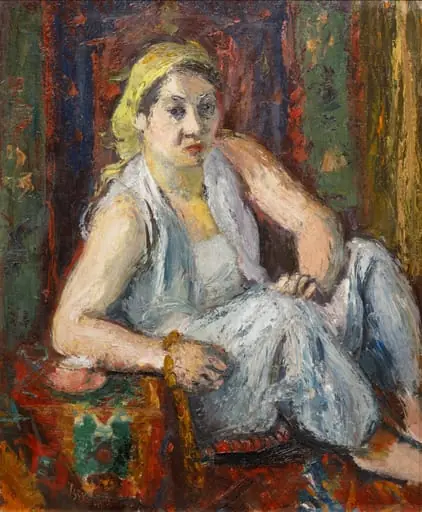
Romani is an unspecified painting by Meri Genetz. It is held in the collection of the Finnish National Gallery.
About this work
Overview
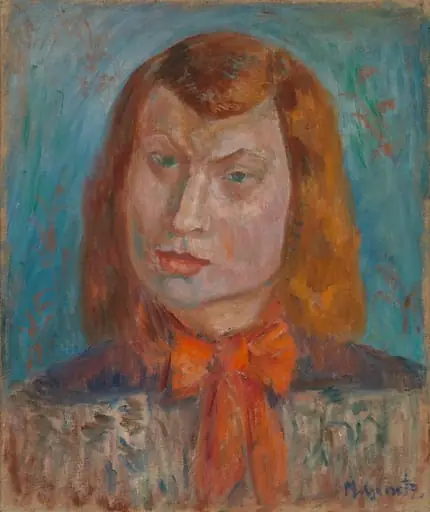
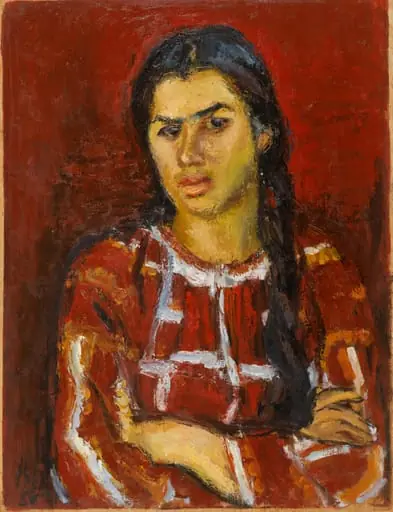
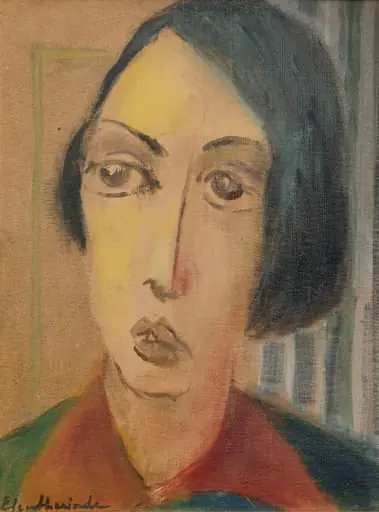
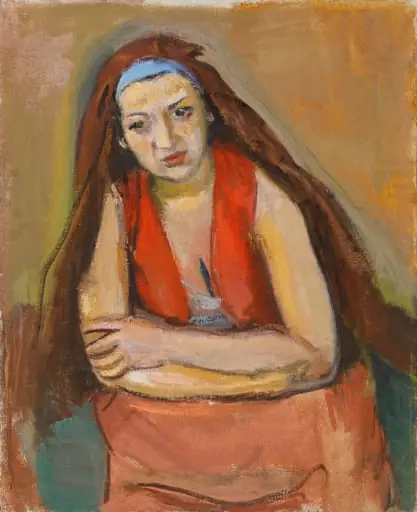
The background blends dark purples and blues, while the clothing features vivid red and green strokes that draw immediate attention.
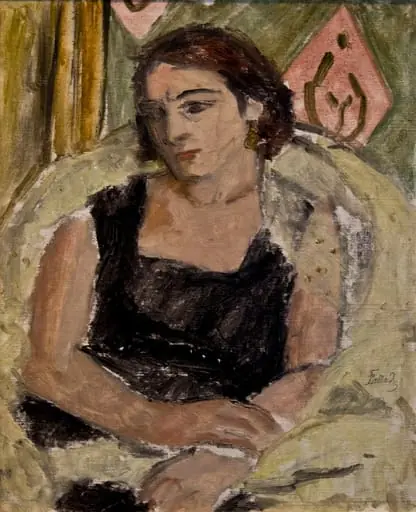
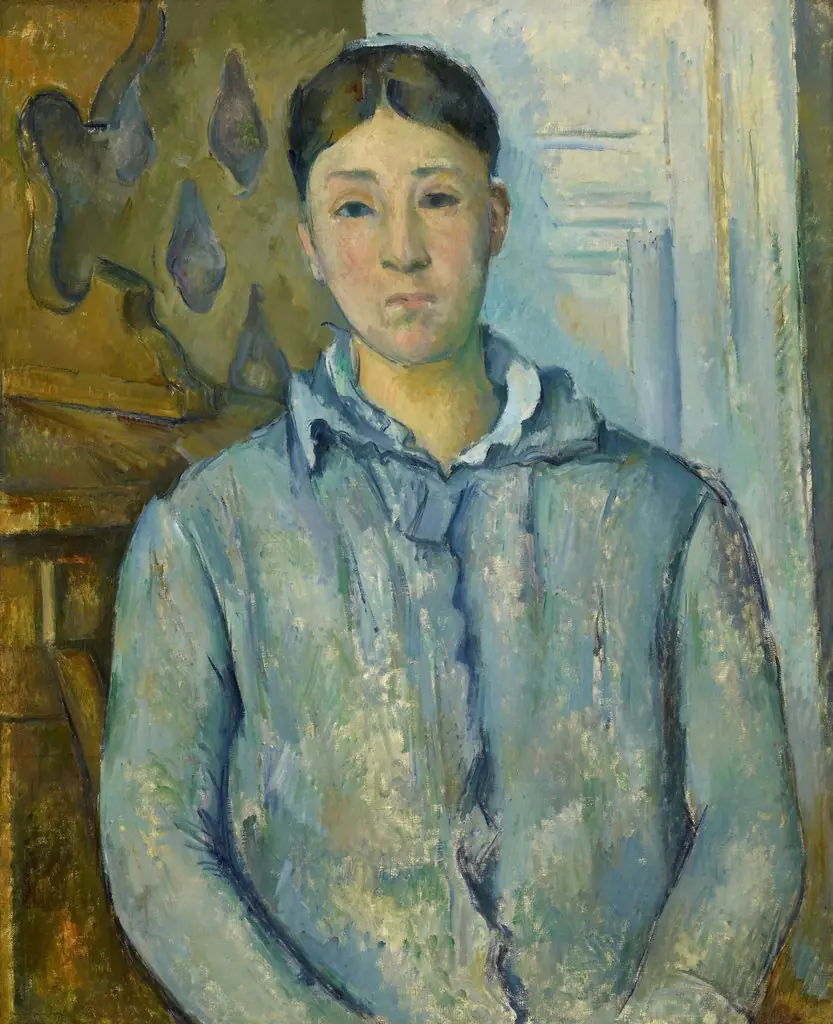
This portrait depicts a Romani individual rendered with expressive brushwork and a limited palette. The figure is shown from the shoulders up, turned slightly away from the viewer, creating a quiet sense of intimacy. The background blends dark purples and blues, while the clothing features vivid red and green strokes that draw immediate attention. The paint is applied thickly, lending a tactile, dynamic quality to the surface.
Subject & Meaning
The subject’s neutral expression and direct gaze convey a composed, inward presence. No overt symbolism or narrative context is provided, allowing the focus to remain on the individual’s dignity and presence. The lack of embellishment or idealization suggests an intention to portray authenticity rather than stereotype, though the cultural identity is indicated through the title and visual cues.
Technique & Style
The artist employs impasto to build texture, particularly in the shirt and facial contours, giving the surface a rough, energetic rhythm. Color contrasts—red against cool blues and purples—heighten visual tension without overwhelming the composition. Shadows under the eyes are softly modeled, avoiding harsh definition, which contributes to the portrait’s subdued emotional tone.
History & Provenance
The painting’s origin and early ownership are not documented in available records. It is attributed to a 20th-century artist known for portraiture with expressive brushwork, though no exhibition history or collector lineage is publicly established. Its current location and acquisition details remain unspecified in accessible sources.
Context
The work aligns with early 20th-century European portraiture that favored emotional immediacy over formal precision. Artists of this period often turned to marginalized communities as subjects, sometimes romanticizing or exoticizing them; this piece avoids overt sentimentality, instead emphasizing presence through texture and color contrast.
Legacy
The painting contributes to a broader visual record of Romani individuals in modern art, distinguished by its unembellished approach. Its technique anticipates later postwar tendencies toward materiality and gesture in portraiture. While not widely reproduced, it remains a quiet example of how texture and color can convey humanity without narrative exposition.
Artist & collection
Artist
This Finnish artist crafted small metal reliefs and a few oil paintings in the early 1900s.