Artwork
Chamber Councilor Sophie Elisabeth Giese, born von Schwerin
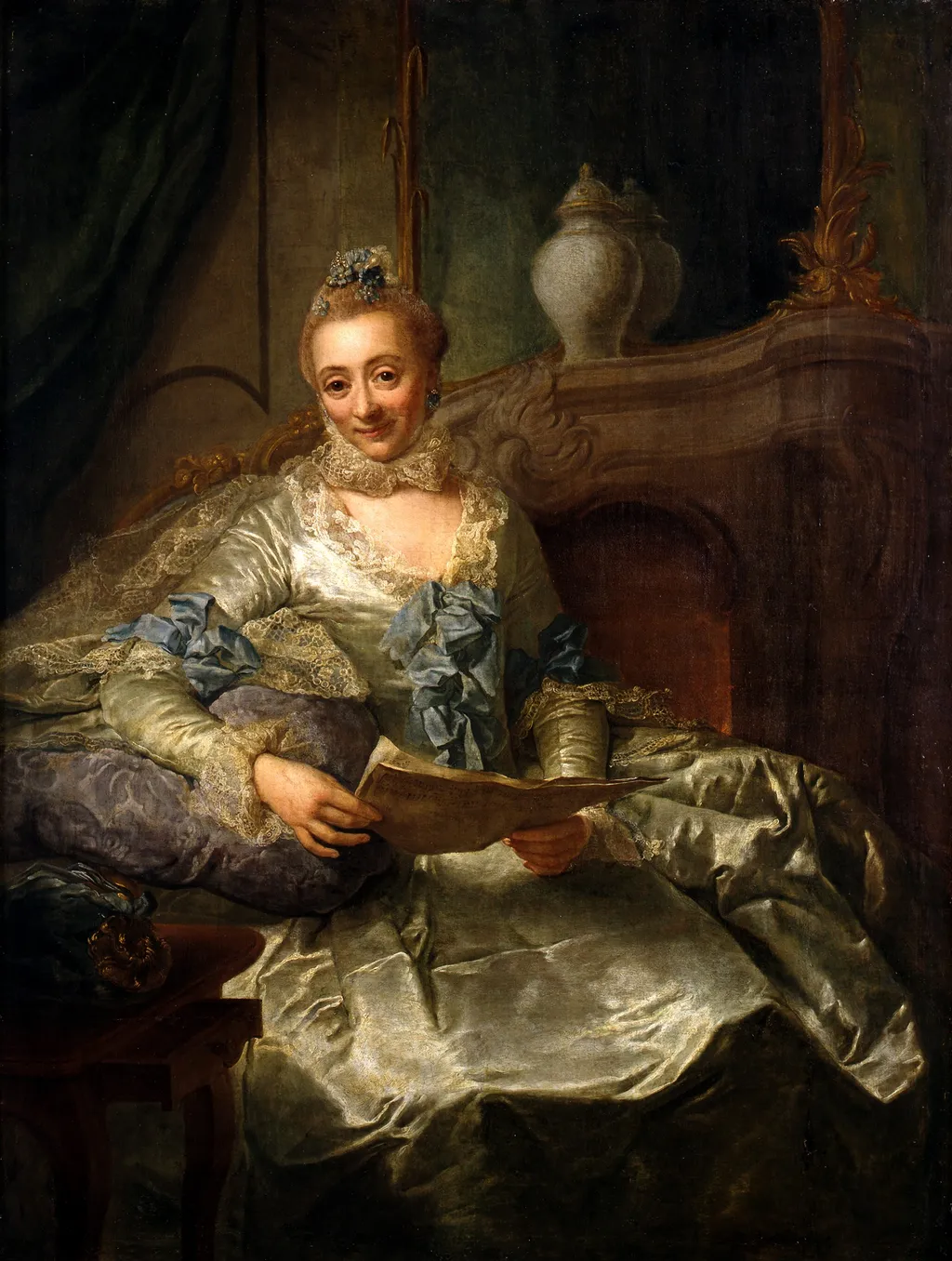
Chamber Councilor Sophie Elisabeth Giese, born von Schwerin is an oil painting by the Rococo painting artist Georg David Matthieu. It dates from 1763 and is held in the collection of the Gemäldegalerie Berlin.
About this work
Overview
Painted in 1763 by Georg David Matthieu, this oil portrait captures Sophie Elisabeth Giese, a noblewoman holding the title of Chamber Councilor. Matthieu, active in the court of Mecklenburg, rendered her likeness with precision, reflecting the refined aesthetic of mid-18th-century German portraiture. The composition emphasizes dignity through controlled posture and subdued elegance.
Subject & Meaning
Sophie Elisabeth Giese, born von Schwerin, is portrayed not merely as a noblewoman but as an official in the ducal administration. Her poised stance and the document in her hand suggest intellectual engagement and administrative responsibility. The portrait conveys status through decorum rather than ostentation, aligning with the values of bureaucratic nobility in Enlightenment-era Germany.
Technique & Style
Matthieu employed soft modeling and delicate brushwork to render lace, fabric, and hair with subtle texture. The dark background isolates the figure, enhancing the contrast with her pale gown and blue accents. Light falls gently across her face and hands, creating a quiet chiaroscuro that deepens volume without theatricality, characteristic of restrained Rococo portraiture.
History & Provenance
Commissioned during Matthieu’s tenure as court painter to the Duke of Mecklenburg, the portrait likely served to affirm Giese’s position within the ducal court. It remained in regional collections until entering public ownership, where it now functions as a record of female administrative roles in 18th-century German aristocracy.
Context
In mid-18th-century Germany, noblewomen occasionally held formal court offices, though rarely depicted in such roles. Giese’s portrait stands apart from decorative Rococo ideals by emphasizing function over frivolity. Her attire, while fashionable, is restrained; the inclusion of a document signals civic duty, reflecting broader shifts toward merit and service in aristocratic circles.
Legacy
The portrait endures as a rare visual testament to women in administrative positions within German courts. It illustrates how portraiture could convey authority beyond lineage, blending personal identity with institutional role. Matthieu’s restrained style contributes to its historical value as a document of social nuance rather than mere vanity.
Own this work as a print
Artist & collection
Artist
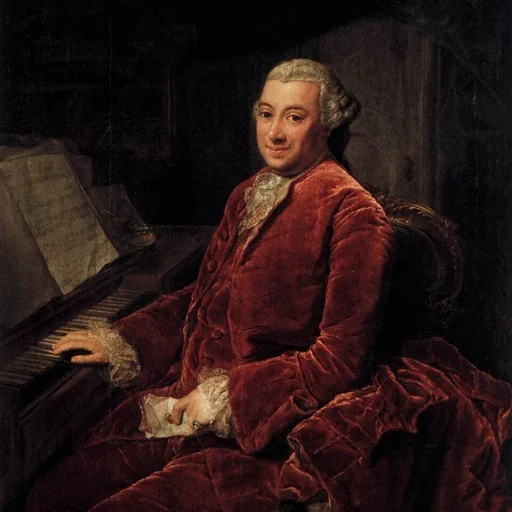
Georg David Matthieu (20 November 1737 - 3 November 1778, Ludwigslust) was a German engraver and portrait painter in the Rococo style who worked as court painter for the Duke of Mecklenburg.

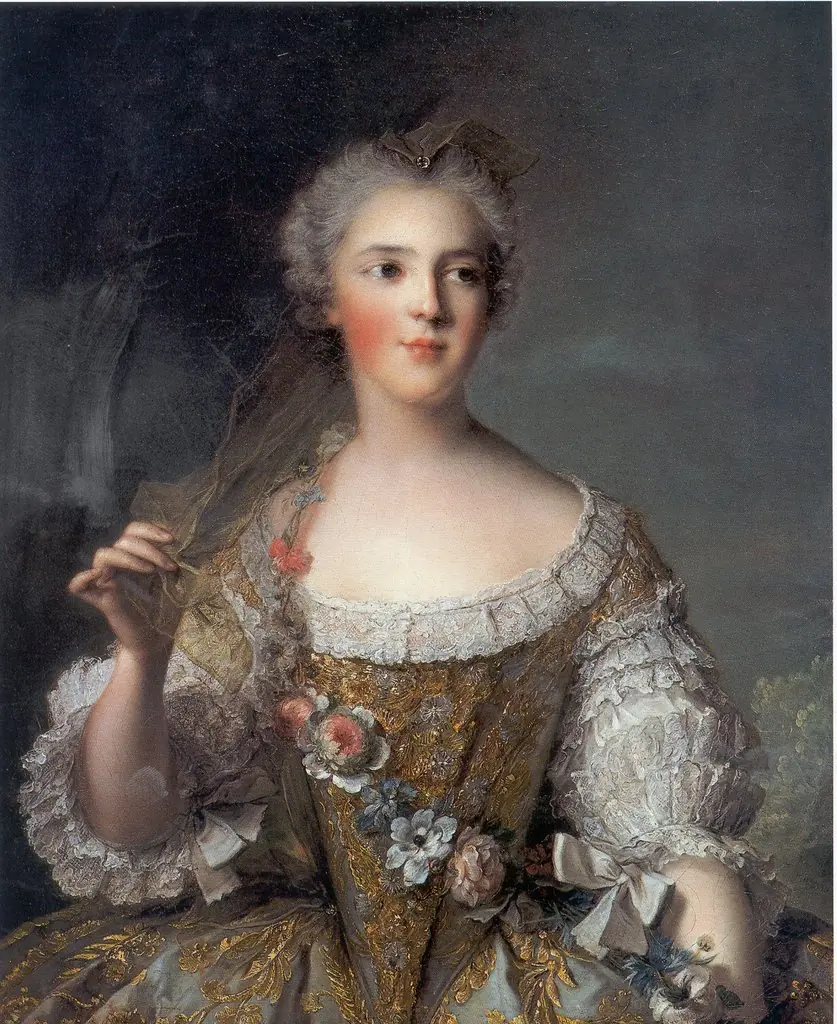 Madame Sophie of France
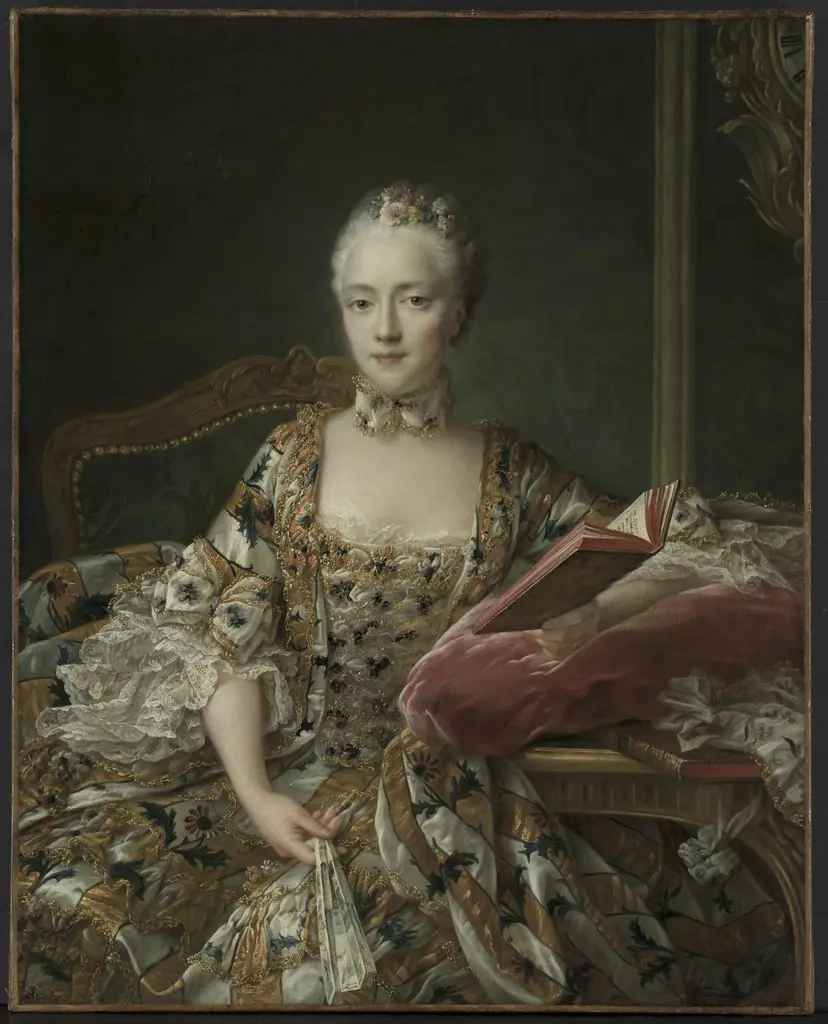 Portrait of the Marquise d'Aguirandes
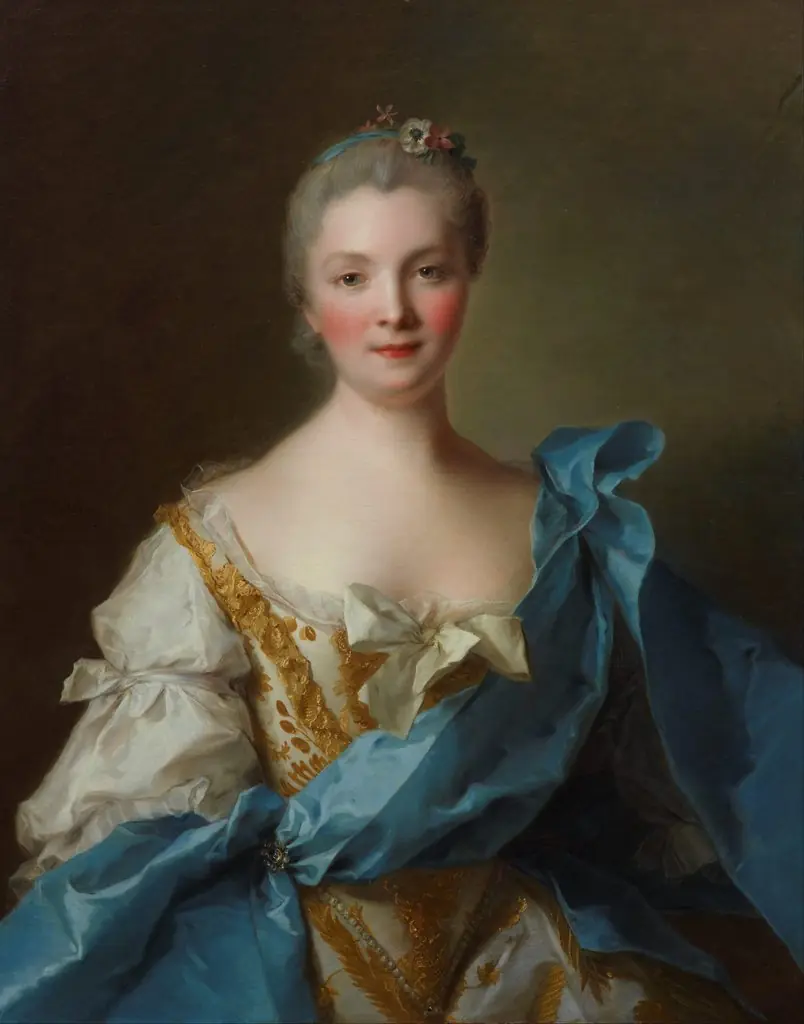 Madame de La Porte
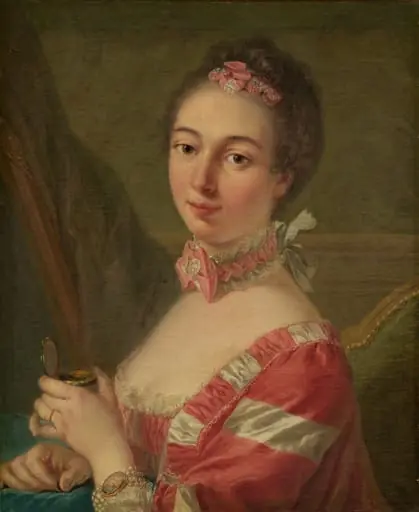 Portrait of a Lady
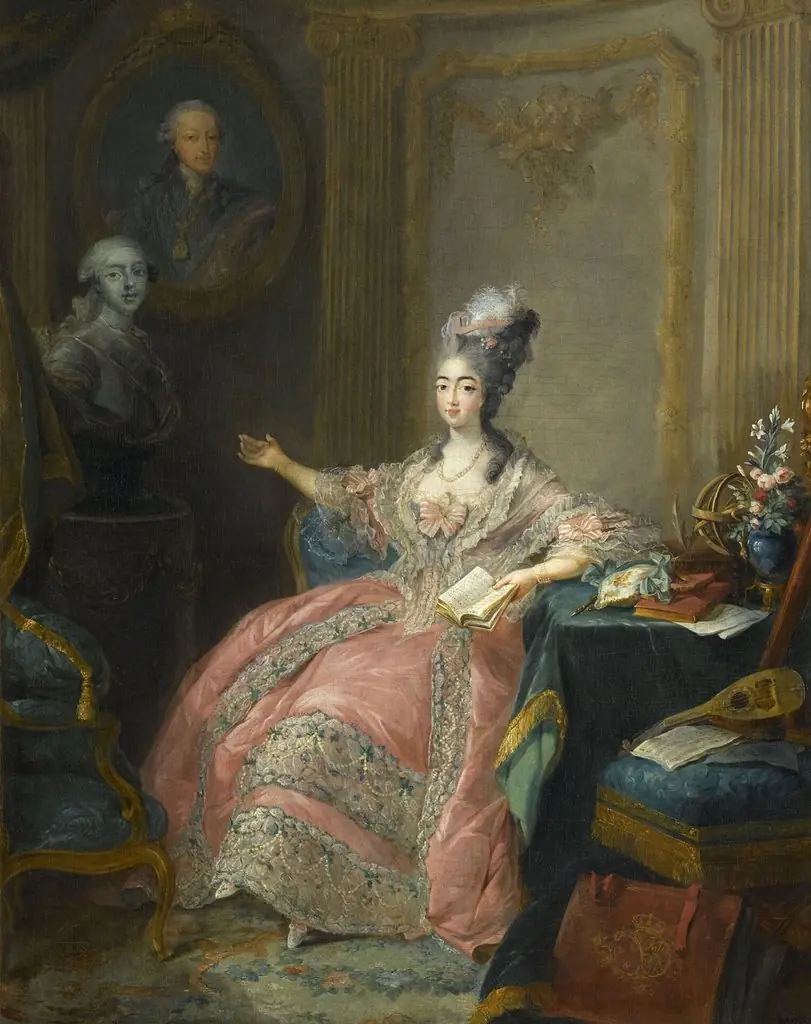 Marie-Joséphine-Louise de Savoie, Countess of Provence
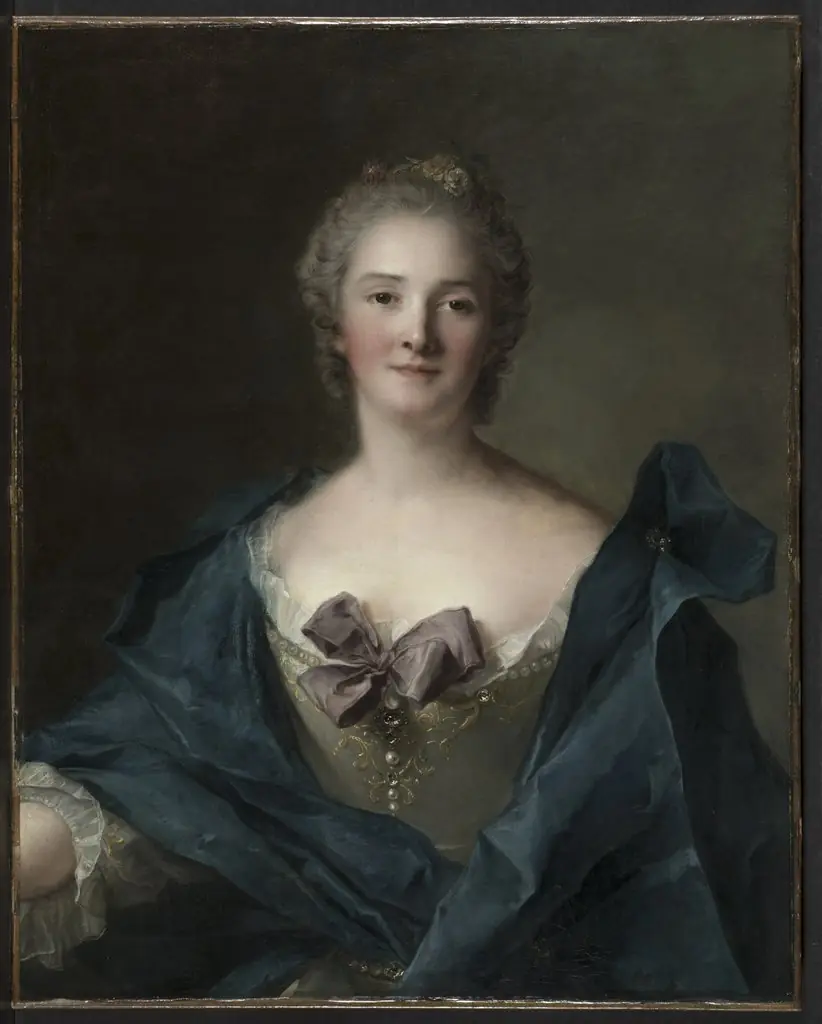 Portrait of a Woman
 Kreivitär Antoinetta Virginia Gyllenborg
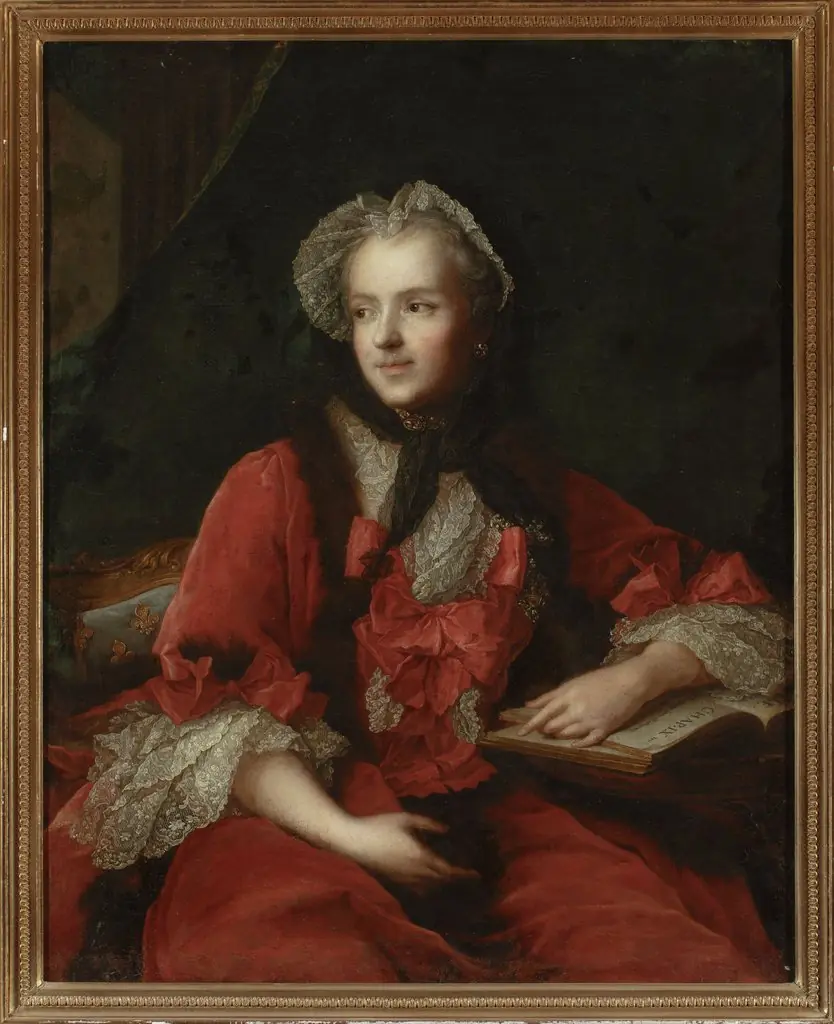 Portrait of Maria Leszczyńska
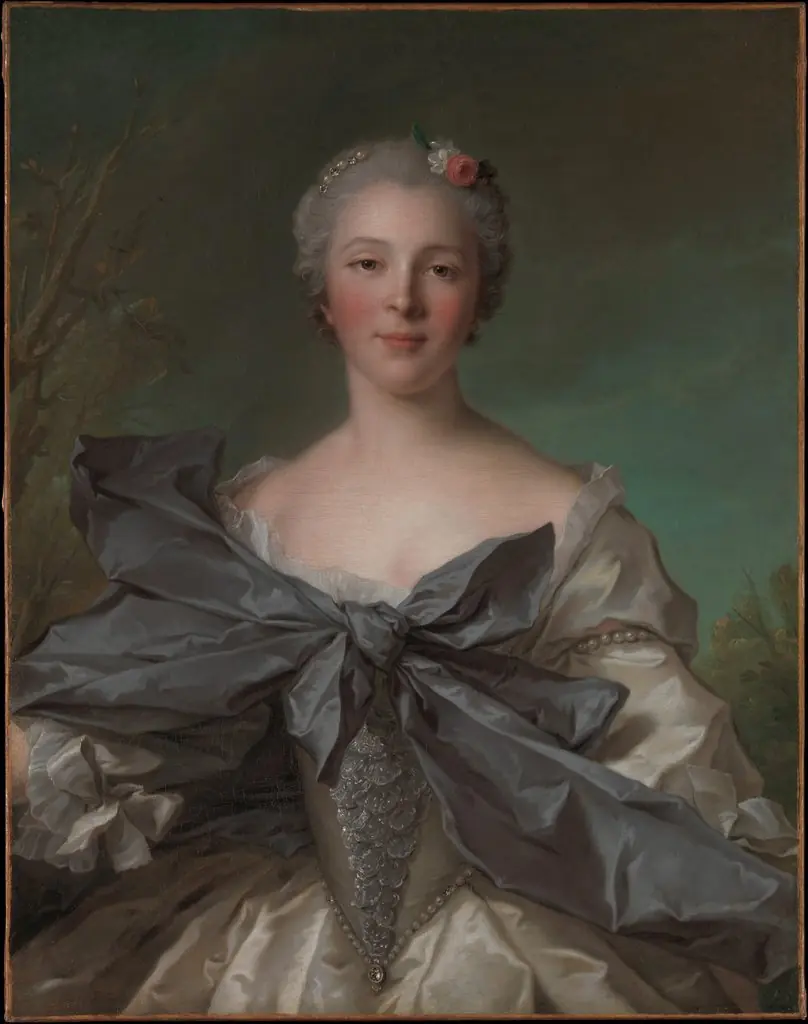 Marie Françoise de La Cropte de St. Abre, Marquise d'Argence
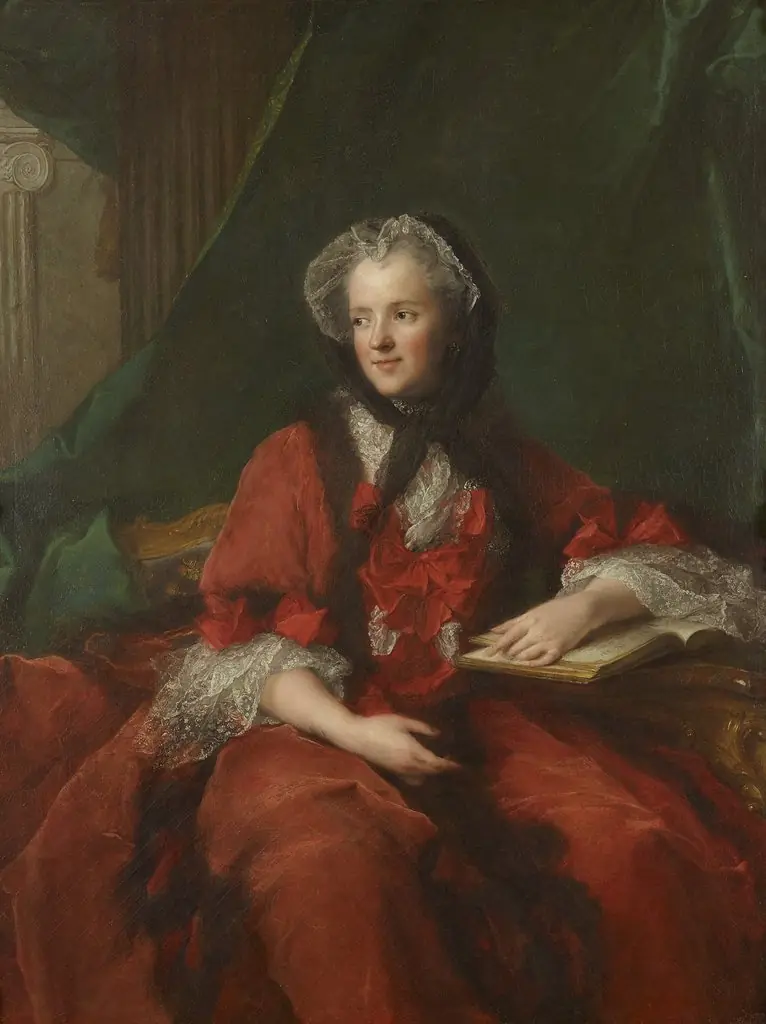 Portrait of Marie Leszczyńska
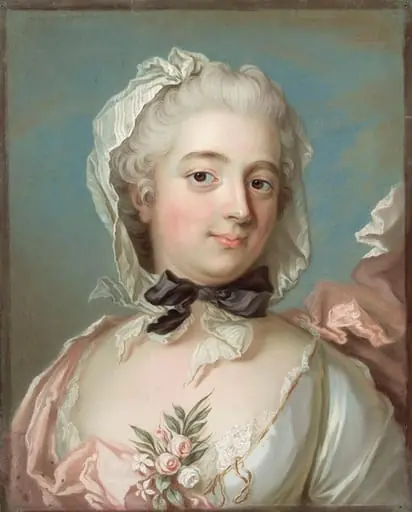 Rouva Werner
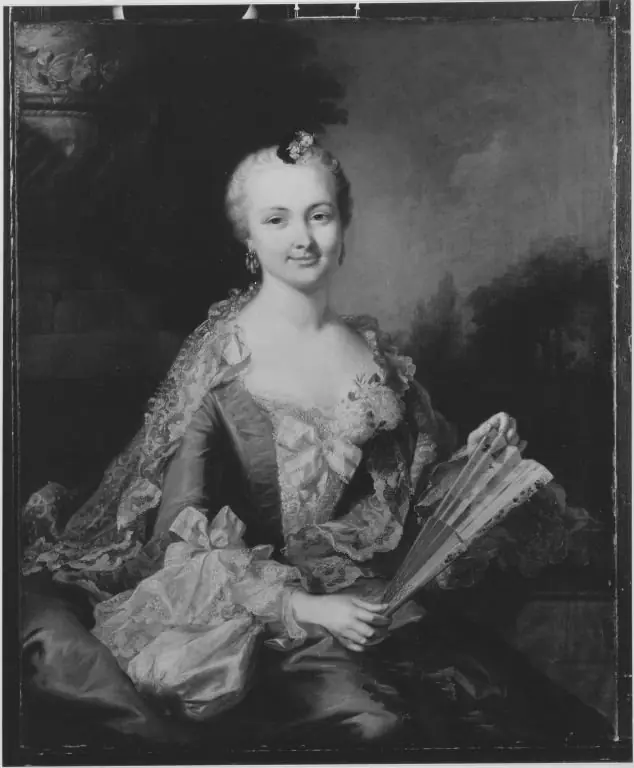 Johanna Elisabeth von Schmerfeld