Artwork
Bildnis des Kurfürsten Karl Theodor von Pfalz-Bayern (Werkstatt)
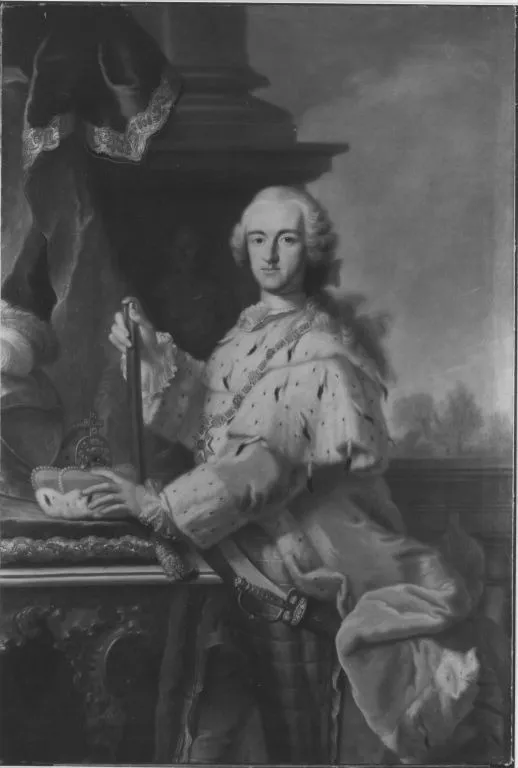
Bildnis des Kurfürsten Karl Theodor von Pfalz-Bayern (Werkstatt) is an unspecified painting by the Rococo painting artist Georg Desmarées. It dates from 1760 and is held in the collection of the Bavarian State Painting Collections.
About this work
Overview
This portrait depicts Karl Theodor, Elector of the Palatinate and later Duke of Bavaria, painted around 1760 by a studio associated with Georg Desmarées.
This portrait depicts Karl Theodor, Elector of the Palatinate and later Duke of Bavaria, painted around 1760 by a studio associated with Georg Desmarées. The work resides in the Alte Pinakothek in Munich. It presents the ruler in ceremonial attire, emphasizing his status through formal dress and regalia rather than a specific event or setting. The composition follows the conventions of 18th-century court portraiture, prioritizing dignity and authority.
Subject & Meaning
Karl Theodor is shown holding a scepter and crown, symbols of sovereign power. His white robe with gold embroidery and dark cape suggest imperial or royal rank, while his composed expression and formal posture convey control and gravitas. The inclusion of regalia, rather than a military or civic context, frames him as a hereditary ruler. The subtle smile and direct gaze humanize him without diminishing the ceremonial tone of the image.
Technique & Style
The painting employs a refined, polished technique typical of late Baroque portraiture. Soft modeling of the face and fabric creates a sense of volume, while the background’s muted tones and faint landscape provide depth without distraction. Light is carefully directed to highlight the metallic and textile elements of his attire, enhancing their richness. The brushwork is precise but not overly ornate, favoring clarity over dramatic flair.
History & Provenance
Commissioned during Karl Theodor’s rule, the portrait likely served to reinforce his legitimacy across his territories. It entered the Bavarian royal collection and was later transferred to the Alte Pinakothek, established in the early 19th century to house the state’s art holdings. Attribution to Desmarées’ studio reflects the common practice of workshop production, where master artists oversaw assistants in executing official portraits.
Context
In mid-18th-century Germany, portraits of rulers were tools of political representation, often circulated among courts to affirm alliances and hierarchy. Karl Theodor’s dual role as Elector of the Palatinate and later Duke of Bavaria made such imagery especially significant. This portrait aligns with broader European trends where monarchs were depicted in classical robes, linking their authority to ancient traditions of rule.
Legacy
The portrait remains a key example of courtly representation in southern German art. While not attributed directly to Desmarées himself, its execution reflects the stylistic standards of his circle. It continues to inform scholarly understanding of how rulers visually constructed their authority in the decades before the Napoleonic reorganization of the Holy Roman Empire.
Artist & collection

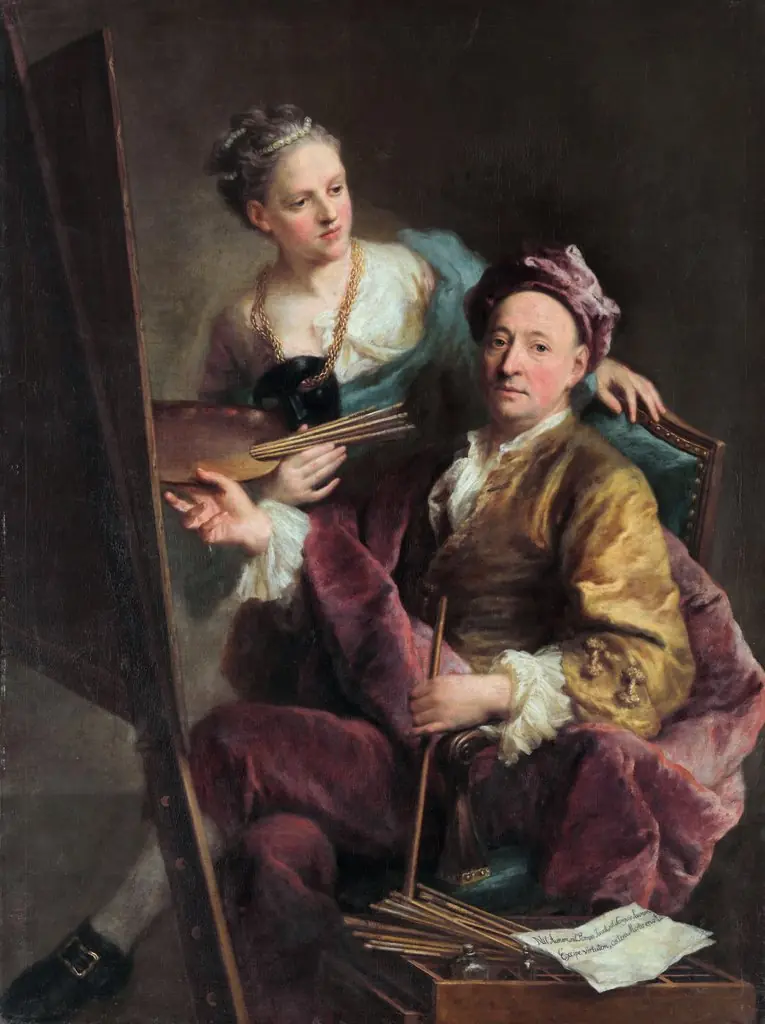 Self-portrait of the Artist with his Daughter Antonia
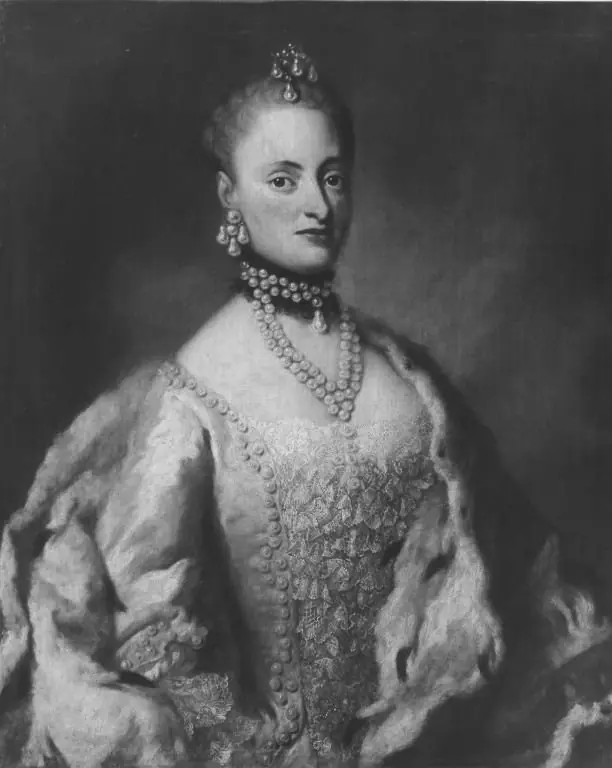 Elisabeth Apollonia of Saxony (1736–1818)
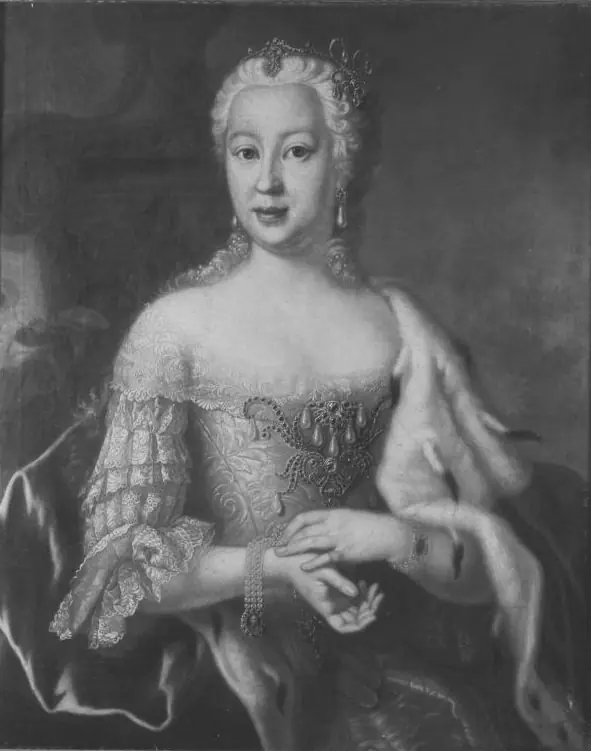 Maria Anna of Sulzbach (1722-1790)
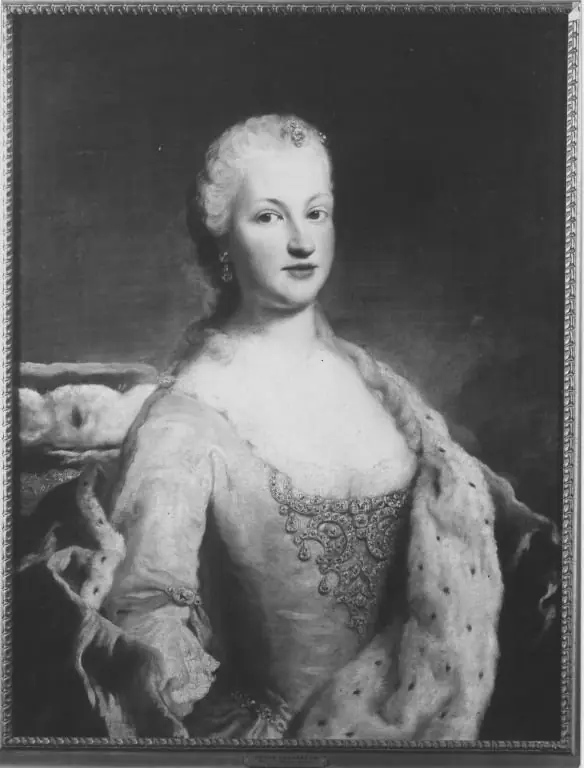 Bildnis der Maria Franziska Dorothea von Pfalz-Sulzbach, Herzogin von Zweibrücken-Birkenfeld (1724-1794)
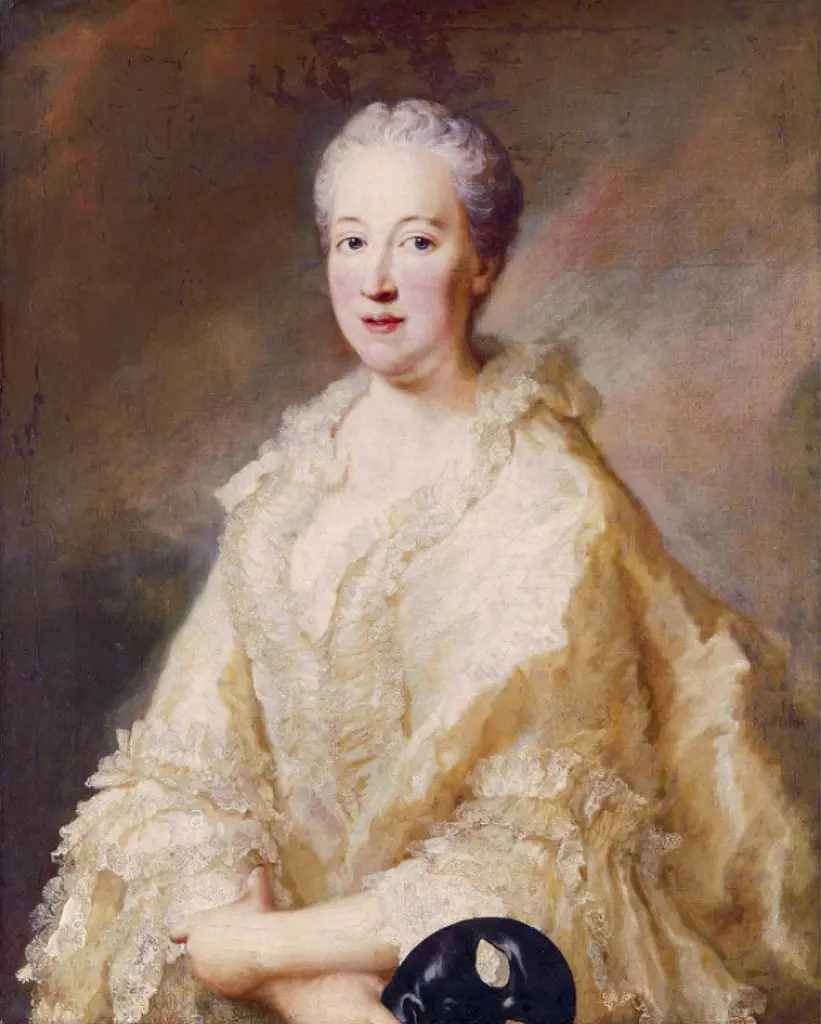 Portrait of Countess Palatine Maria Anna of Sulzbach (1722-1790)
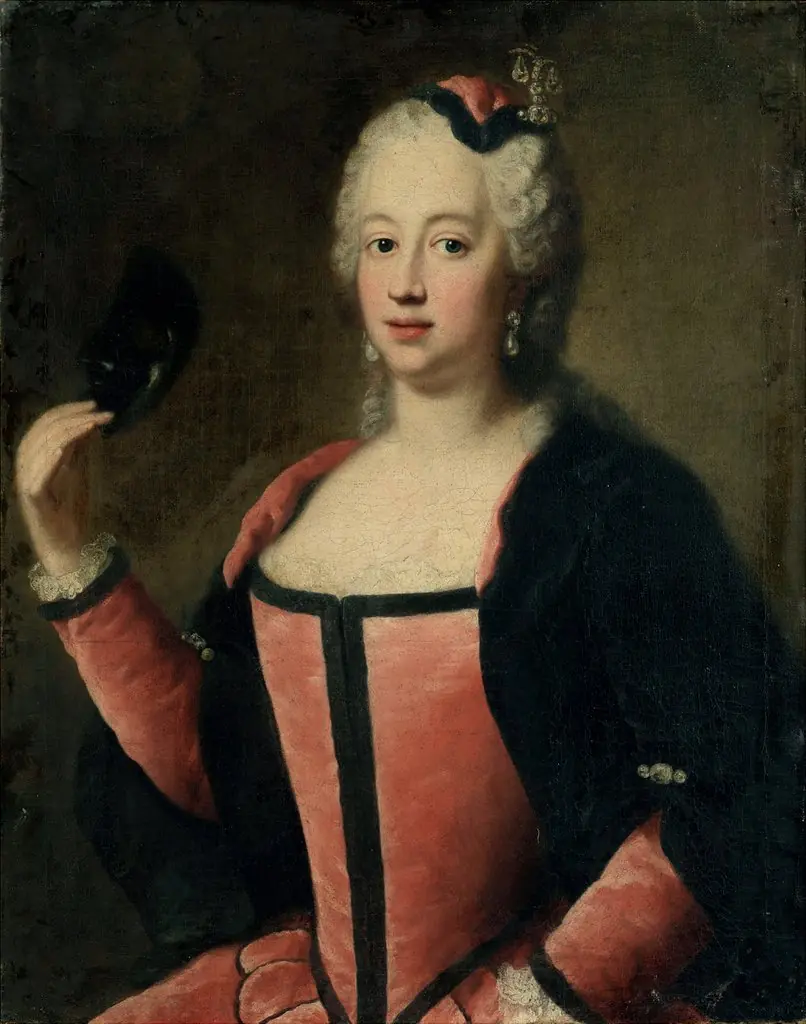 Maria Anna of Sulzbach
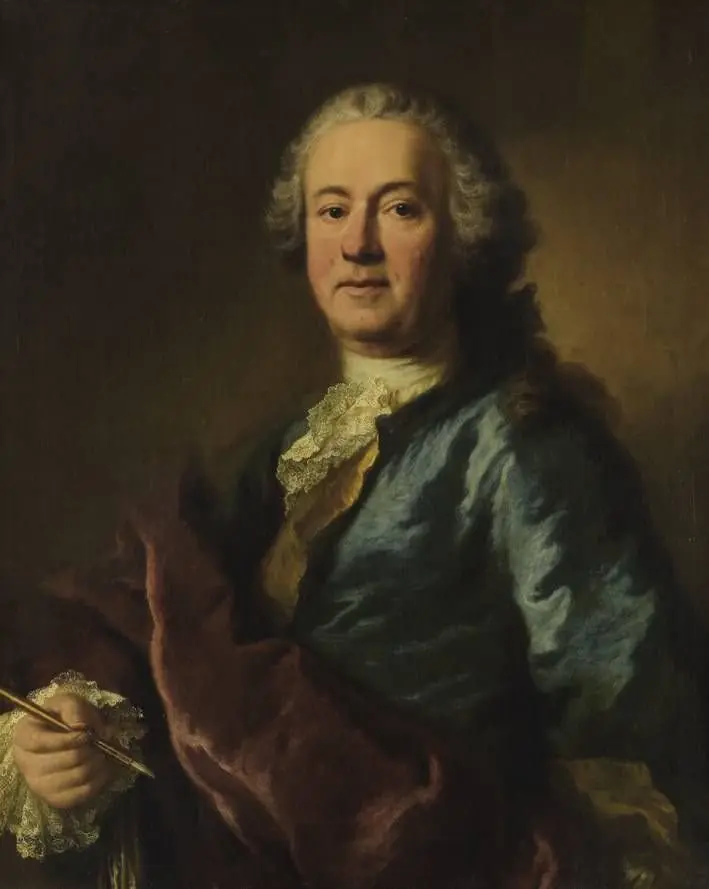 Bildnis des Hofmalers Balthasar August Albrecht (1687-1765)
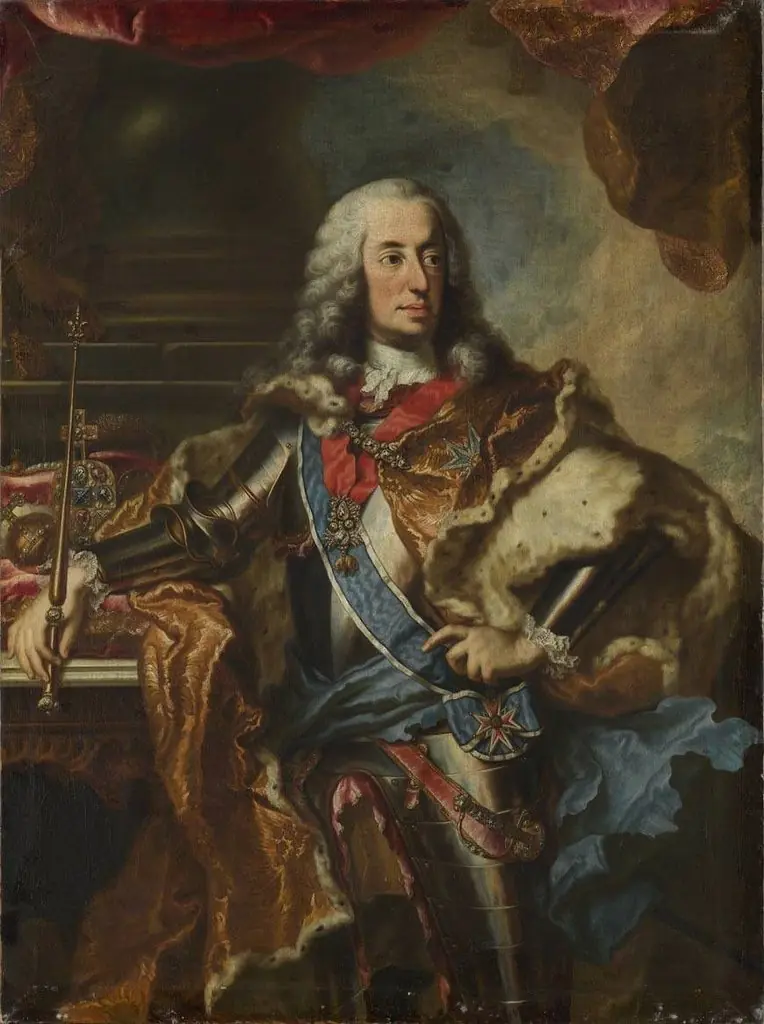 Kurfürst Karl Albrecht als Kaiser Karl VII. (1697-1745)
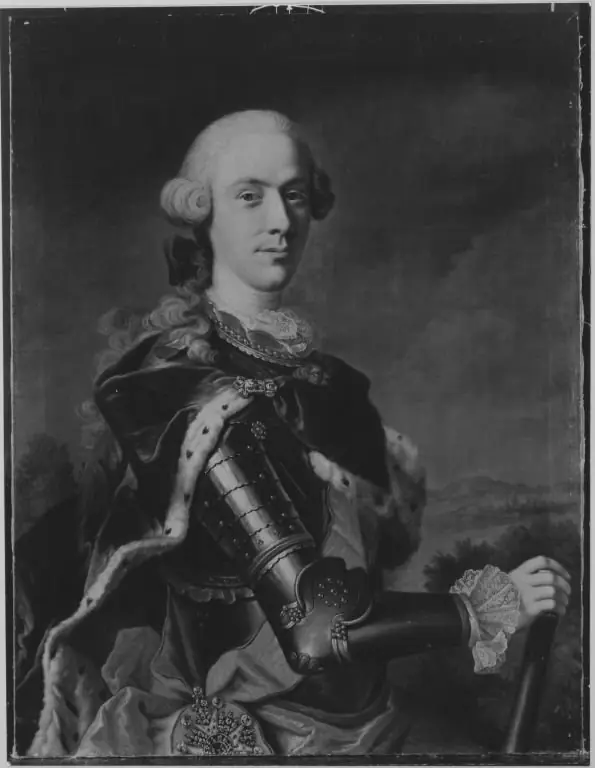 Bildnis von Christian IV., Herzog von Pfalz-Zweibrücken (1722-1775)
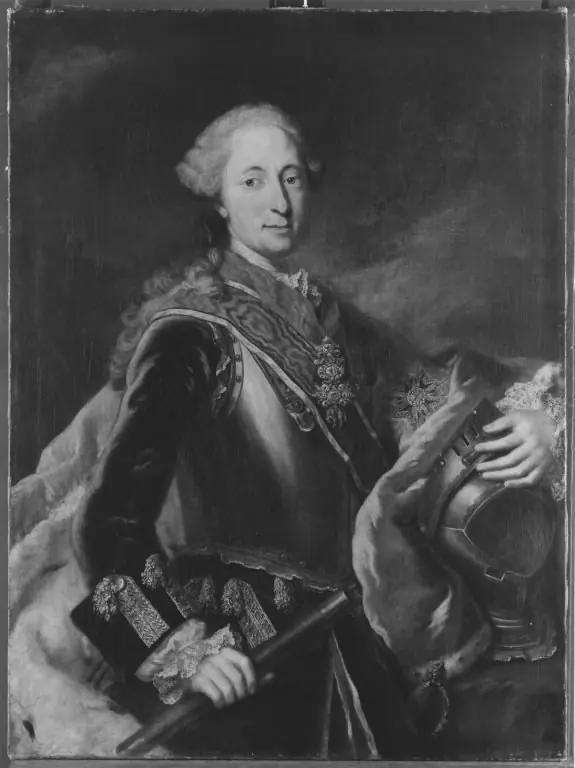 Kurfürst Max III. Joseph von Bayern (zugeschrieben)
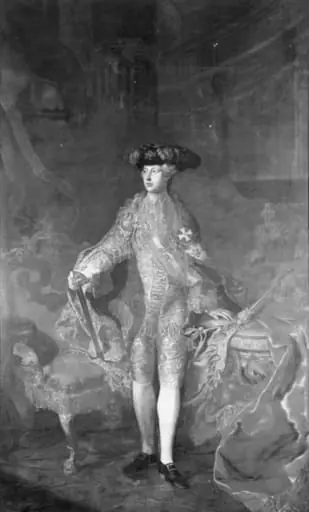 Portrait of the Emperor Joseph II of Austria
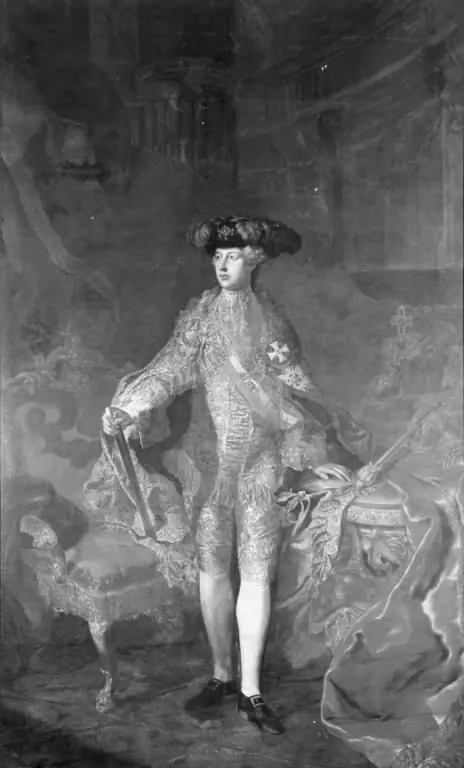 Portrait of the Emperor Joseph II of Austria
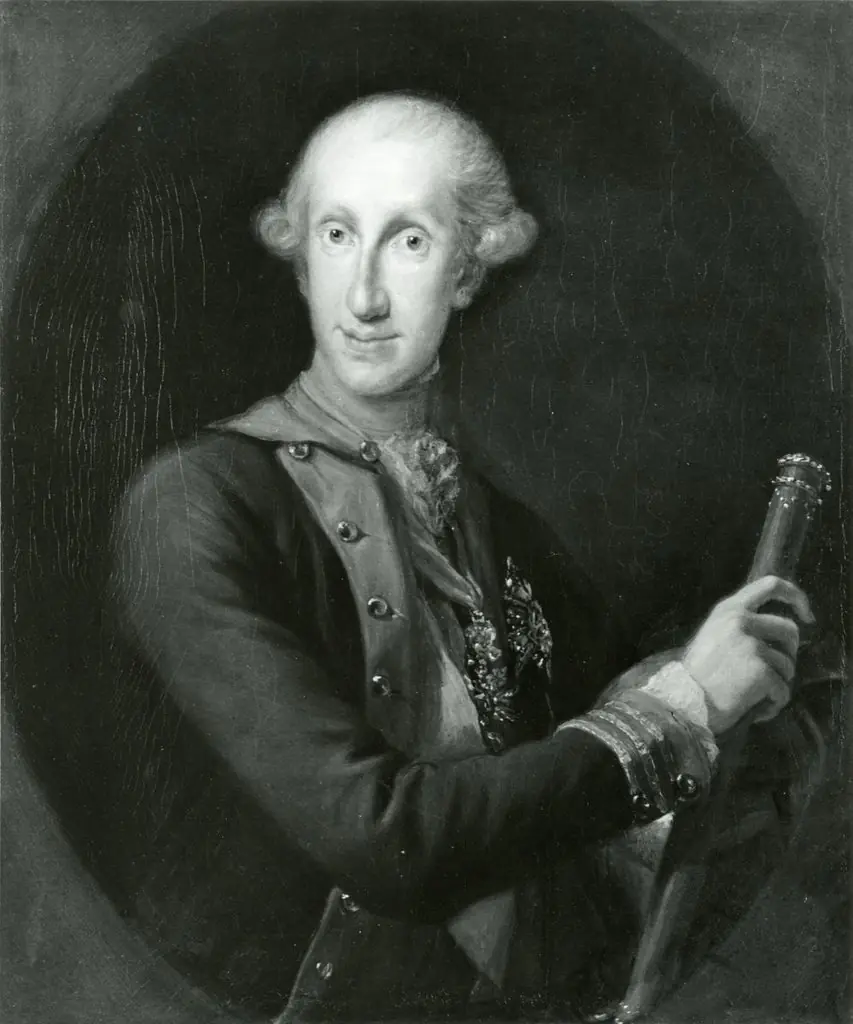 Portrait of Ferdinand IV Bourbon
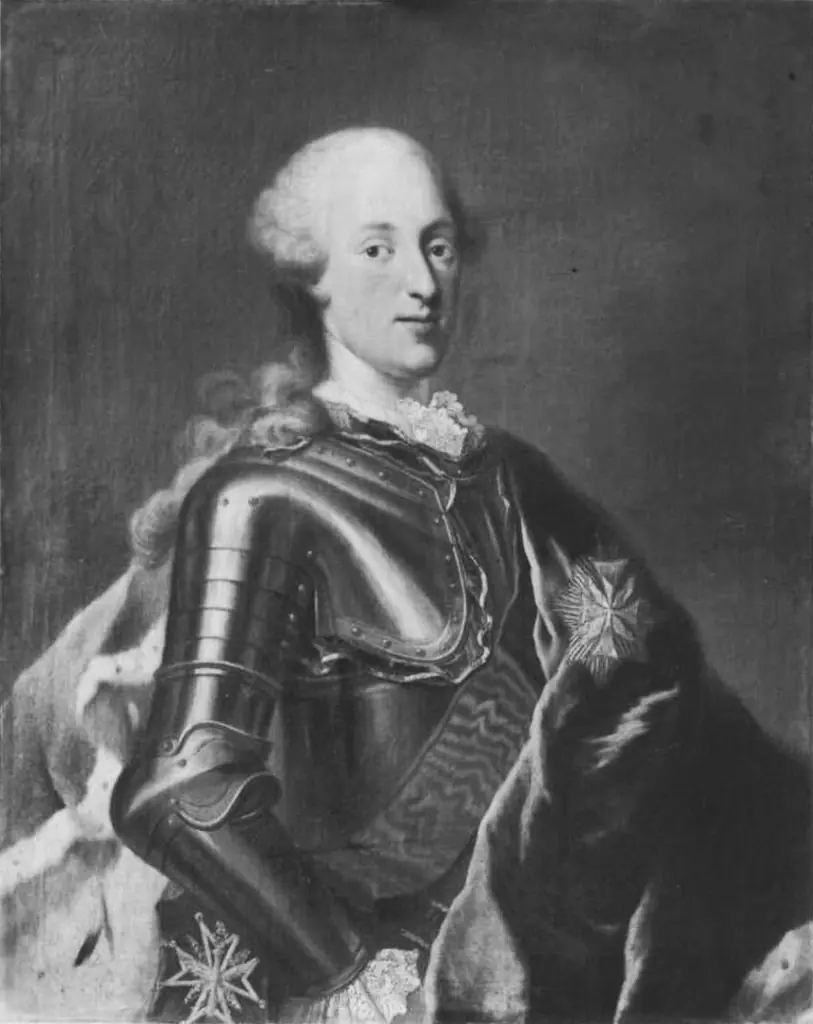 Bildnis eines sächsischen Prinzen
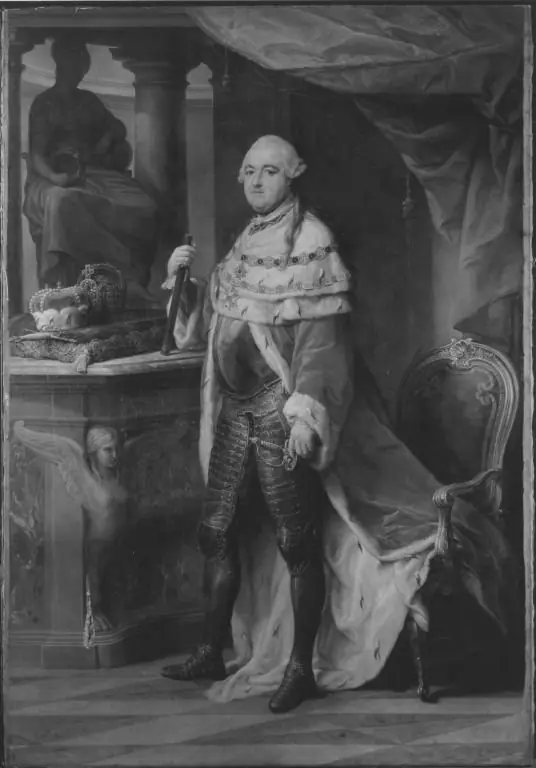 Kurfürst Karl Theodor von der Pfalz
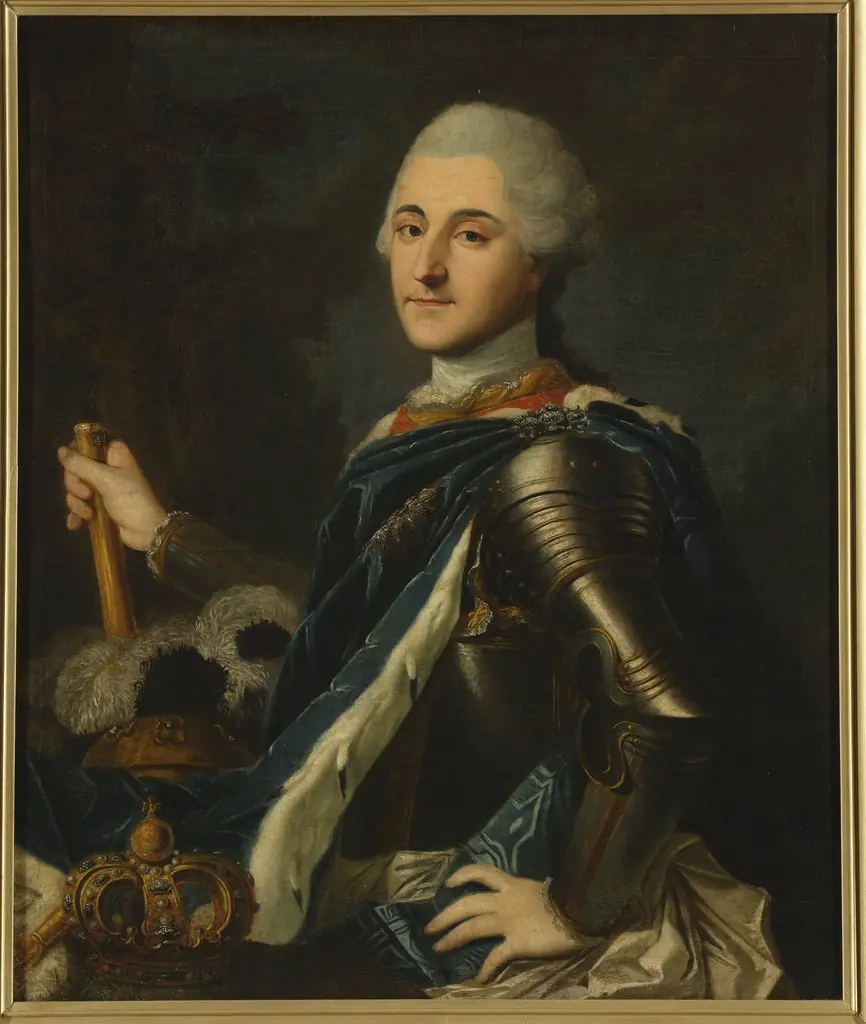 Portrait of king Stanisław August in armour
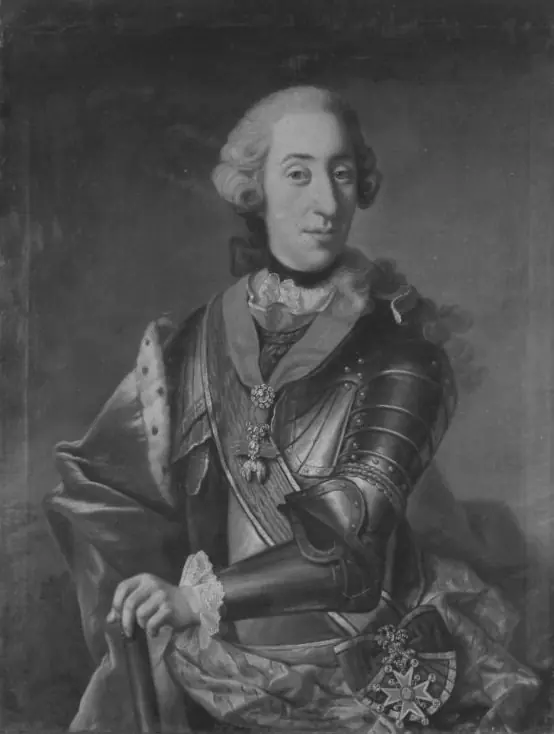 Clement Francis of Bavaria
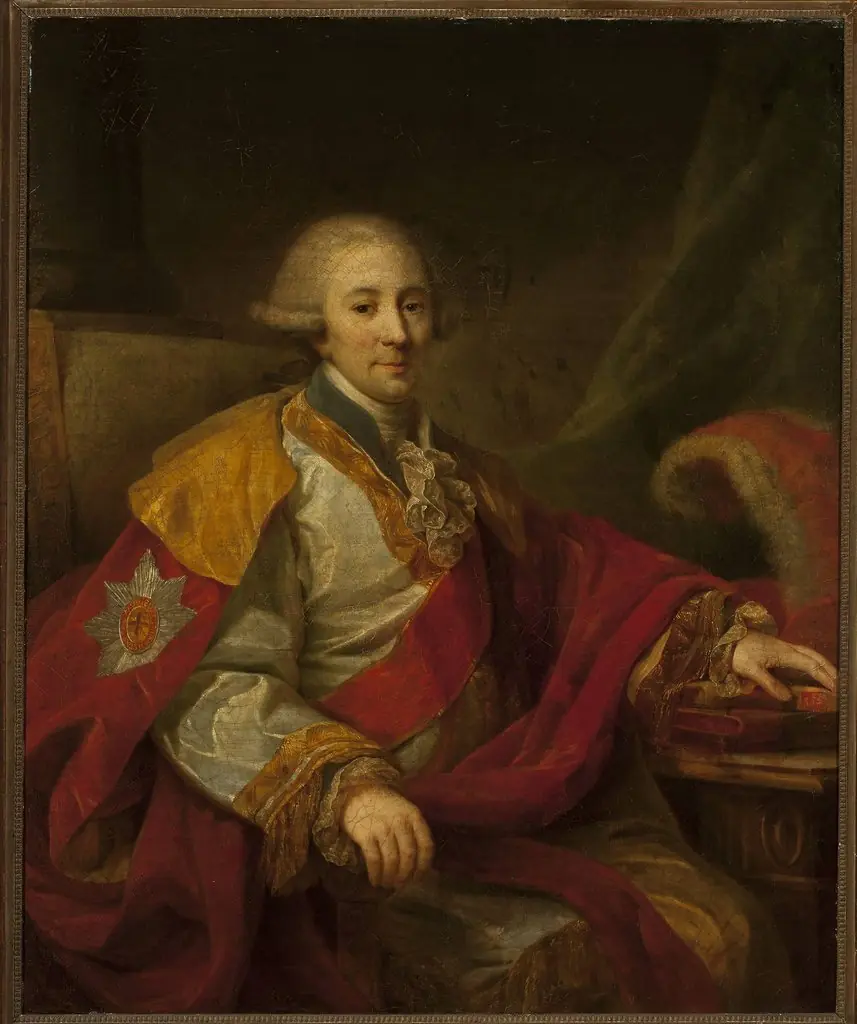 Portrait of a dignitary
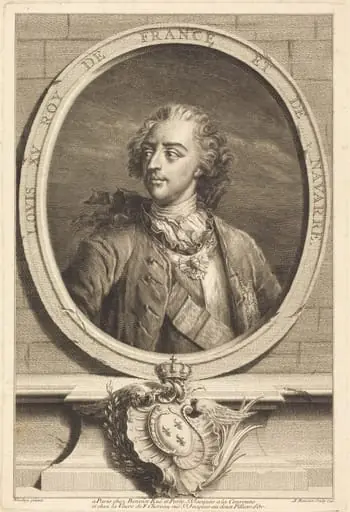 Louis XV, King of France
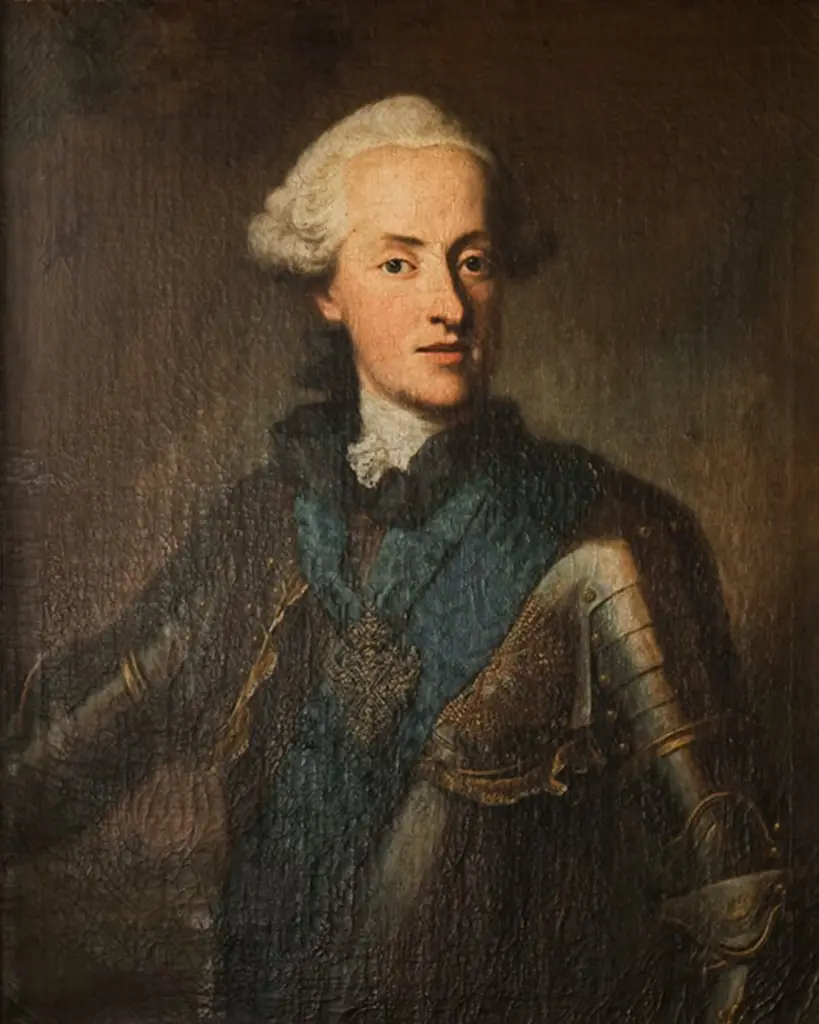 Herzog Clemens Franz de Paula von Bayern