Artwork
St Philip the Apostle
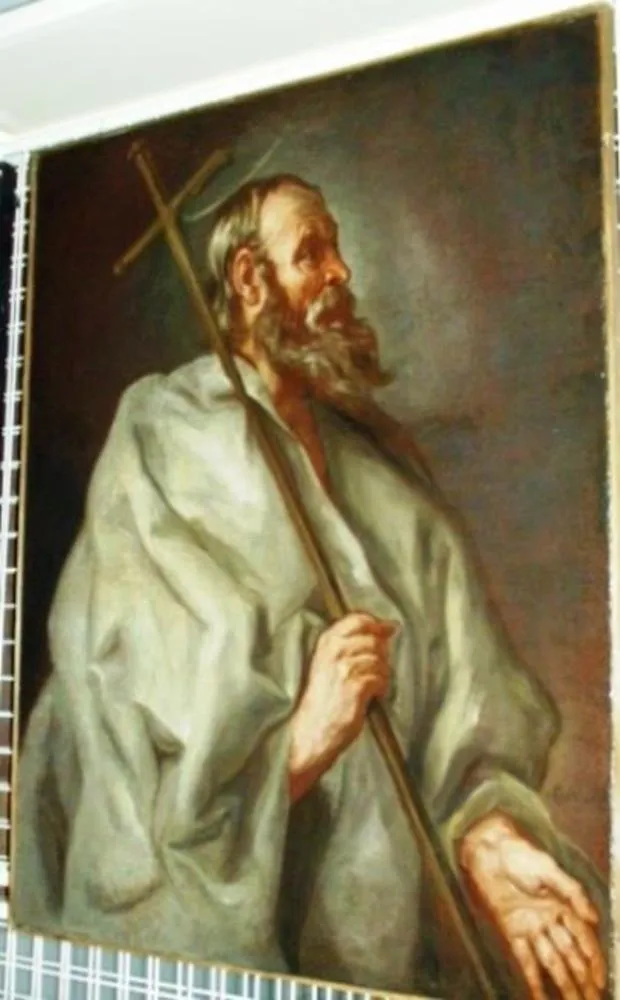
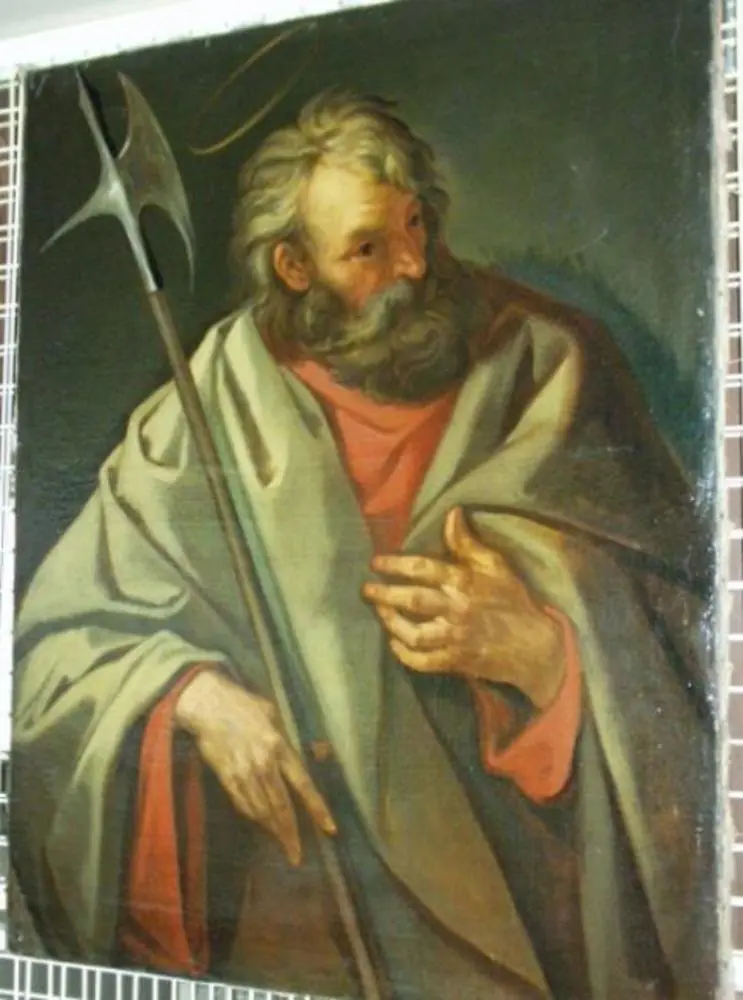
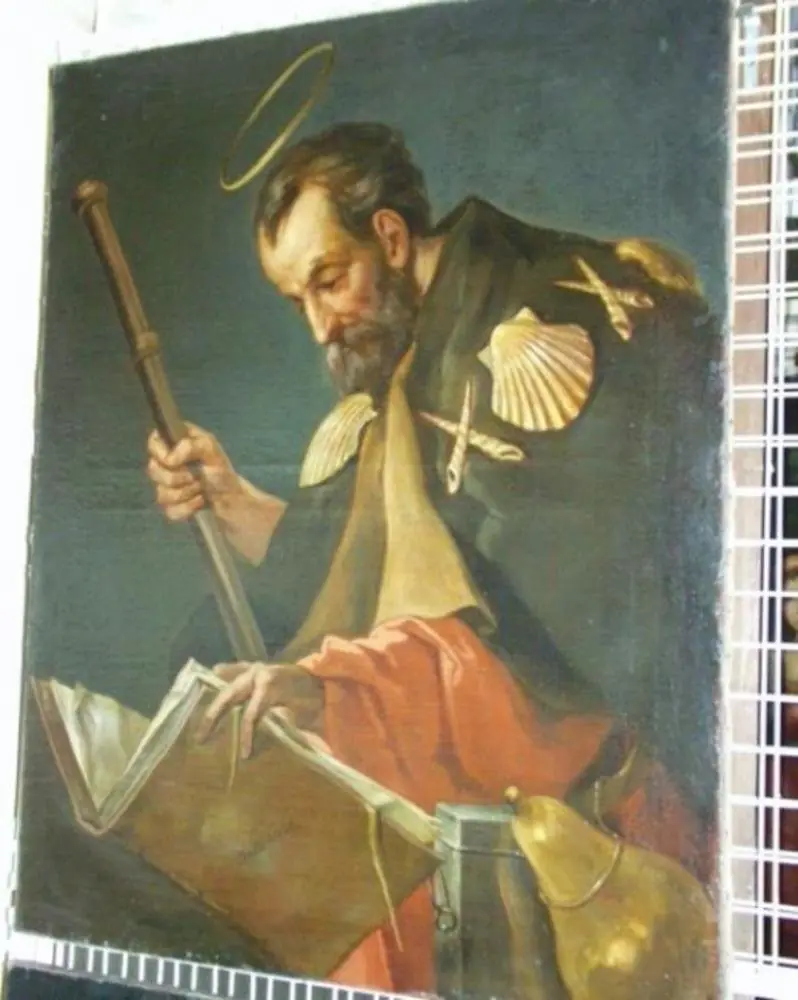
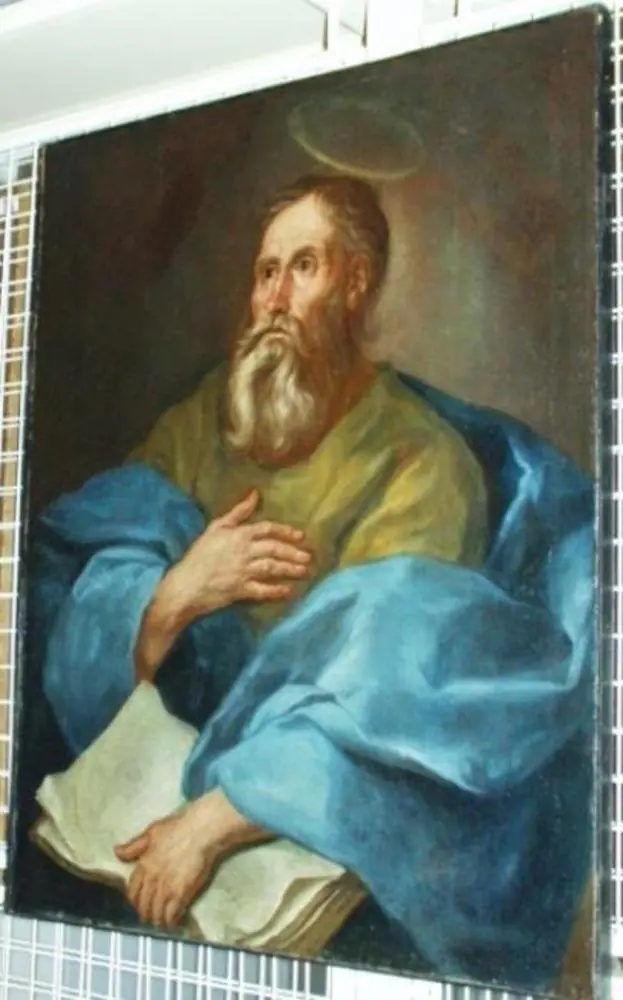
St Philip the Apostle is an oil painting by the Rococo painting artist Georg Gsell. It dates from 1729 and is held in the collection of the Hermitage Museum.
About this work
Overview
St Philip the Apostle is a 1729 oil painting by Georg Gsell, a Swiss Baroque painter and art dealer, now part of the State Hermitage Museum's collection.
Subject & Meaning
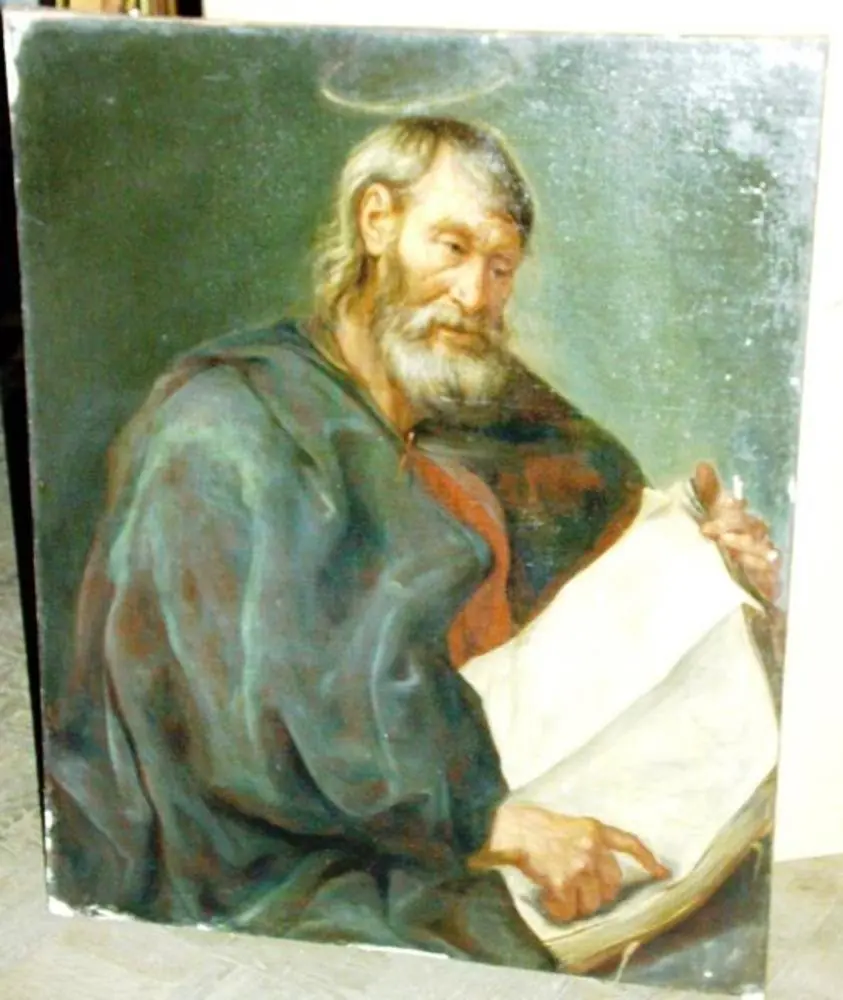
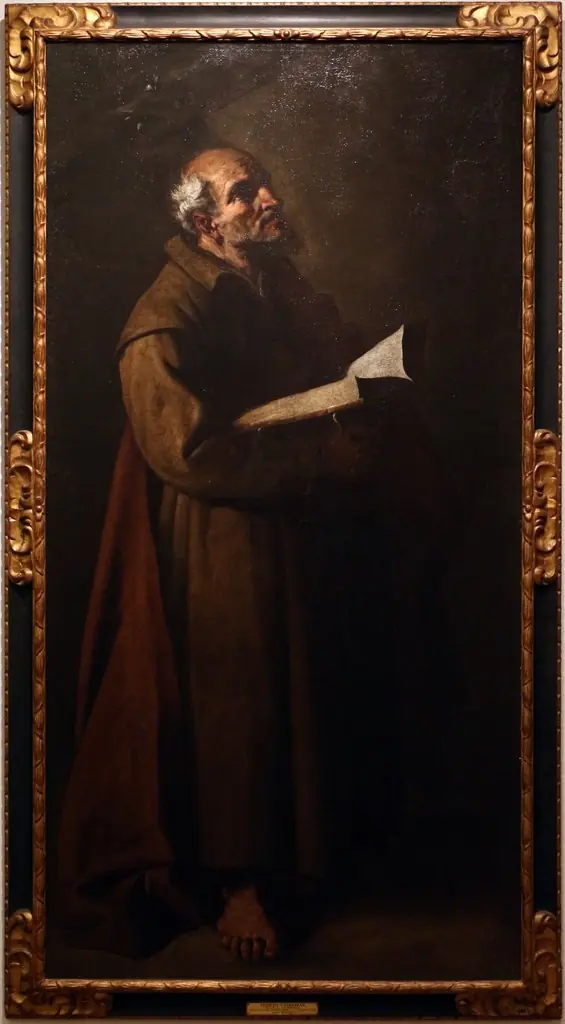
The painting depicts St Philip the Apostle in a contemplative pose, identified by a halo and staff. His serious expression, short beard, and dark hair under the halo convey a sense of solemnity. The figure is shown in mid-step, with one hand resting on his chest, adding a sense of gentle movement.
Technique & Style
Executed in the Rococo style, the painting features soft lighting that accentuates the subject's face against a dark background, creating a sense of depth and emphasizing the figure's emotional state.
History & Provenance
Created in 1729, the work is part of the artistic legacy of Georg Gsell, who relocated to Russia in 1716 under Peter the Great's patronage, facilitating cultural exchange between Western Europe and the Russian court.
Context
As a product of Gsell's career, bridging Swiss and Russian artistic spheres, St Philip the Apostle reflects the cross-cultural influences prevalent during the Baroque to Rococo transition in early 18th-century Europe.
Legacy
The painting's presence in the State Hermitage Museum underscores its role in the museum's collection of European Baroque and Rococo art, contributing to the institution's representation of 18th-century artistic exchanges.
Artist & collection
Artist
Georg Gsell (Russian: Георг Гзелль; 28 January 1673 – 22 November 1740) was a Swiss Baroque painter, art consultant and art dealer.