Artwork
Saint Philip
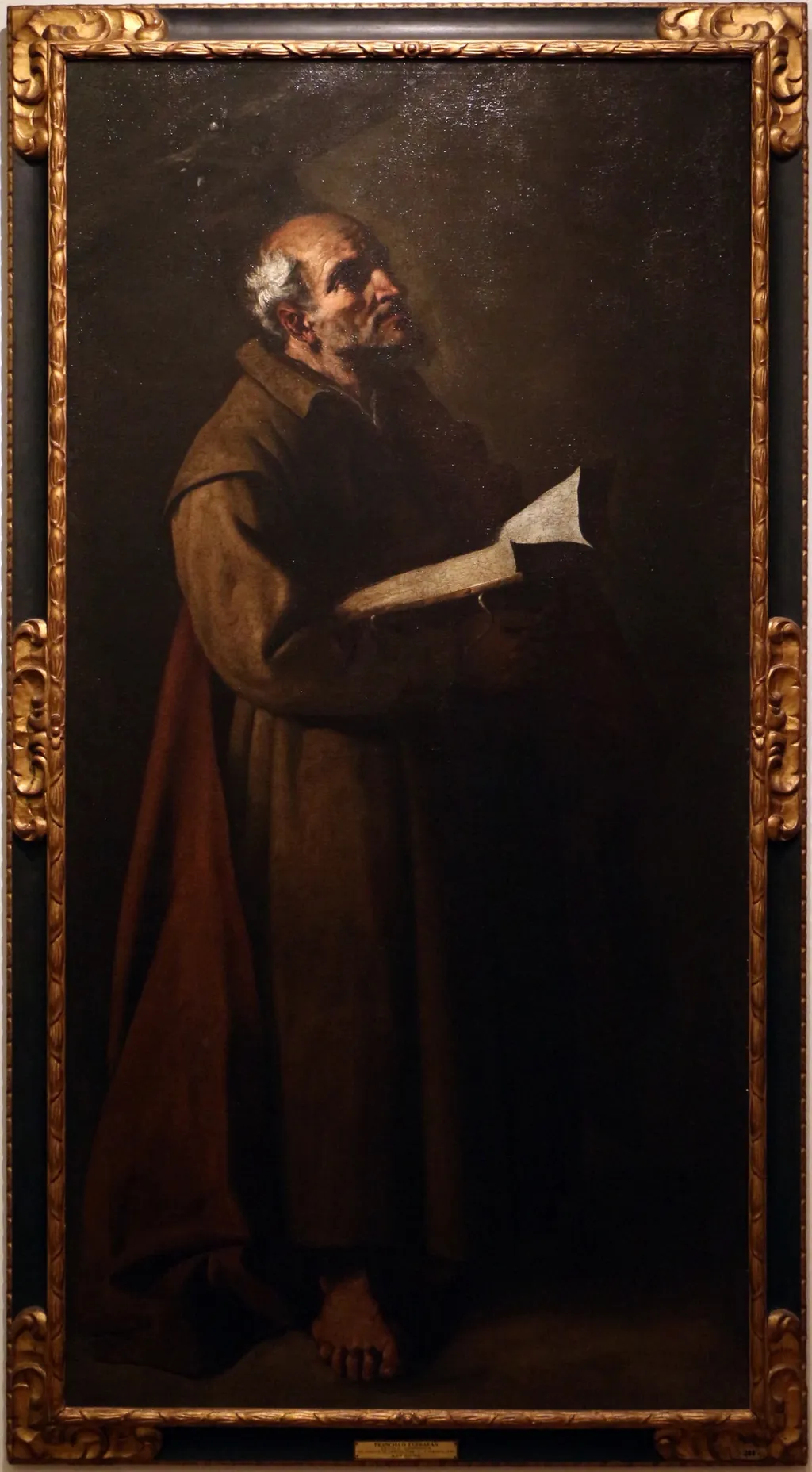
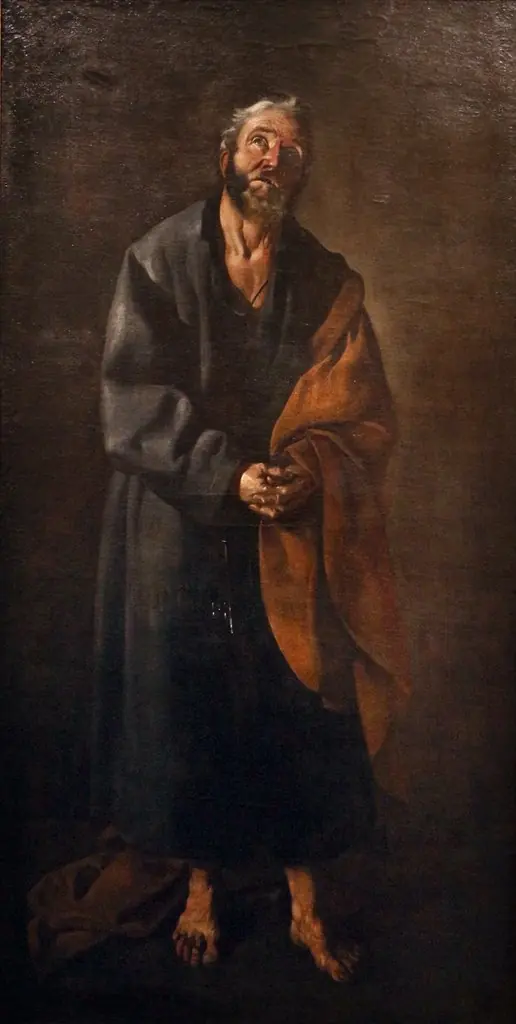
Saint Philip is an oil painting by the Spanish Baroque Tenebrist artist Francisco de Zurbarán. It dates from 1633 and is held in the collection of the National Museum of Ancient Art.
About this work
Overview
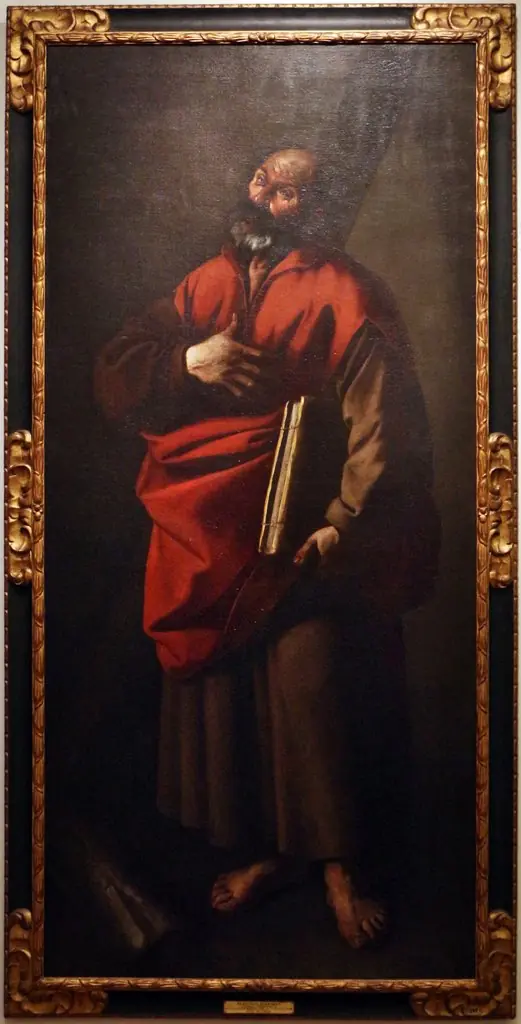
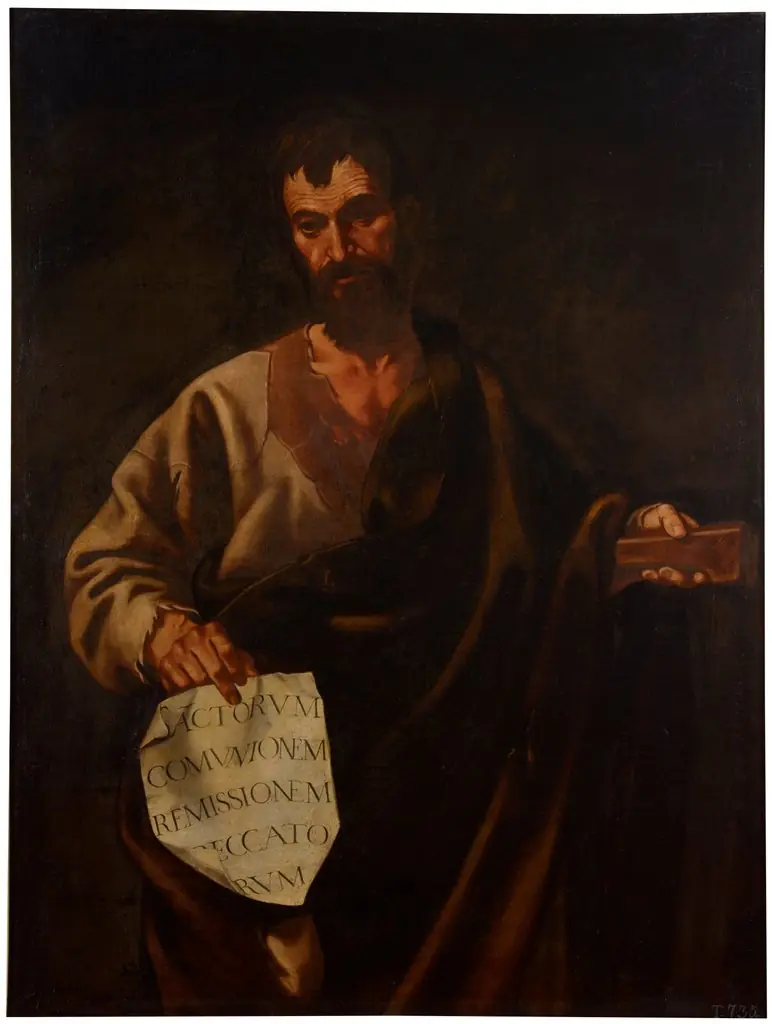
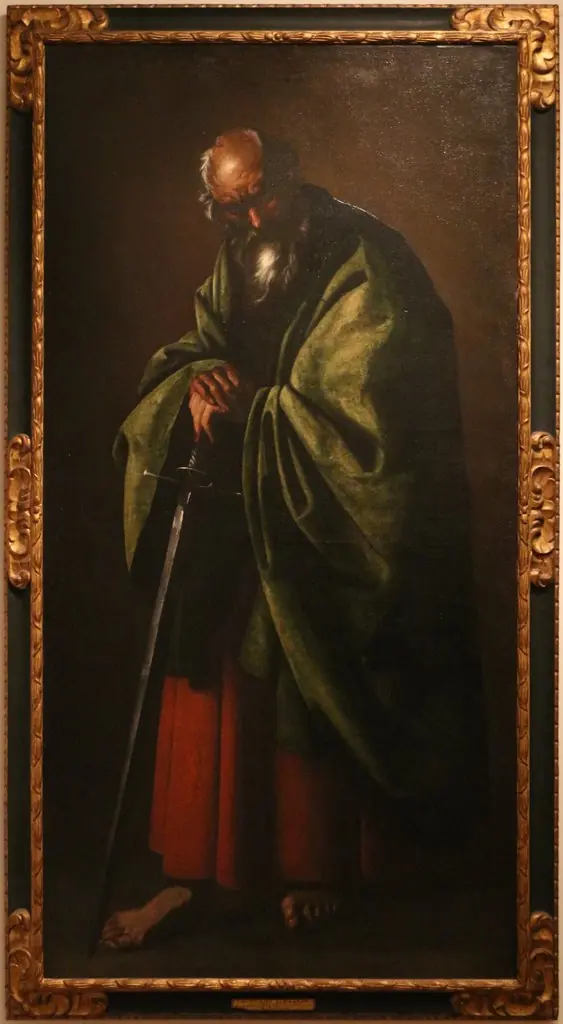
Painted in 1633 by Francisco de Zurbarán, this oil on canvas portrait portrays Saint Philip the Apostle as a contemplative, elderly figure.
Painted in 1633 by Francisco de Zurbarán, this oil on canvas portrait portrays Saint Philip the Apostle as a contemplative, elderly figure. Rendered against a deep, unbroken shadow, the figure emerges through precise lighting that defines form without distraction. The work is part of a series of apostle portraits commissioned for Spanish religious institutions and now resides in the National Museum of Ancient Art in Lisbon.
Subject & Meaning
The figure of Saint Philip is depicted not as a dramatic martyr or miracle-worker, but as a quiet, introspective scholar. His upward gaze and raised hand suggest prayer or divine reception, while the book in his left hand alludes to his role as a transmitter of sacred teaching. The absence of traditional iconographic symbols like a cross or ladder emphasizes inner spirituality over external narrative, aligning with Counter-Reformation ideals of personal devotion.
Technique & Style
Zurbarán employs chiaroscuro with restrained intensity, using subtle gradations of light to model the saint’s aged face, bare feet, and draped garments. The brown robe and crimson mantle are rendered with matte, earthy pigments, avoiding ornamental flourish. The dark background isolates the figure, focusing attention on texture and posture. Brushwork is deliberate and unembellished, reflecting the Caravaggesque influence filtered through Spanish austerity.
History & Provenance
Commissioned during Zurbarán’s peak period, the painting likely originated in a monastery or convent in Seville, part of a larger cycle of apostle portraits. It entered the Portuguese royal collection in the 18th century and was later transferred to the National Museum of Ancient Art. Its survival intact, without significant alteration, offers rare insight into early 17th-century Spanish devotional art practices.
Context
Created during the height of the Counter-Reformation, the painting reflects the Catholic Church’s emphasis on individual piety and clerical authority. Zurbarán’s focus on solitary, humble figures aligned with the spiritual priorities of the time, particularly among mendicant orders. Unlike Italian Baroque drama, Spanish religious art favored stillness and psychological depth, making this work representative of a regional aesthetic.
Legacy
Though less widely known than Zurbarán’s still lifes or monastic scenes, this portrait exemplifies his mastery in conveying spiritual gravity through minimal means. Its influence can be traced in later Spanish realist traditions and 19th-century religious painting that prioritized emotional restraint. The work remains a quiet testament to the power of understated presence in sacred imagery.
Artist & collection
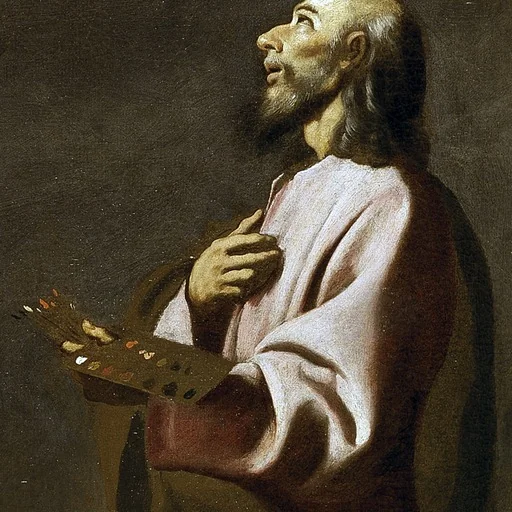
Artist
Francisco de Zurbarán was a Spanish Baroque painter. He is known primarily for his religious paintings depicting monks, nuns, and martyrs, and for his still-lifes. Zurbarán gained the nickname "Spanish Caravaggio",…