Artwork
Portrait of Admiral Mikhail Lazarev
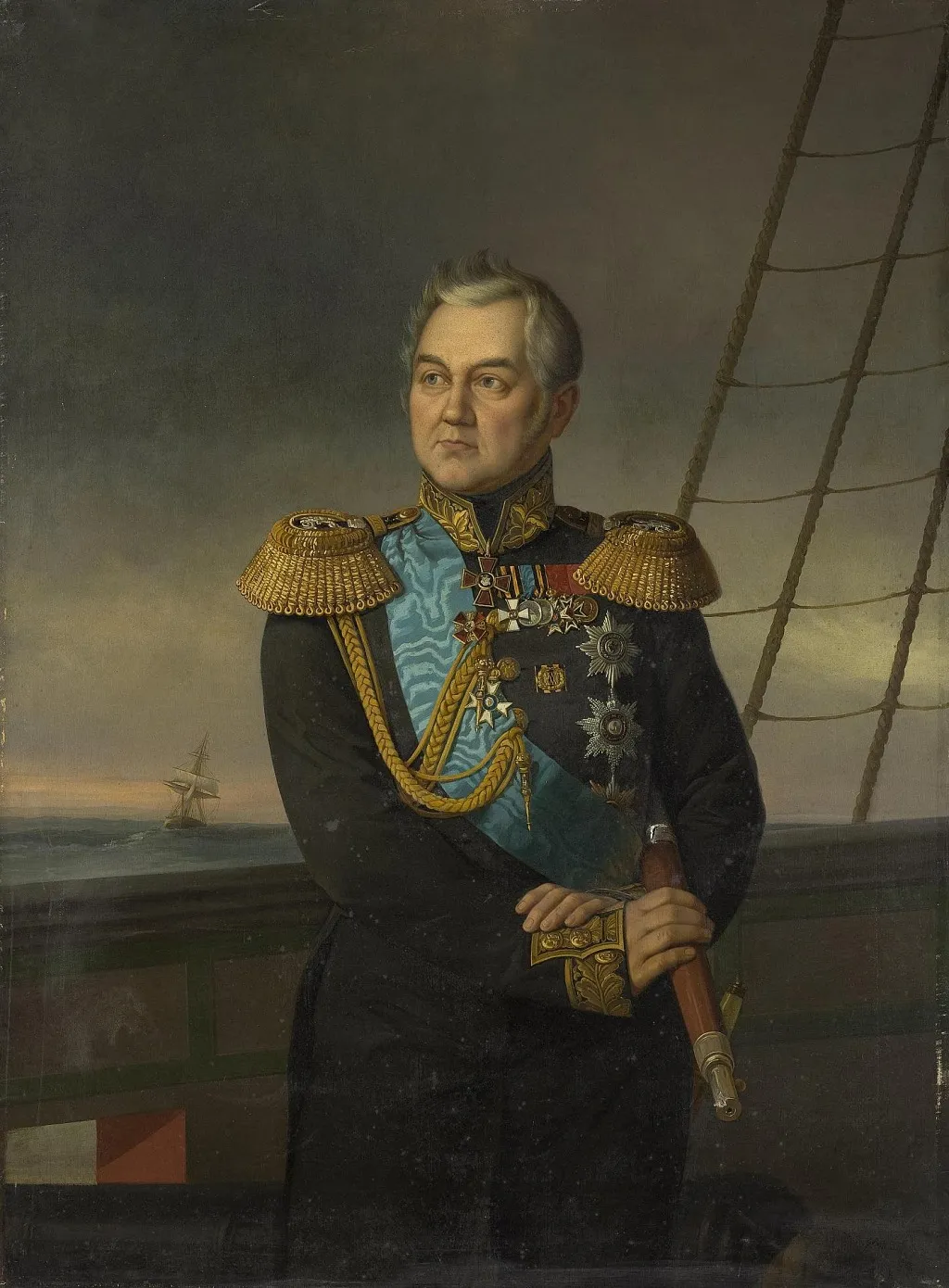
Portrait of Admiral Mikhail Lazarev is an oil painting by the Realist artist Georg von Bothmann. It dates from 1873 and is held in the collection of the Hermitage Museum.
About this work
Overview
He holds a telescope in his right hand, a direct reference to his career as a navigator and explorer, while his left hand rests assertively on his hip.
Painted in 1873 by Georg von Bothmann, the Portrait of Admiral Mikhail Lazarev captures the distinguished Russian naval commander in his later years. The composition presents Lazarev in a three-quarter view, dressed in a formal black military uniform distinguished by gold epaulets and a blue sash, signifying his high rank. He holds a telescope in his right hand, a direct reference to his career as a navigator and explorer, while his left hand rests assertively on his hip. His short gray hair is styled in a pompadour, reflecting the grooming standards of the era. The background features a seascape with a sailing ship navigating open waters, contextualizing the subject within his maritime domain. Bothmann, a German painter active in Russia, executed this work during a period when he was frequently commissioned for official portraits of the Russian aristocracy and military elite. The painting serves as a formal commemoration of Lazarev's legacy, emphasizing his authority and connection to the sea through symbolic props and setting rather than narrative action.
Subject & Meaning
The admiral is shown in a black military coat trimmed with gold epaulettes and a blue sash, his short gray hair arranged in a pompadour. Holding a telescope in his right hand and resting his left hand on his hip, he conveys authority and the exploratory spirit associated with his naval career.
Technique & Style
Bothmann employs oil pigments to achieve a layered, three‑dimensional effect, rendering the fabric’s texture and the metallic sheen of the decorations with careful modeling. Subtle contrasts of light and shadow give the figure a realistic presence, while the background ship and muted sky provide contextual depth without distracting from the sitter.
History & Provenance
Painted shortly after Lazarev’s death, the work entered the Imperial collection and later was transferred to the Hermitage following the museum’s expansion in the early 20th century. Its provenance has remained uninterrupted, documenting its status as an official portrait of a prominent naval commander.
Context
The portrait reflects the Russian Empire’s tradition of honoring military leaders through formal portraiture, a practice that reinforced state authority and celebrated naval achievements during a period of expanding maritime influence.
Artist & collection

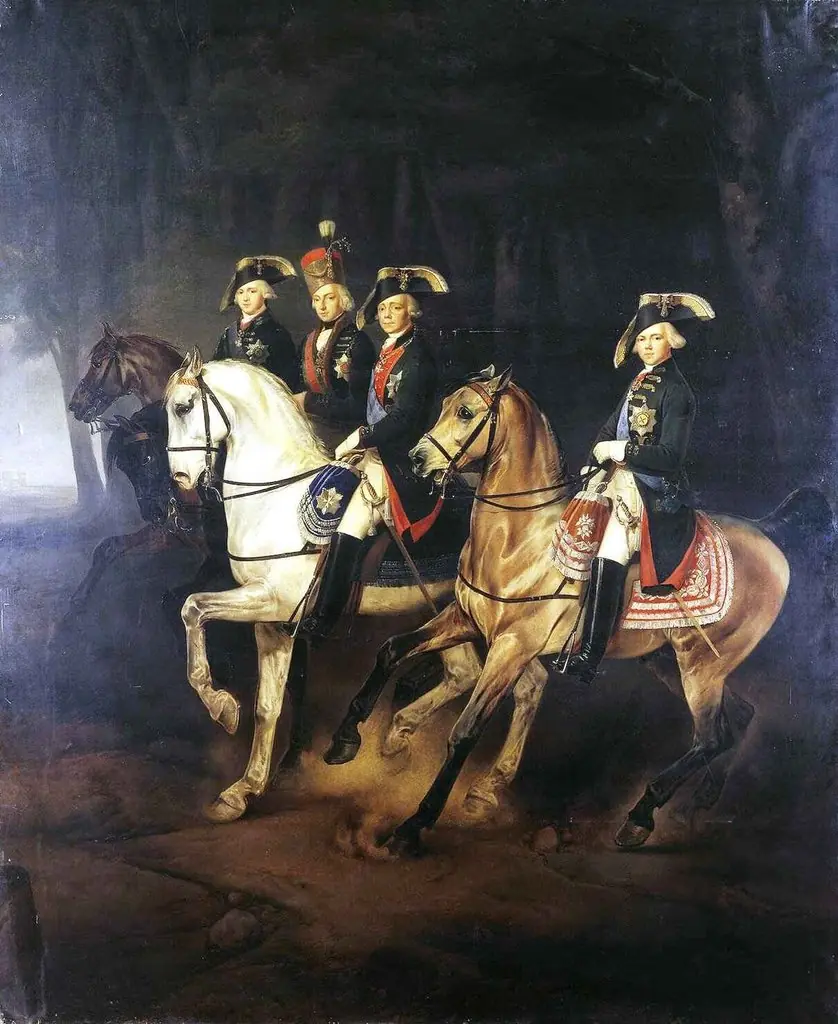 Equestrian Portrait of Emperor Paul I with his Sons and Joseph I, King of Hungary
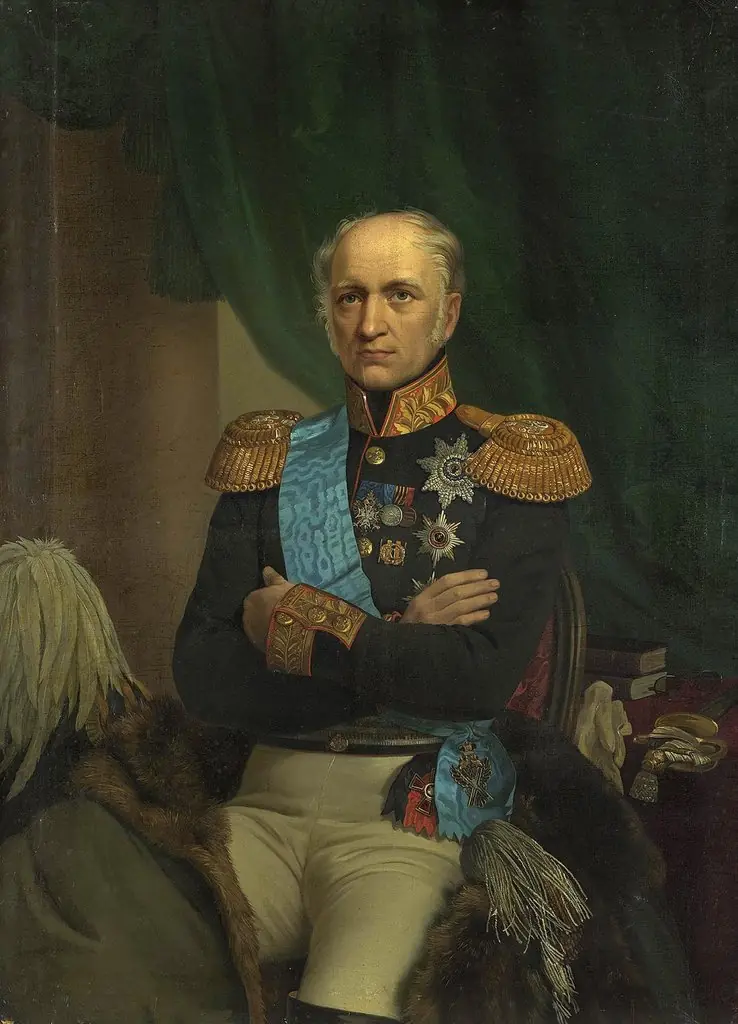 Portrait of Ye. F. Kankrin
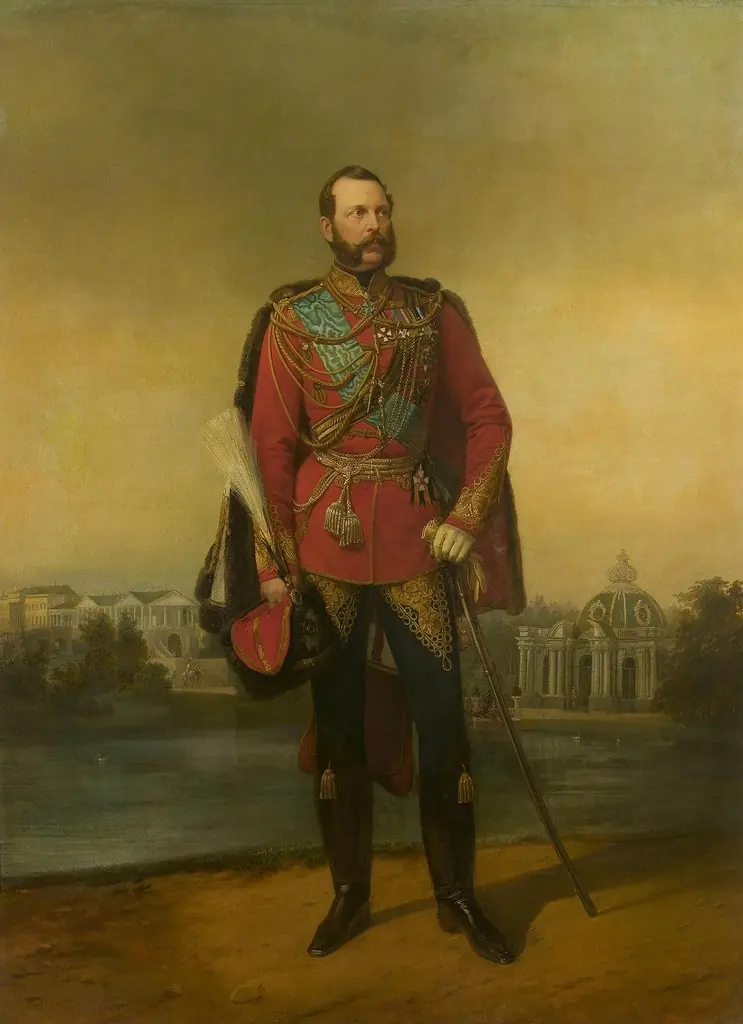 Portrait of Emperor Alexander II
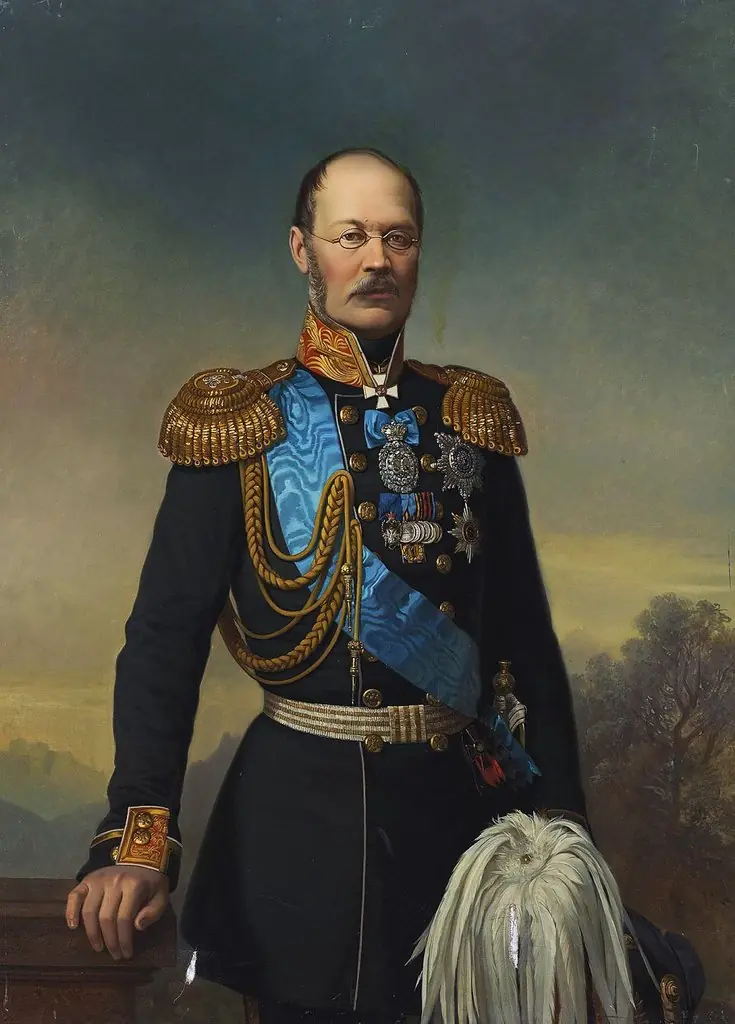 Portrait of Prince M.D. Gorchakov
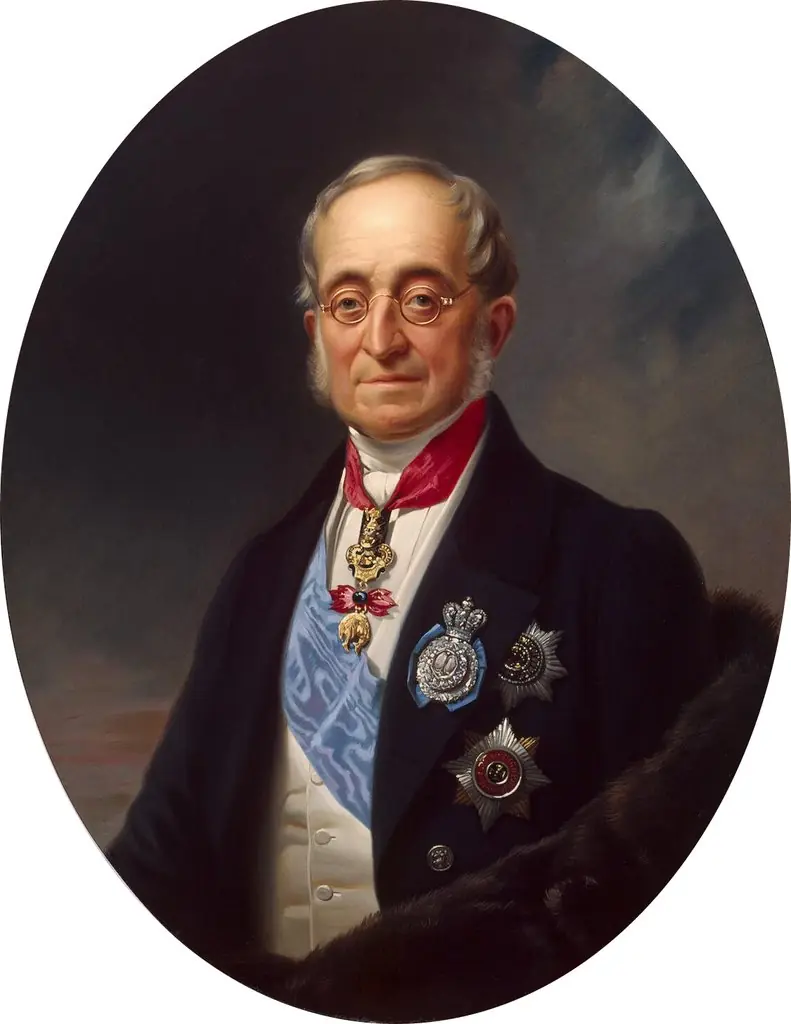 Portrait of Karl Nesselrode
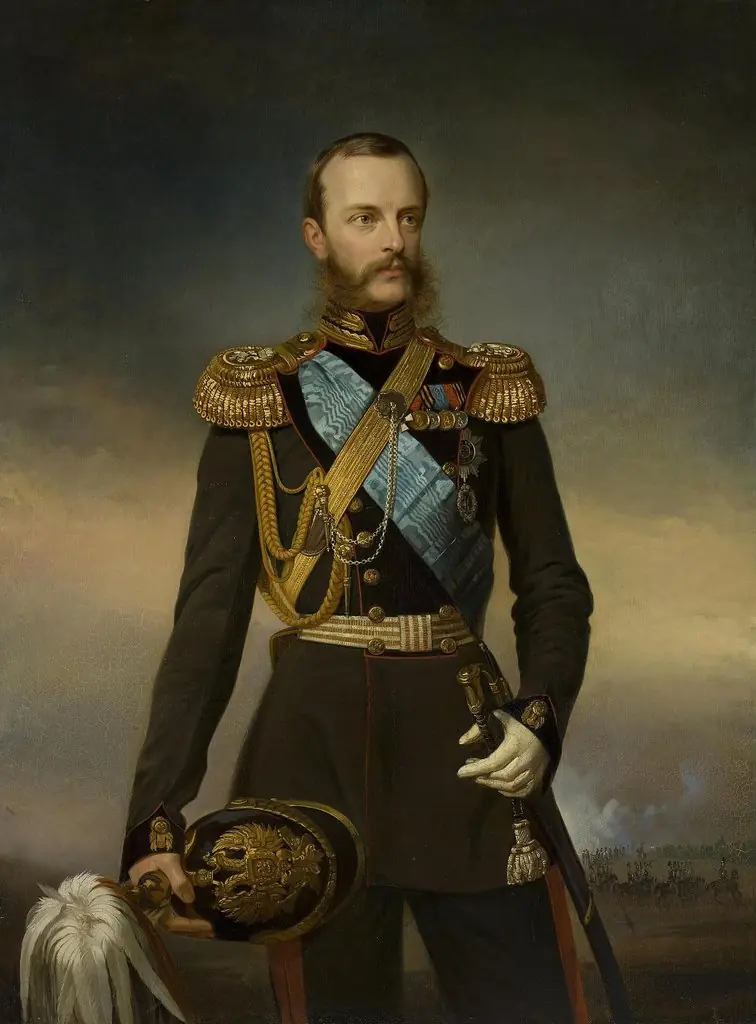 Portrait of Grand Duke Mikhail Nikolaevich
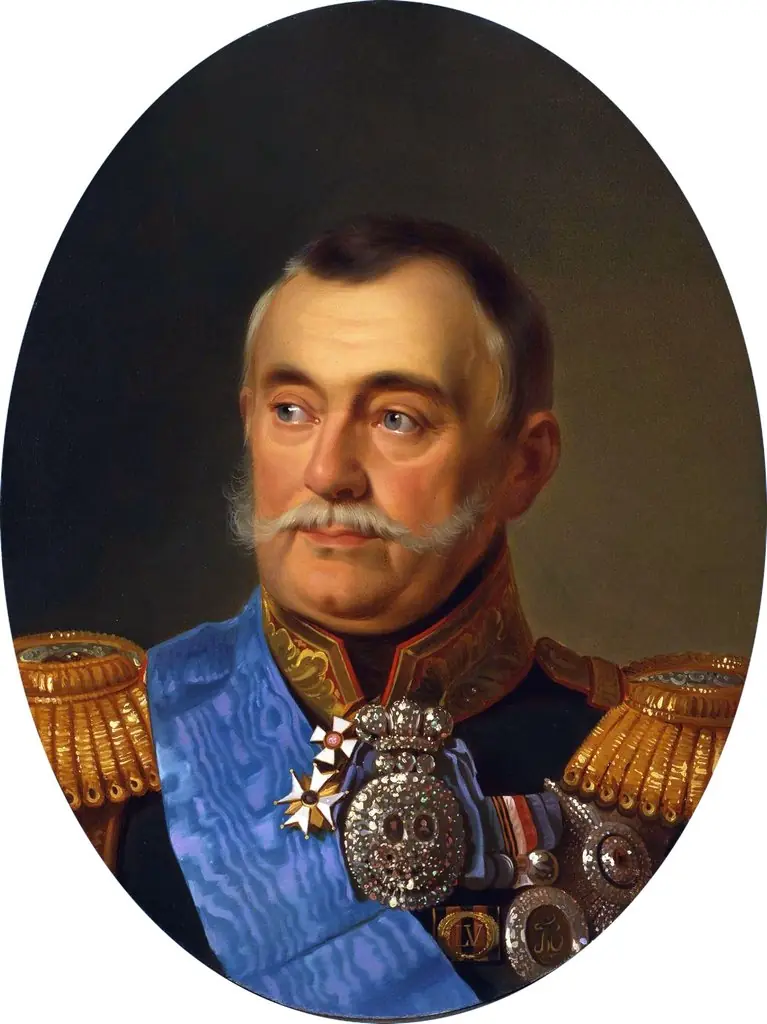 Portrait of the Minister of the Court of Prince Volkonsky
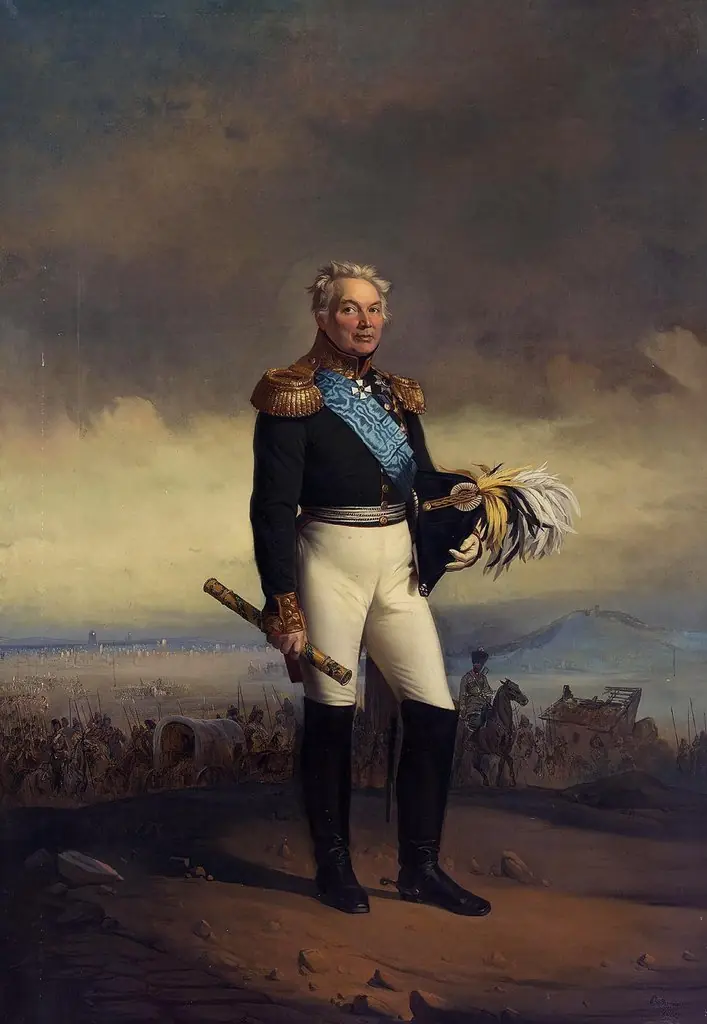 Portrait of Friedrich Wilhelm von der Osten-Sacken
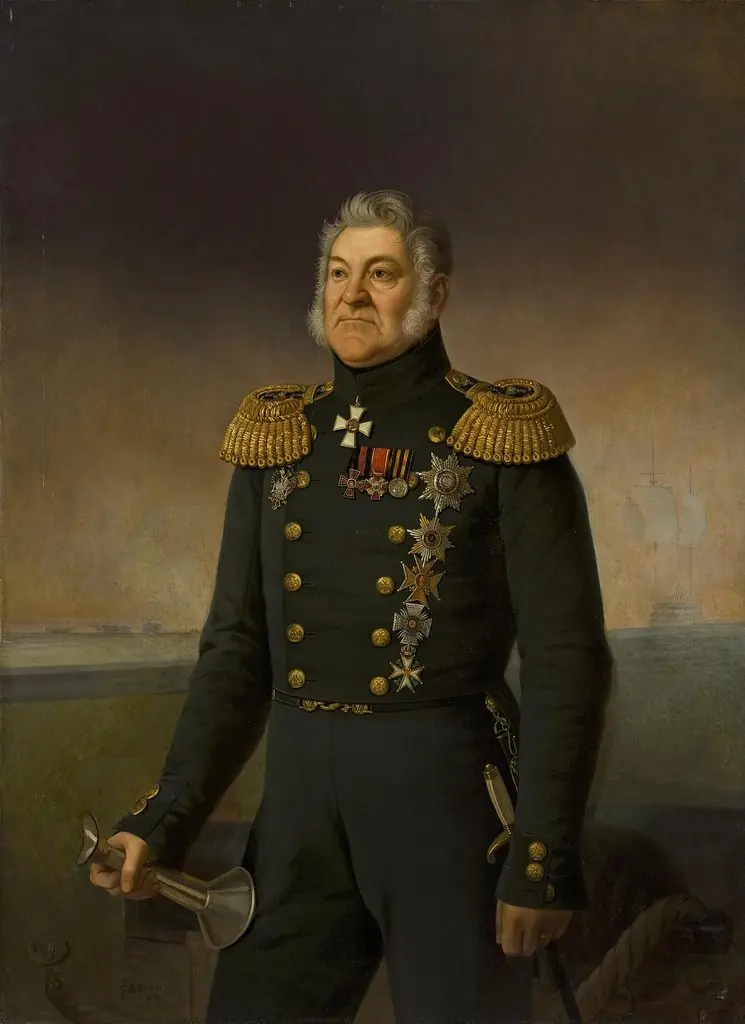 Portrait of Admiral Login Heiden
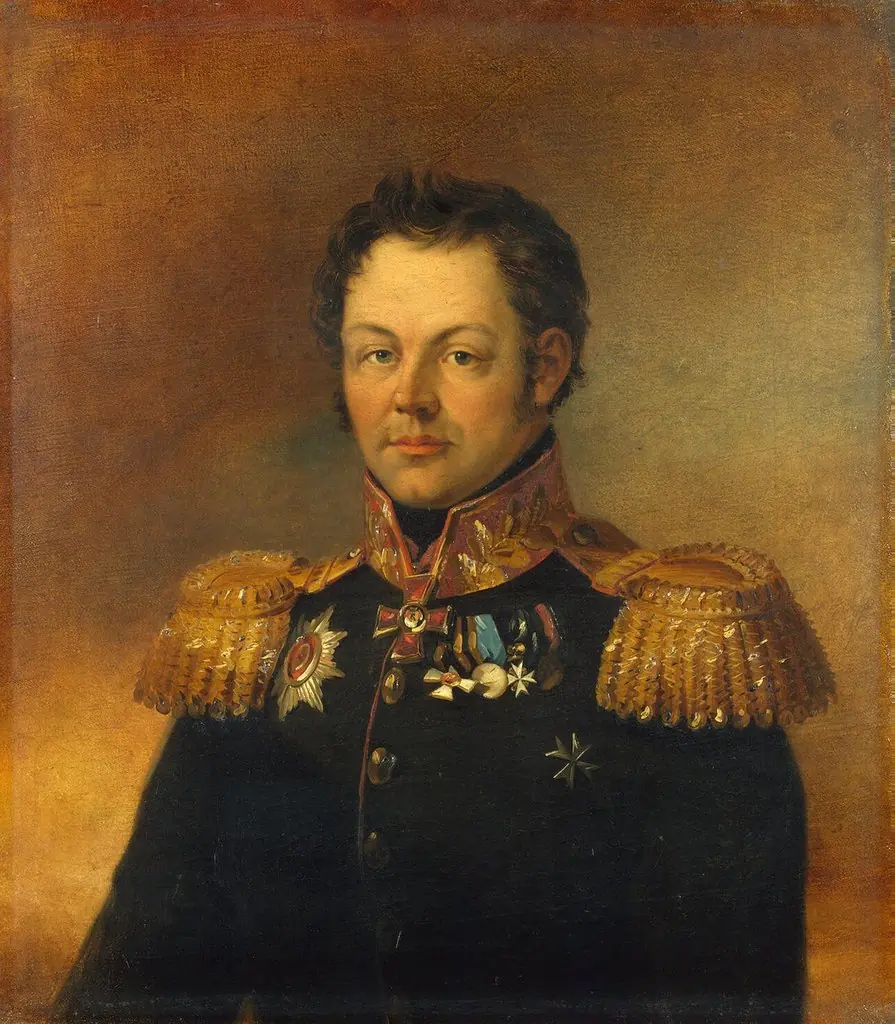 Portrait of Alexander E. Pyker (1776-1834)
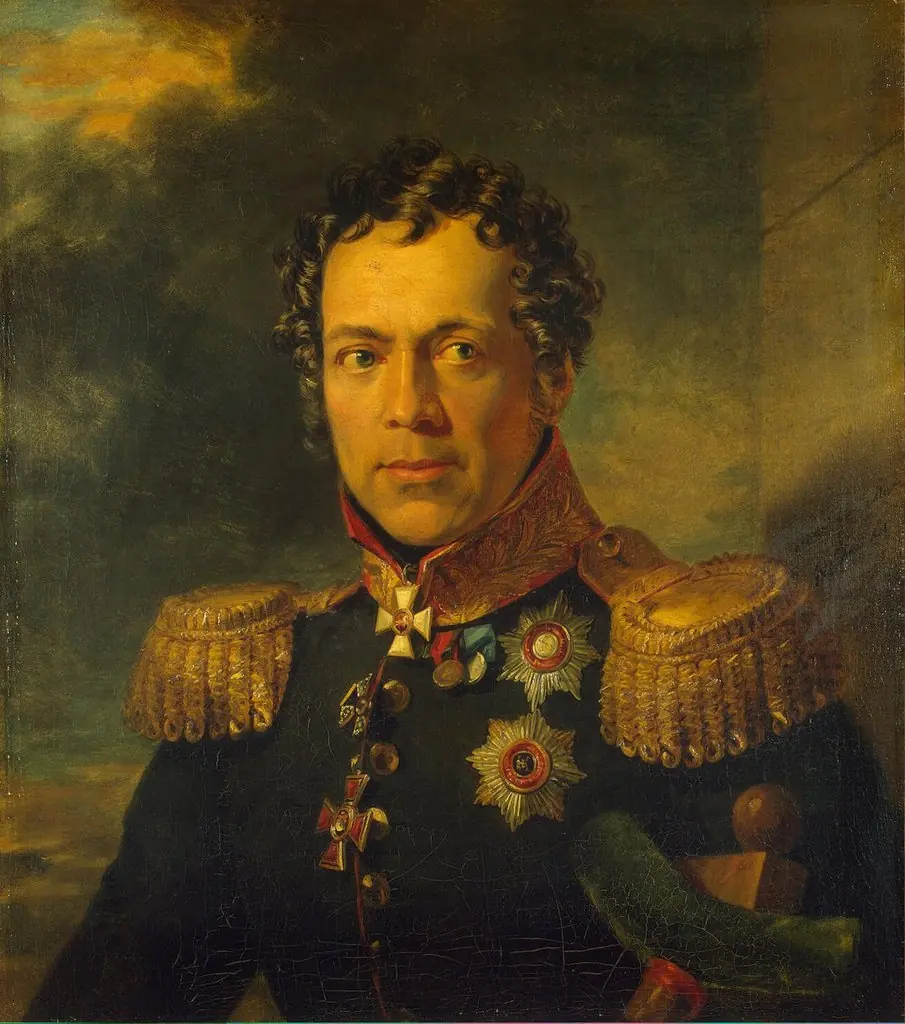 Portrait of Alexey N. Bakhmetev (1774-1841) (1st)
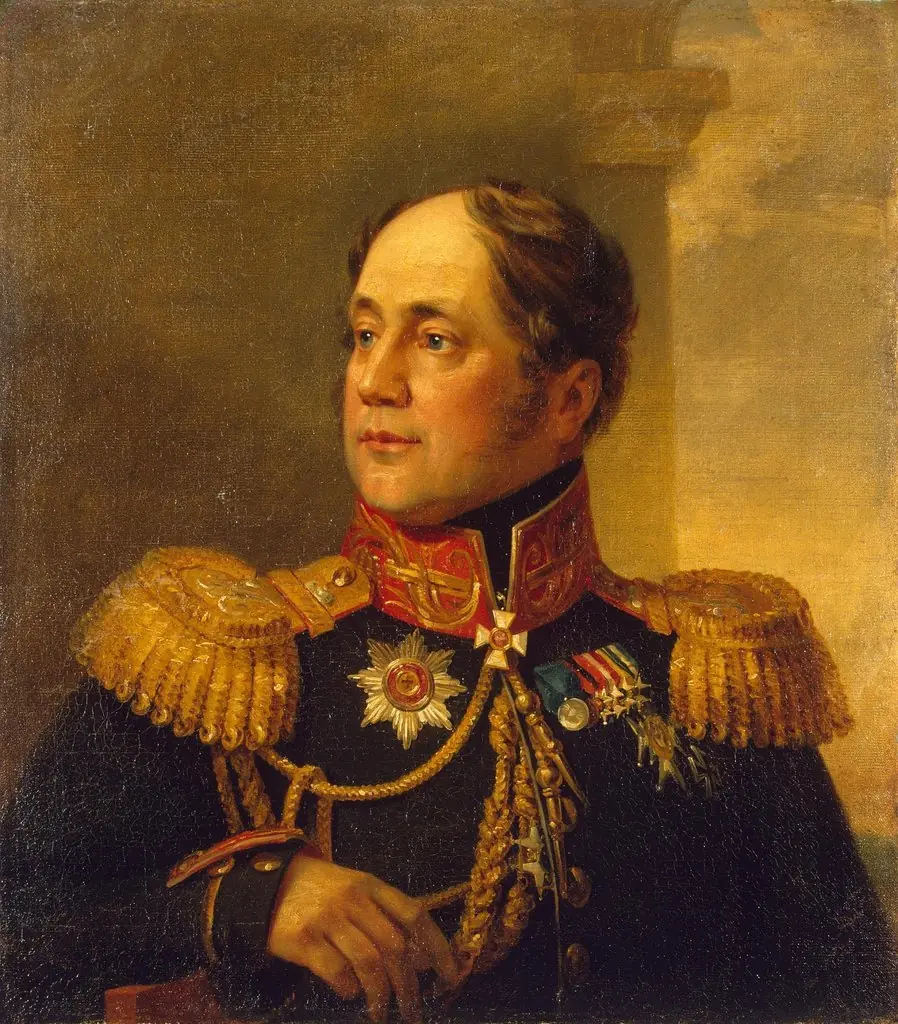 Portrait of Nikolai M. Sipyagin (1785-1828)
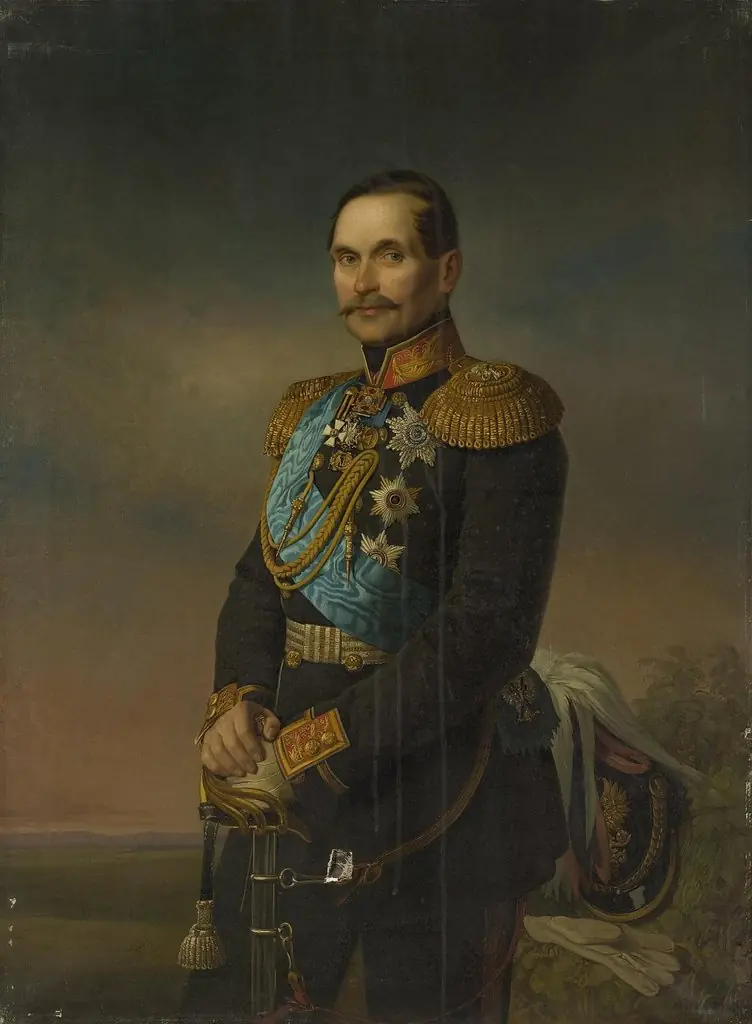 Portrait of Prince Vasily Dolgorukov
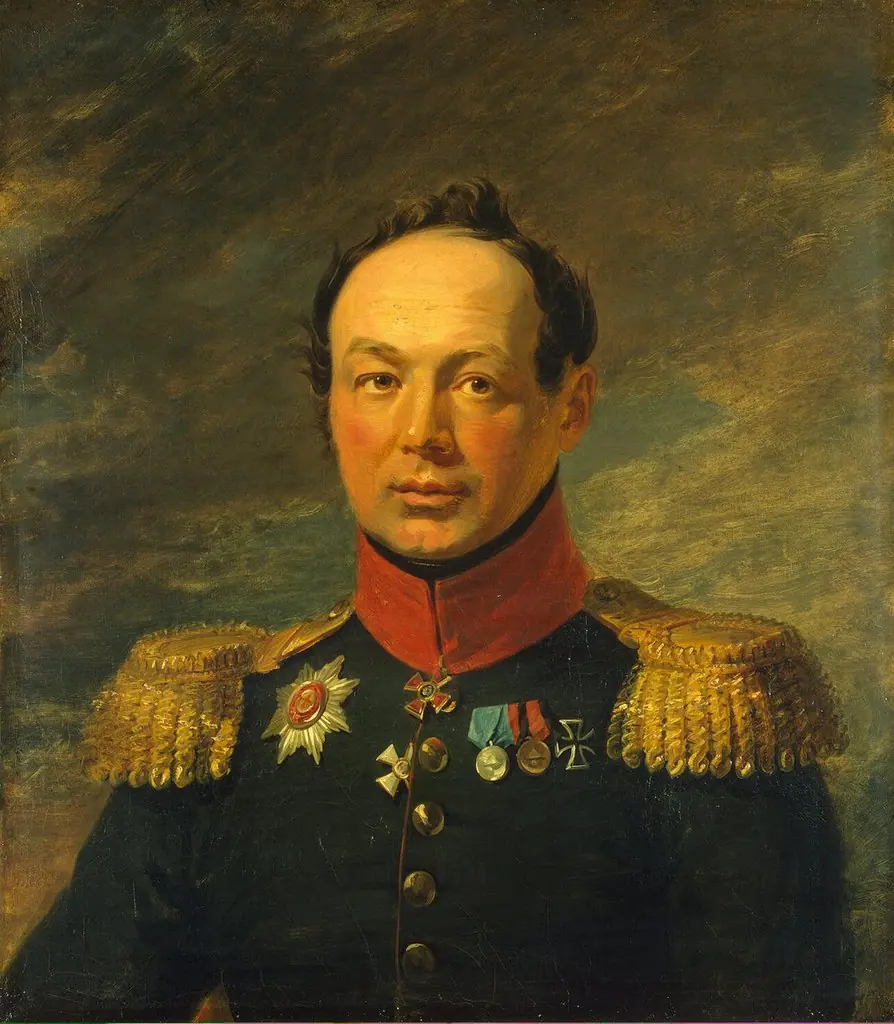 Portrait of Ivan A. Nabokov (1787-1852)
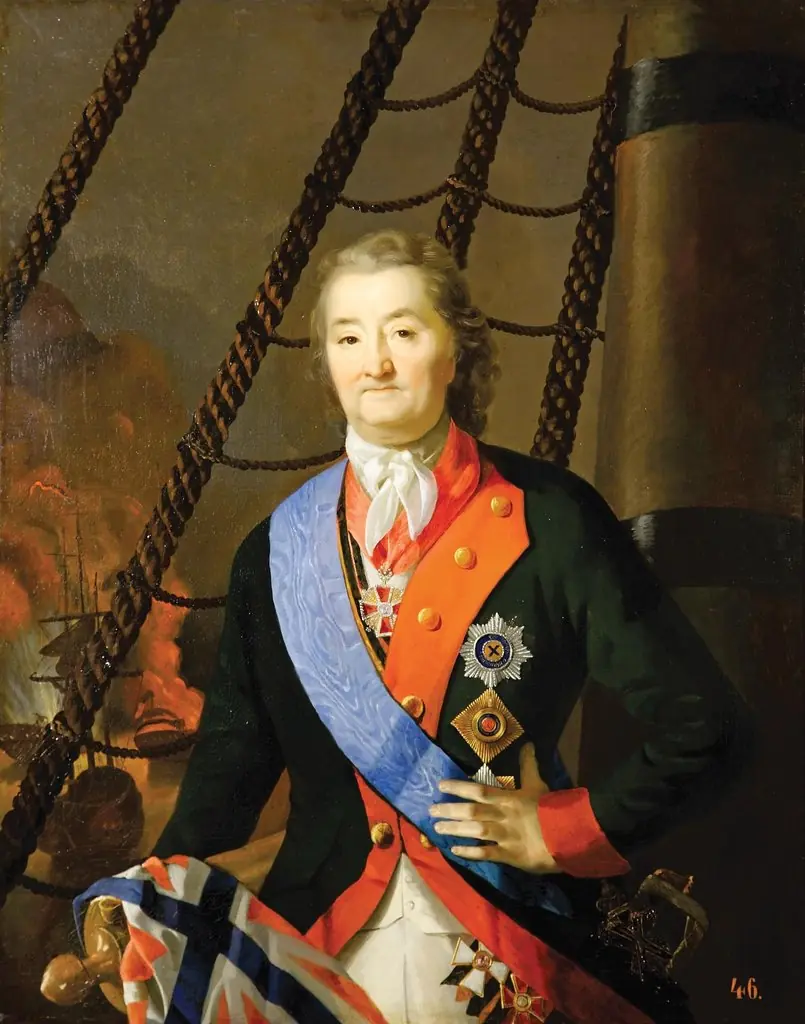 Portrait of Count Alexei Orlov Against a Background of the Chesme Battle
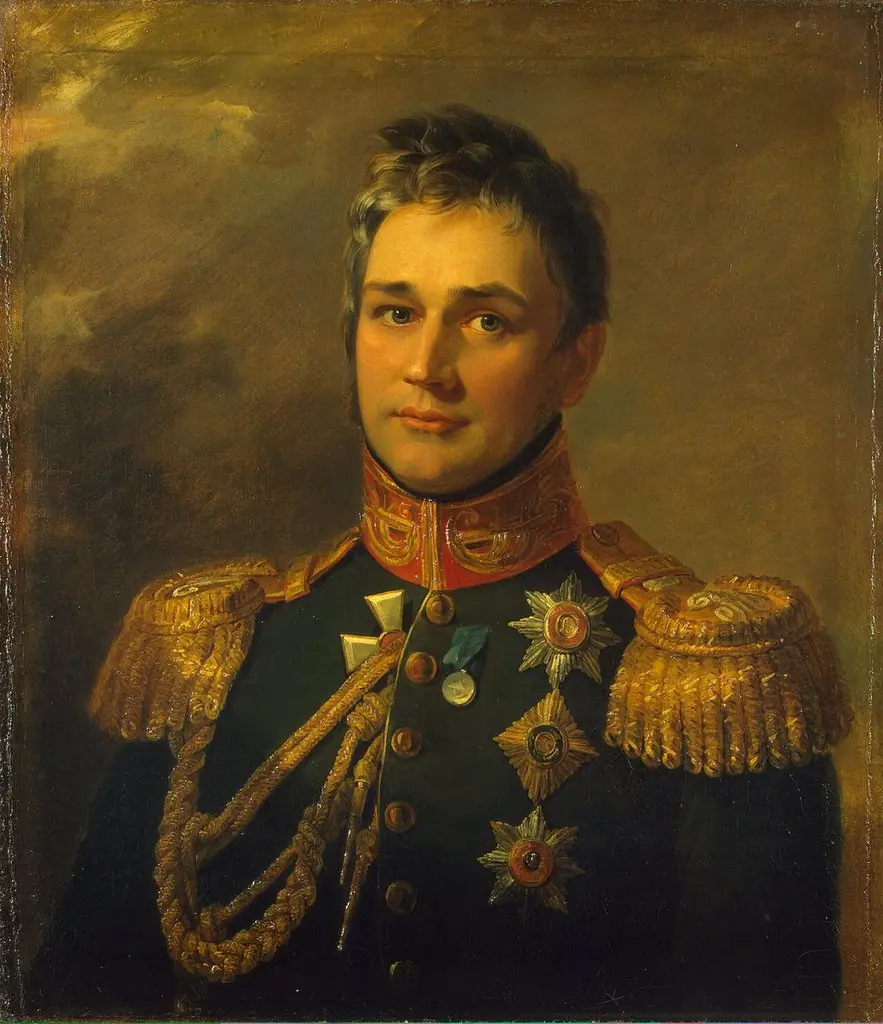 Portrait of Mikhail S. Vorontsov (1782-1856)
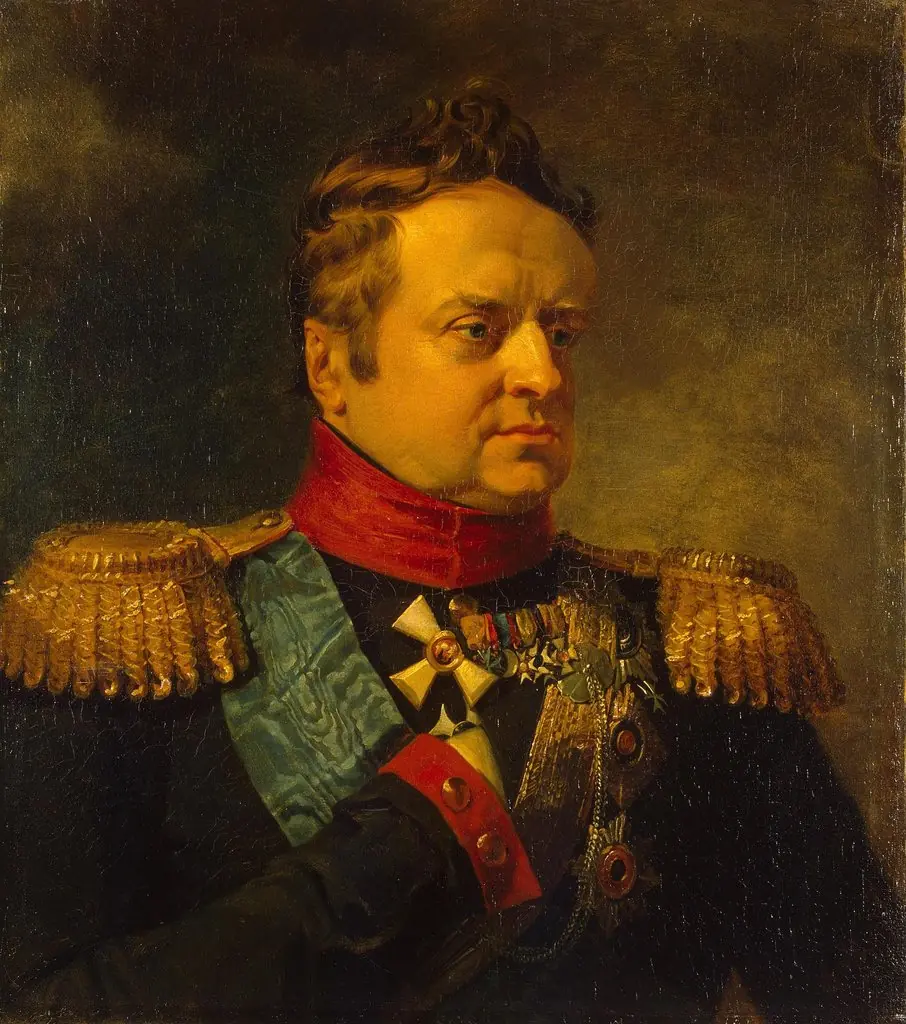 Portrait of Alexander, Prince of Wurttemberg (1771-1833)
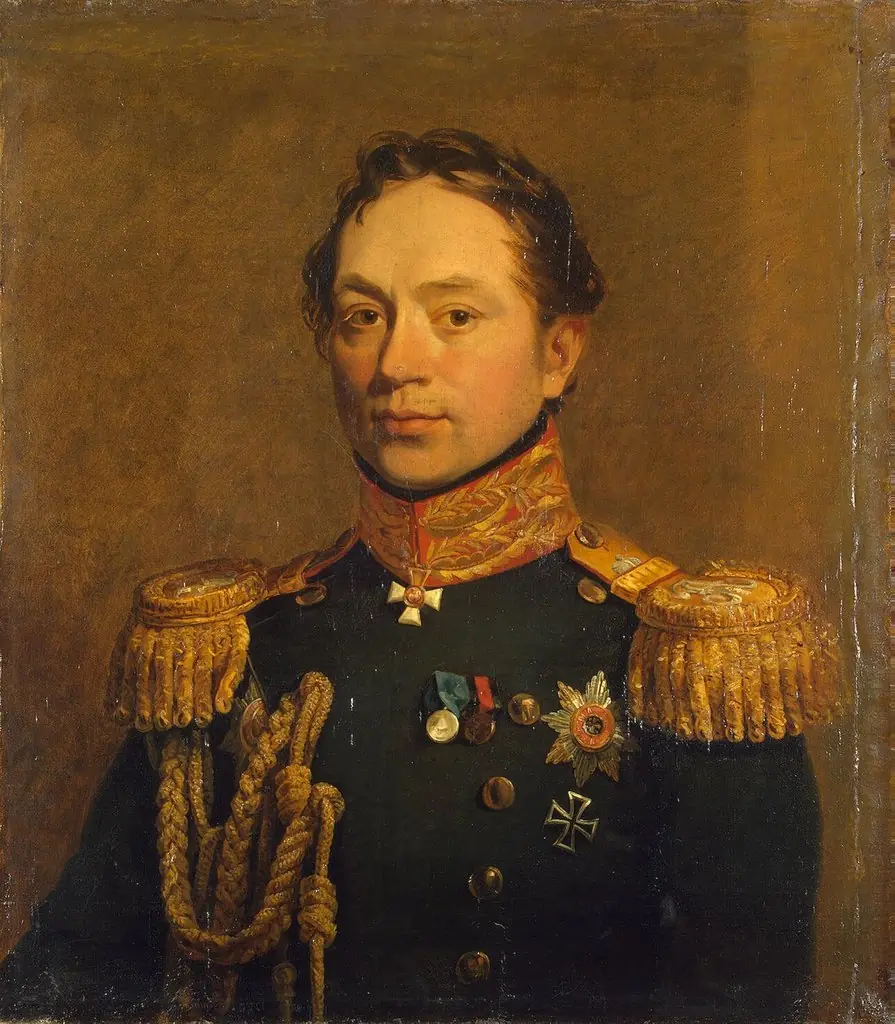 Portrait of Grigory V. Rosen (1782-1841) (1st)