Artwork
Portrait of Count A.V. Adlerberg II
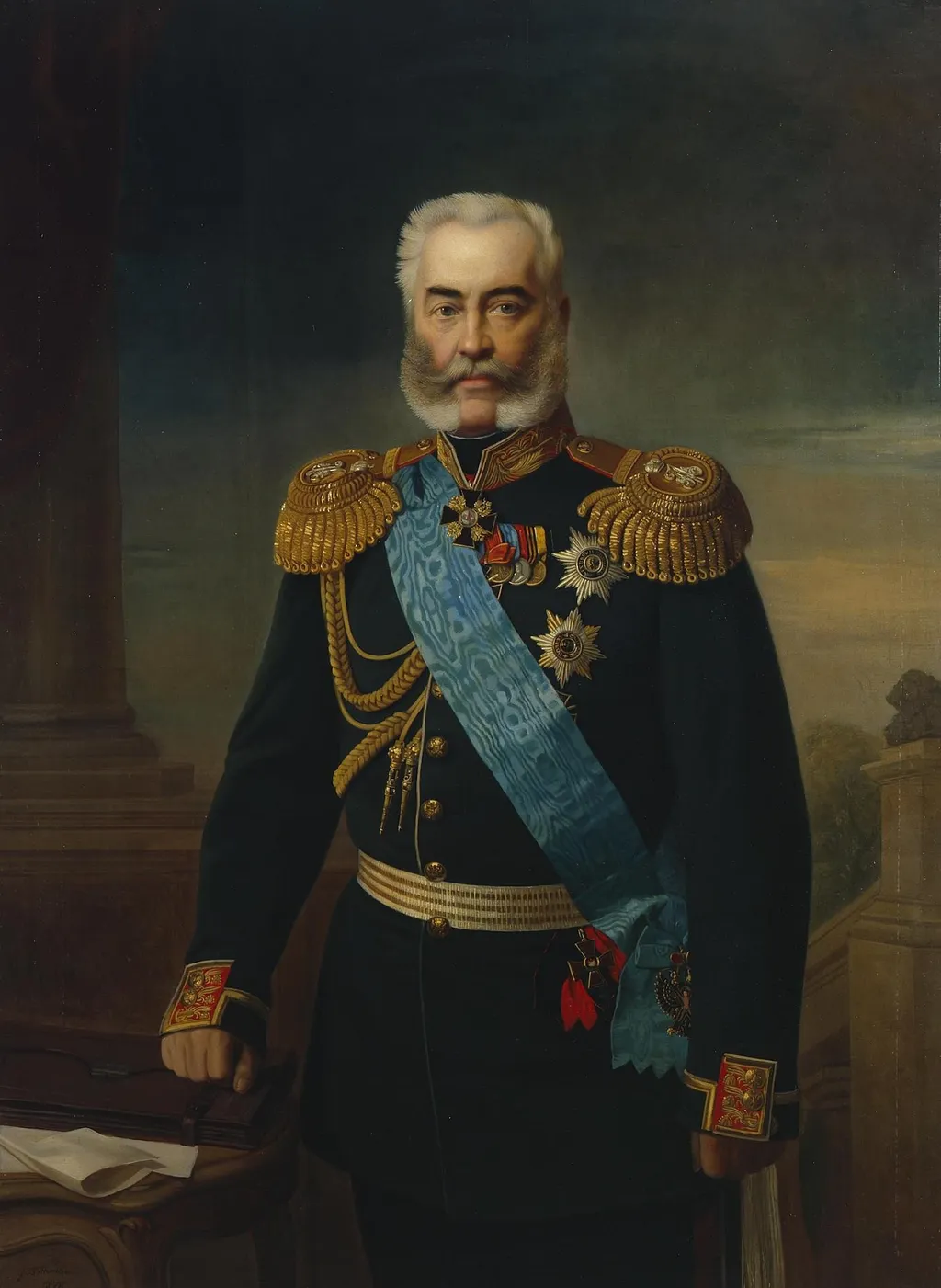
Portrait of Count A.V. Adlerberg II is an oil painting by the Realist artist Georg von Bothmann. It dates from 1890 and is held in the collection of the Hermitage Museum.
About this work
Overview
Painted in 1890 by Georg von Bothmann, this oil portrait depicts Count A.V. Adlerberg II, a Russian nobleman and military figure. The work is part of the State Hermitage Museum’s collection in Saint Petersburg. Rendered with precision and restraint, the painting captures the subject in formal attire, emphasizing his status through composition and detail rather than overt grandeur.
Subject & Meaning
Count Adlerberg II is portrayed in a dark military uniform embellished with gold embroidery and medals, signaling his high rank and service.
Count Adlerberg II is portrayed in a dark military uniform embellished with gold embroidery and medals, signaling his high rank and service. His white hair and composed posture convey authority and experience. The absence of symbolic objects or elaborate settings focuses attention on his bearing, suggesting a portrait intended to affirm dignity and social standing rather than narrate personal achievement.
Technique & Style
Bothmann employs controlled chiaroscuro to model the count’s face and uniform, enhancing volume and texture. The dark, neutral background isolates the figure, directing focus to the intricate rendering of fabric, metal, and skin. Brushwork is refined but not ornate, favoring clarity and realism over theatricality. The lighting is even and directional, avoiding dramatic contrasts while still lending three-dimensionality.
History & Provenance
The portrait entered the Hermitage’s collection shortly after its completion, likely through imperial or aristocratic channels. Bothmann, a Baltic-German artist active in Russia, was known for official portraits of the nobility. The painting’s preservation in a state collection suggests it was valued as a record of elite identity during the late imperial period.
Context
In late 19th-century Russia, portraiture served as a tool for affirming social hierarchy. Military uniforms, especially those adorned with honors, were potent symbols of loyalty and status. Bothmann’s approach reflects the era’s preference for restrained realism among court painters, contrasting with the more expressive styles emerging in Western Europe at the time.
Legacy
While not widely exhibited outside Russia, the portrait remains a representative example of aristocratic portraiture from the final decades of the Russian Empire. It contributes to the Hermitage’s broader documentation of imperial visual culture. Bothmann’s body of work, though less known today, offers insight into the conventions of elite representation in a rapidly changing society.
Own this work as a print
Artist & collection

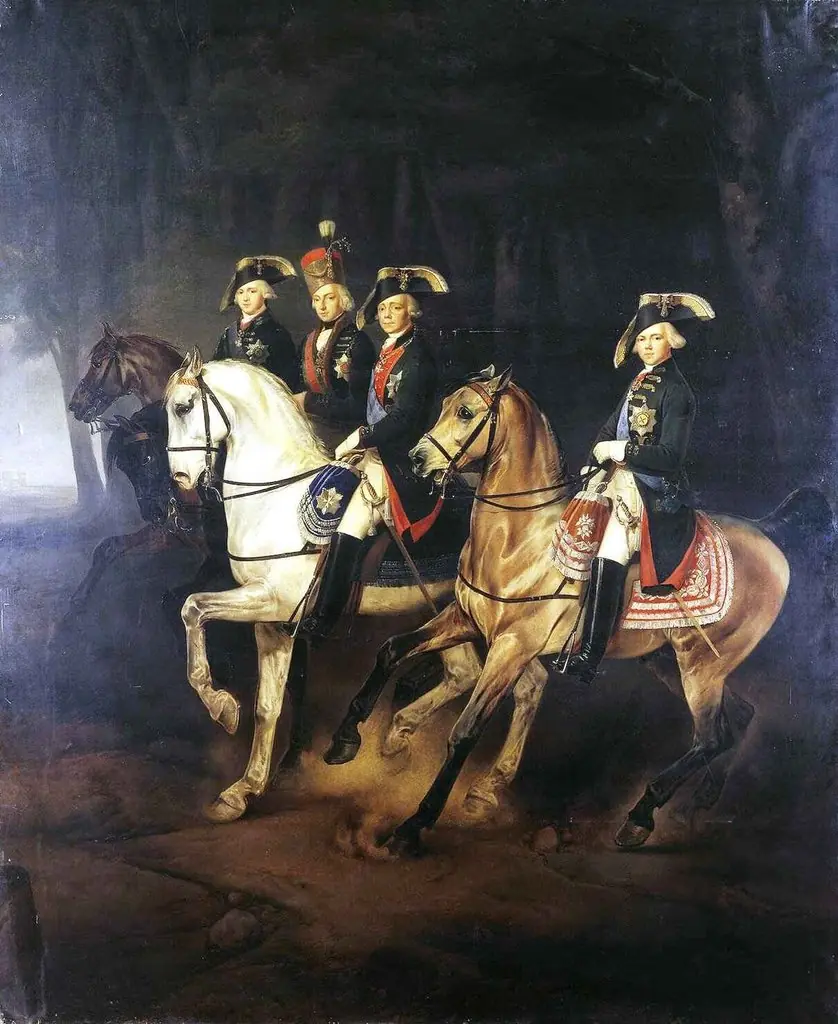 Equestrian Portrait of Emperor Paul I with his Sons and Joseph I, King of Hungary
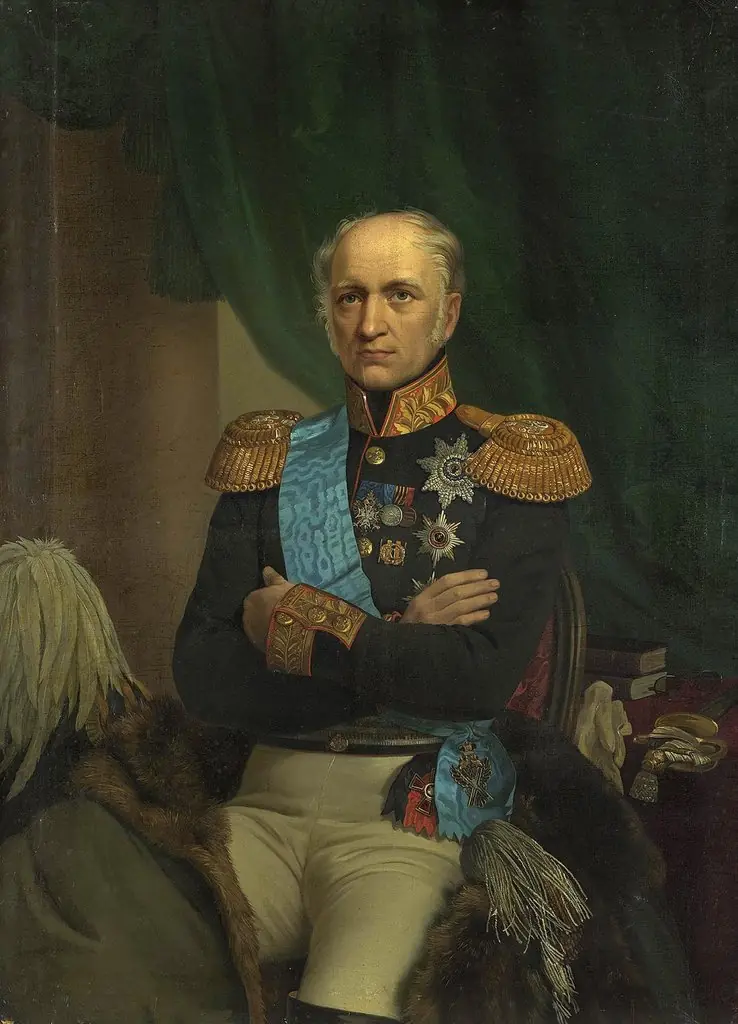 Portrait of Ye. F. Kankrin
 Portrait of Emperor Alexander II
 Portrait of Prince M.D. Gorchakov
 Portrait of Karl Nesselrode
 Portrait of Grand Duke Mikhail Nikolaevich
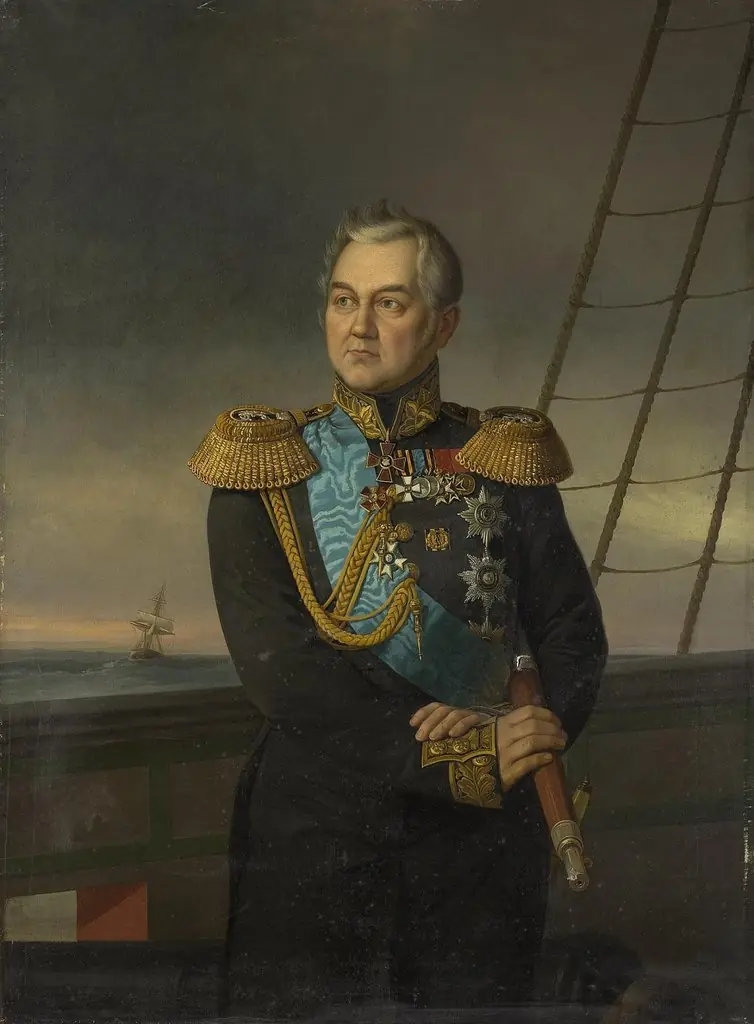 Portrait of Admiral Mikhail Lazarev
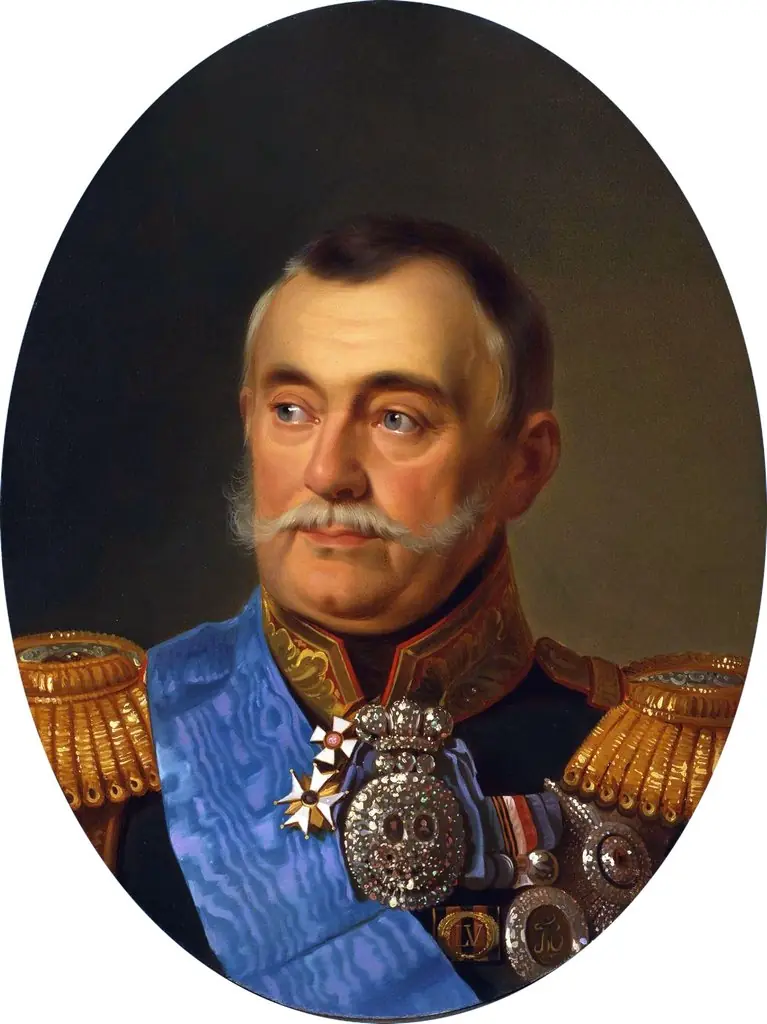 Portrait of the Minister of the Court of Prince Volkonsky
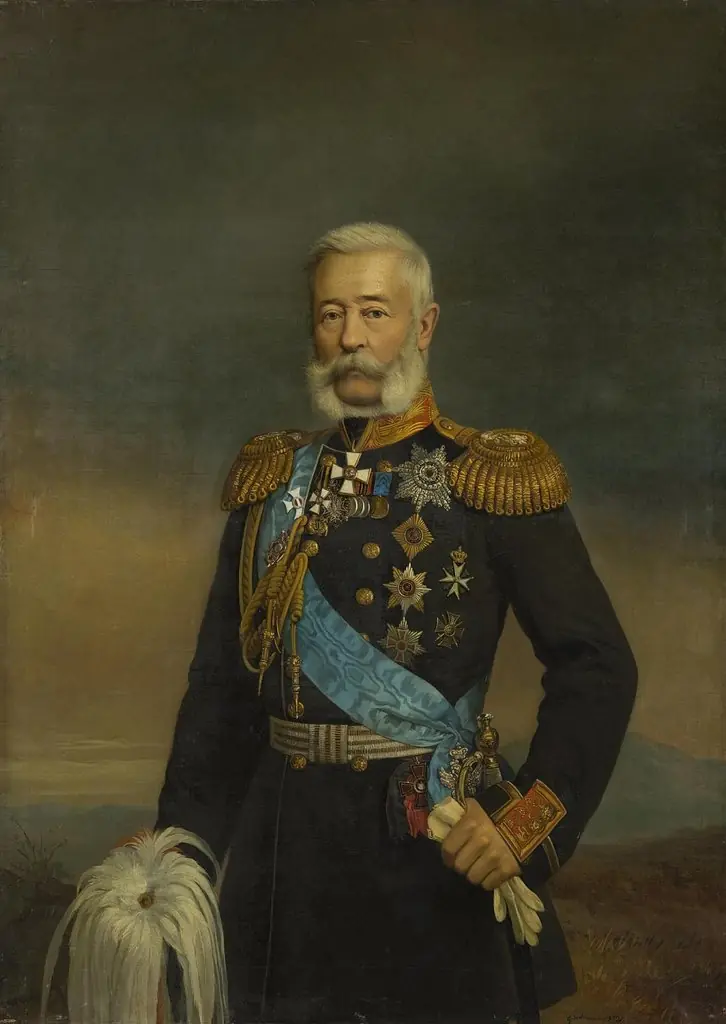 Portrait of Adjutant-General Alexander Liders
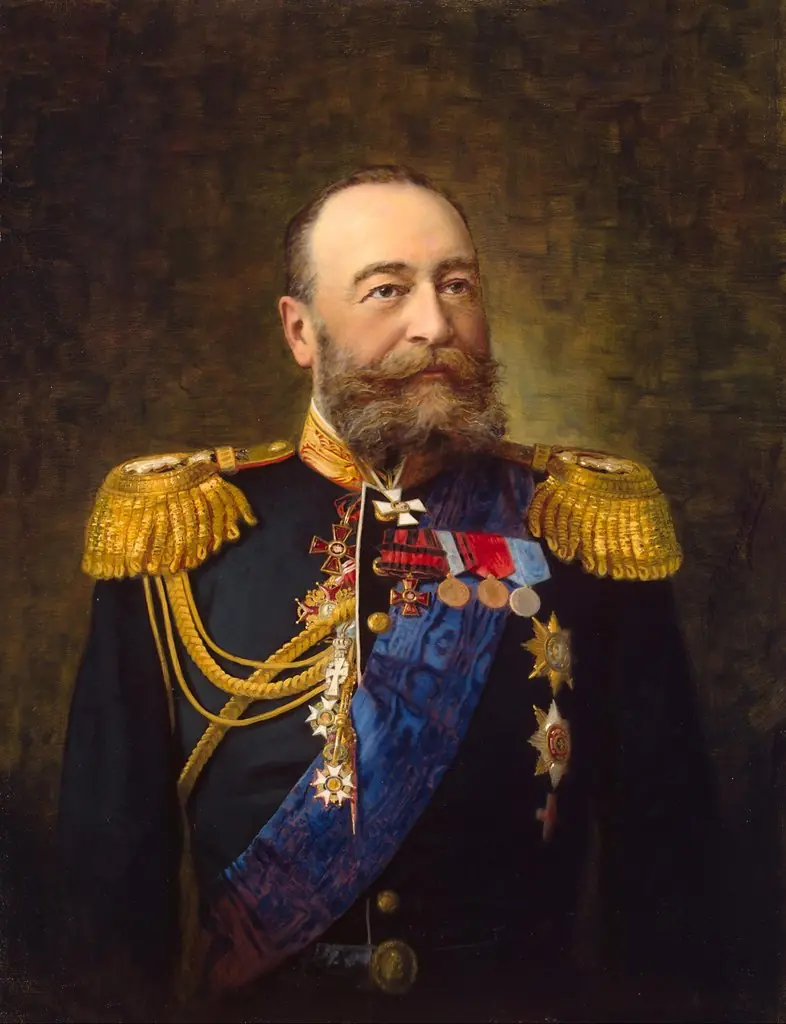 Portrait of Admiral E. I. Alexeyev
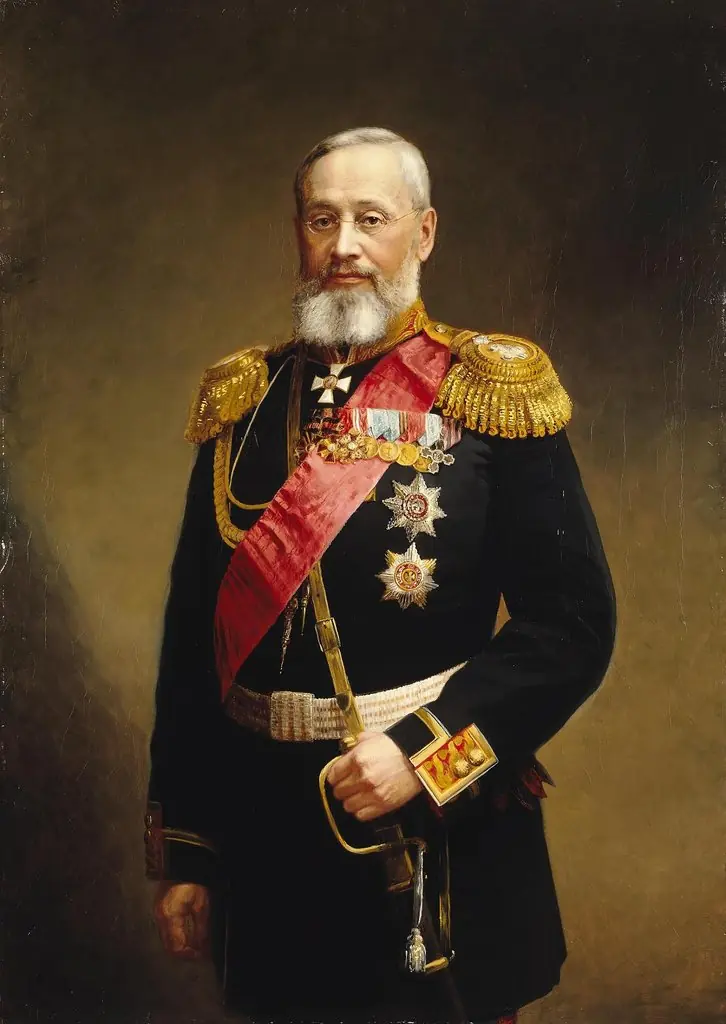 Portrait of Piotr Vannovsky
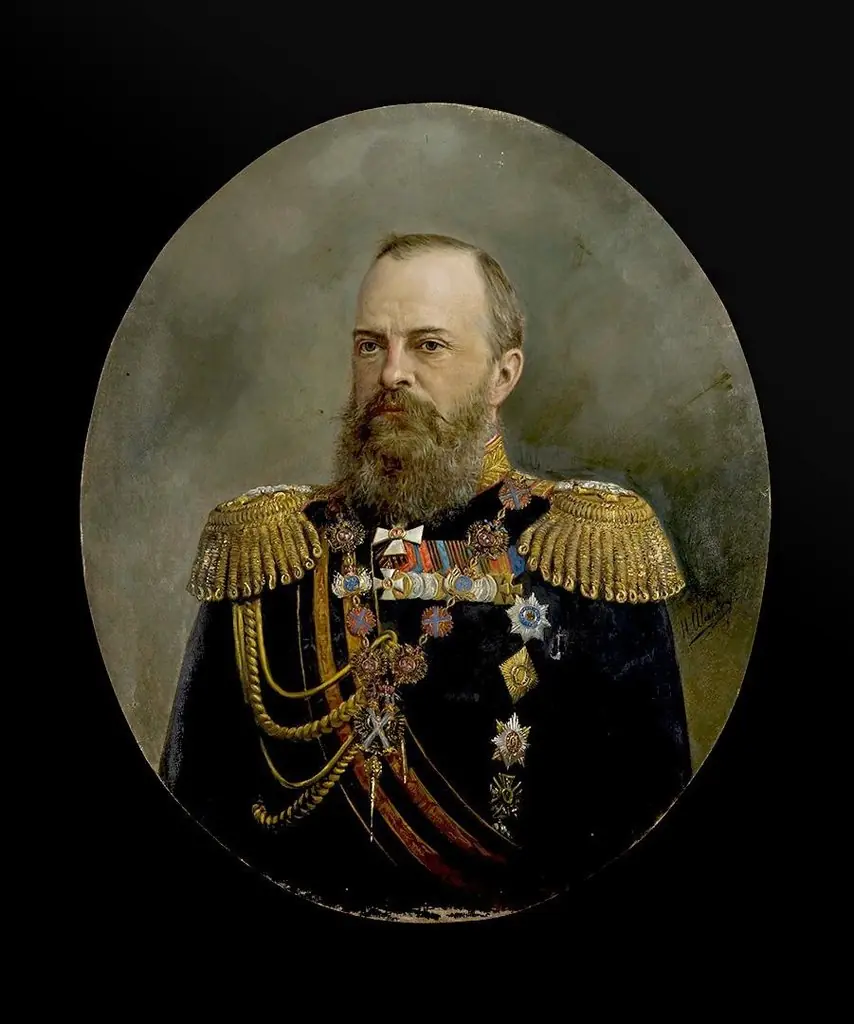 Portrait of Grand Duke Mikhail Nikolayevich
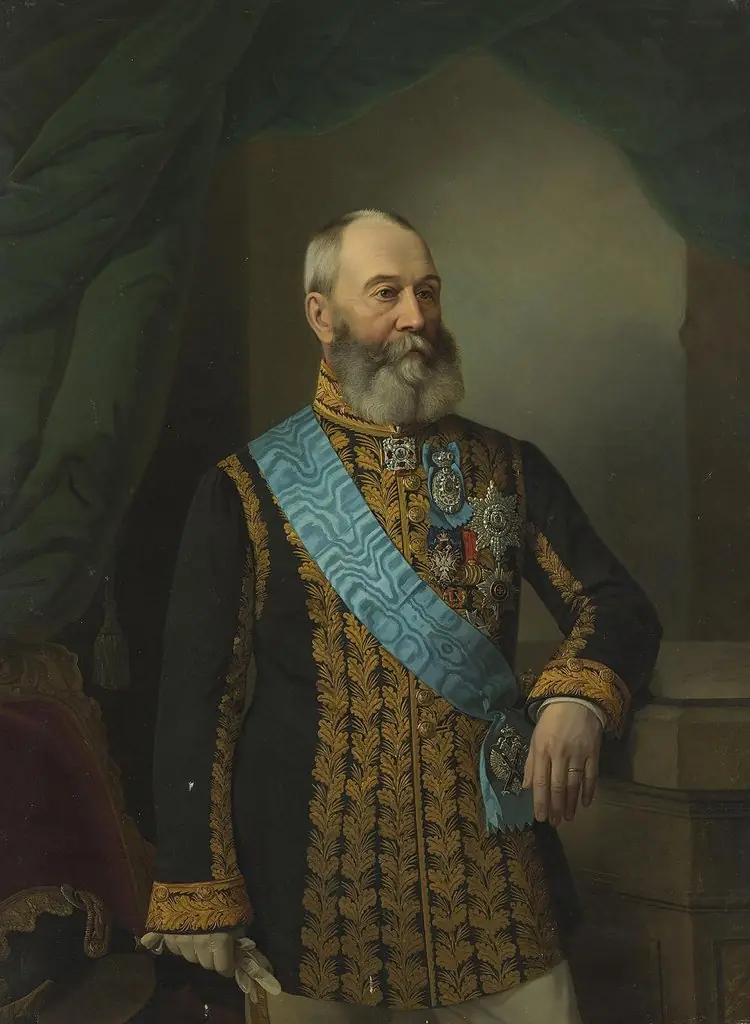 Portrait of P.P. Gagarin
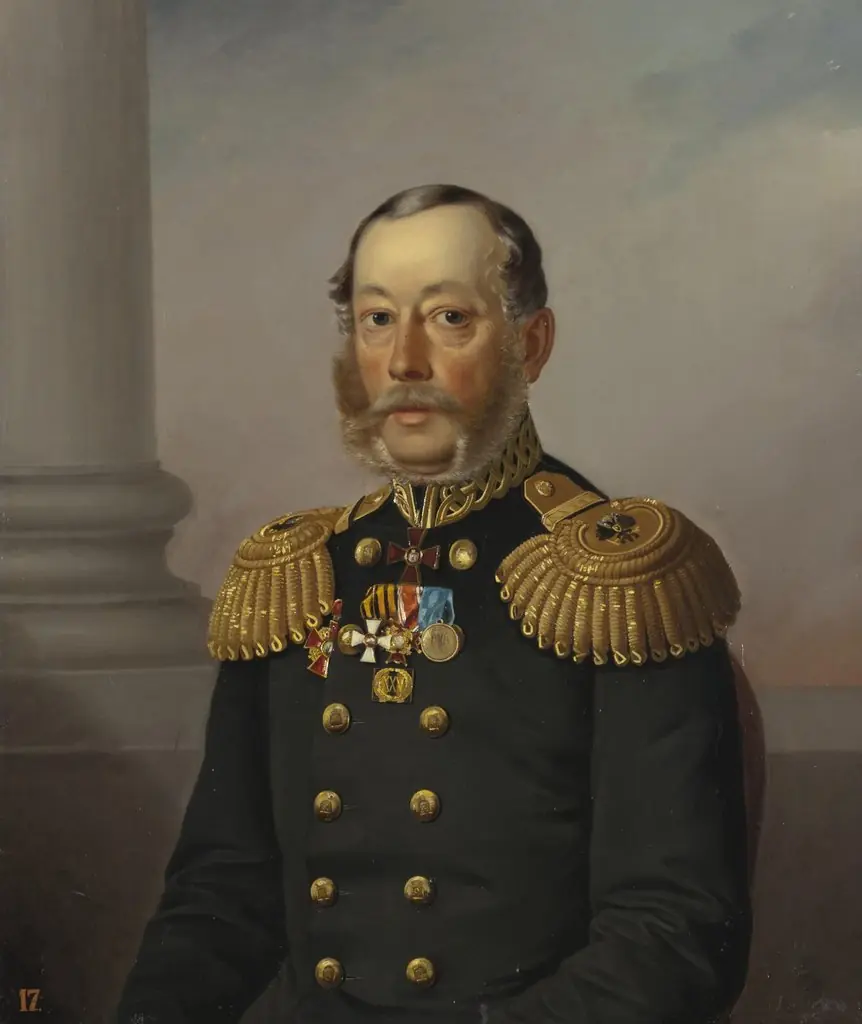 Portrait of S.S. Nakhimov
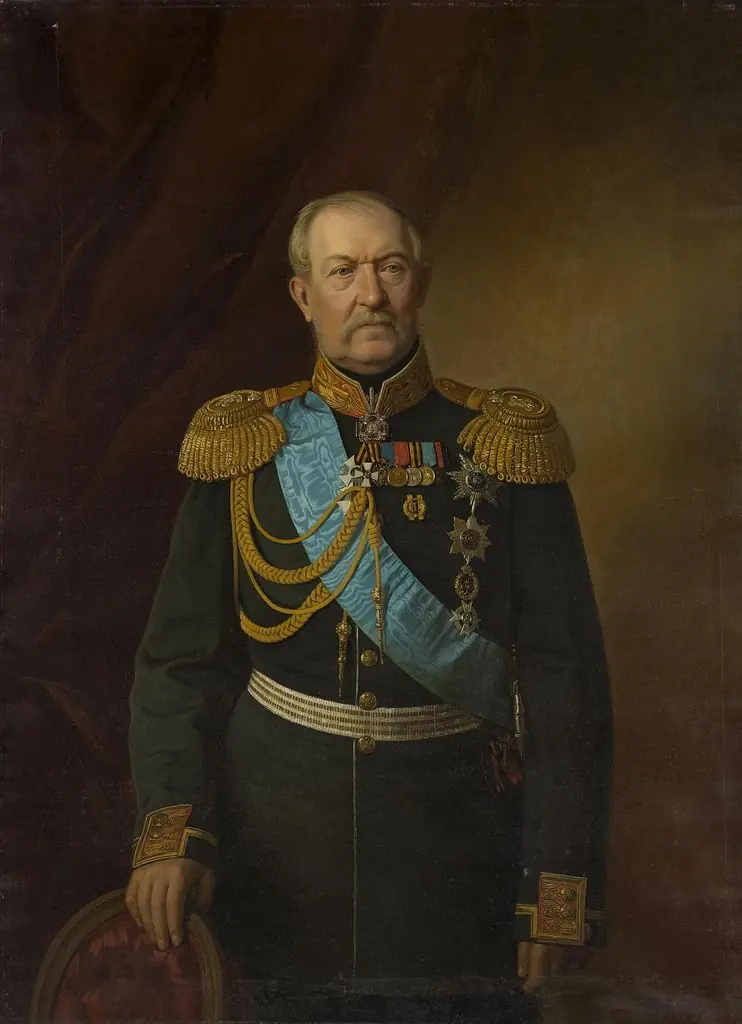 Portrait of Pavel Ignatyev
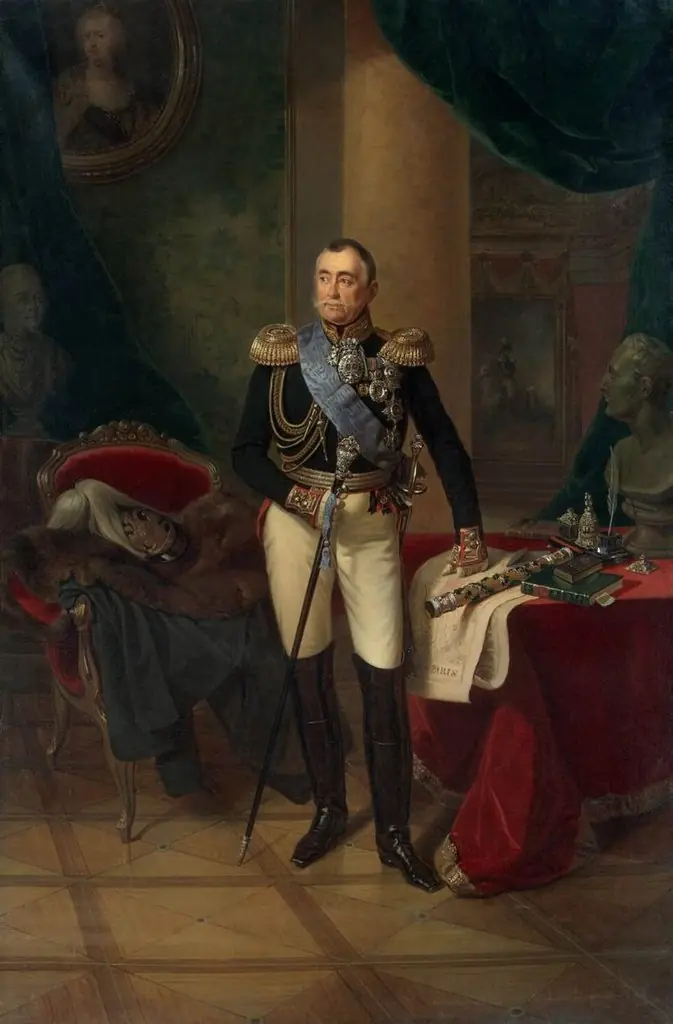 Portrait of Prince Pyotr Volkonsky
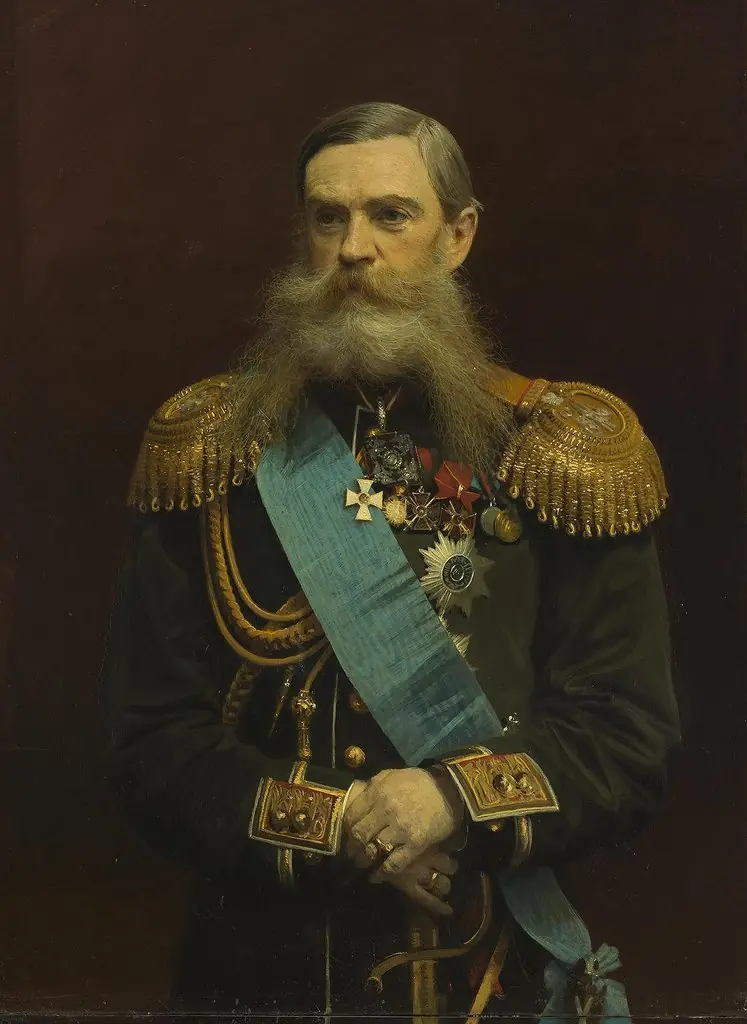 Portrait of Count Frederick Maurice van Heiden
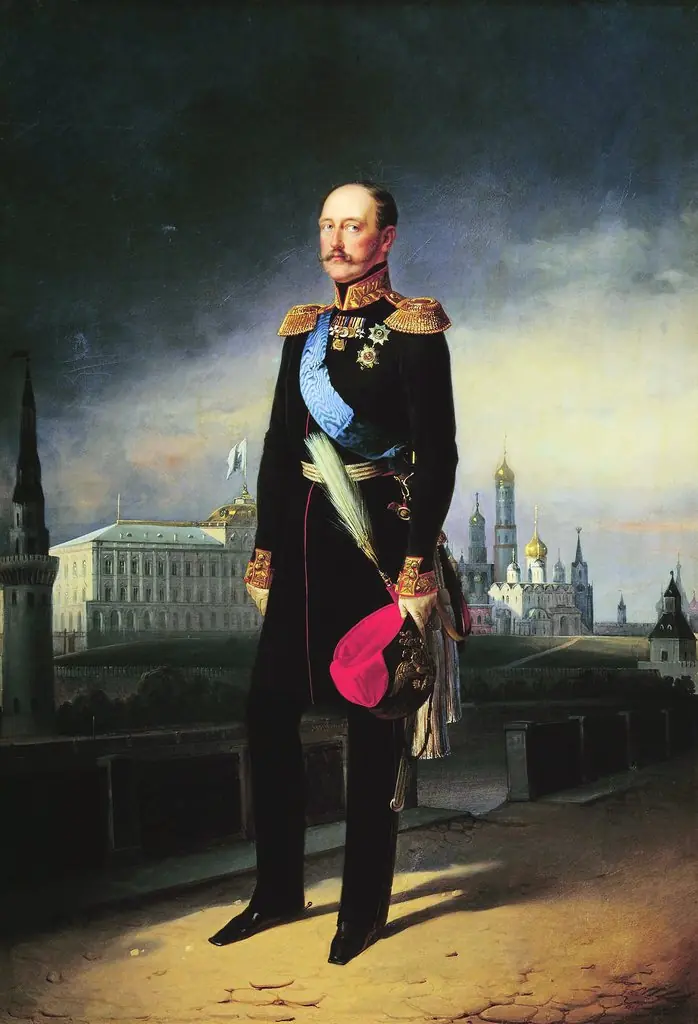 Portrait of Emperor Nicholas I