Artwork
Portrait of Prince A.M. Gorchakov
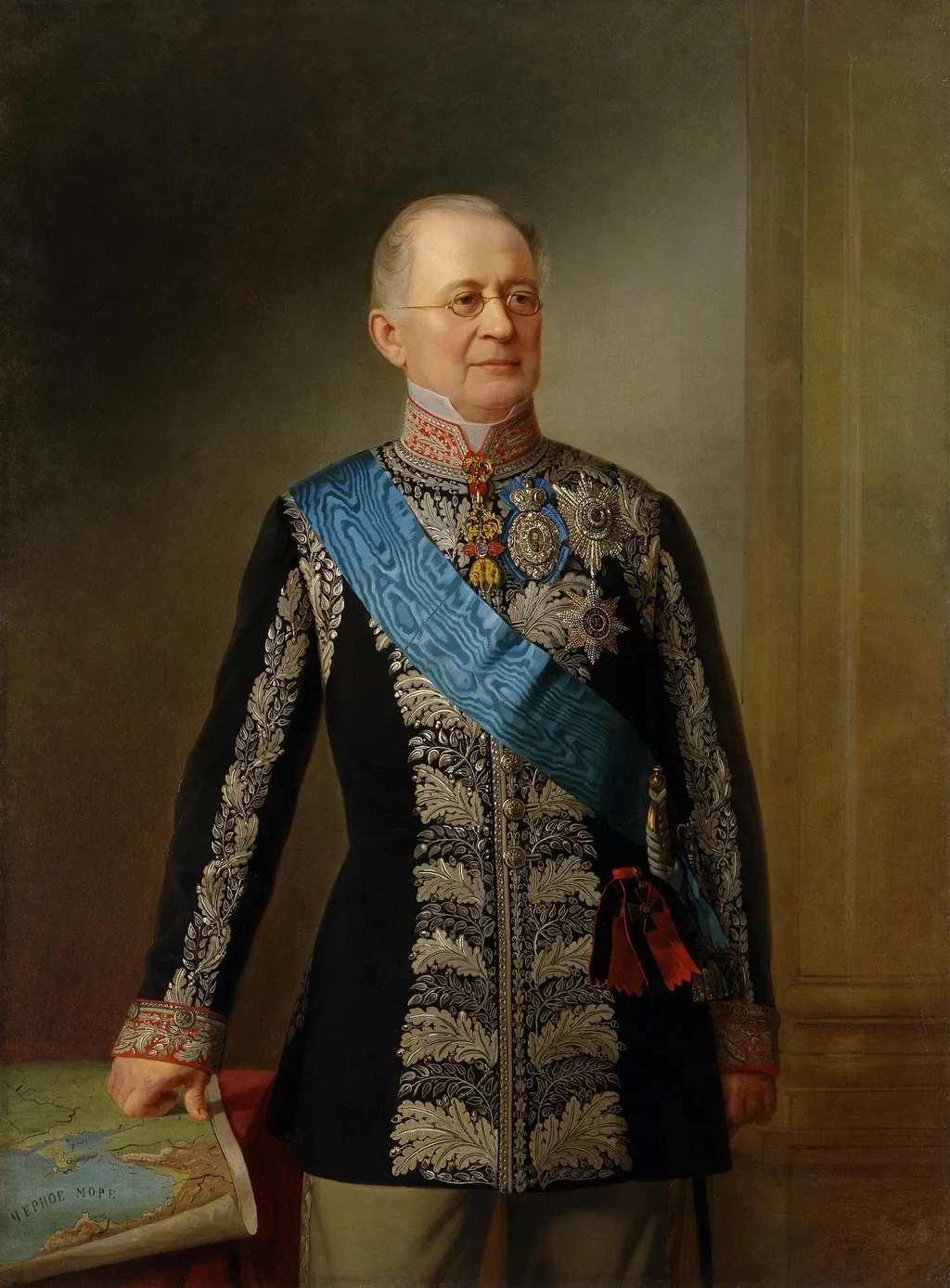
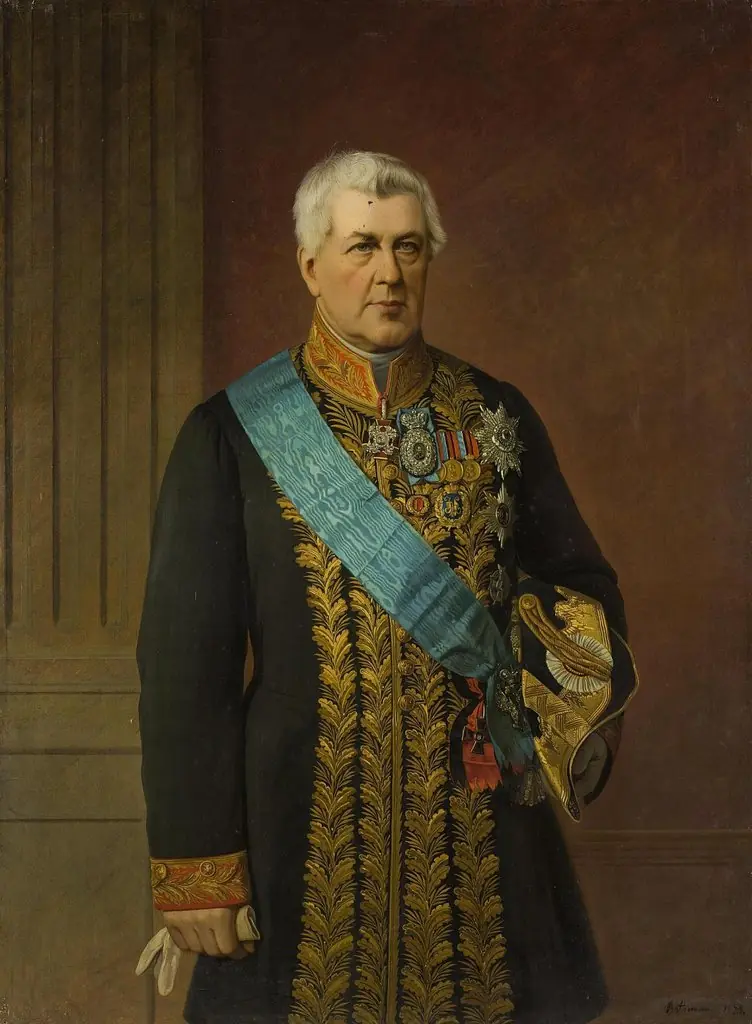
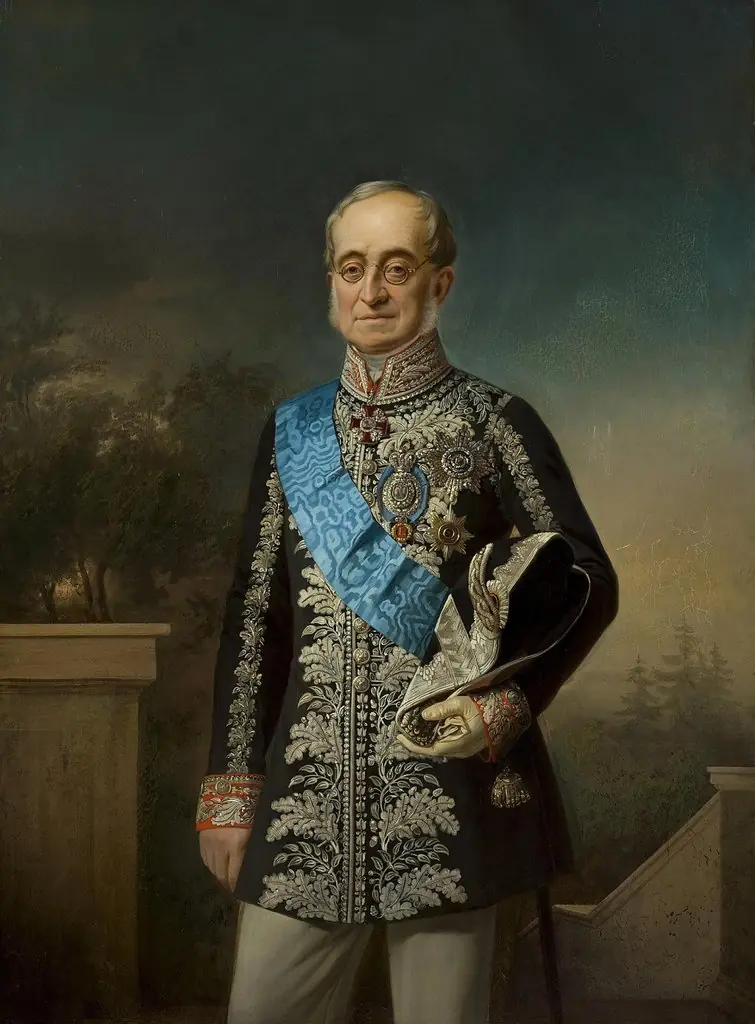
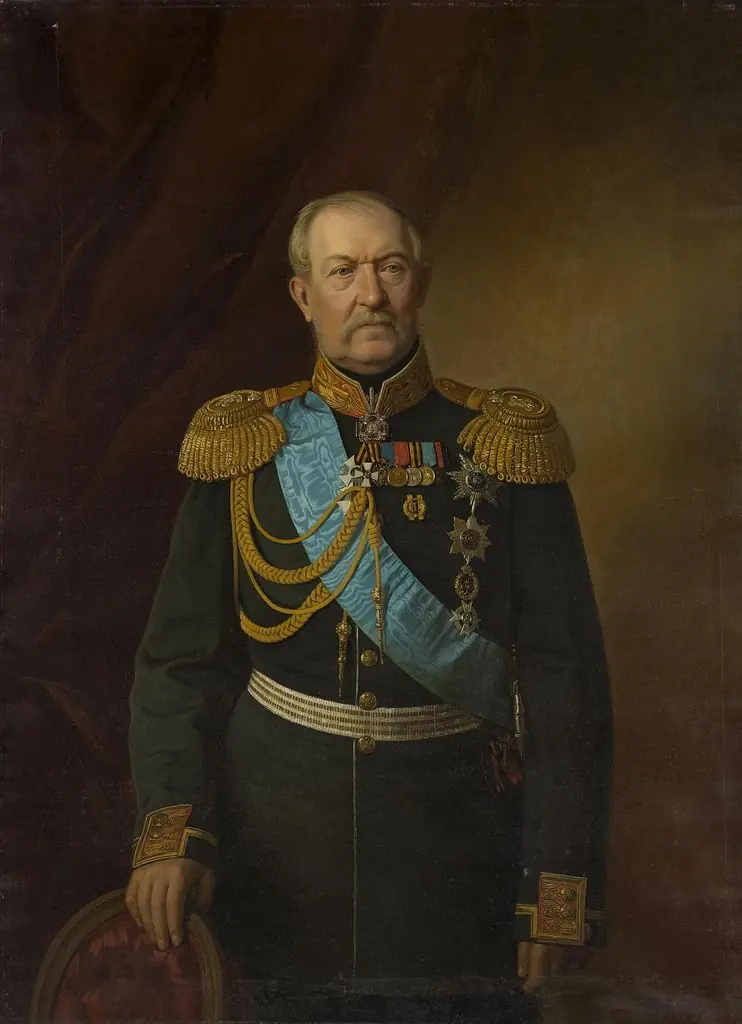
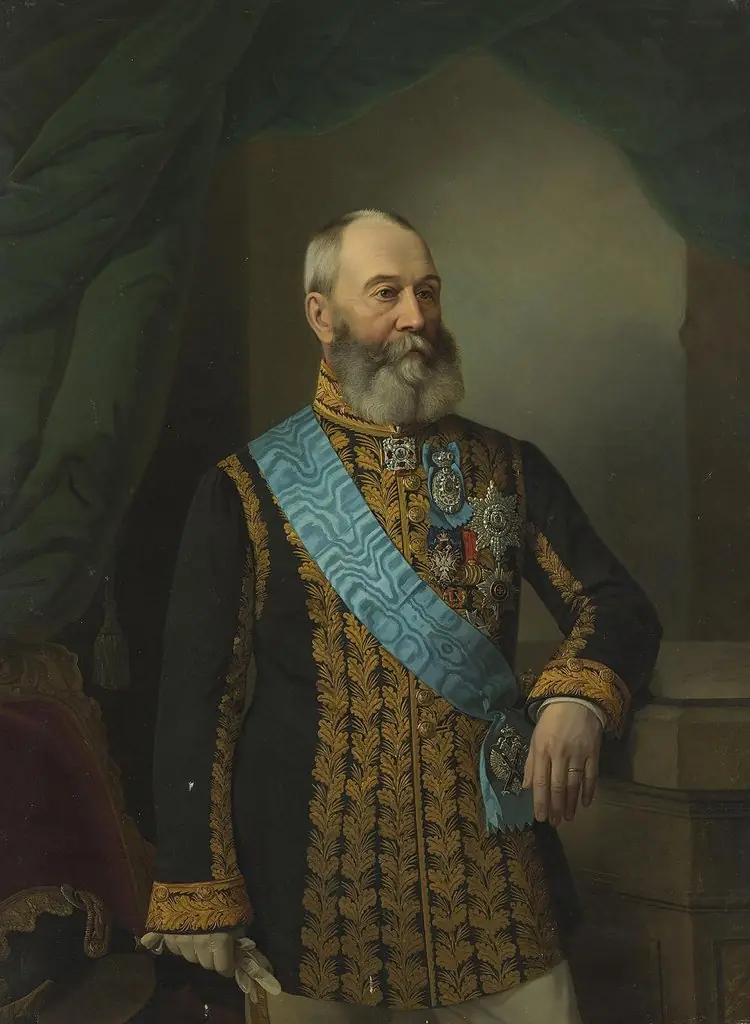
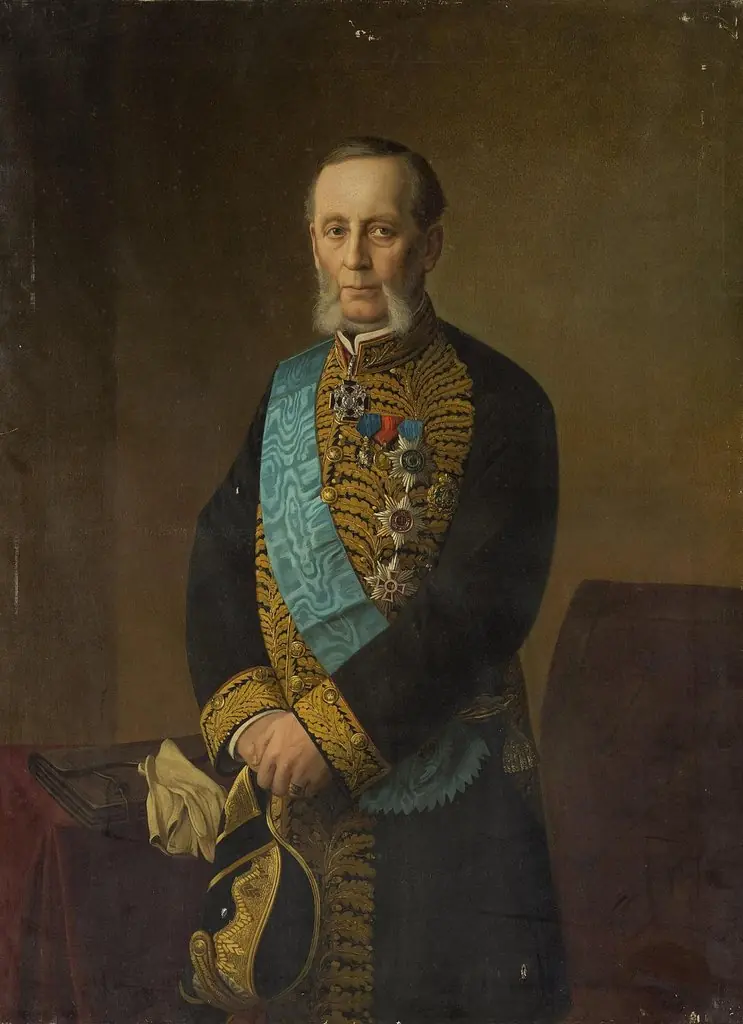
Portrait of Prince A.M. Gorchakov is an oil painting by the Realist artist Georg von Bothmann. It dates from 1874 and is held in the collection of the Hermitage Museum.
About this work
Overview
Painted in 1874 by Georg von Bothmann, this oil portrait depicts Prince Alexander Mikhailovich Gorchakov, a prominent Russian statesman.
Painted in 1874 by Georg von Bothmann, this oil portrait depicts Prince Alexander Mikhailovich Gorchakov, a prominent Russian statesman. The work is part of the State Hermitage Museum’s collection in Saint Petersburg. Rendered with restrained elegance, the painting captures Gorchakov in full ceremonial attire, standing against a deep, neutral backdrop that emphasizes his presence without distraction.
Subject & Meaning
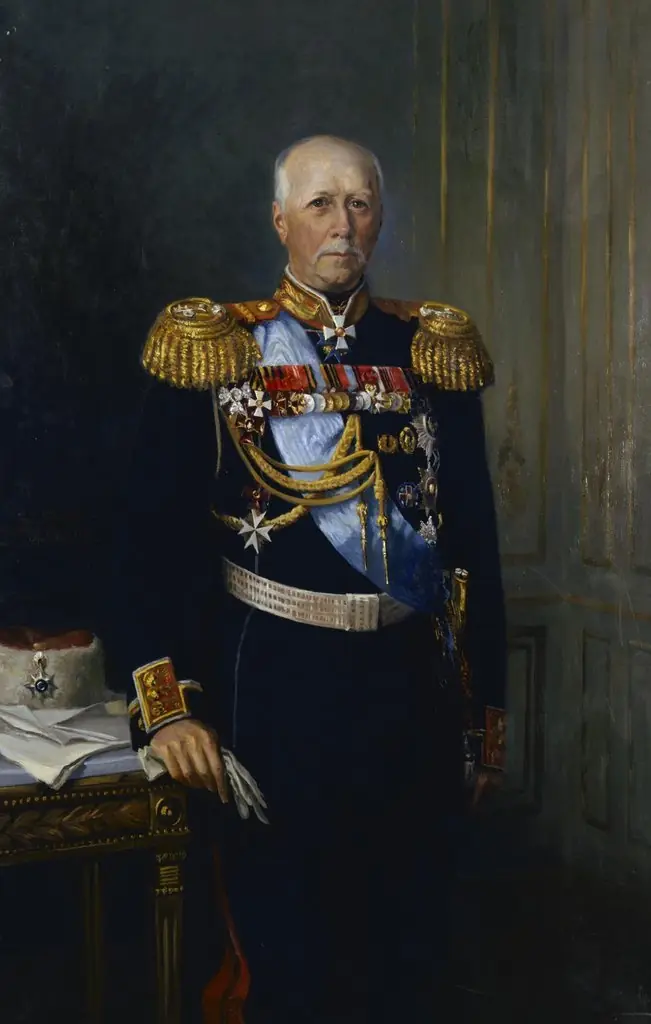
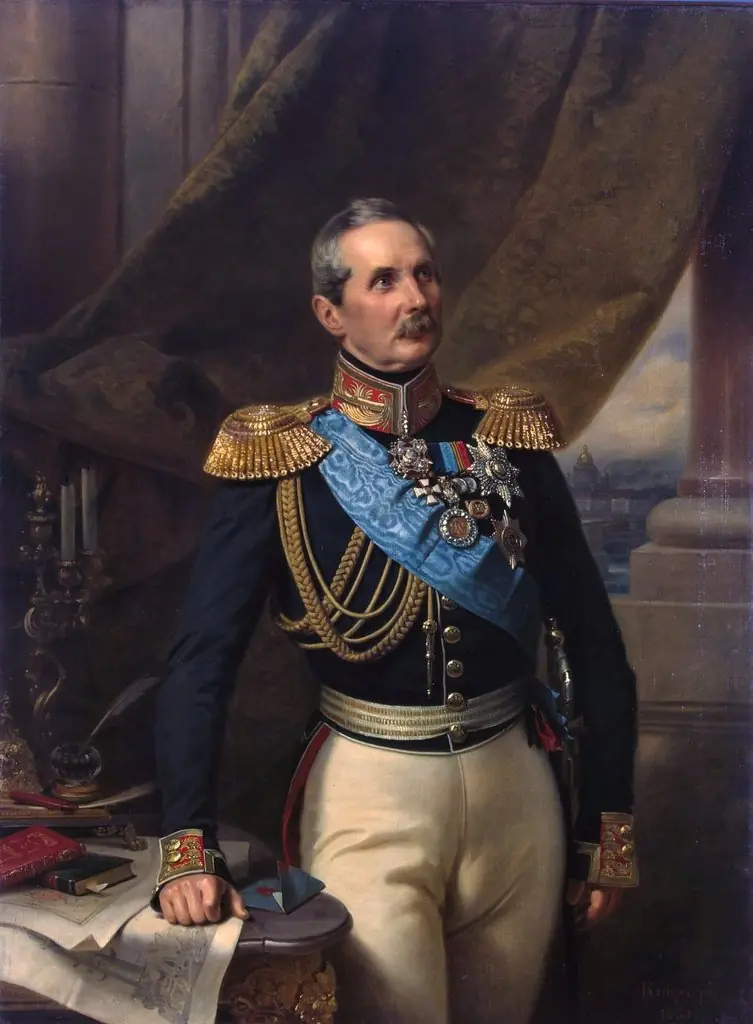
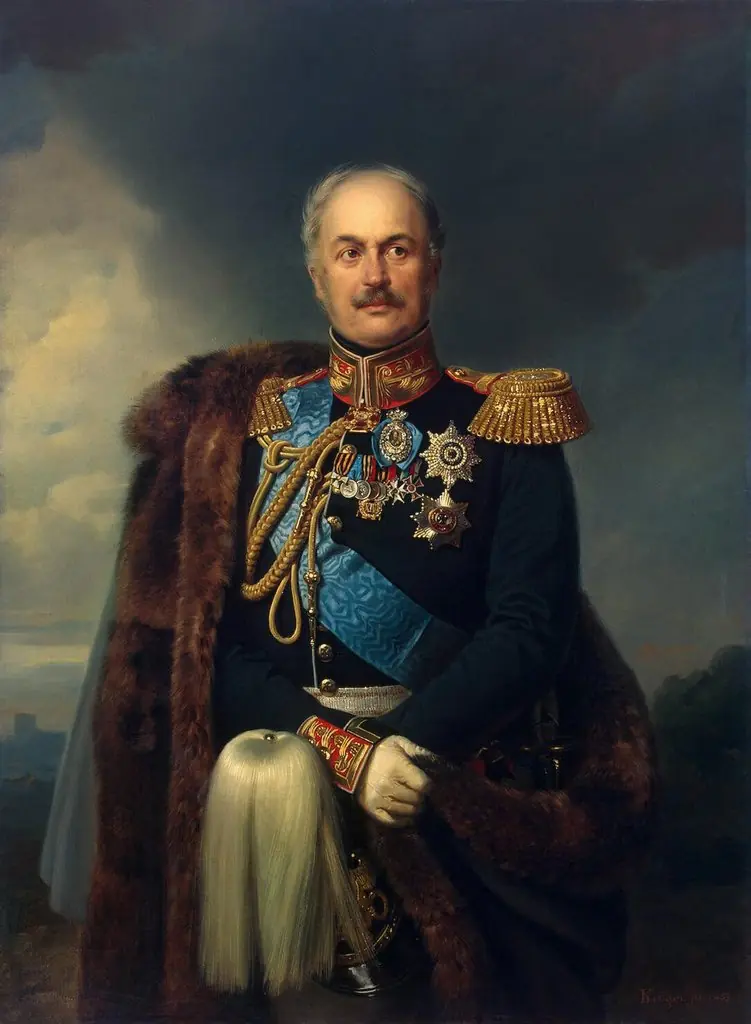
Prince Gorchakov, former Chancellor of the Russian Empire, is portrayed as a figure of authority and composure. His ornate military uniform, adorned with gold embroidery and a blue sash, signals his high rank and state service. The rolled document in his hand likely represents diplomatic or governmental duties, reinforcing his role as a key architect of Russia’s foreign policy during the mid-19th century.
Technique & Style
Bothmann employs a muted palette and careful modulation of light to convey texture and form. The rich blacks of the coat contrast subtly with the metallic gleam of medals and embroidery, while the face is rendered with soft, even tones that suggest calm authority. The background recedes into shadow, focusing attention on the subject’s poised stance and dignified expression.
History & Provenance
Commissioned during Gorchakov’s later years, the portrait was likely intended to commemorate his service to the Russian state. It entered the Hermitage’s collection shortly after its completion, possibly through imperial acquisition. The painting has remained in the museum’s holdings since the 19th century, preserved as part of its historical portraiture archive.
Context
Created in the aftermath of the Crimean War and during Russia’s diplomatic repositioning in Europe, the portrait reflects the era’s emphasis on state dignity and military honor. Gorchakov’s image aligns with the visual language of 19th-century European statesmanship, where uniforms and insignia served as symbols of institutional power rather than personal glory.
Legacy
The portrait endures as a quiet testament to Gorchakov’s political influence and the visual culture of imperial Russia. It exemplifies the restrained realism favored in official portraiture of the period, avoiding theatricality in favor of measured presence. Today, it contributes to scholarly understanding of how power was visually constructed in late imperial Russia.
Own this work as a print
Artist & collection

 Equestrian Portrait of Emperor Paul I with his Sons and Joseph I, King of Hungary
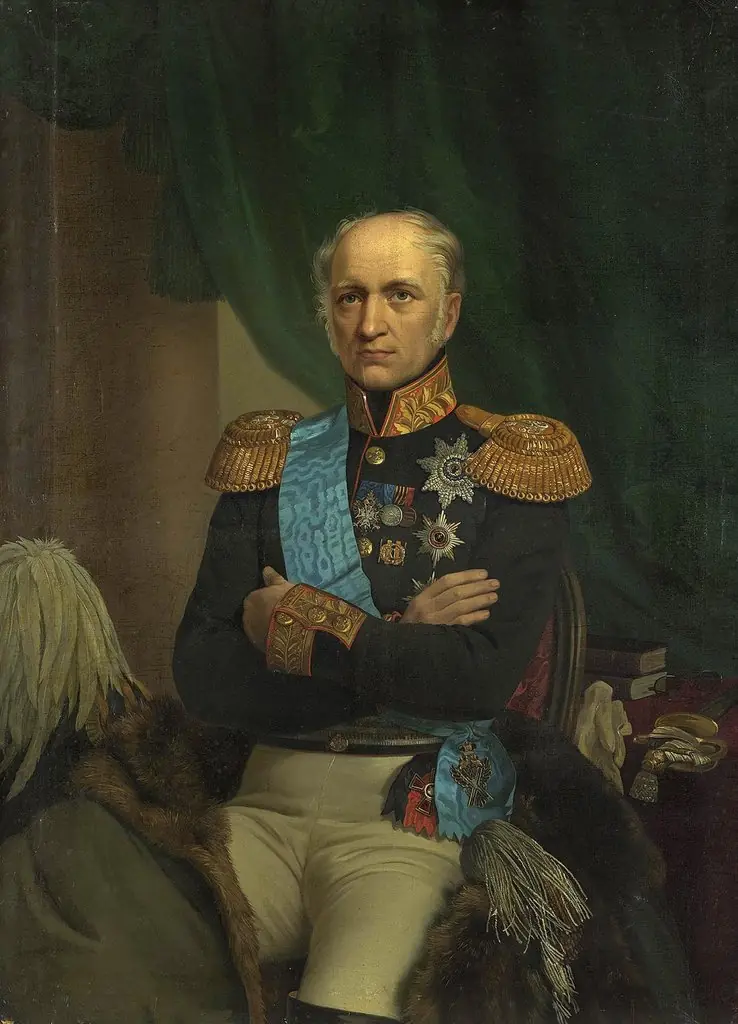 Portrait of Ye. F. Kankrin
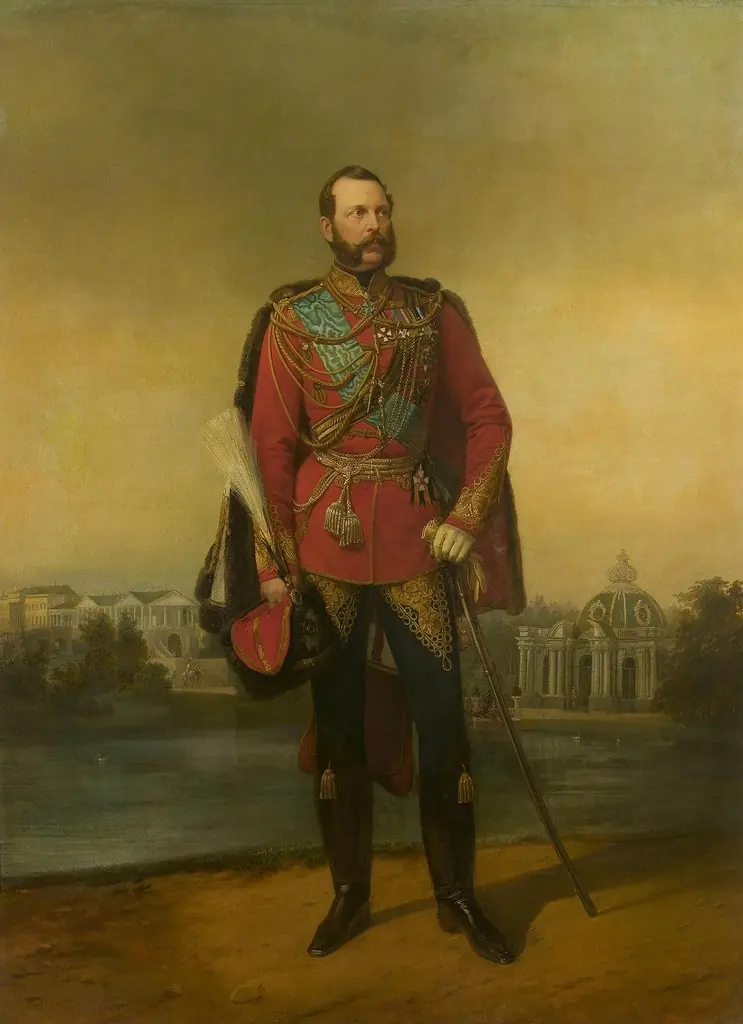 Portrait of Emperor Alexander II
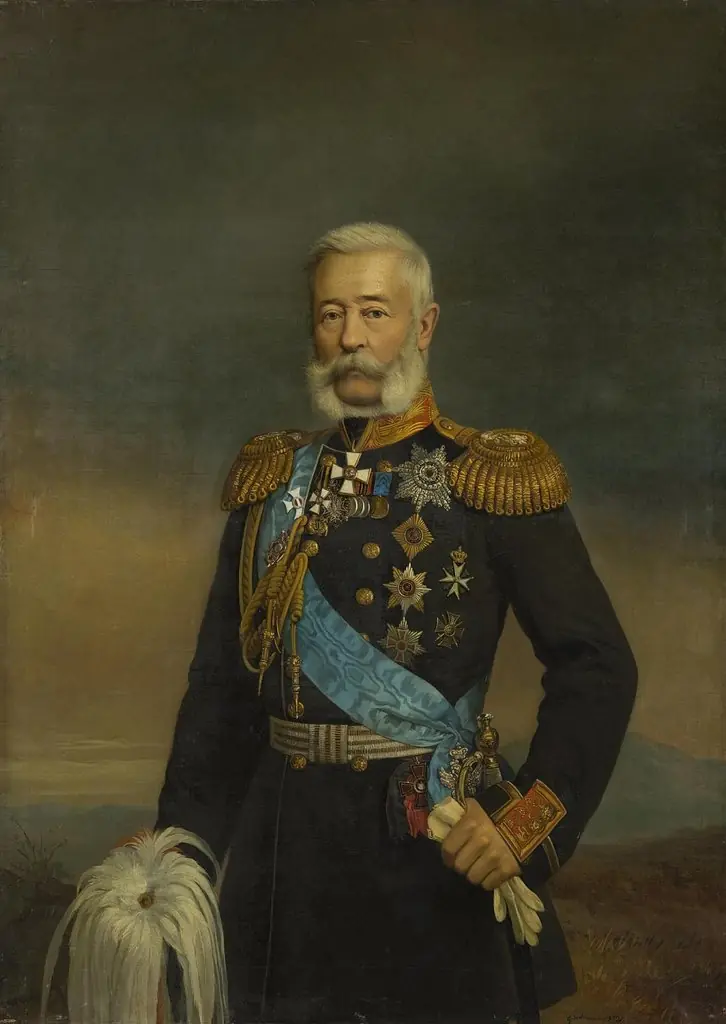
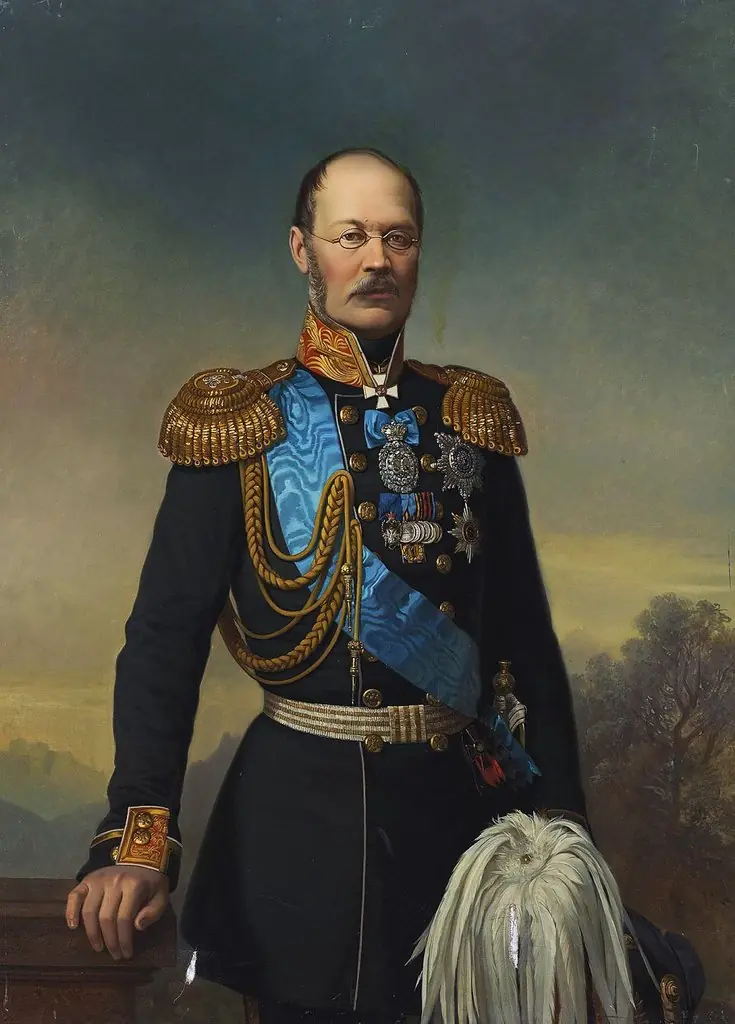 Portrait of Prince M.D. Gorchakov
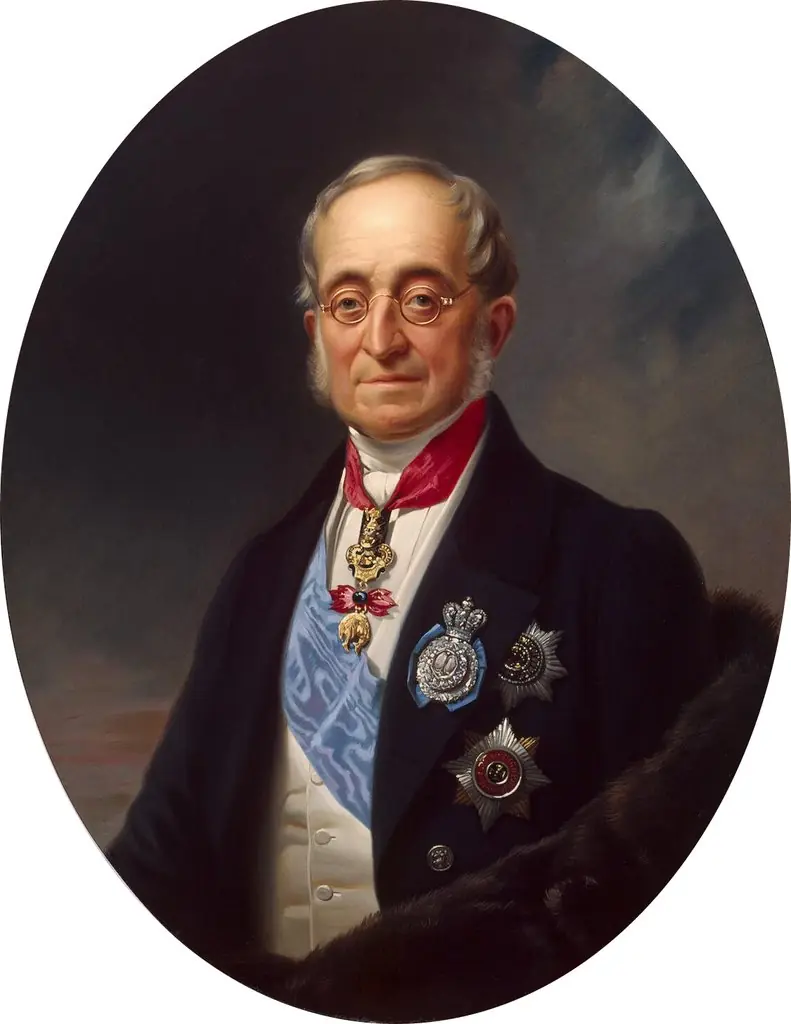 Portrait of Karl Nesselrode
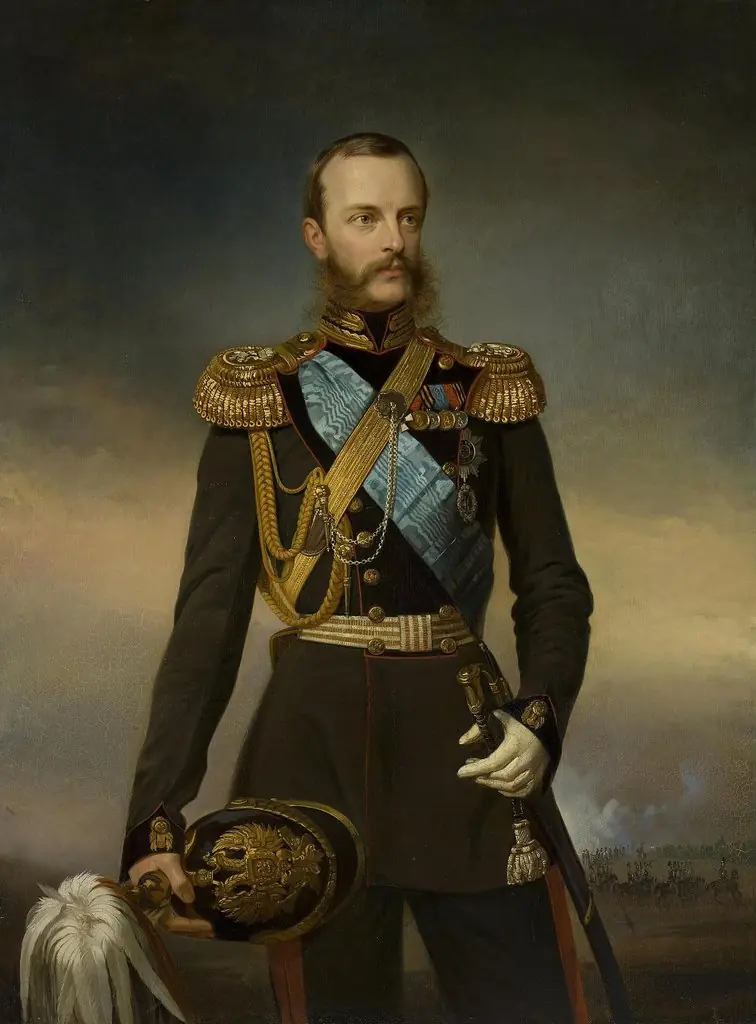 Portrait of Grand Duke Mikhail Nikolaevich
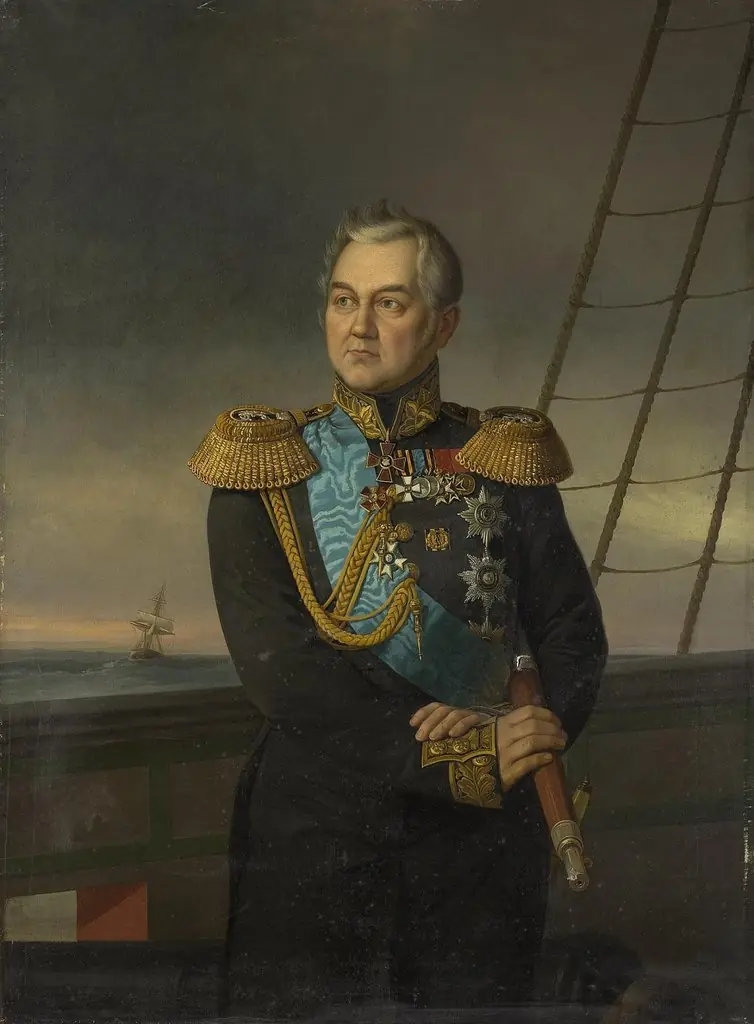 Portrait of Admiral Mikhail Lazarev
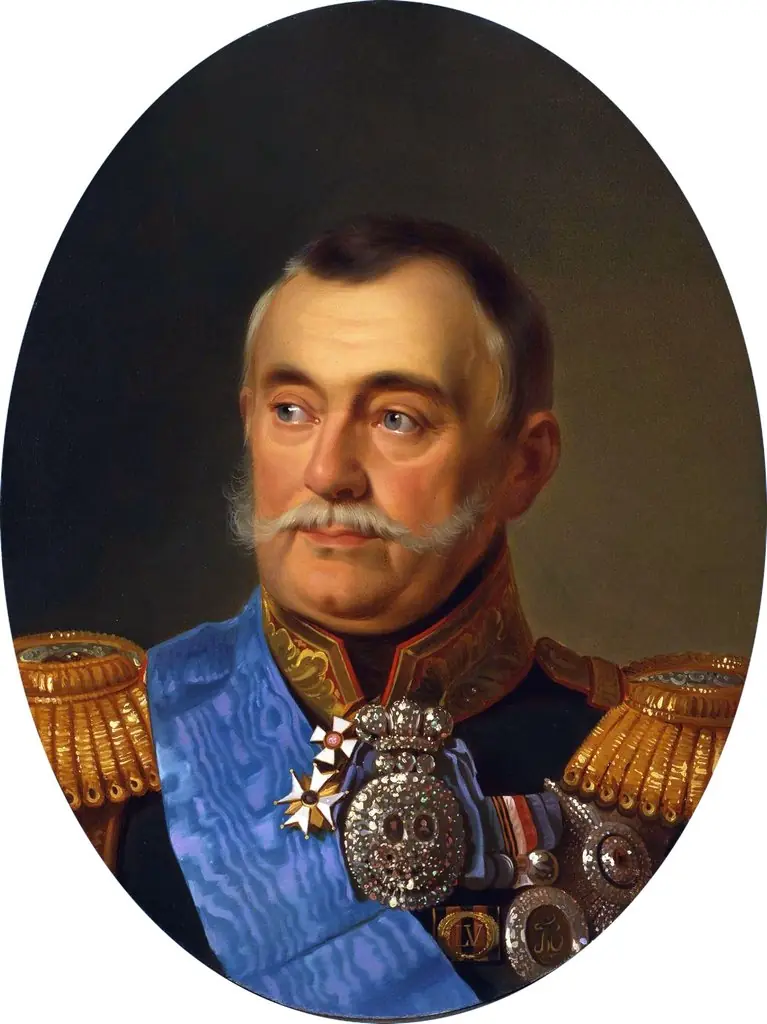 Portrait of the Minister of the Court of Prince Volkonsky