Artwork
Head of Anne
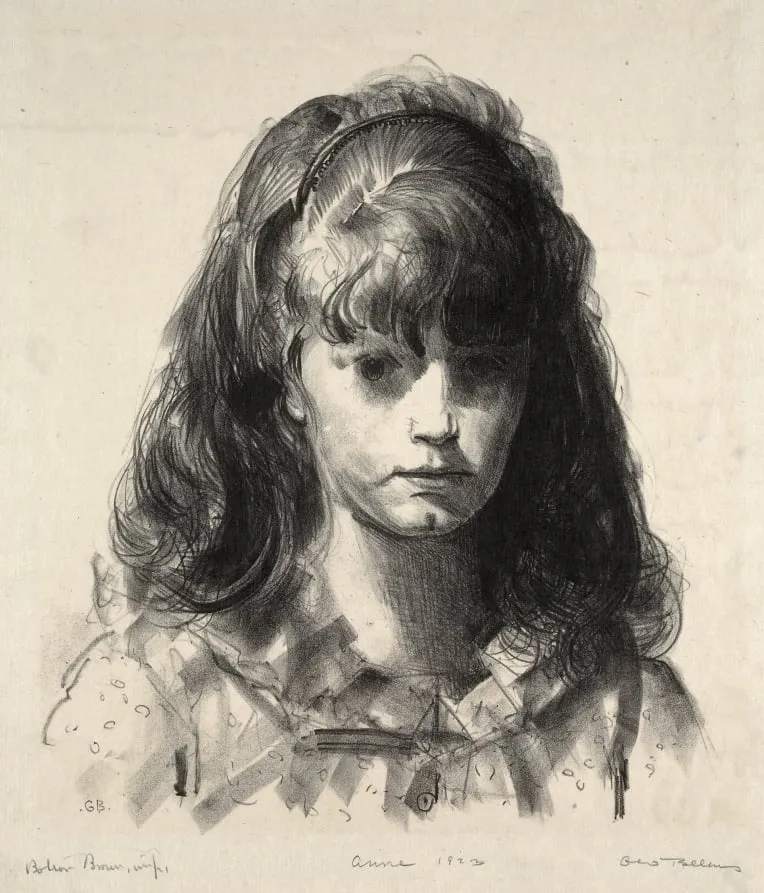
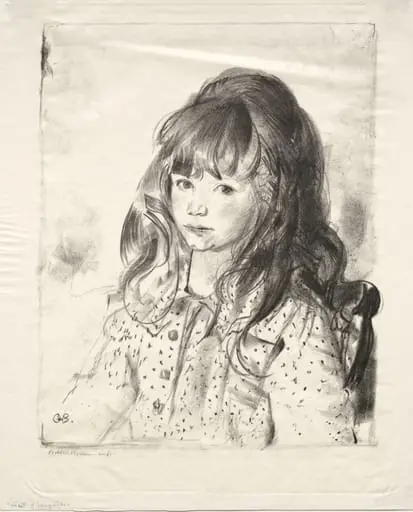
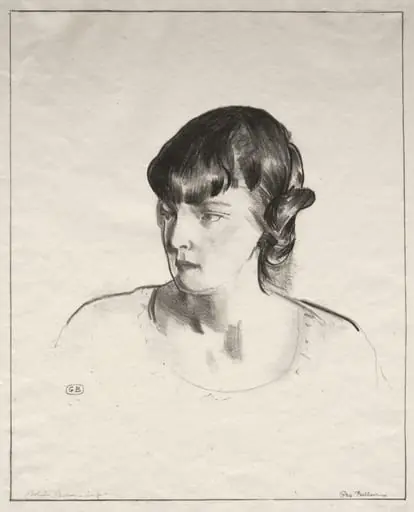
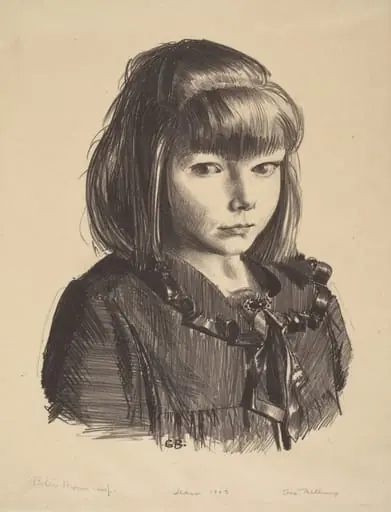
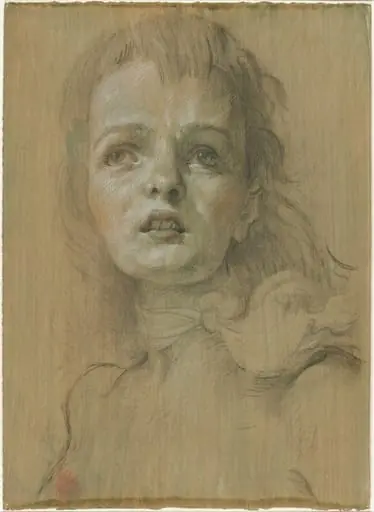
Head of Anne is a print by George Bellows. It dates from 1923 and is held in the collection of the Cleveland Museum of Art.
About this work
The drawing is mostly in pencil, with soft shading on her face and neck, and quick lines for her dress.
This sketch shows a girl with long, wavy hair pulled back. She’s looking straight ahead with a serious expression. The drawing is mostly in pencil, with soft shading on her face and neck, and quick lines for her dress.
The artist left small notes like “G.B.” and “Anne 1923” in the corners, hinting at the sitter’s name and the year. The sketch feels quick but careful, focusing on her face and hair.
If you like this style, check out chiaroscuro—a technique using strong light and dark contrasts.
Overview
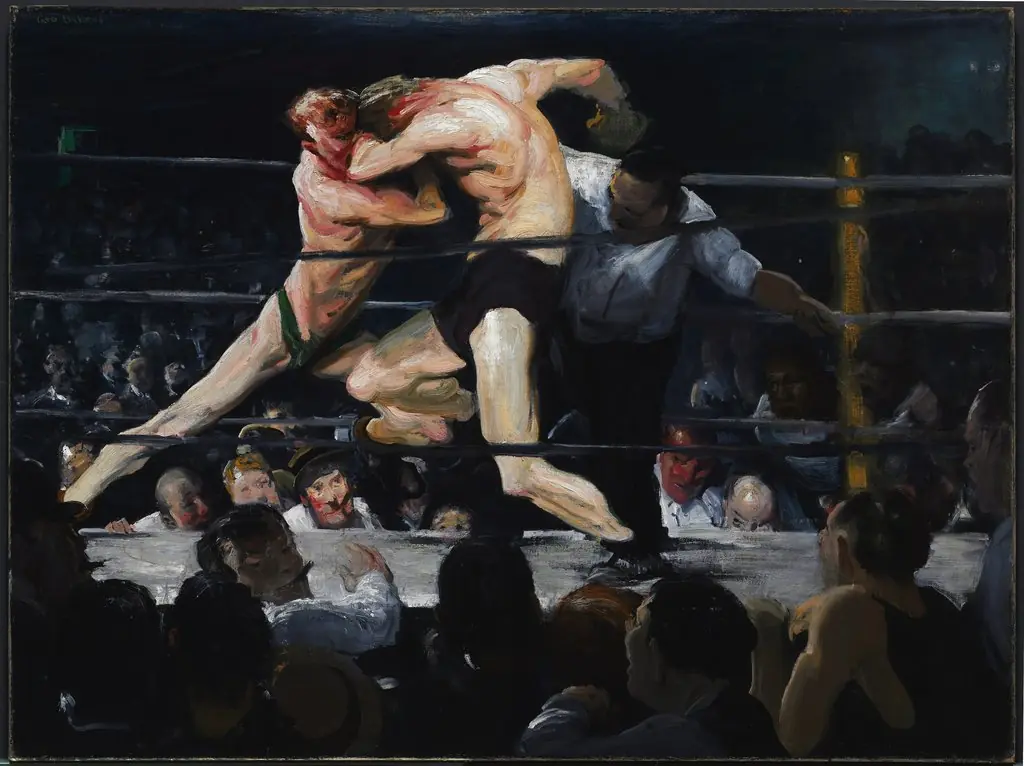
Created in 1923, *Head of Anne* is a pencil drawing by American artist George Bellows, known for his unidealized portrayals of urban subjects. Unlike his larger-scale city scenes, this work is intimate and focused, capturing a single figure with quiet precision. The piece resides in The Cleveland Museum of Art’s collection, reflecting Bellows’ broader engagement with portraiture beyond his famed genre paintings.
Subject & Meaning
The subject is a young woman named Anne, depicted with direct gaze and restrained expression. Her long, wavy hair is gathered loosely, emphasizing the contours of her face and neck. The absence of context or narrative detail shifts focus to her presence alone, suggesting a moment of stillness rather than a formal commission. Bellows’ choice to include his initials and the date implies personal significance, possibly a study for a larger work or a private record.
Technique & Style
Executed in pencil, the drawing employs subtle gradations of tone to model the face and neck, while swift, light strokes define the texture of hair and the suggestion of clothing. The shading is soft yet deliberate, avoiding harsh contrasts in favor of nuanced transitions. Small, informal notations in the margins reveal Bellows’ working process—this is neither a polished portrait nor a rough sketch, but a thoughtful intermediate stage.
History & Provenance
The drawing entered The Cleveland Museum of Art’s collection through documented acquisition, though its earlier ownership remains unrecorded. It was produced during a period when Bellows was increasingly turning to portraiture, often of family and close acquaintances. No evidence suggests it was exhibited publicly during his lifetime, and its survival as a private study offers insight into his preparatory methods.
Context
In 1923, Bellows was nearing the end of his career, having already established his reputation through dynamic scenes of urban energy. *Head of Anne* reflects a quieter phase, where his realist sensibility turned inward. The work aligns with contemporaneous American artists exploring psychological depth in portraiture, though Bellows’ approach remained grounded in direct observation rather than symbolism or stylization.
Legacy
Though not widely reproduced, *Head of Anne* contributes to understanding Bellows’ range beyond his famous boxing and street scenes. It exemplifies his ability to convey character through minimal means, revealing how his realist principles applied equally to intimate studies. The drawing remains a quiet testament to his attention to the individual, even in fleeting moments.
Artist & collection
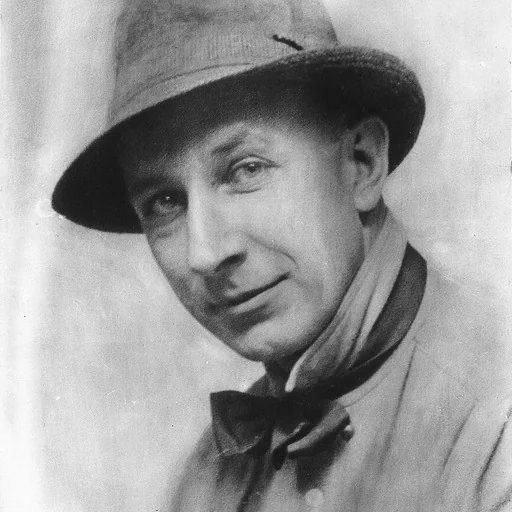
Artist
George Wesley Bellows (August 12 or August 19, 1882 – January 8, 1925) was an American realist painter, known for his bold depictions of urban life in New York City.