Artwork
Untitled
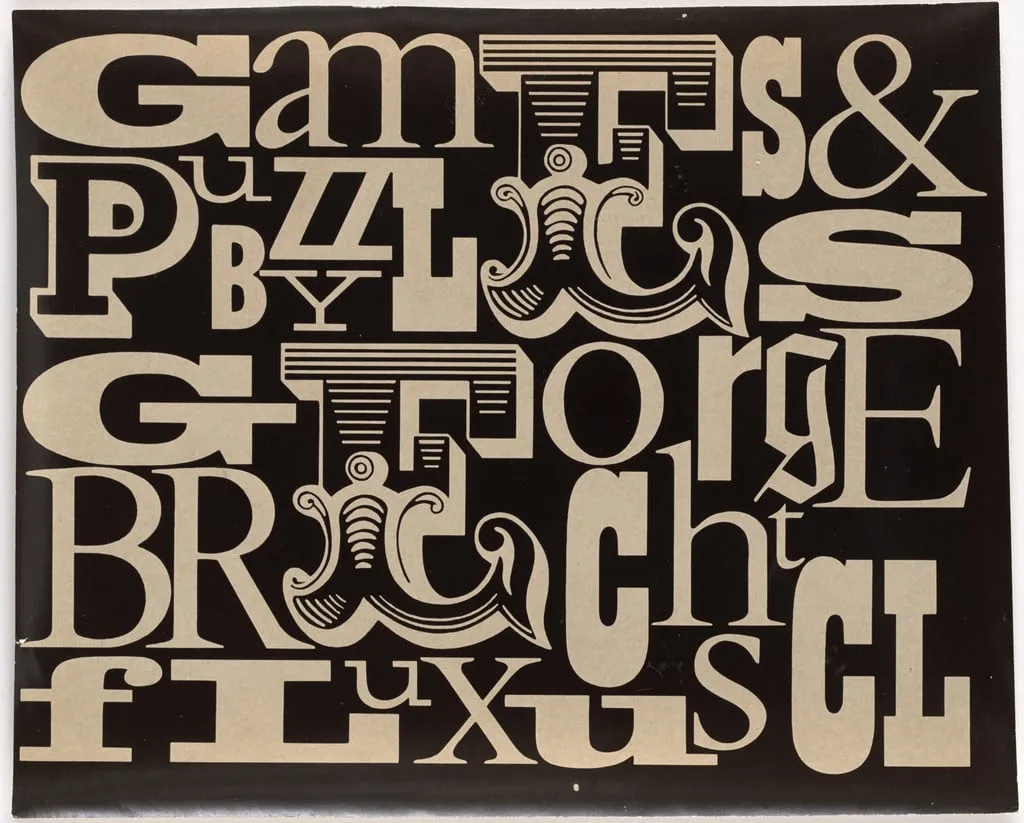
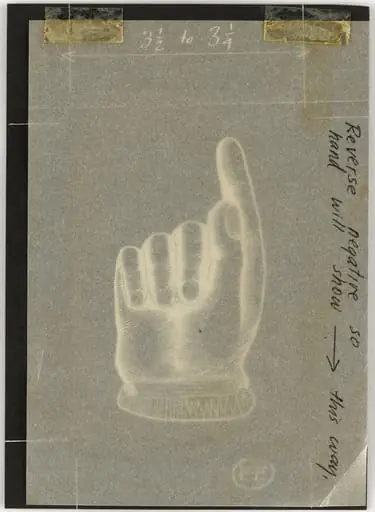
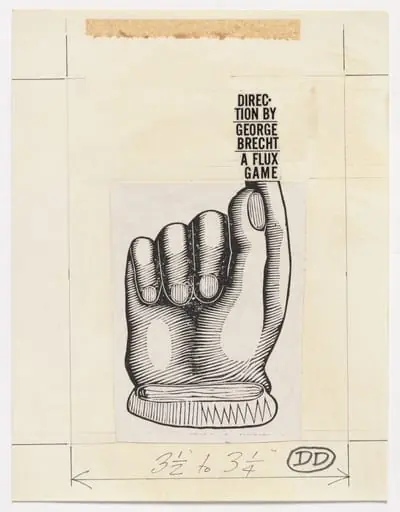
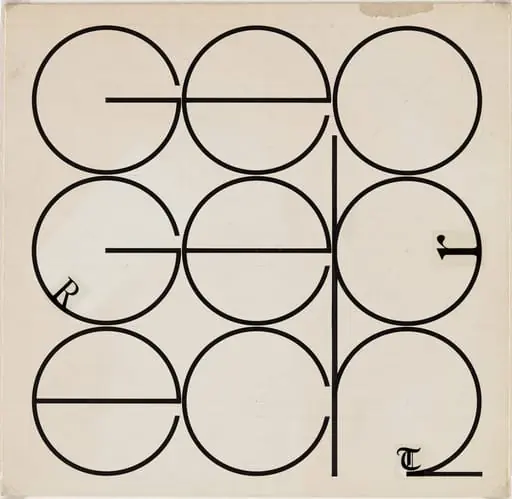
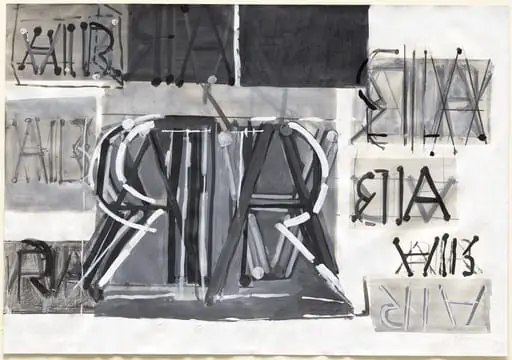
Untitled is a silver print by George Maciunas George Brecht. It dates from 1965 and is held in the collection of the Museum of Modern Art. This gelatin silver print, dated around 1965, is attributed to George Maciunas and George Brecht.
About this work
Overview
It functions as a printed artifact rather than a traditional photograph, combining typographic elements with rudimentary hand-drawn forms.
This gelatin silver print, dated around 1965, is attributed to George Maciunas and George Brecht. It functions as a printed artifact rather than a traditional photograph, combining typographic elements with rudimentary hand-drawn forms. The work belongs to the Fluxus movement’s interest in blurring boundaries between art, language, and everyday objects. Its materiality reflects a DIY aesthetic, emphasizing process over polish.
Subject & Meaning
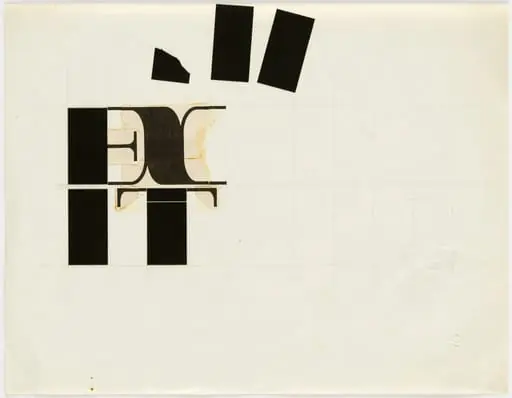
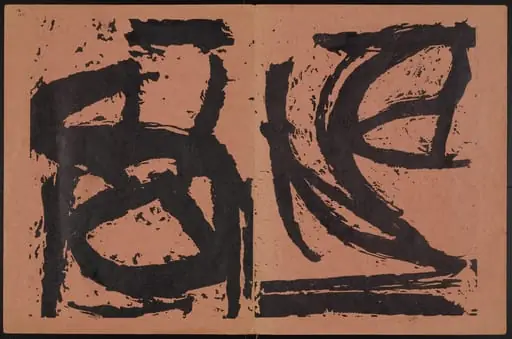
The phrase 'Gants & Puzzles by George Brecht' appears in irregular, hand-cut lettering, suggesting a deliberate rejection of commercial typography. The inclusion of a simple winged shape between letters introduces ambiguity—possibly referencing flight, escape, or the absurd. The title’s nonspecificity and the work’s fragmented structure invite open-ended interpretation, aligning with Fluxus’s preference for conceptual play over fixed meaning.
Technique & Style
The image was produced using a gelatin silver process, common in photographic printing, but its visual language mimics collage. Letters appear cut from paper and unevenly affixed, with visible seams and irregular spacing. The birdlike motif is rendered in minimal line work, contrasting with the dense text. This hybrid approach merges print, drawing, and assemblage, rejecting conventional artistic techniques in favor of spontaneity and imperfection.
History & Provenance
Created circa 1965, the work emerged during the height of Fluxus activity in New York and Europe. It entered the collection of The Museum of Modern Art as part of its broader effort to document experimental art practices of the 1960s. Its attribution to both Maciunas and Brecht reflects the collaborative nature of Fluxus, where authorship was often shared or deliberately obscured to challenge individual genius.
Context
This piece belongs to a broader Fluxus initiative that treated art as an event or idea rather than a static object. Artists in this circle used typography, found materials, and humor to disrupt traditional art institutions. The work’s rough execution and textual play echo contemporaneous developments in concrete poetry and mail art, positioning it within a transatlantic network of anti-art experimentation.
Legacy
The work contributes to the redefinition of print as a medium for conceptual expression rather than reproduction. Its influence can be traced in later movements that embraced amateur aesthetics and textual disruption, such as punk zines and post-conceptual art. By valuing imperfection and collaboration, it helped dismantle hierarchies between artist, audience, and medium.
Artist & collection
Artist
George Maciunas George Brecht (1926–2008) was an American artist.