Artwork
Houses of Mr. Whiteman ("the forty-pillared house") and Captain Elliott, and Monte Fort, Macao
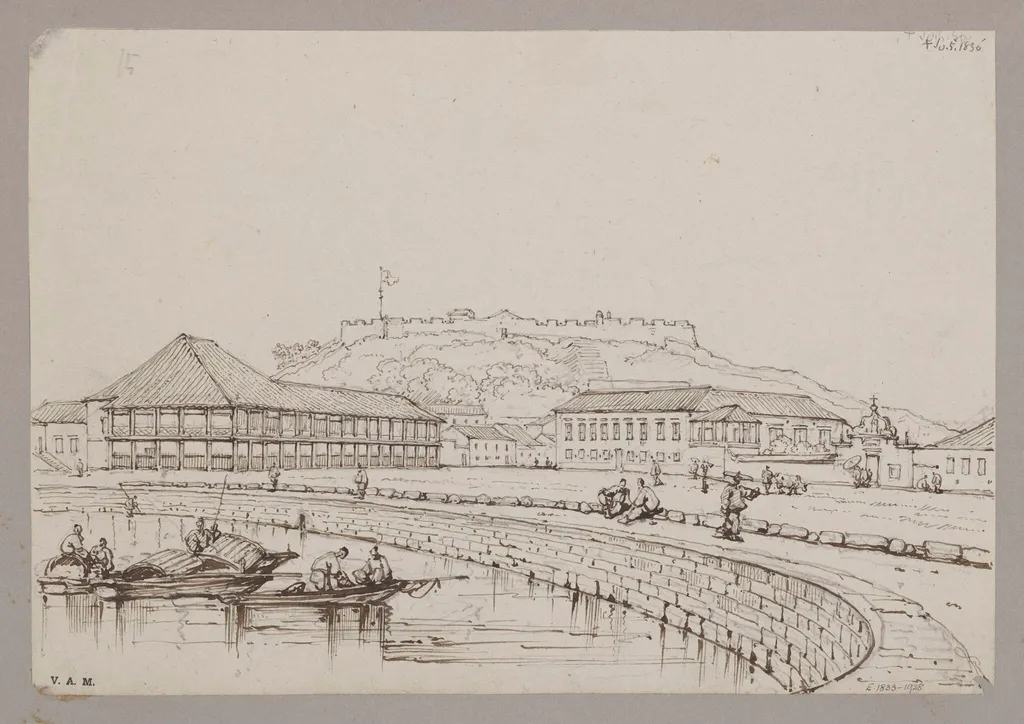
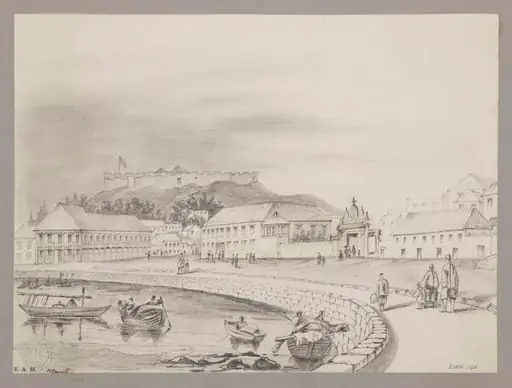
Houses of Mr. Whiteman ("the forty-pillared house") and Captain Elliott, and Monte Fort, Macao is a drawing by the Romanticist artist George Chinnery. It dates from 6 and is held in the collection of the Victoria and Albert Museum. The drawing records a panoramic view of Macau’s historic quarter surrounding the Franciscan Green as it appeared in 1836.
About this work
The hill behind holds Fort Monte, while the bay below shows boats and a curving stone wall.
This drawing shows Macau’s historic buildings around the Franciscan Green in 1836. George Chinnery captures the scene with careful lines and shading. On the left is the forty-pillared house owned by John Whiteman of the East India Company. The hill behind holds Fort Monte, while the bay below shows boats and a curving stone wall.
The gate to the Santa Clara convent appears on the right. Figures in Tanka boats move along the water, adding life to the view.
Check out more works by George Chinnery.
Overview
The drawing records a panoramic view of Macau’s historic quarter surrounding the Franciscan Green as it appeared in 1836. George Chinnery renders the scene with precise linear detail, depicting the cluster of colonial and religious structures, the hill‑top Fort Monte, and the bustling waterfront where stone walls and Tanka fishing boats animate the bay.
Subject & Meaning
The composition highlights several notable landmarks: the large residence known as the “forty‑pillared house,” owned by East India Company director John Clarmont Whiteman; the gateway to the convent of Santa Clara on the right; and the military fortification of Monte Fort perched behind the buildings. The inclusion of working boats and a curving stone wall underscores the everyday commercial activity of the port.
Technique & Style
Chinnery employs a disciplined draftsmanship, using fine hatching and controlled shading to convey depth and texture. The linear perspective guides the eye from the foreground wall through the architectural group to the hill, while the delicate rendering of figures in the boats adds a narrative layer without detracting from the architectural focus.
History & Provenance
Created in 1836, the drawing coincides with a period of heightened British involvement in the region. John Whiteman (1796‑1866) was a senior East India Company official who founded Whiteman & Co. in 1829. Captain Sir Charles Elliot (1801‑1875), then Chief Superintendent of British Trade in China, negotiated the 1841 convention that ceded Hong Kong to Britain and departed China later that year.
Context
The work captures Macau at a moment when Portuguese colonial authority, Chinese maritime commerce, and emerging British interests intersected. The Franciscan Green area, with its convent and merchant houses, exemplified the blend of religious, residential, and military functions that characterized the city’s urban fabric in the early nineteenth century.
Artist & collection
Artist
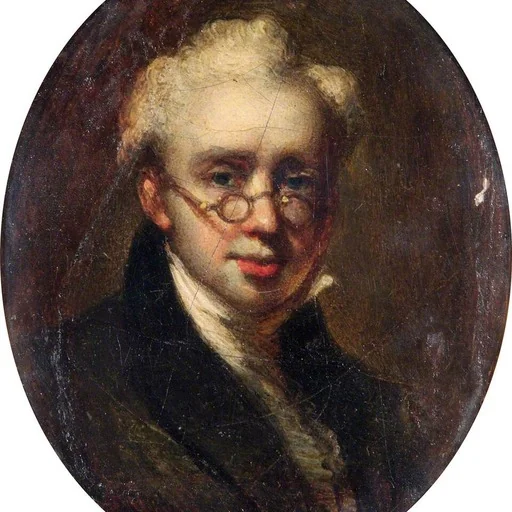
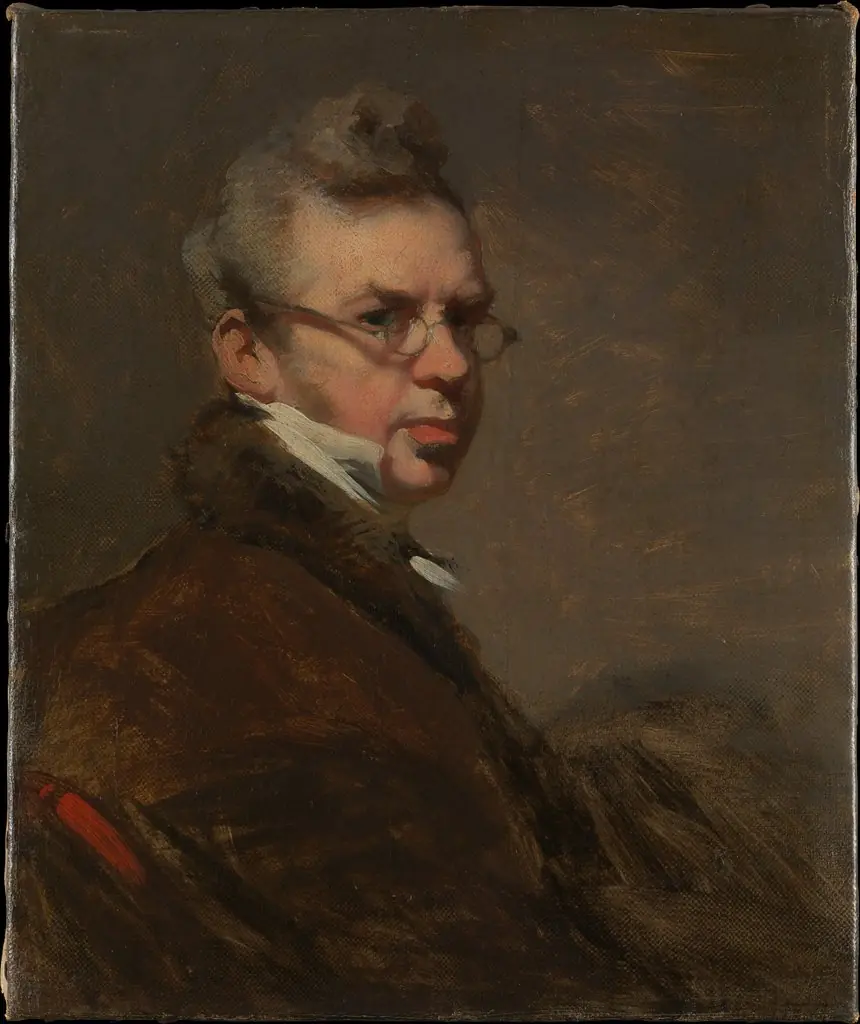
George Chinnery (Chinese: 錢納利; 5 January 1774 – 30 May 1852) was an English painter who spent most of his life in Asia, especially India and southern China.

 Houses of Mr. Whiteman ("the forty-pillared house") and Captain Elliott, and Monte Fort, Macao
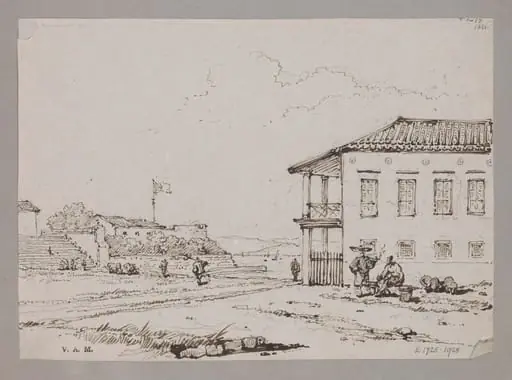 Mr. Whiteman's house and Franciscan Fort, Macao
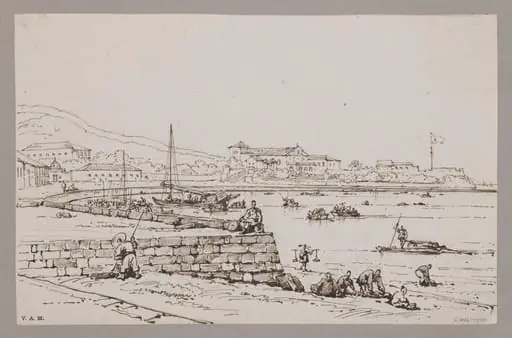 The bay, Macau, with the church and fort of S. Francisco
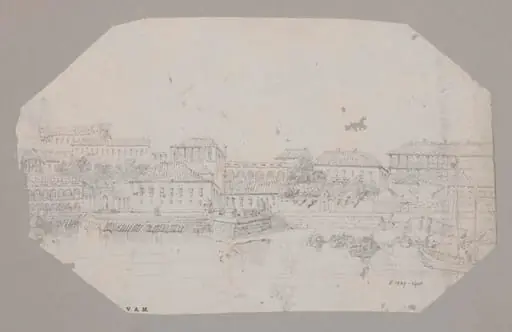 The Praya Grande, Macau
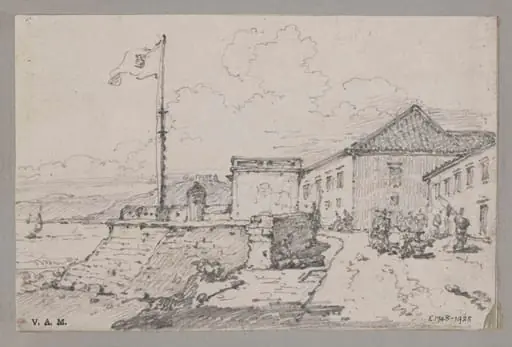 Governor’s House and Pedro Fort, Macau
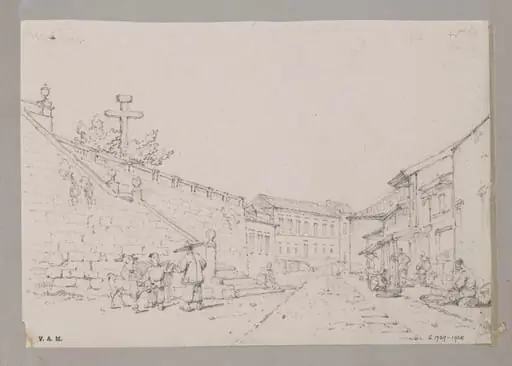 Mr. Baretto's House, Macao
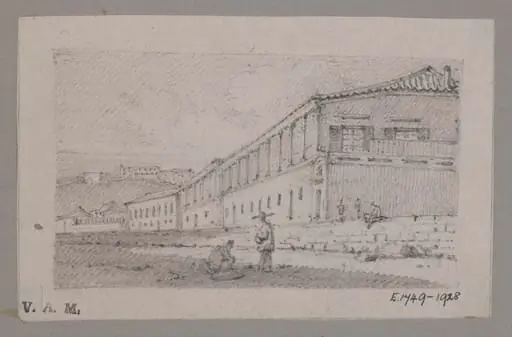 Mr. Pereira's house, Macao
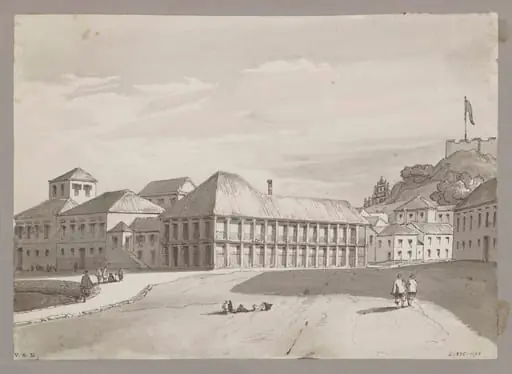 House of Mr. Whiteman ("the forty-pillared house"), Macao
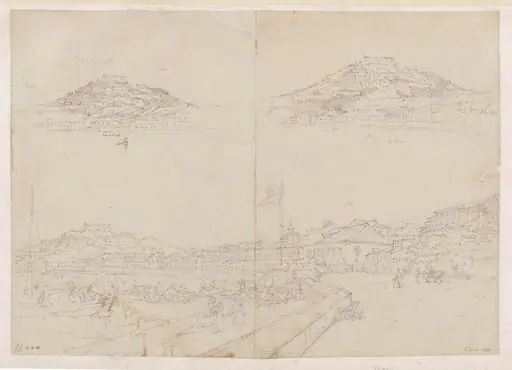 Penha Hill and the Praya Grande, Macau
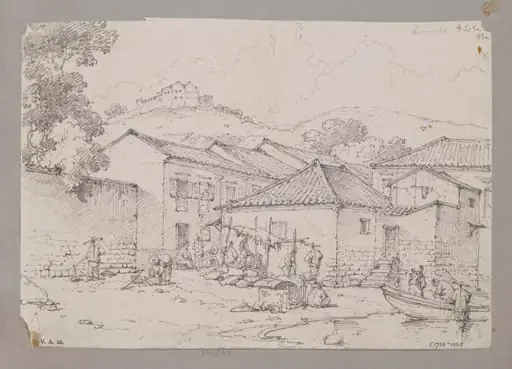 Part of the Praya Manduco, Macao