Artwork
Three drawings of humped cattle
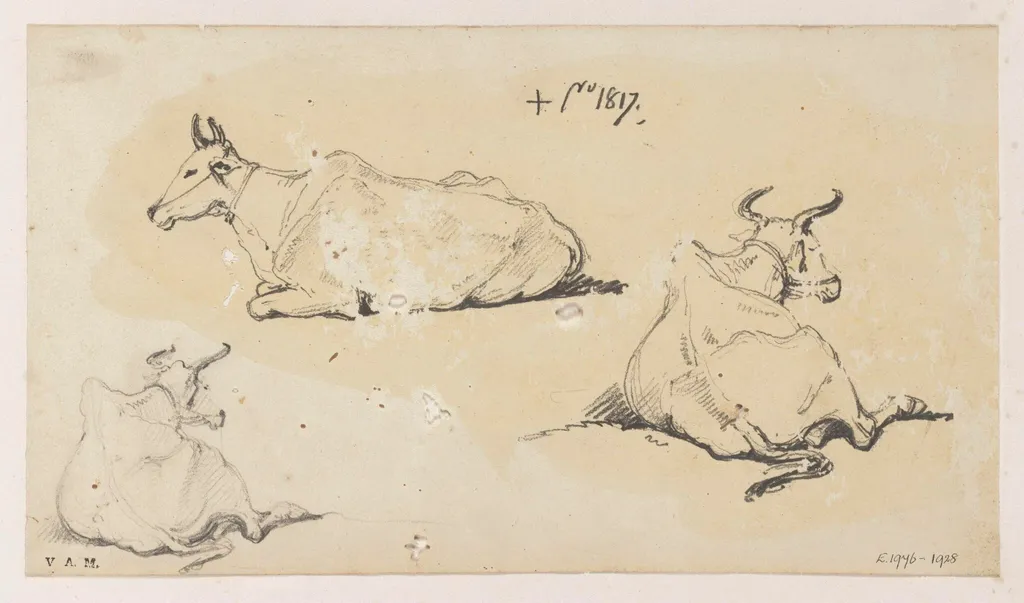
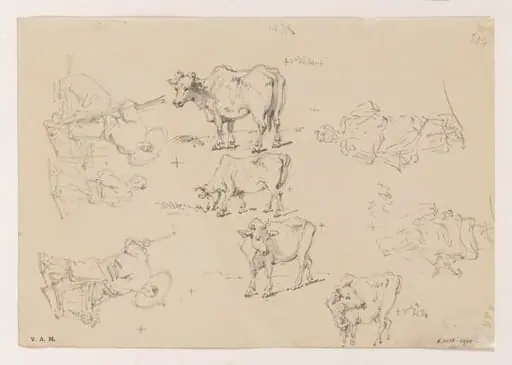
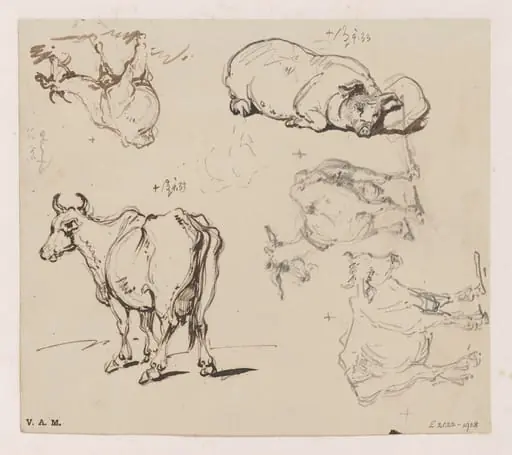
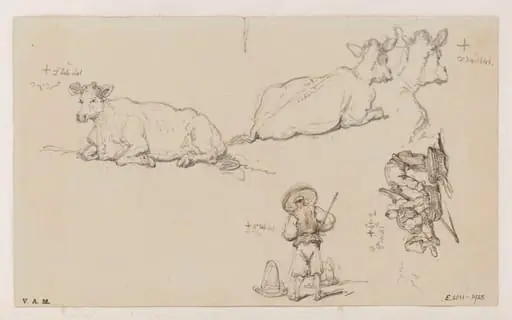
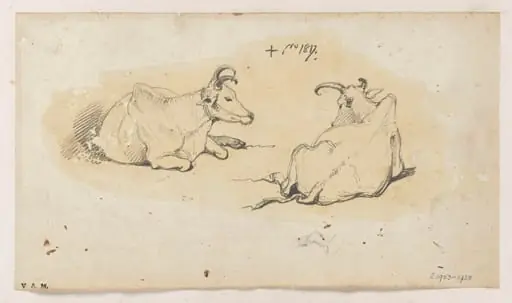
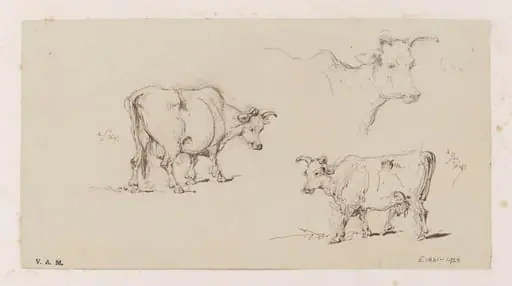
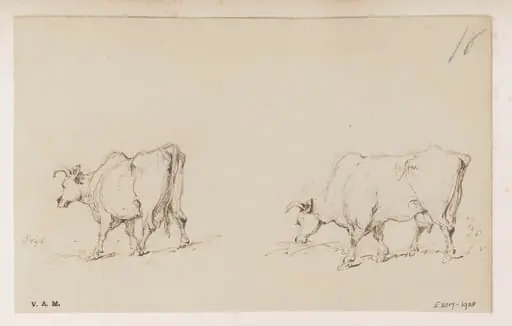
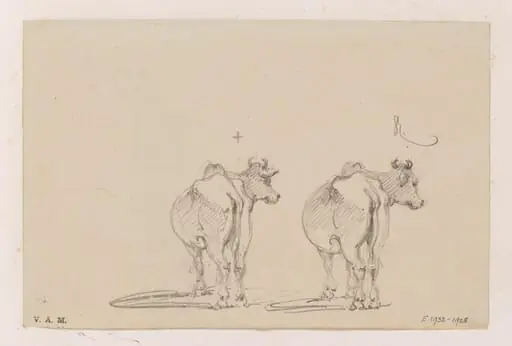
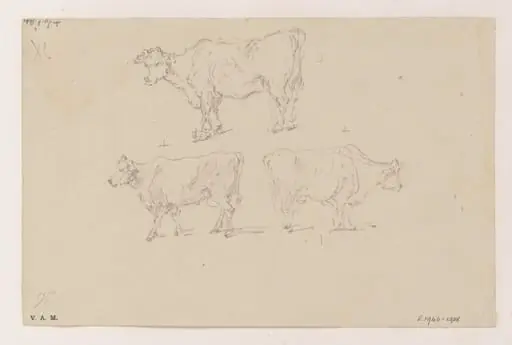
Three drawings of humped cattle is a drawing by the Romanticist artist George Chinnery. It dates from 2 and is held in the collection of the Victoria and Albert Museum. Three pencil drawings from April 1817 record observations of a humped bovine in India.
About this work
Chinnery kept his marks loose and direct, catching the animal’s solid frame without extra detail.
George Chinnery made three quick sketches of a humped cattle in April 1817. He used simple lines to study the animal’s shape and stance. The drawings sit in London’s Victoria and Albert Museum today.
They’re not fancy scenes. These are plain studies—three different views of one Indian cow or ox. Chinnery kept his marks loose and direct, catching the animal’s solid frame without extra detail.
Look up George Chinnery next.
Overview
Three pencil drawings from April 1817 record observations of a humped bovine in India. Executed by George Chinnery during his time in the subcontinent, these studies prioritize structural clarity over ornamentation. Each sketch captures a distinct angle of the animal, emphasizing posture and mass. They remain in the collection of the Victoria and Albert Museum in London, preserved as working drawings rather than finished compositions.
Subject & Meaning
The subject is a domesticated Indian ox or cow, likely a common working animal in early 19th-century South Asia. Chinnery’s focus on its physical form—broad shoulders, curved spine, sturdy limbs—suggests an interest in anatomy and utility rather than symbolism. These are not idealized representations but direct records of an animal integral to local agriculture and transport.
Technique & Style
Chinnery employed swift, unembellished pencil lines to map the animal’s contours. There is no shading or background detail; the emphasis is on weight and proportion. The strokes are confident yet unpolished, reflecting the immediacy of on-site observation. This restrained approach reveals his method of learning through repeated, minimal mark-making.
History & Provenance
Created during Chinnery’s stay in India, the drawings were likely part of a personal sketchbook used to document local life. They remained in his possession until after his death, eventually entering the Victoria and Albert Museum’s collection through established acquisition channels. Their survival as individual sheets, rather than bound pages, suggests they were valued for their observational clarity.
Context
In the early 1800s, British artists in India often recorded indigenous subjects as part of ethnographic or topographical documentation. Chinnery’s sketches align with this practice, though his focus on a single animal, without human presence or setting, distinguishes them as purely formal studies. They reflect a shift toward direct observation over staged composition in colonial artistic practice.
Legacy
These drawings exemplify the role of sketching as a tool for understanding form in unfamiliar environments. While not widely exhibited, they contribute to the broader understanding of Chinnery’s process and the quiet, systematic approach many colonial artists took toward documenting the natural world. Their simplicity continues to inform how observational drawing functions outside the realm of finished art.
Artist & collection
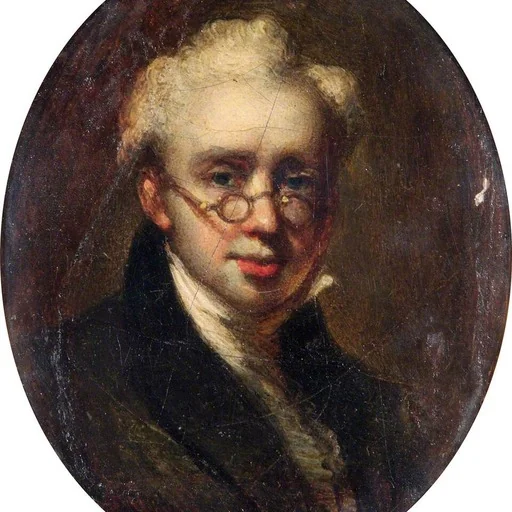
Artist
George Chinnery (Chinese: 錢納利; 5 January 1774 – 30 May 1852) was an English painter who spent most of his life in Asia, especially India and southern China.