Artwork
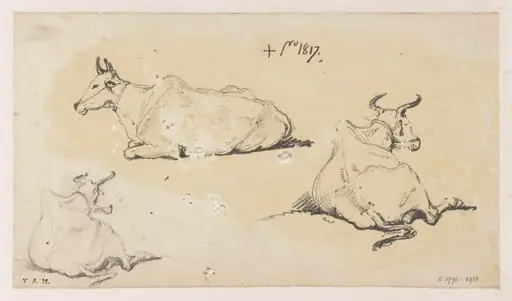
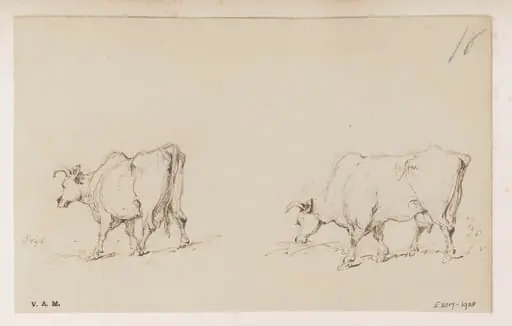
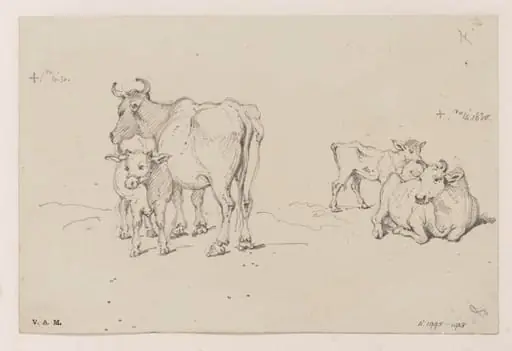
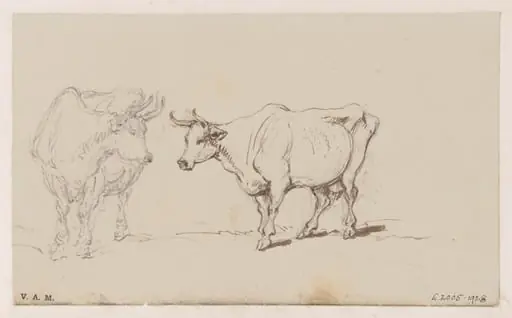
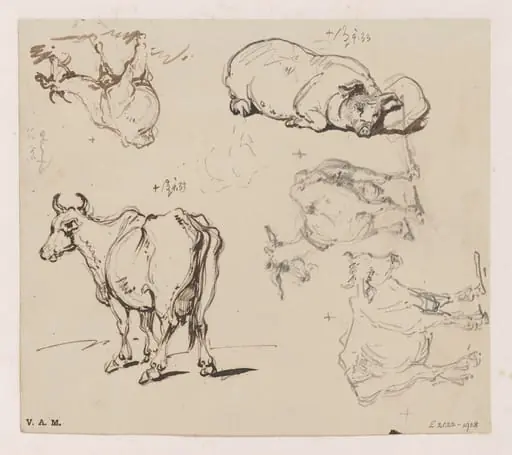
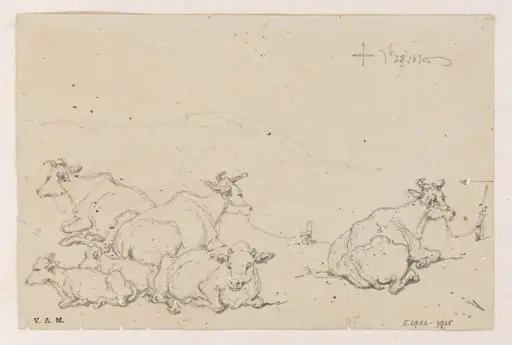
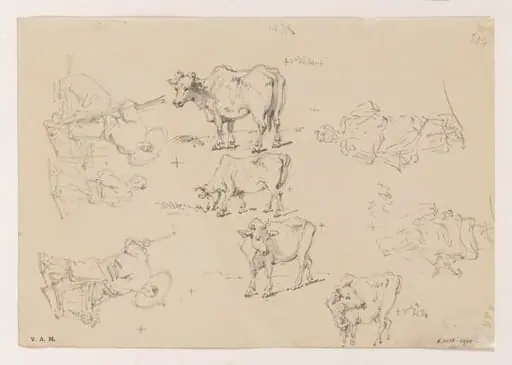
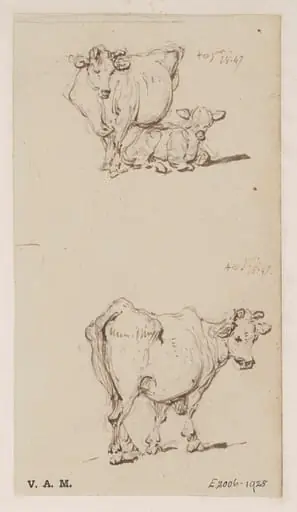
Two Indian cows
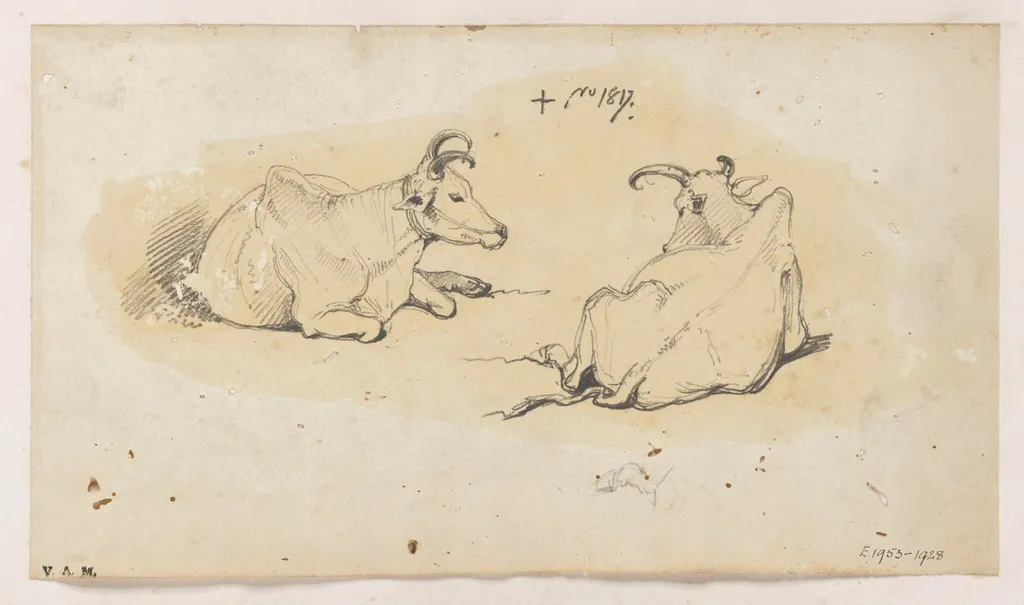
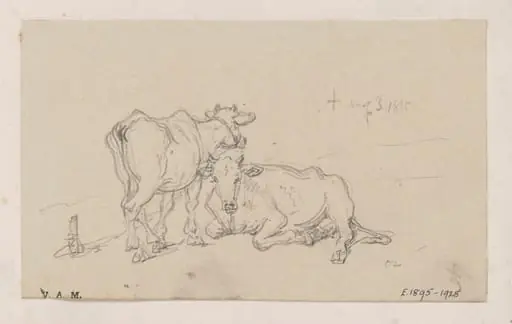
Two Indian cows is a drawing by the Romanticist artist George Chinnery. It dates from 2 and is held in the collection of the Victoria and Albert Museum. This drawing depicts two humped cattle native to the Indian subcontinent, commonly referred to as Brahmin or Brahman cattle.
About this work
Overview
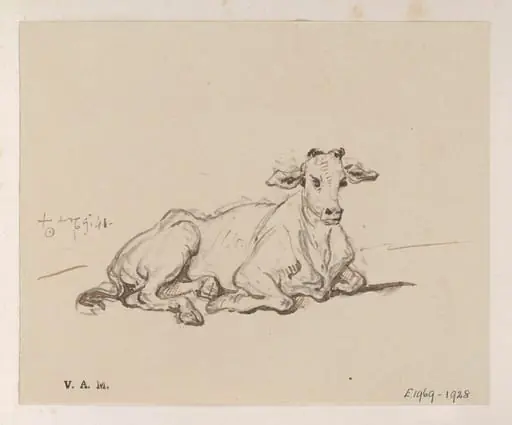
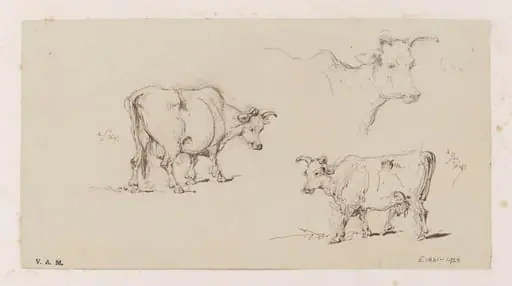
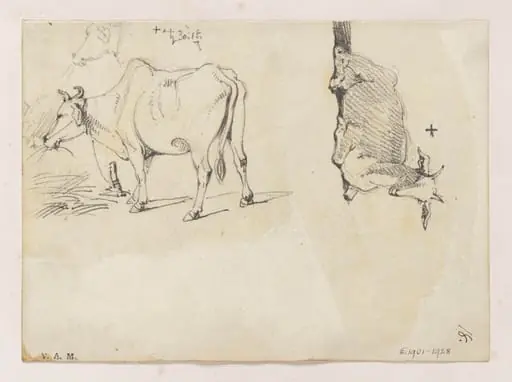
This drawing depicts two humped cattle native to the Indian subcontinent, commonly referred to as Brahmin or Brahman cattle. Rendered in pencil or ink, the work focuses on their physical form without background detail, emphasizing anatomical accuracy and quiet observation. The medium suggests a study rather than a finished composition, possibly made for documentation or personal reference.
Subject & Meaning
The two animals represent a breed long associated with agricultural life and religious symbolism in South Asia. Their humps, loose skin, and horns are rendered with attention to biological detail, reflecting a non-idealized view. The absence of human figures or context invites focus on the animals themselves, suggesting an interest in their form rather than narrative or ceremonial meaning.
Technique & Style
The drawing employs controlled, linear strokes to define musculature and contours, with subtle shading to suggest volume. Lines are deliberate but not ornate, avoiding decorative flourishes. The composition is balanced and centered, with both animals facing slightly inward, creating a sense of quiet cohesion. The lack of color or background reinforces its function as a study.
History & Provenance
The work’s origin is undocumented, but its subject and technique align with 19th-century colonial-era naturalist sketches made in India. Such drawings were often produced by British officers, travelers, or local artists under European influence, aiming to catalog regional fauna. No known exhibition or collection history accompanies this piece.
Context
During the 1800s, European and colonial observers systematically recorded Indian livestock as part of broader efforts to classify and manage resources. Brahman cattle, valued for their heat tolerance and draft power, were frequently documented. This drawing fits within that tradition—neither romanticized nor politicized, but observed as part of a natural inventory.
Legacy
As a specimen of observational drawing, it contributes to a historical record of South Asian livestock before modern breeding practices. While not widely known, such works preserve visual data on animal types that have since evolved or declined. Its value lies in its quiet precision, offering insight into how these animals were seen and recorded in their native environment.
Own this work as a print
Artist & collection
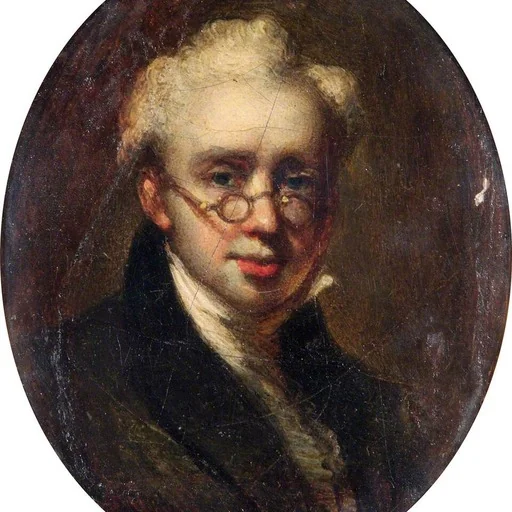
Artist
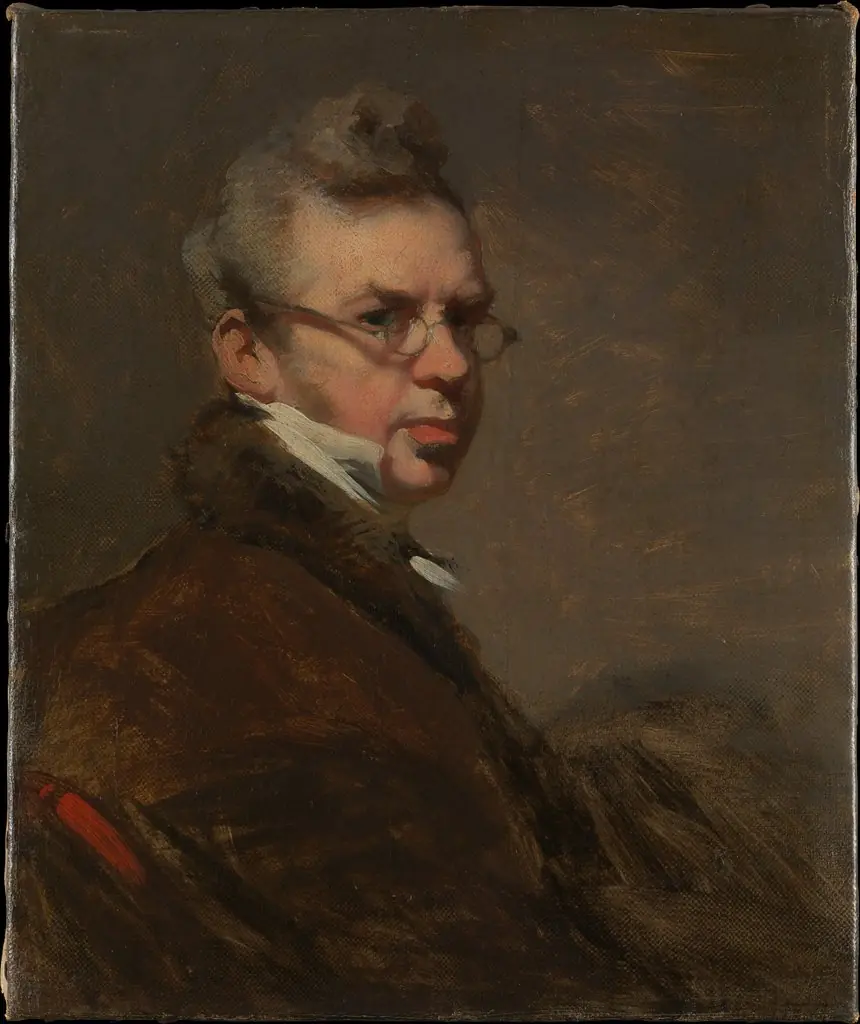
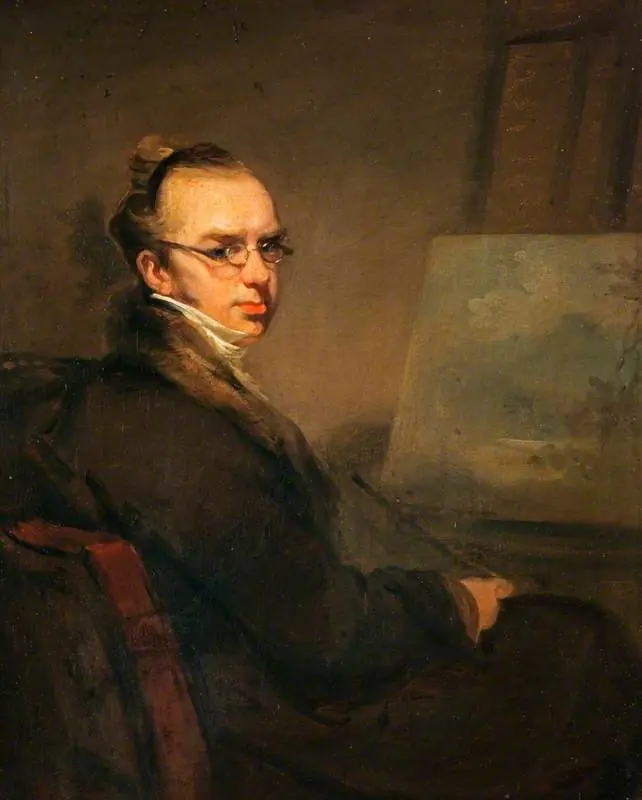
George Chinnery (Chinese: 錢納利; 5 January 1774 – 30 May 1852) was an English painter who spent most of his life in Asia, especially India and southern China.