Artwork
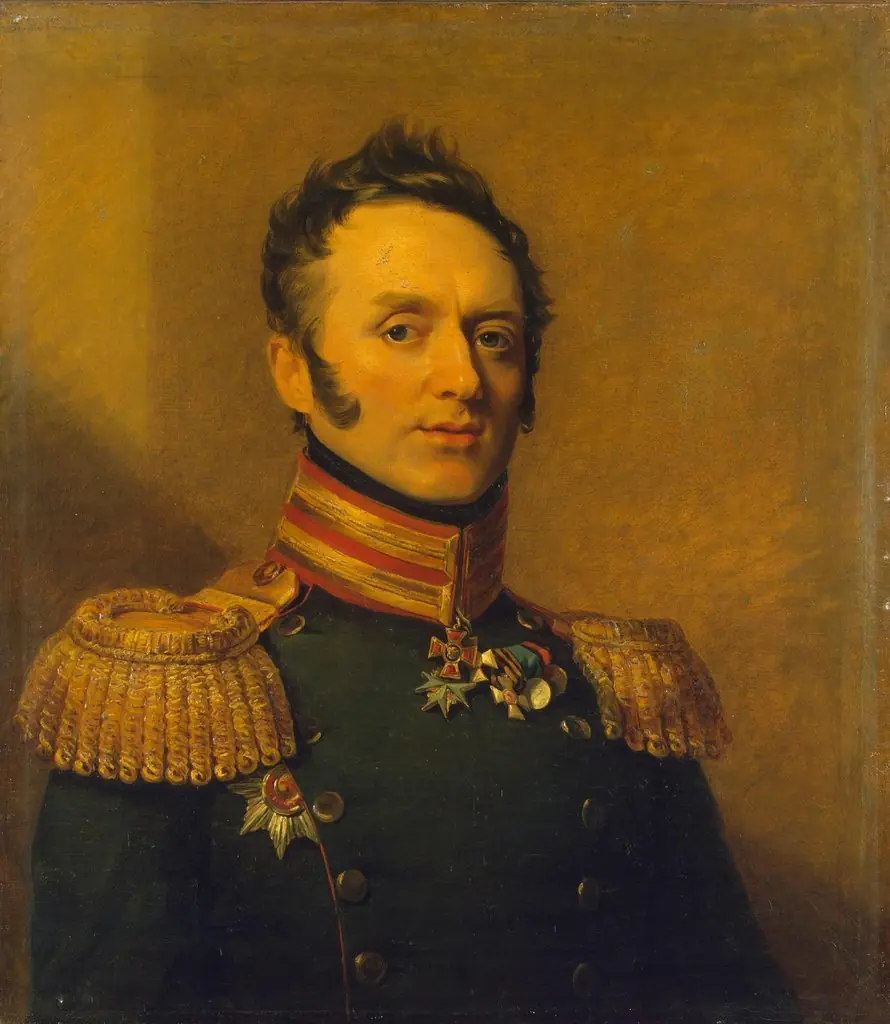
Portrait of Andrey P. Zass (1753-1816) (1st))
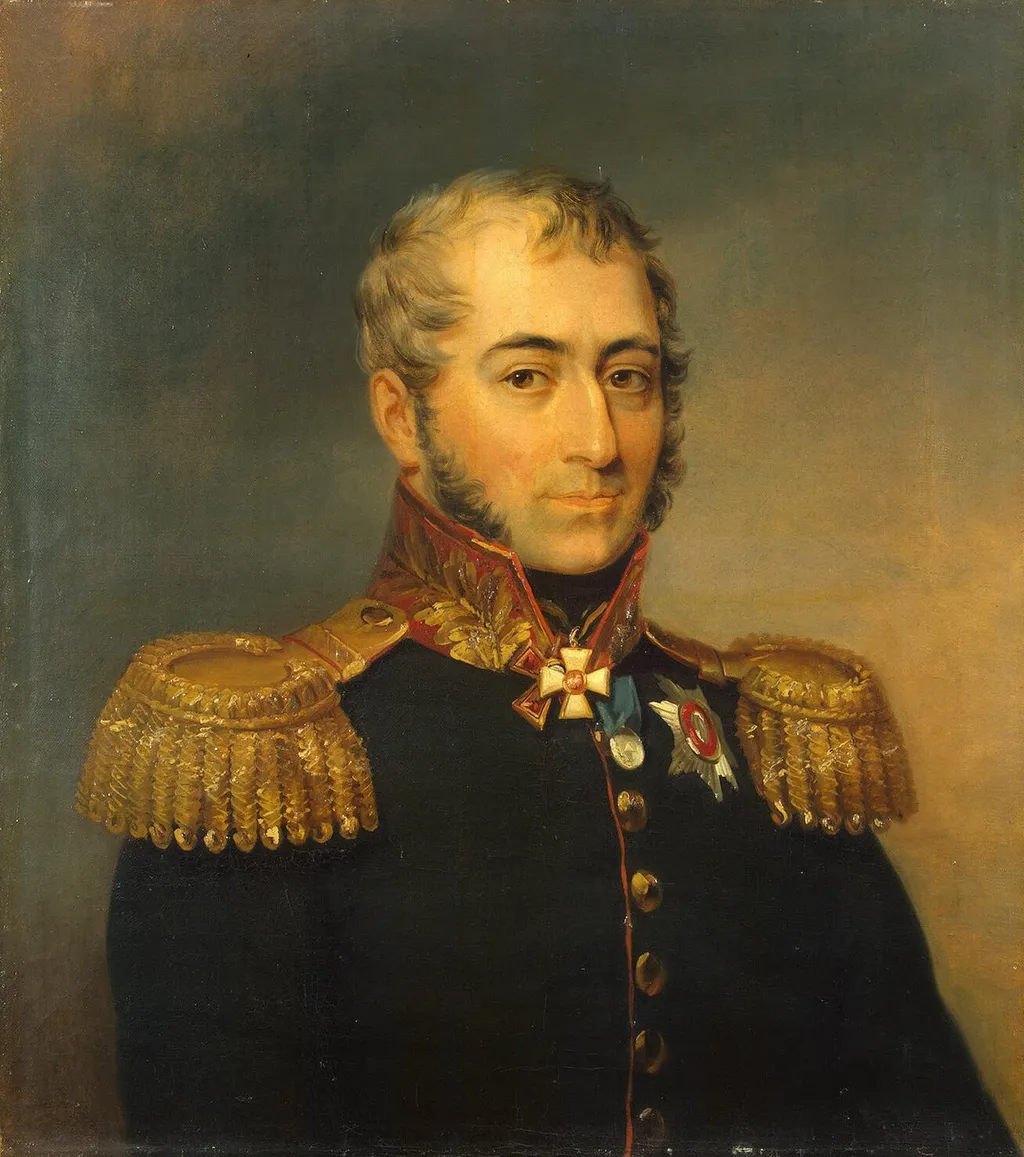
Portrait of Andrey P. Zass (1753-1816) (1st)) is an oil painting by George Dawe. It dates from 1824 and is held in the collection of the Hermitage Museum.
About this work
Overview
Dawe, who moved to Saint Petersburg in 1819, was tasked with documenting the empire’s military leadership through standardized, formal likenesses.
Painted in 1824 by the English artist George Dawe, this portrait is one of 329 commissioned for the Military Gallery in the Winter Palace. It depicts Andrey P. Zass, a Russian general who served during the Napoleonic Wars. Dawe, who moved to Saint Petersburg in 1819, was tasked with documenting the empire’s military leadership through standardized, formal likenesses. The work reflects a state-sponsored effort to memorialize service and rank.
Subject & Meaning
Andrey P. Zass, a decorated officer in the Russian Imperial Army, is portrayed with the insignia of his rank and honors. The gold embroidery, red sash, and large medal signify his distinguished service and recognition by the state. His composed expression and upright posture convey discipline and stoic duty rather than personal emotion. The portrait functions as an official record, emphasizing his role within the military hierarchy rather than his individual character.
Technique & Style
Dawe employed precise, controlled brushwork to render the textures of the uniform—gold lace, silk sash, and metallic medal—with clarity. The dark, neutral background eliminates distraction, directing attention to the subject’s face and attire. Lighting is even and frontal, typical of state portraiture, enhancing the sense of formality. The face is rendered with subtle modeling, capturing a restrained demeanor that aligns with the era’s ideals of military decorum.
History & Provenance
Commissioned by Tsar Nicholas I, the portrait was completed as part of a vast project to honor Russian generals who fought against Napoleon. Dawe worked in Saint Petersburg from 1819 until his death in 1837, producing nearly all the portraits in the series. The painting has remained in the Winter Palace since its completion, now part of the State Hermitage Museum’s collection, where it continues to serve its original archival purpose.
Context
The Military Gallery was conceived as a national monument to Russia’s victory in the Napoleonic Wars. Dawe’s portraits, though painted in a British academic style, were adapted to Russian ceremonial conventions. Each subject was selected for verified battlefield service, and the uniform details were meticulously verified by military officials. The project reflected the monarchy’s desire to consolidate historical memory through visual authority.
Legacy
Dawe’s series remains one of the most comprehensive visual records of early 19th-century Russian military leadership. While individual portraits lack dramatic flair, their collective consistency provides valuable insight into rank, insignia, and state ideology of the period. The gallery endures as a historical archive, offering scholars a standardized visual reference for the era’s officer corps and imperial self-representation.
Artist & collection
Artist
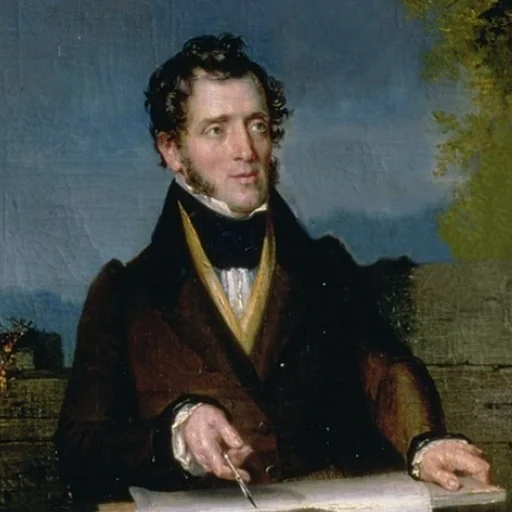
George Dawe (6 February 1781 – 15 October 1829) was an English portraitist who painted 329 portraits of Russian generals active during Napoleon's invasion of Russia for the Military Gallery of the Winter Palace.

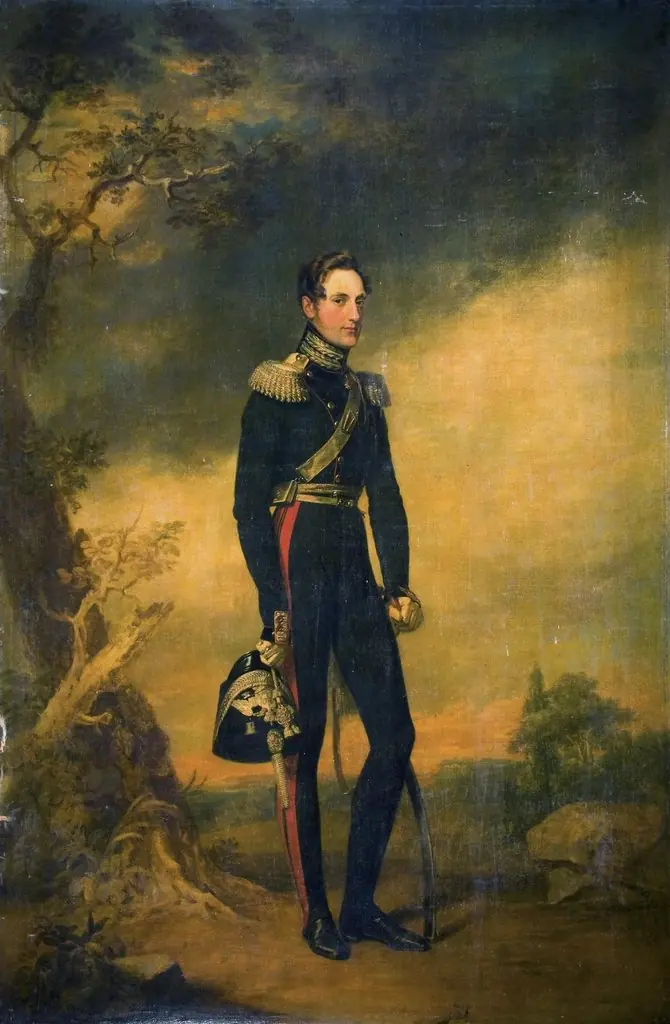 Portrait of Grand Duke Nikolai Pavlovich
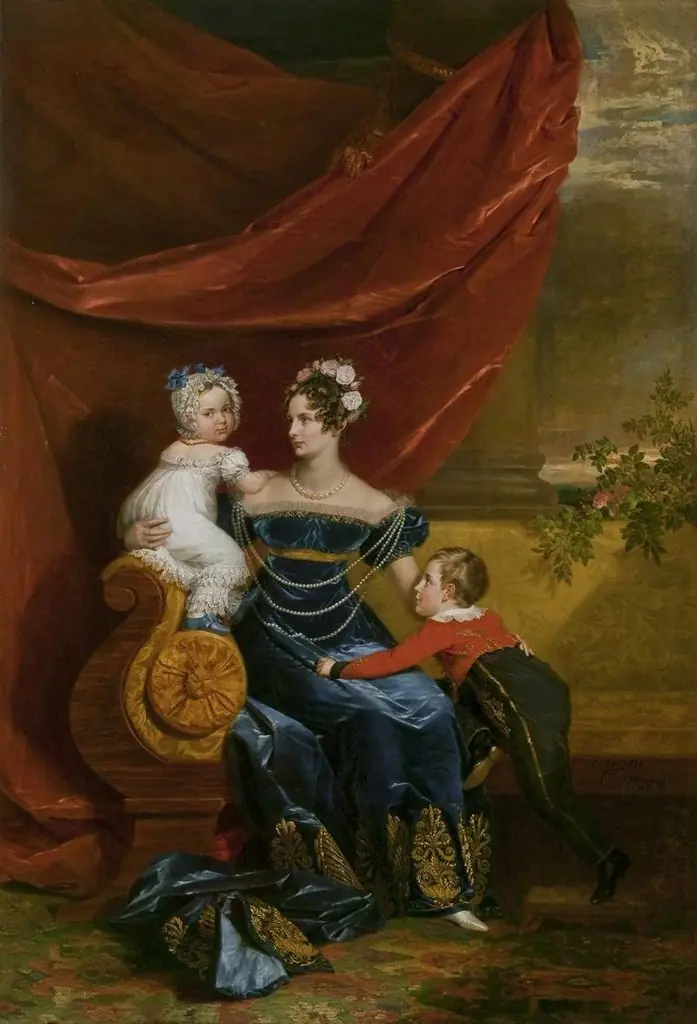 Portrait of Grand Duchess Alexandra Fiodorovna with Children
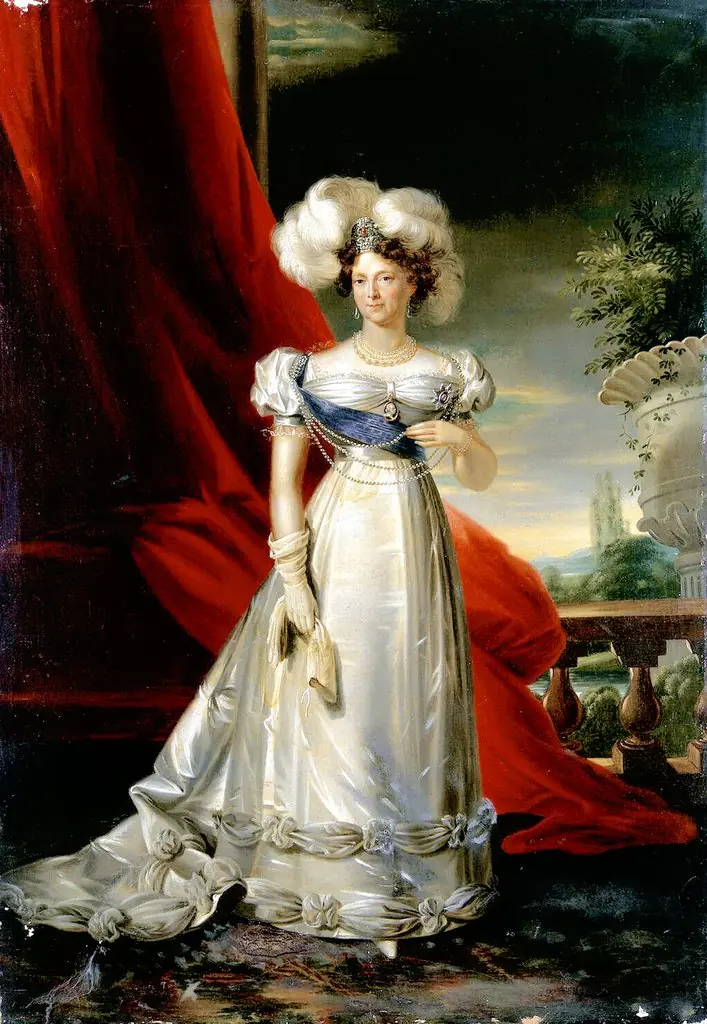 Portrait of the Empress Dowager Maria Feodorovna
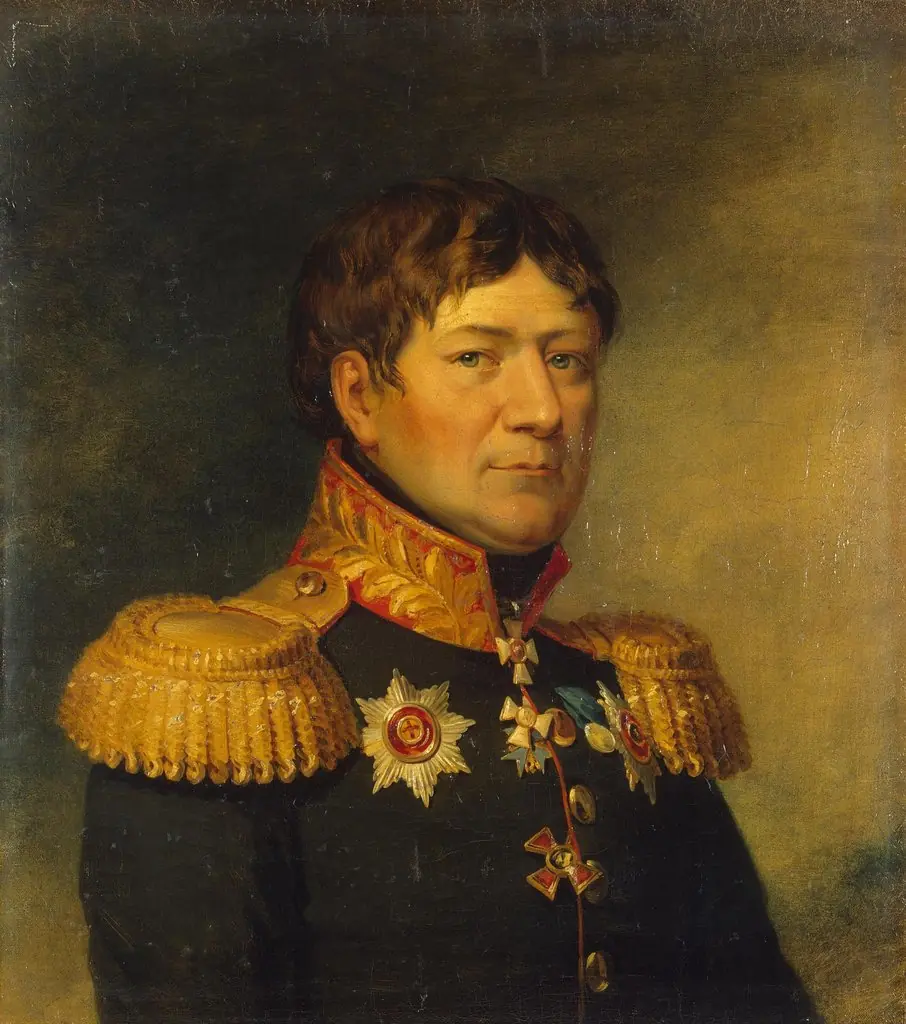 Portrait of Yegor M. Pillar (1767-1830)
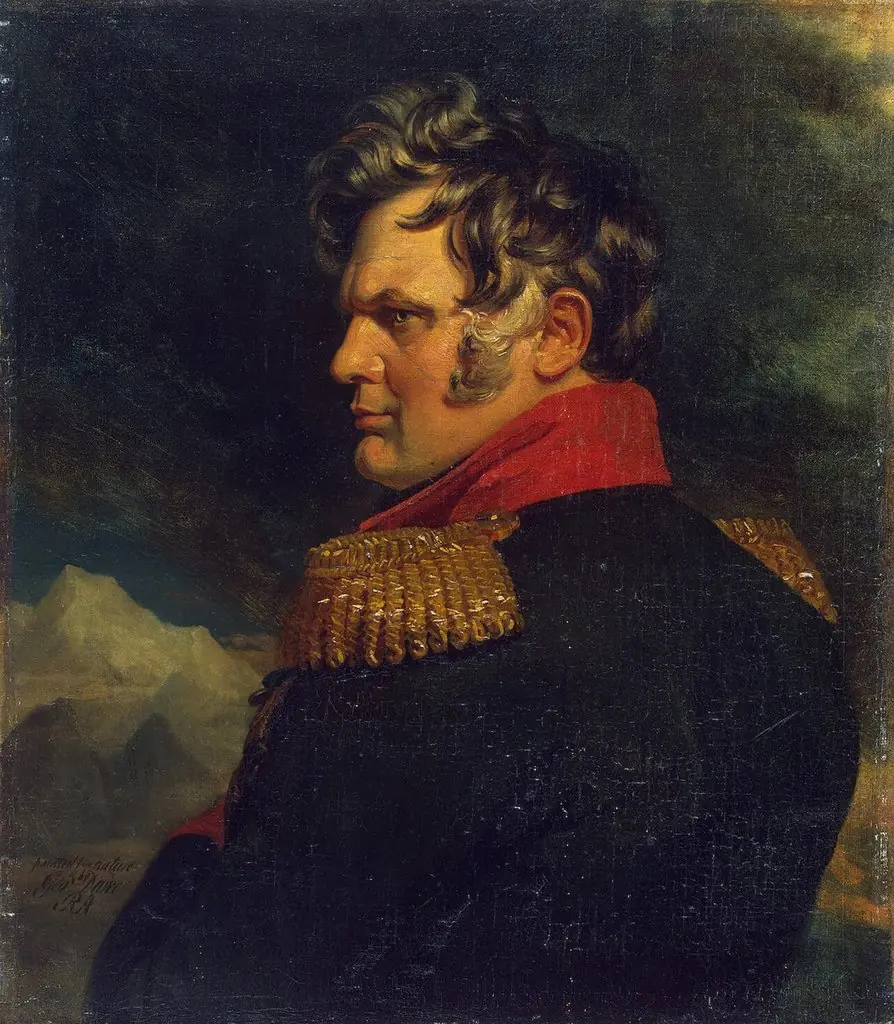 Portrait of Alexei P. Yermolov (1772/77-1861)
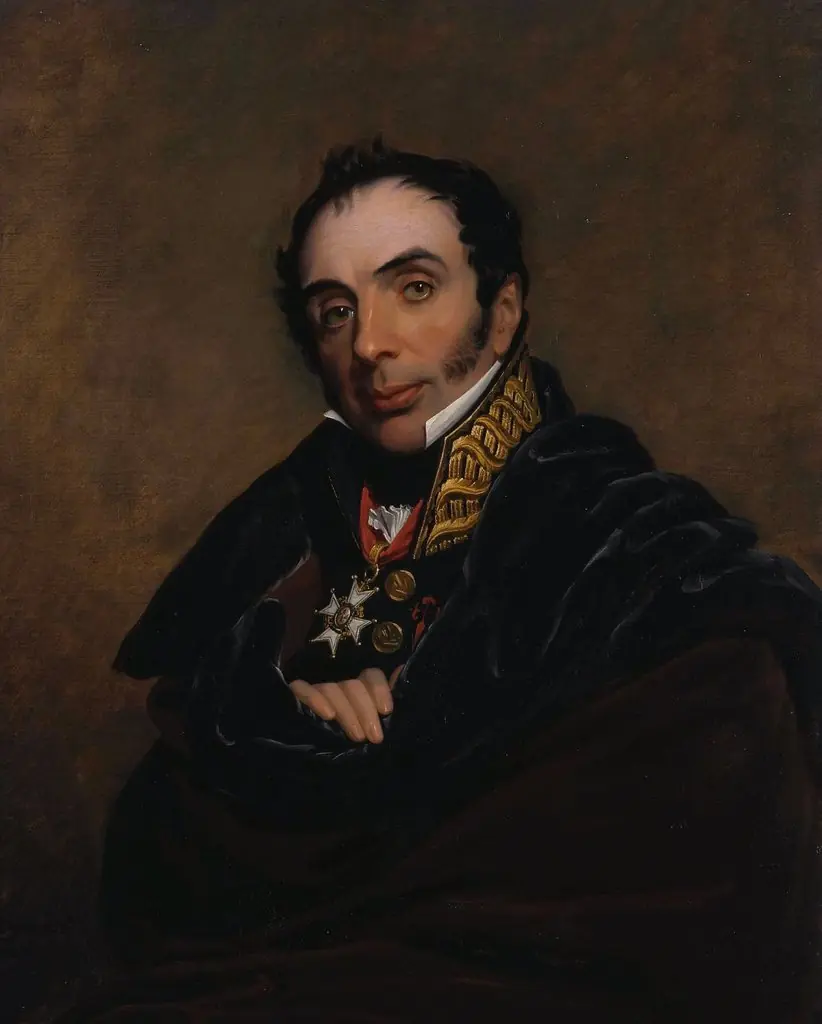 Portrait of Miguel Ricardo de Alava
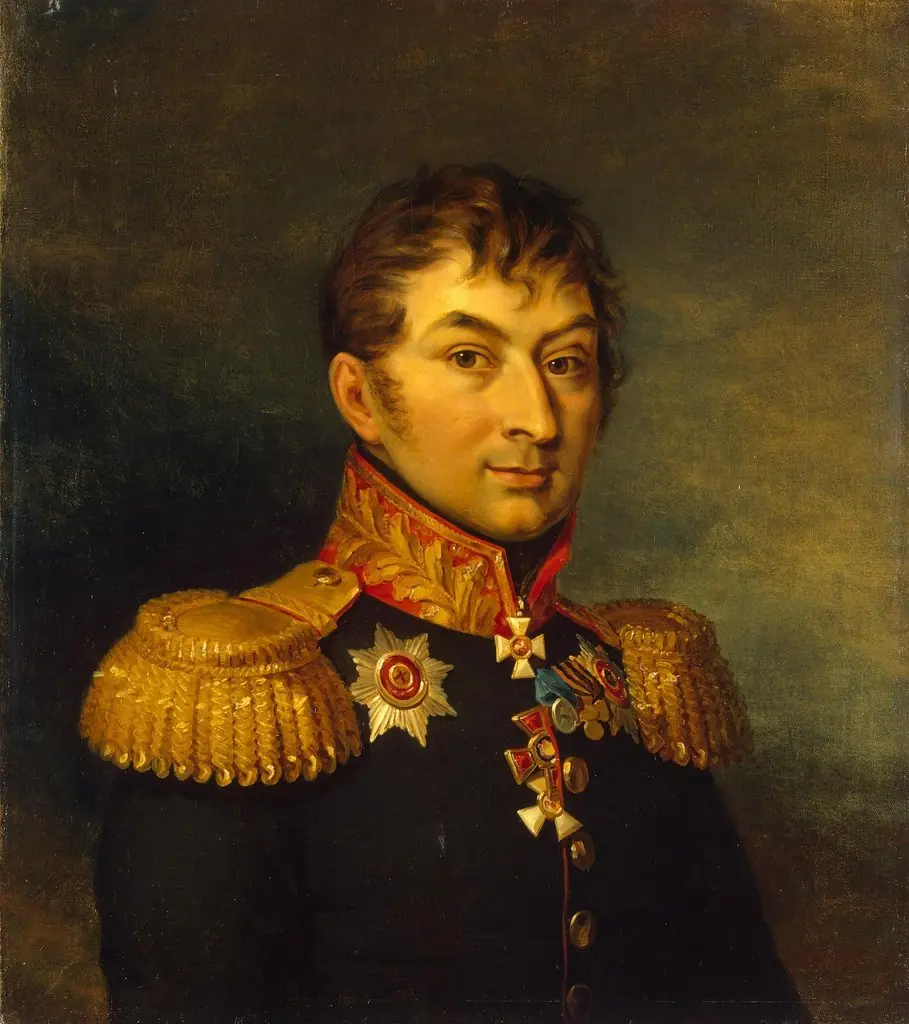 Portrait of Ivan D. Panchulidzev (1759-1815) (1st)
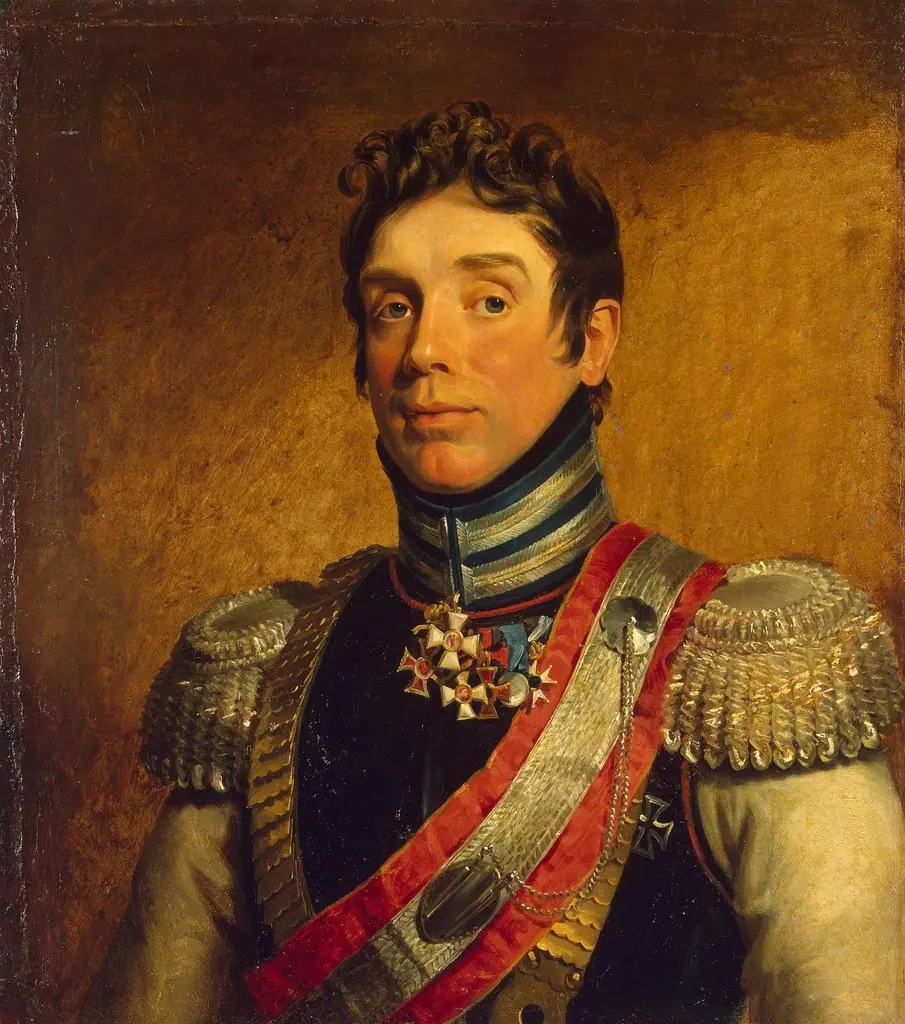 Portrait of Karl V. Budberg (1774-1829)