Artwork
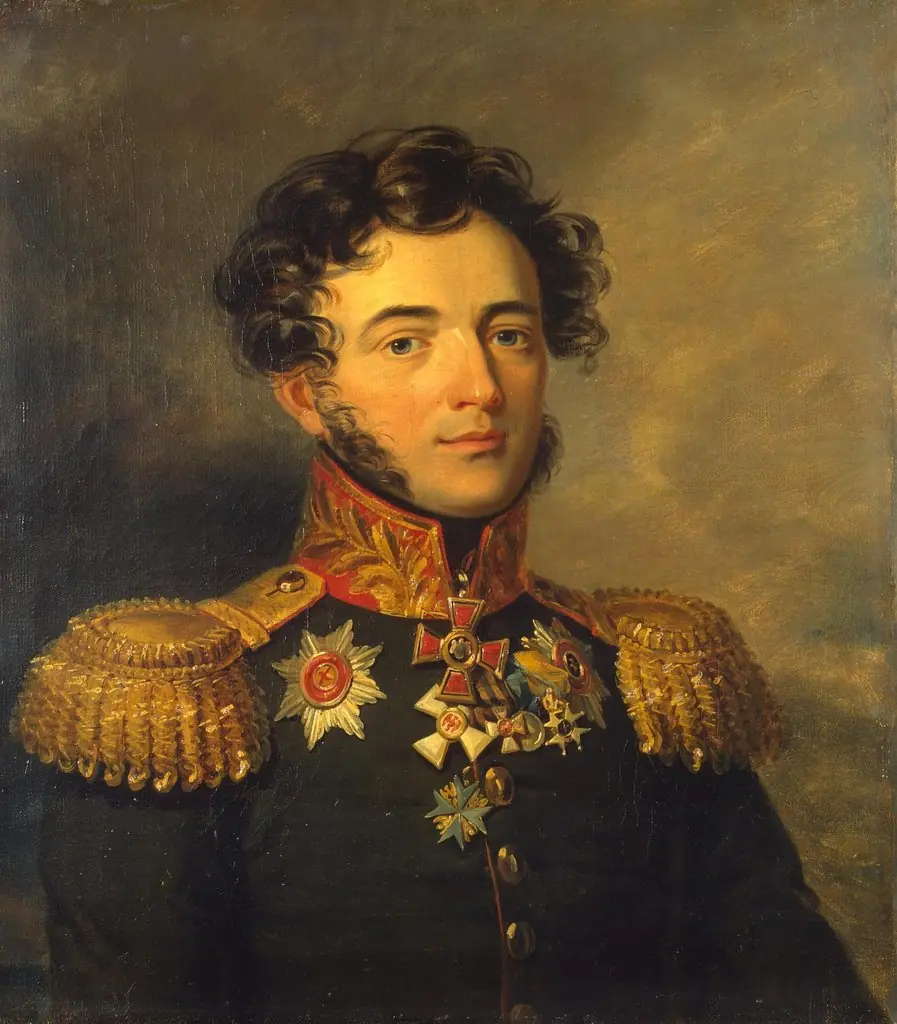
Portrait of Arseny A. Zakrevsky (1786 - 1865) (replica of the 1820 portrait ?)
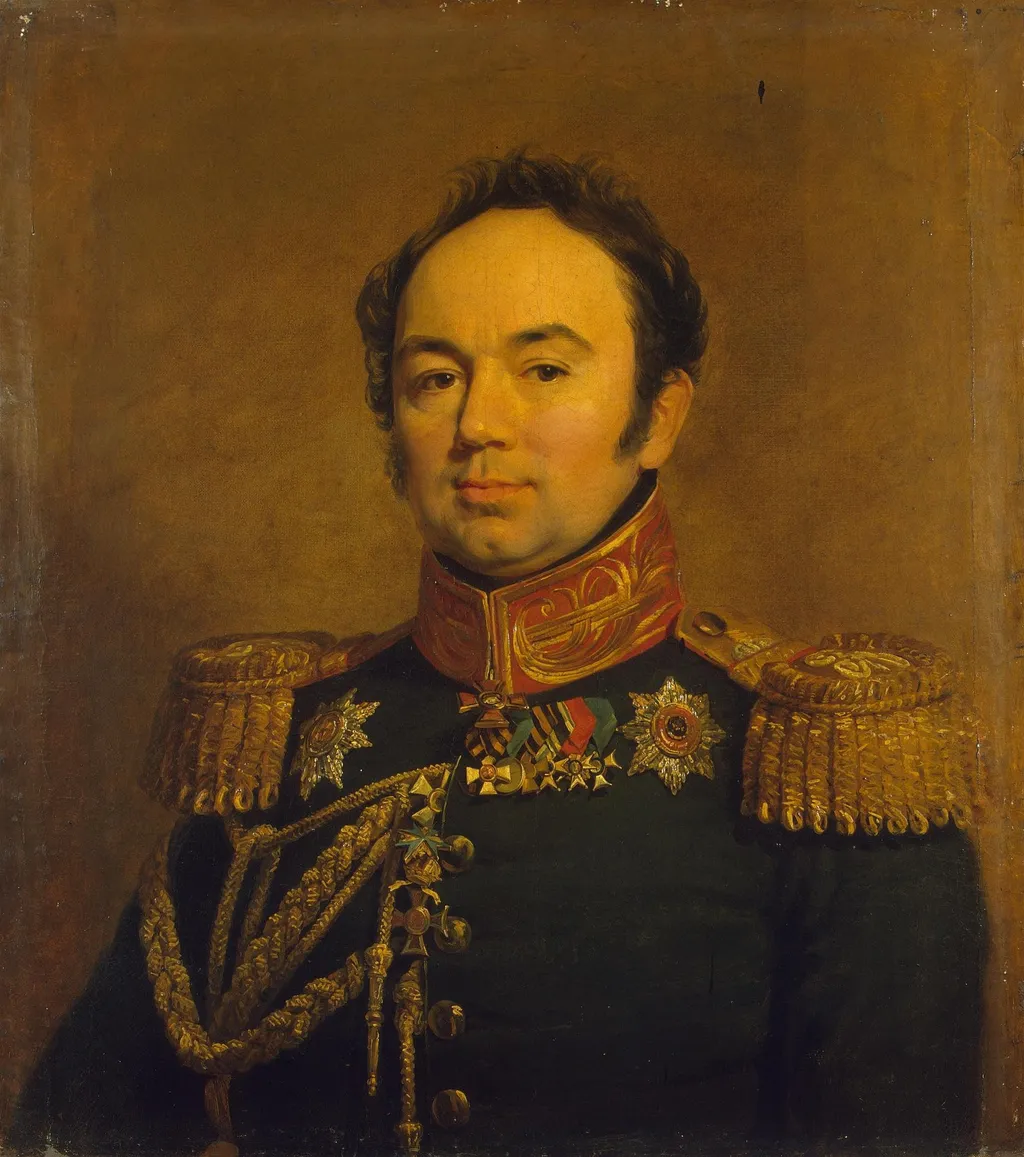
Portrait of Arseny A. Zakrevsky (1786 - 1865) (replica of the 1820 portrait ?) is an oil painting by George Dawe. It dates from 1822 and is held in the collection of the Hermitage Museum.
About this work
Overview
This oil painting is a replica of an 1822 portrait by George Dawe, an English artist active in Russia during the early 19th century.
This oil painting is a replica of an 1822 portrait by George Dawe, an English artist active in Russia during the early 19th century. It portrays Arseny A. Zakrevsky, a prominent Russian official, and is part of the State Hermitage Museum’s collection. Dawe, who moved to Saint Petersburg in 1819, became known for his formal military portraits, including those commissioned for the Winter Palace’s Military Gallery.
Subject & Meaning
Arseny Zakrevsky, a high-ranking civil servant and statesman under Tsar Alexander I, is depicted in his official military attire, signaling his status within the imperial hierarchy. The precise rendering of his uniform, medals, and composed expression conveys authority and duty. His direct gaze toward the viewer reinforces the portrait’s function as a statement of public identity rather than personal intimacy.
Technique & Style
Dawe employed fine brushwork to render the textures of fabric, metal, and skin with precision. The gold epaulets and intricate embroidery on the collar are rendered with subtle highlights, while the warm, neutral background isolates the figure without distraction. The composition follows academic conventions of the period, emphasizing clarity, balance, and restrained emotion to reflect the subject’s social position.
History & Provenance
The original portrait was completed in 1822 during Dawe’s tenure in Saint Petersburg, where he was commissioned by the Russian court. This version is a later replica, likely made to meet demand for images of prominent figures. The painting entered the Hermitage’s holdings in the 19th century, where it remains as part of a broader collection of imperial portraiture.
Context
Dawe’s work in Russia coincided with a period of state-sponsored cultural consolidation under Alexander I. Portraits like this one were used to visually affirm loyalty and hierarchy within the imperial administration. The Military Gallery, which Dawe later contributed to, was part of a larger effort to memorialize Russia’s wartime leadership through standardized, dignified imagery.
Legacy
Though less celebrated than his military portraits, Dawe’s civilian commissions, including this one, reflect the broader trend of using portraiture to legitimize state authority. The replication of such images ensured wider circulation of official imagery, reinforcing the visual language of imperial service across Russian society in the decades following the Napoleonic Wars.
Own this work as a print
Artist & collection
Artist
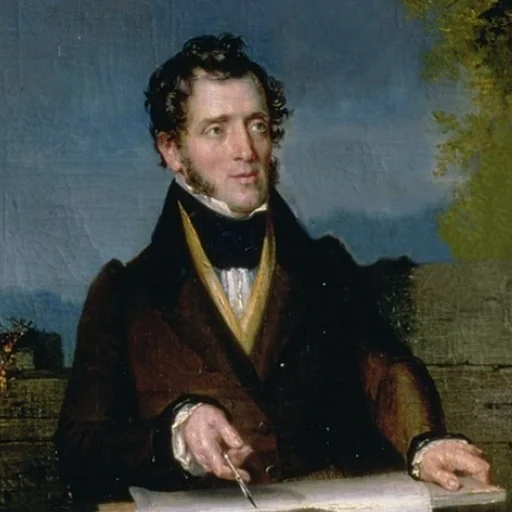
George Dawe (6 February 1781 – 15 October 1829) was an English portraitist who painted 329 portraits of Russian generals active during Napoleon's invasion of Russia for the Military Gallery of the Winter Palace.

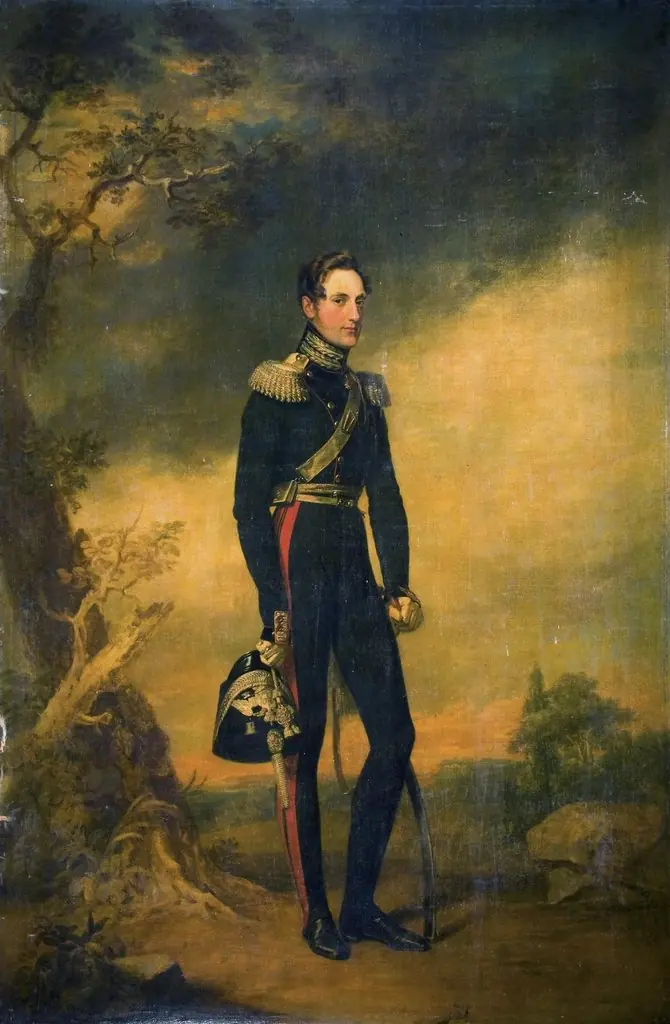 Portrait of Grand Duke Nikolai Pavlovich
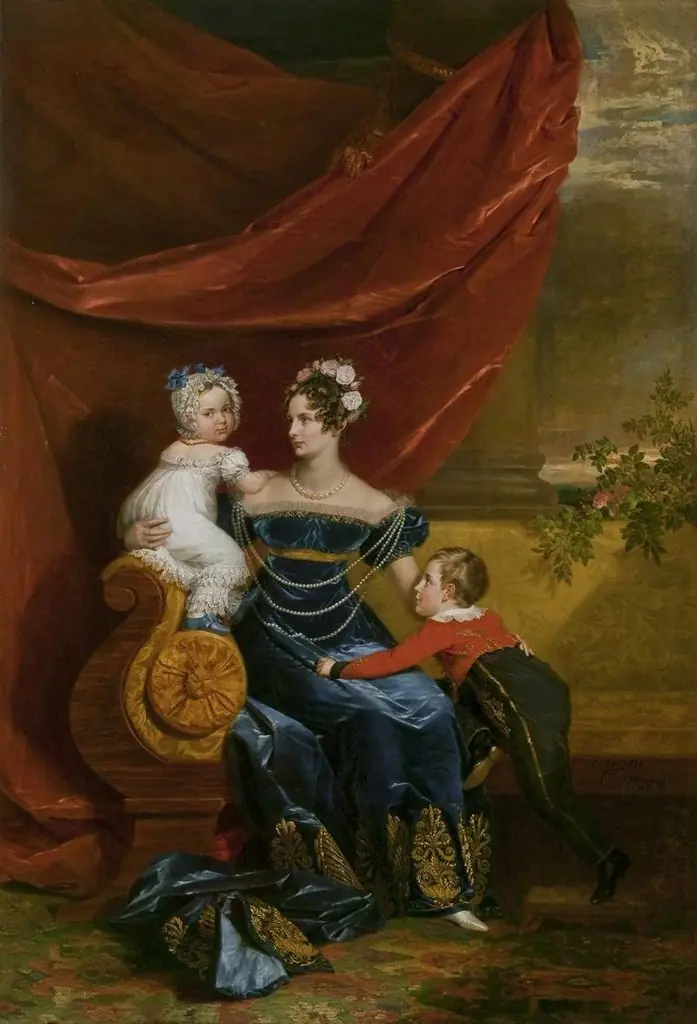 Portrait of Grand Duchess Alexandra Fiodorovna with Children
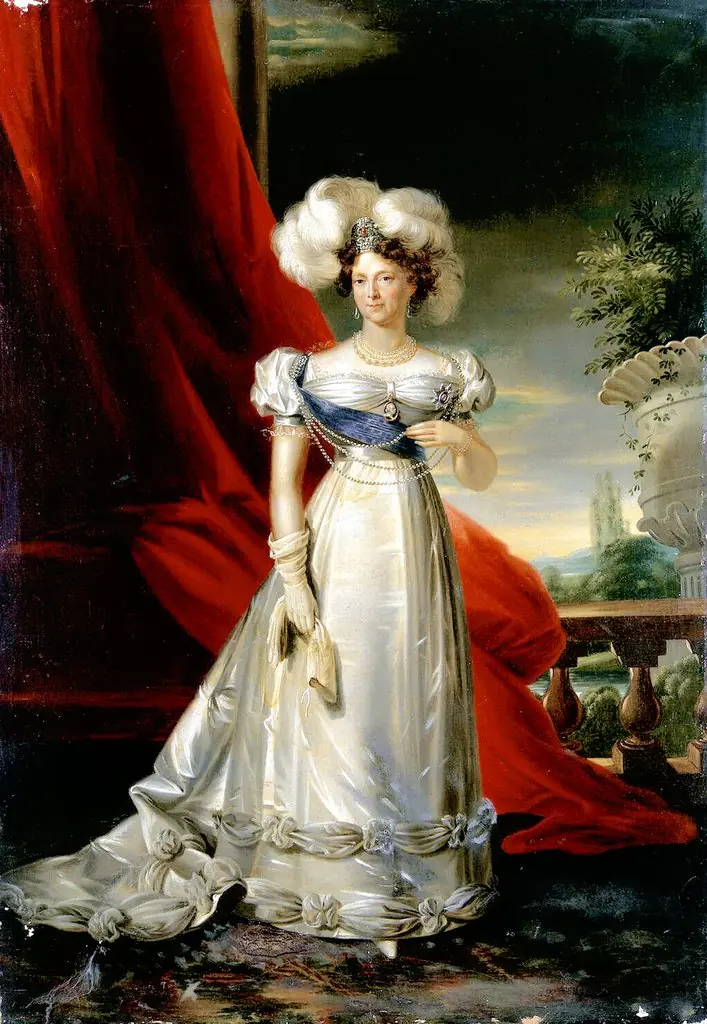 Portrait of the Empress Dowager Maria Feodorovna
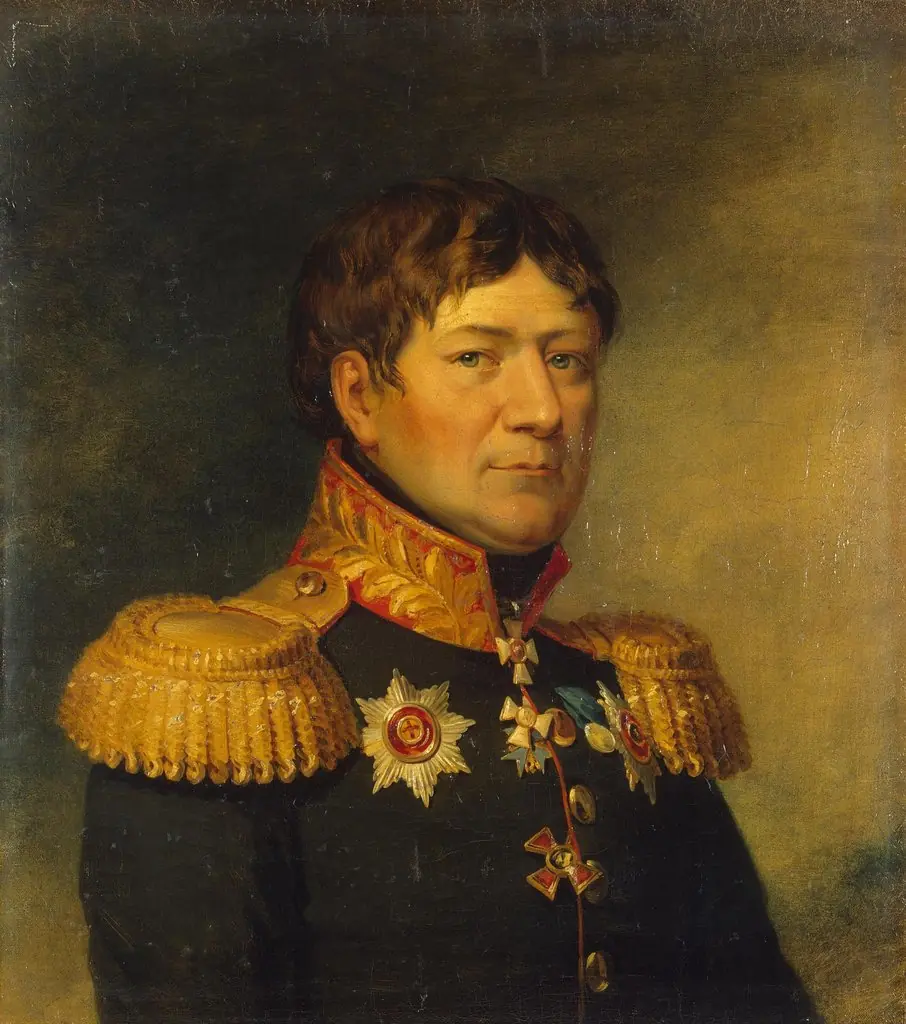 Portrait of Yegor M. Pillar (1767-1830)
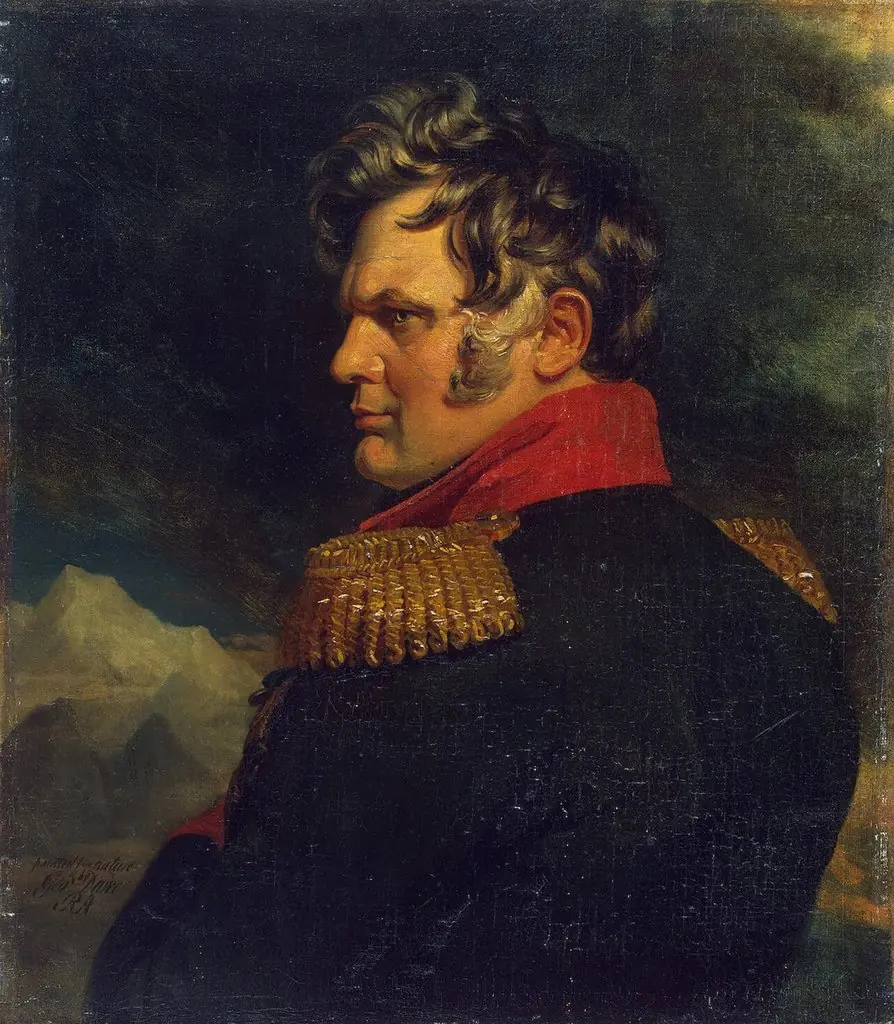 Portrait of Alexei P. Yermolov (1772/77-1861)
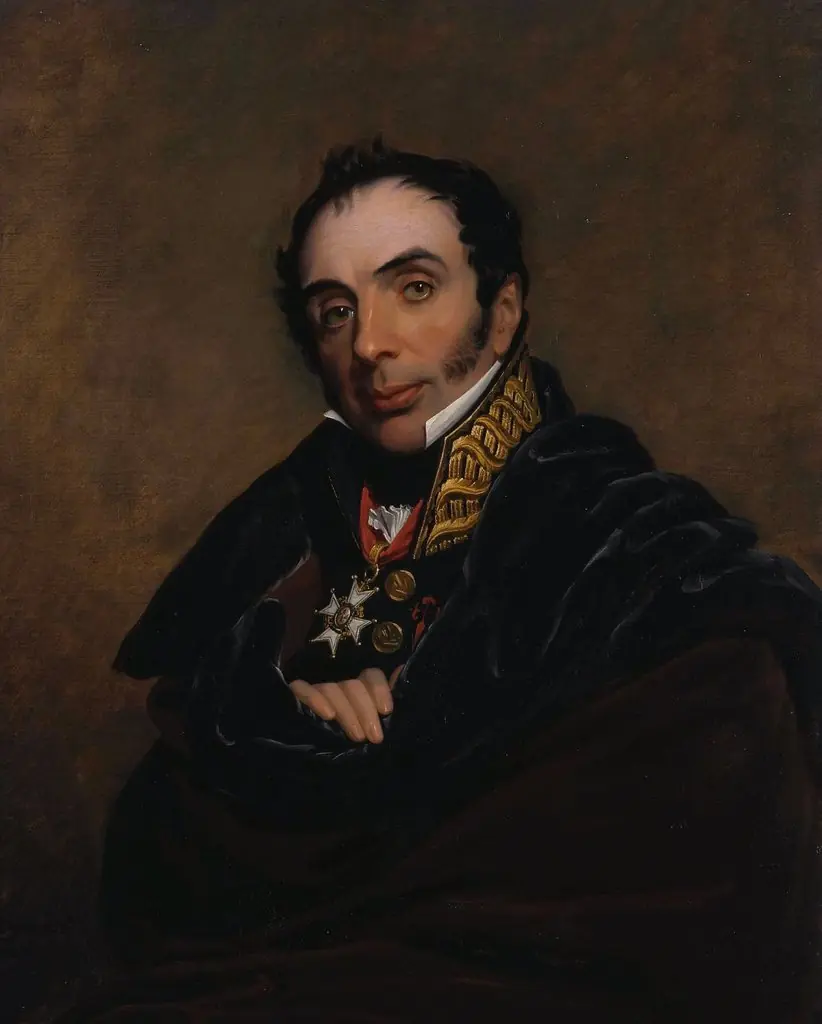 Portrait of Miguel Ricardo de Alava
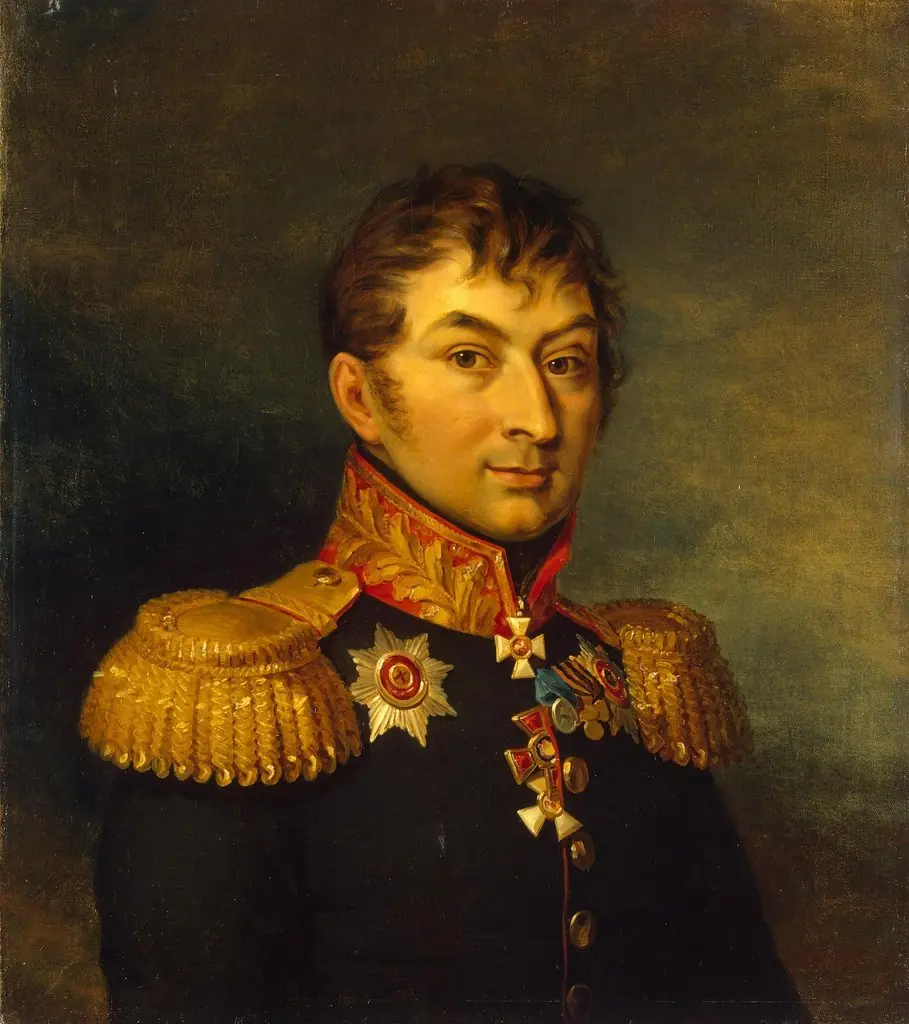 Portrait of Ivan D. Panchulidzev (1759-1815) (1st)
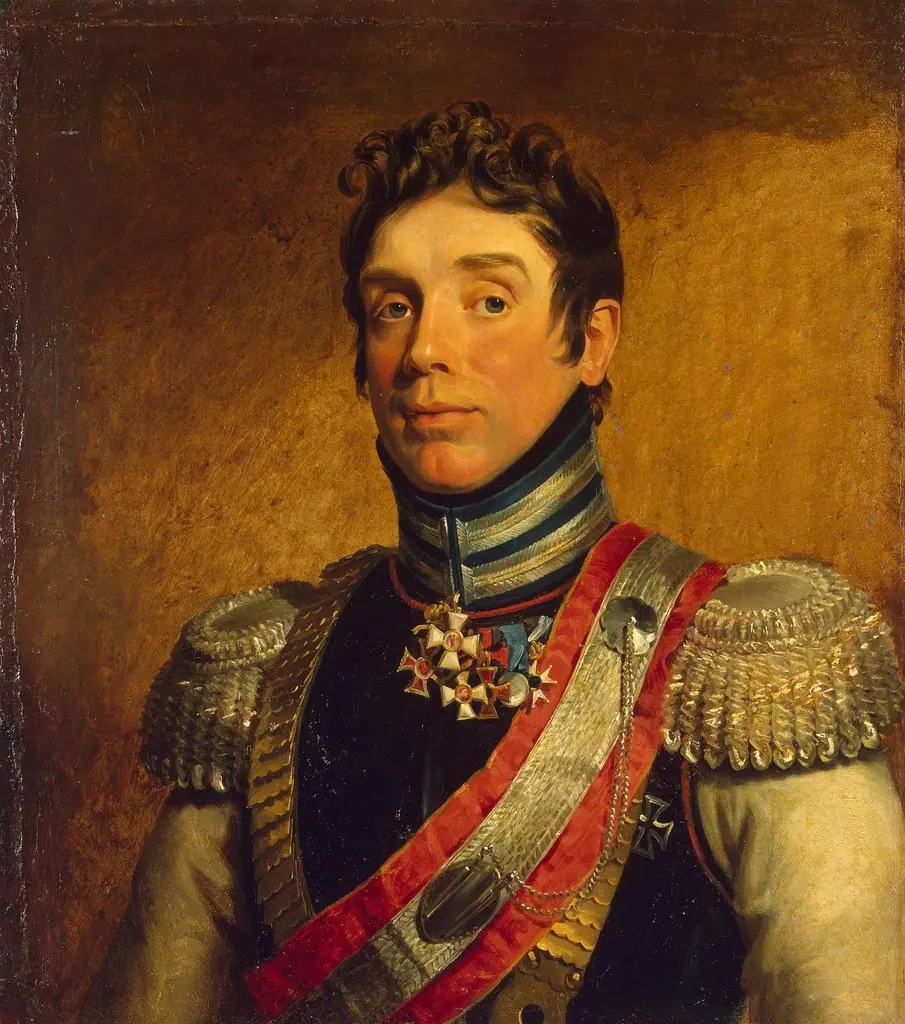 Portrait of Karl V. Budberg (1774-1829)
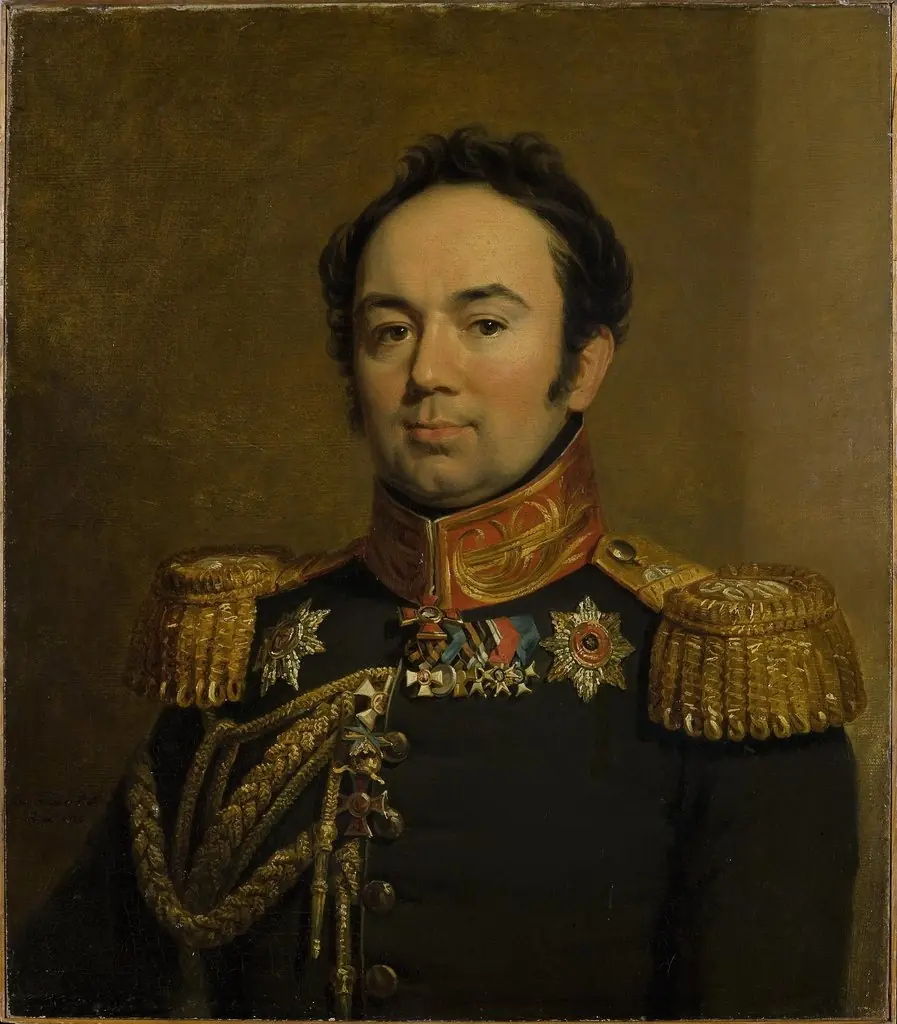 Portrait of Arseny A. Zakrevsky (1783-1865)
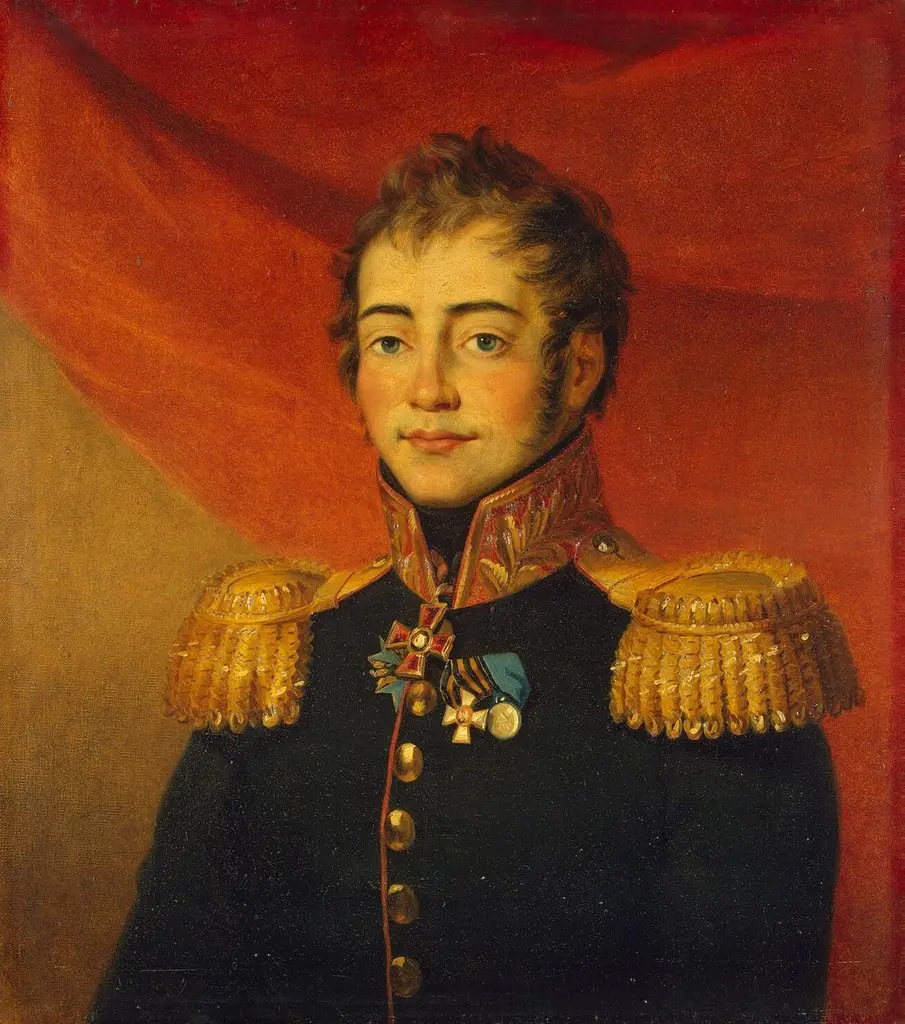 Portrait of Dmitry P. Lyapunov (1775-1821)
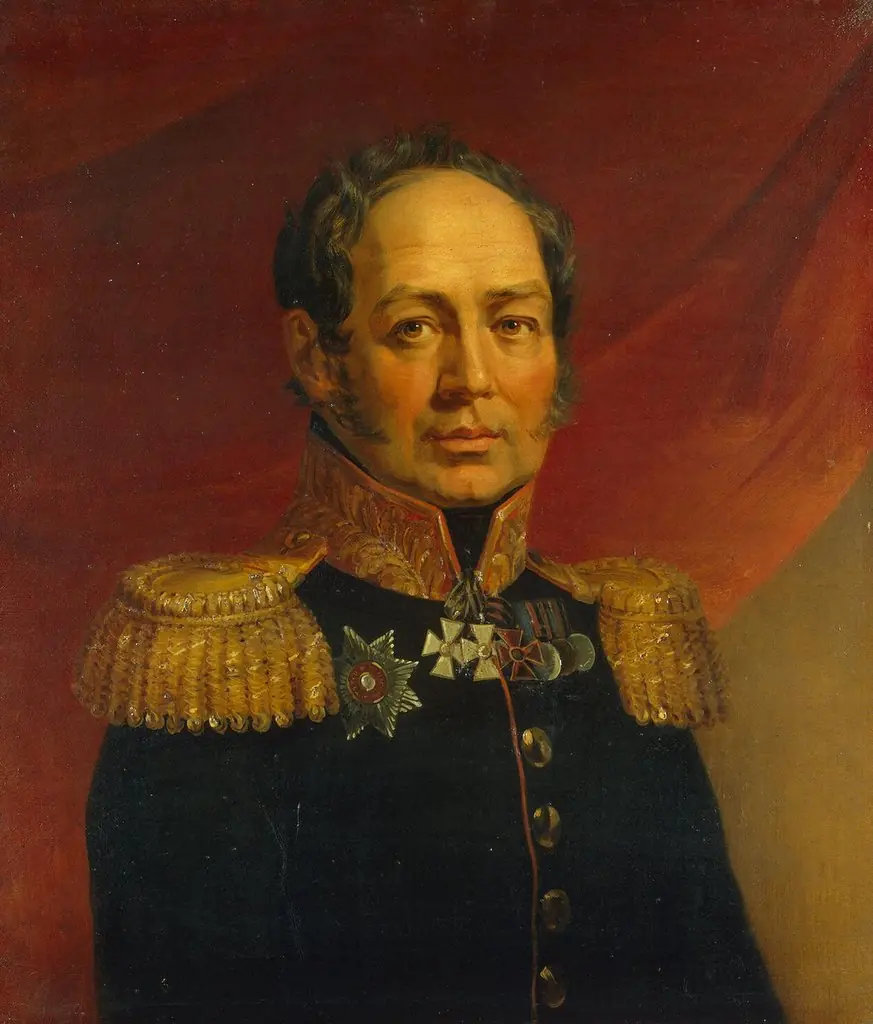 Portrait of Dmitry V. Lyalin (1772-1847/48)
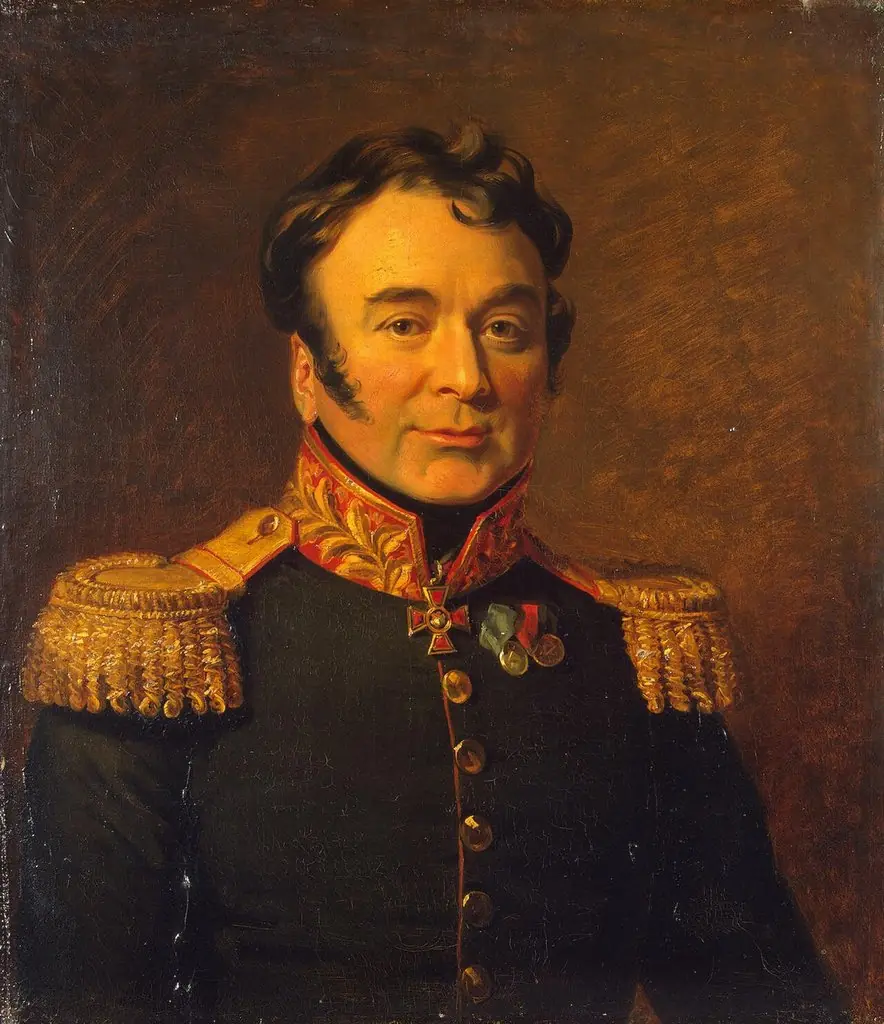 Portrait of Anton P. Velikopolsky (1770-1830)
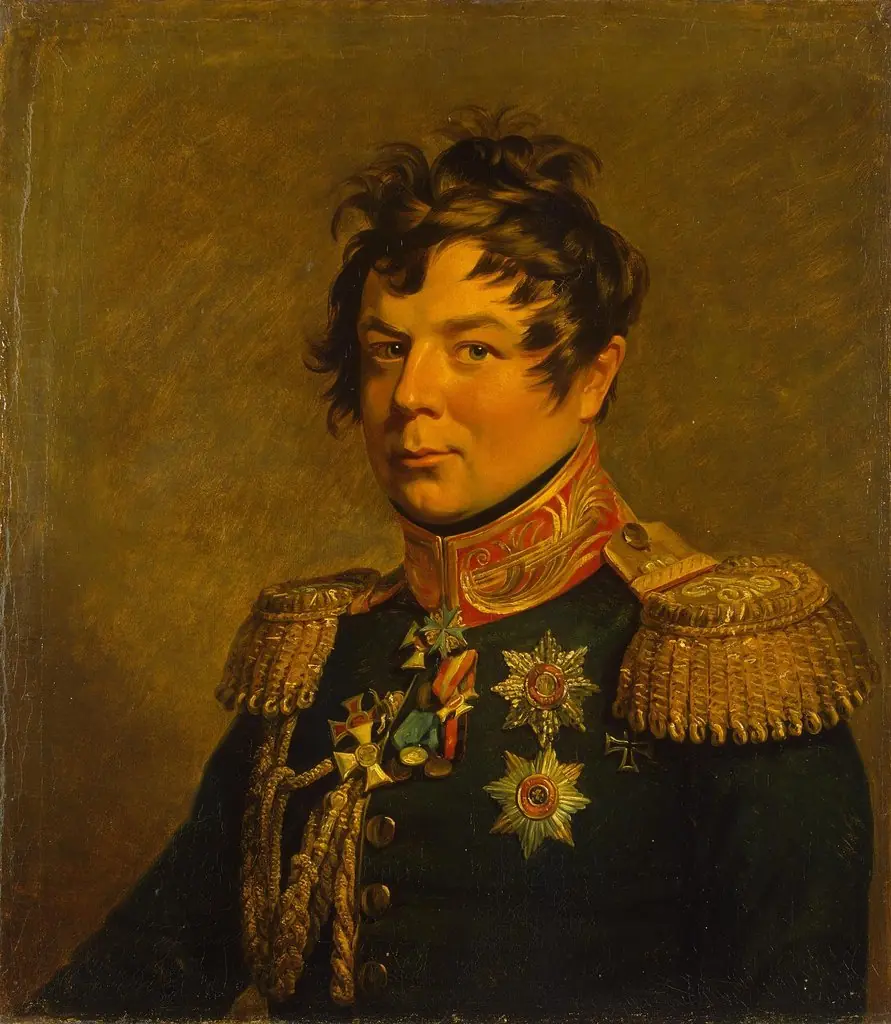 Portrait of Ivan I. Diebitsch-Zabalkansky (1785-1831)
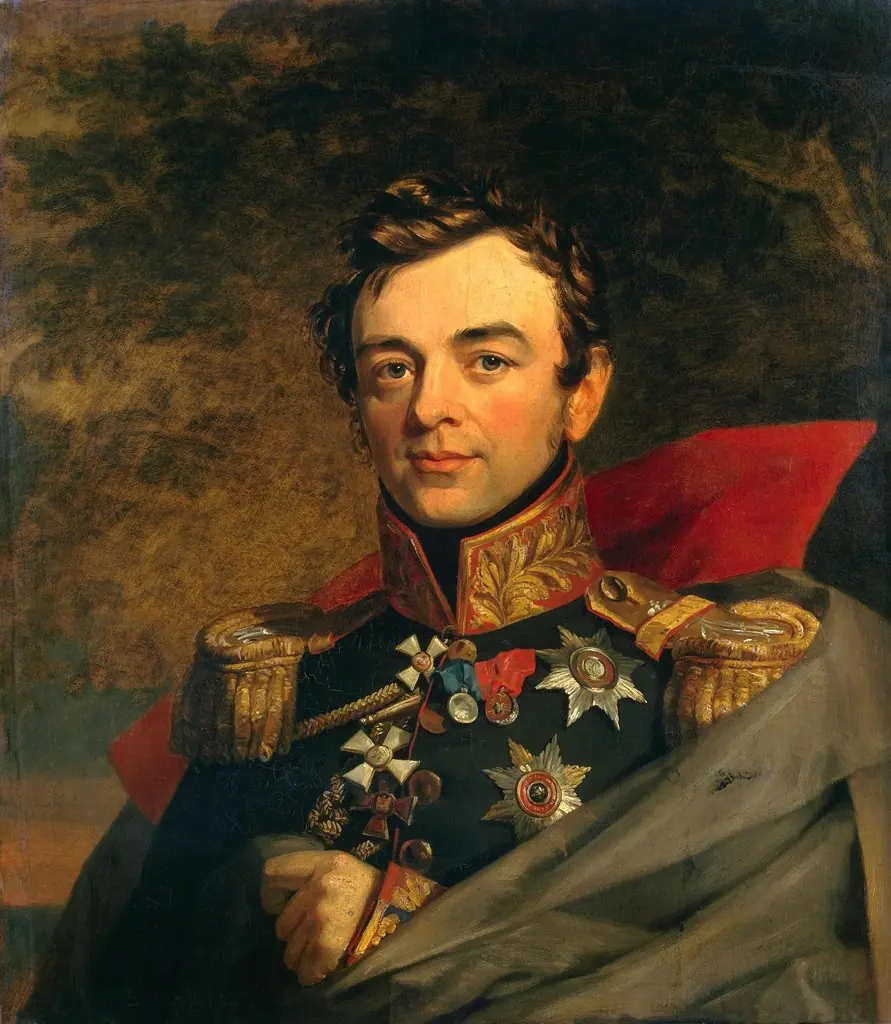 Portrait of Ivan F. Paskevich (1782-1856) (replica of the 1823 portrait)
 Portrait of Sergey F. Zheltukhin (1776-1833)